A practical guide to paying your way in Iraq, covering cash culture, card acceptance, finding reliable ATMs, exchange rates, tipping norms, and common scams.
Is cash preferred over cards in Iraq?
Short answer: yes, cash remains king across Iraq. World Bank data indicates that fewer than 20% of adults hold a bank account, and only around 1.5% have a credit card [1]. Most daily transactions rely on cash, especially in corner stores, traditional souks, and street stalls.

The broader financial system is beginning to adapt. The Central Bank of Iraq announced plans to eliminate cash payments across government institutions by July 2026 [2]. Official counters began phasing out cash in July 2025, aiming to lower corruption, improve record keeping, and process public payments more smoothly [3].
Can you use credit or debit cards in Iraq?
Card acceptance is quite limited. Many Iraqi bank-issued Visa cards work only domestically and cannot process international transactions [4]. They also cannot link to services like Apple Pay or PayPal, which restricts cross-border digital payments.

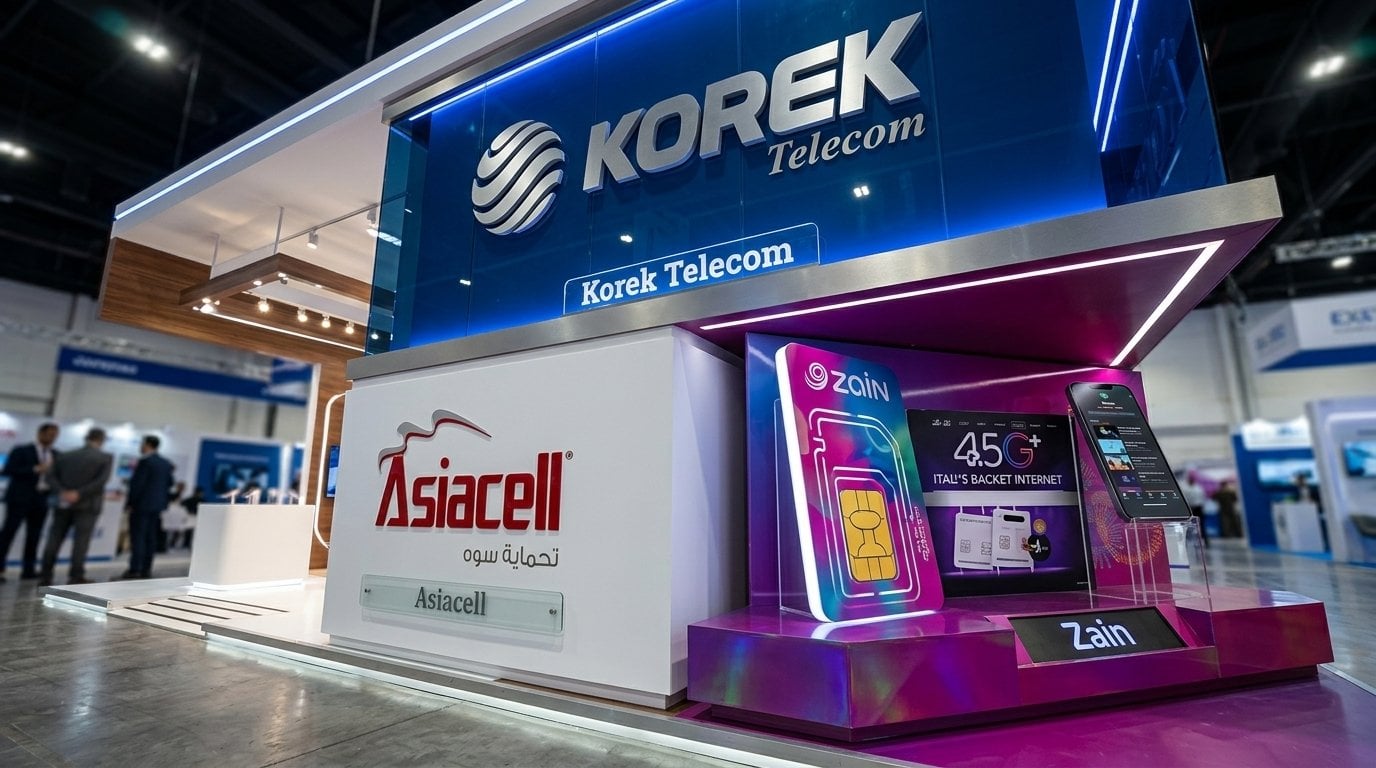
Digital payment options are slowly expanding. The Central Bank of Iraq has licensed 17 digital wallet operators, including AsiaHawala, Zain Cash, NassWallet, and FastPay [4]. Even with these options available, many shoppers hesitate to rely on them because of frequent connection drops and service interruptions.
Where can you find ATMs in Iraq?
Most ATMs sit directly outside commercial bank branches or inside major shopping malls in larger cities [4]. In rural districts and smaller towns, cash machines are scarce. If you need cash for day trips or travel between regions, withdraw what you need at a city branch before heading out.
Currency exchange rates in Iraq
The official exchange rate set by the Central Bank of Iraq is 1,320 IQD per 1 USD. Street and exchange-office rates differ from this baseline. For snapshot context, market rates on February 2, 2026, stood at [5]:
- Baghdad: Sell 100 USD = 148,700 IQD, Buy 100 USD = 148,200 IQD
- Erbil: Sell 100 USD = 148,900 IQD, Buy 100 USD = 148,400 IQD
- Basra: Sell 100 USD = 148,700 IQD, Buy 100 USD = 148,200 IQD
Rates shift across different cities and market stalls, so check a few counters or ask about the going rate before exchanging large amounts.
How much should you tip in Iraq?
At sit-down restaurants, leaving a tip of 10% to 15% is standard practice [6]. Other services do not follow a fixed tipping scale, but tipping a modest sum for helpful service is welcomed everywhere.
Scams to watch out for in Iraq
Travelers and newcomers should watch out for several reported scams:
- Fraudulent websites that claim to represent the Australian government or the Iraqi government [7].
- Suspicious outfits posing as Iraqi import firms and presenting unusual job offers [7].
- Scammers selling counterfeit Iraqi identity cards that local authorities will reject [7].
- Unofficial websites offering fake visas outside proper government channels [7].
To avoid these schemes, verify any official-sounding notice directly with the relevant embassy or consulate, buy visas only through designated government portals, and consult legal counsel before signing contracts with unfamiliar companies.
Sources
- Why cash is still king in Iraq - https://restofworld.org/2023/iraq-digital-payments/, 2023
- Iraq says goodbye to cash payments by July 2026 - InfoPlus Network - https://www.infoplusnetwork.com/, 2025
- Iraq currency exchange rates – February 2026 - https://en.964media.com/44772/, 2026
- Iraq Travel Guide | Complete Guide 2026 - https://www.grabasim.com/guides/iraq
- Iraq Travel Advice & Safety - https://www.smartraveller.gov.au/destinations/middle-east/iraq
- Iraqi Dinar to USD Forecast 2025–2027 - https://www.ultimamarkets.com/, 2025
- Tips and how to travel to Iraqi Kurdistan in 2026 - https://againstthecompass.com/en/iraqi-kurdistan-travel-guide/, 2026
❓Frequently Asked Questions
Here are answers to frequently asked questions about the content above
Digital payments are expanding, but cash remains the main choice for daily expenses. The Central Bank plans to eliminate cash payments in government offices by July 2026, yet most markets and private shops still operate in cash.
Card acceptance is rare outside top hotels. Most everyday merchants cannot process foreign cards, and local bank cards generally work only domestically. Bring enough cash to cover daily spending.
Compare rates at reputable exchange shops before converting money. While the Central Bank sets an official benchmark of 1,320 IQD per USD, street rates fluctuate and usually trade higher.
ATMs attached to bank branches or located inside secure shopping malls are generally safe to use. Avoid isolated machines, and withdraw needed cash in major cities before traveling into rural areas.
Keep cash in separate pockets, use established currency exchange offices, confirm visa details on official government websites, and treat unsolicited business proposals with caution.
Yes, border authorities set cash import and export limits. Verify the latest customs regulations before your flight so you can declare funds properly if needed.