Daheena Najafiyya
dessertsVegetarianNajaf
About
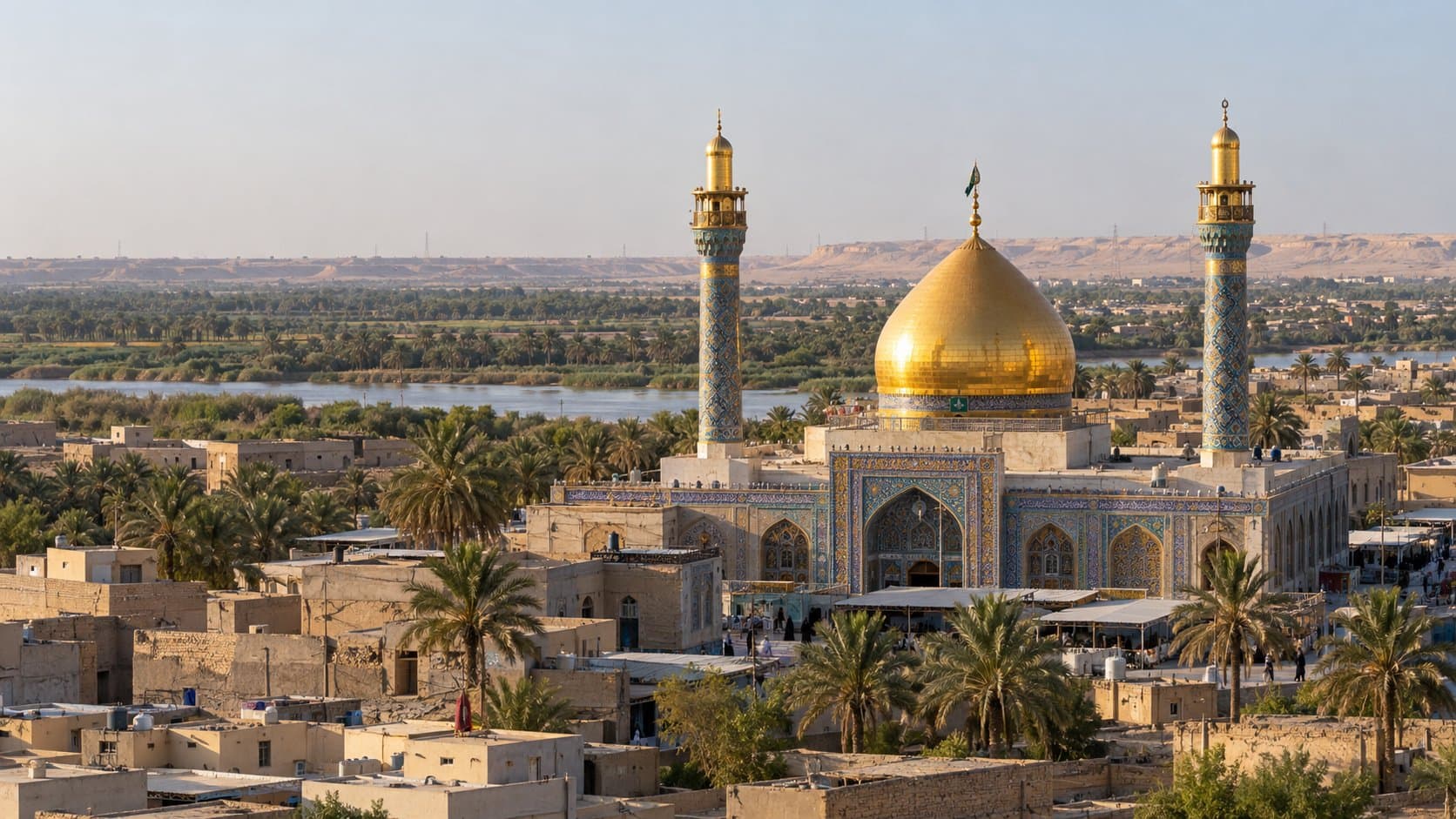
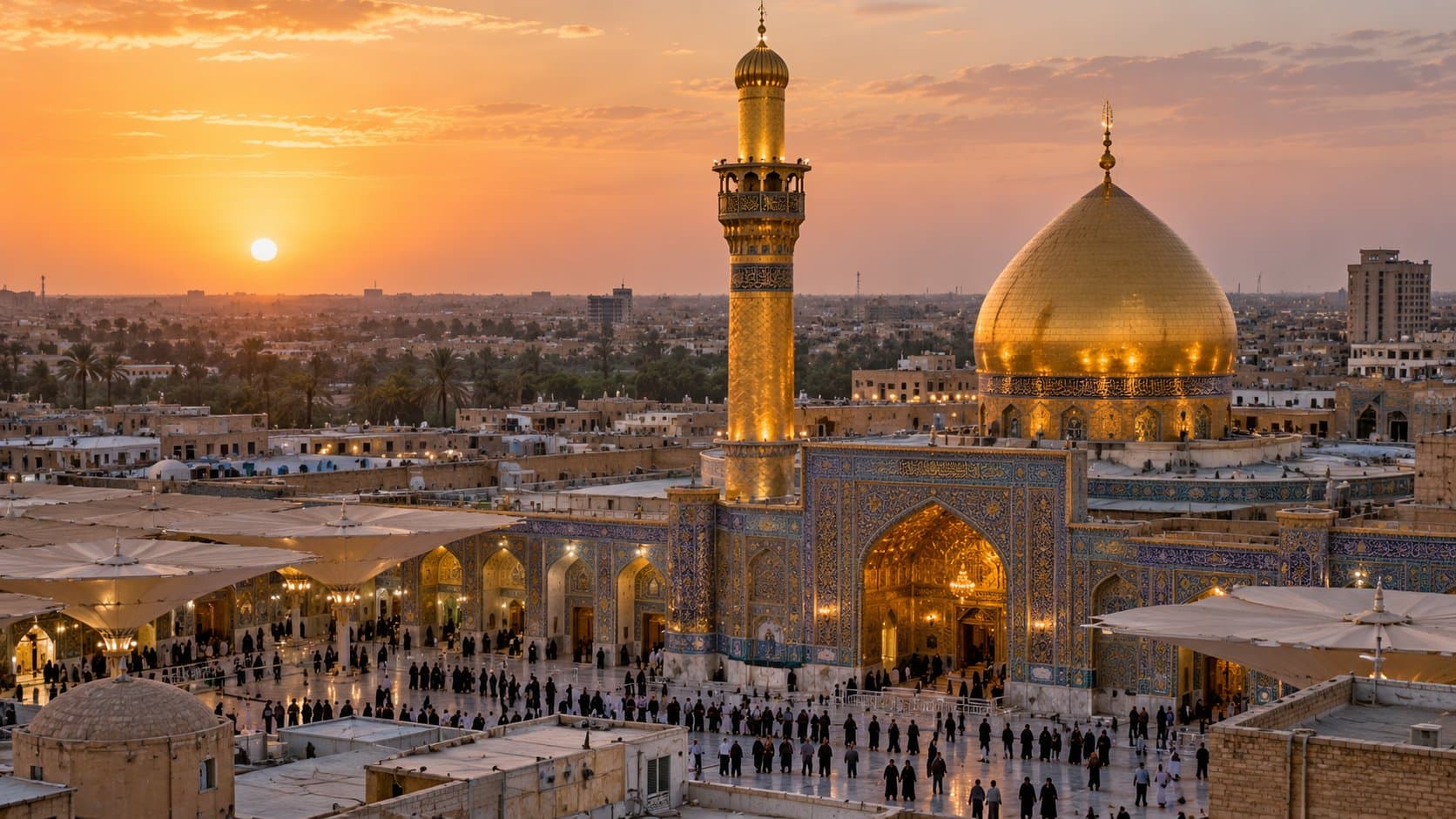
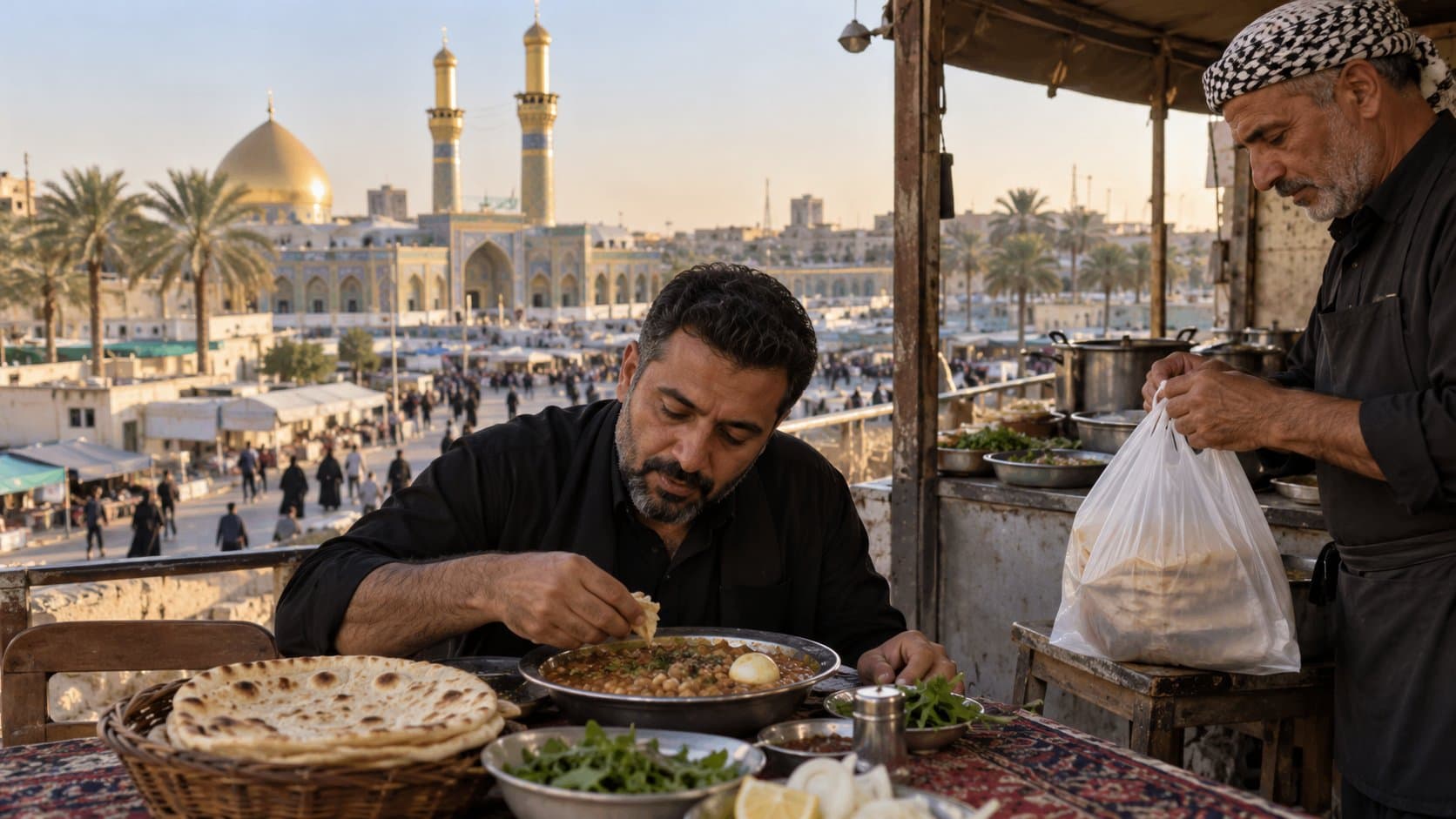
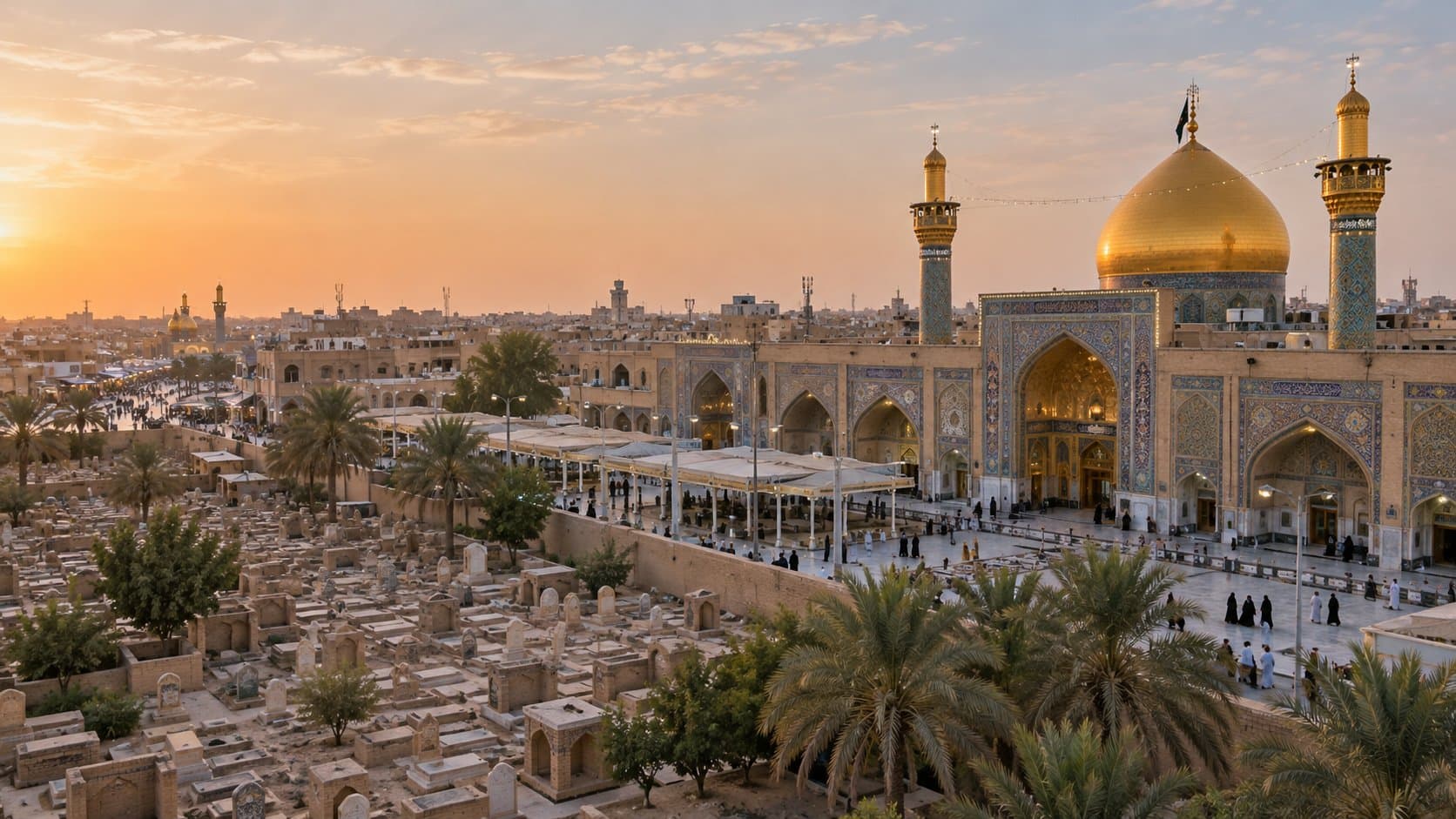
# Daheena Najafiyya In Najaf, a tray of daheena is a reason to stop at a sweets counter. Baked in wide round pans and sold by weight, this rich Iraqi sweet has long accompanied trips to the shrine of Imam Ali, as noted in the [Arabic-language account of daheen](https://ar.wikipedia.org/wiki/دهين). Visitors buy pieces to eat while staying in the city or pack boxes to carry home. You will see the name written as daheen, daheena, or dahina. Najafiyya connects it directly to Najaf. The sweet is dense, heavy, and baked in a tray rather than puffed like cake. {{image}} ## What goes into daheena? Flour, sugar, fat, and coconut form the base of daheena. The [English-language overview](https://en.wikipedia.org/wiki/Daheen) also lists milk and syrup, with various oils used for baking. The [Arabic account](https://ar.wikipedia.org/wiki/دهين) describes a Najafi maker using flour, sugar, traditional clarified butter, grated coconut, and cardamom. Those differences matter when you buy. A reputation for pure ghee fits some traditional makers, but not every tray. If you want clarified butter rather than vegetable oil, ask the shop which fat went into the batch. Dates are another frequent point of confusion. Daheena is sometimes described abroad as a date-and-coconut fudge cake, but the reference sources do not list dates or date syrup as essential ingredients. One mentions syrup without specifying its type. If you specifically want a batch prepared with date syrup, ask the seller rather than assuming the dark brown color comes from dates. ## Why it belongs to Najaf The [English overview](https://en.wikipedia.org/wiki/Daheen) identifies Najaf as the sweet's place of origin and translates daheen as oily, pointing directly to its heavy texture. Pilgrims helped build that reputation. According to the [Arabic account](https://ar.wikipedia.org/wiki/دهين), visitors to the shrine of Imam Ali buy daheena both for their stay and for the trip home. A box of sweets provides a simple way to bring a piece of the pilgrimage back to family and friends. The same record mentions competing stories behind the name Abu Ali, which appears on signs across Najaf's sweet shops. The stories disagree on who the original baker was and when he worked. Treat the sign as part of local confectionery tradition, not proof of a single founder or uniform recipe. {{image}} ## How to choose a portion Because daheena is sold by weight, you can order a small cut before committing to a full box. If a shop offers samples, taste a bite first. A quick exchange at the counter clarifies what is in the pan: - Ask whether the fat is clarified butter or vegetable oil. - Ask whether the syrup comes from dates if that matters to you. - Check whether the batch contains milk, coconut, or added nuts. - Ask when the tray was baked and how the shop recommends storing it. Recipes vary across sweet shops, so the baker is the best guide to what is in that day's batch. ## Eating it and taking it home A modest slice paired with unsweetened black tea cuts through the intense sweetness. Because daheena is dense and rich, a small piece satisfies. If you are buying gifts, ask for a sturdy box that protects the soft layers during travel. Storage recommendations vary by shop and fat content, so ask the counter staff how long your batch will keep at room temperature. Do not assume daheena is dairy-free or gluten-free. Standard recipes rely on wheat flour, and trays frequently incorporate milk or clarified butter. Anyone with allergies should ask the shop directly about ingredients and shared equipment before ordering. {{image}} ## A sweet worth asking about Daheena remains one of Najaf's defining sweets, tied closely to the city's market stalls and religious visitors. While coconut, sugar, and fat give it its signature chew, individual bakers adapt the recipe to their own standards. Ask what went into the pan, start with a modest portion, and enjoy a sweet rooted in local pilgrimage tradition. ## FAQs ```json {"faqs":[{"id":"faq-1","question":"What is daheena Najafiyya?","answer":"Daheena Najafiyya is a rich Iraqi tray-baked sweet originating in Najaf. It is made from flour, sugar, fat, and coconut, with some makers adding milk, syrup, or cardamom."},{"id":"faq-2","question":"Does daheena always contain dates or date syrup?","answer":"No. Dates and date syrup are not standard in every recipe, despite frequent descriptions online. Ask the seller whether a specific batch uses date syrup."},{"id":"faq-3","question":"Is daheena always made with pure ghee?","answer":"Not necessarily. Traditional recipes often call for clarified butter, or ghee, but some bakers use vegetable oils. Ask the maker if you want a pure-ghee version."},{"id":"faq-4","question":"Why is daheena associated with pilgrimage to Najaf?","answer":"Visitors to the shrine of Imam Ali buy daheena to eat during their visit and bring home as gifts for family, cementing its long connection with the pilgrimage city."},{"id":"faq-5","question":"How should I buy daheena for the first time?","answer":"Because it is sold by weight, start with a small portion to taste. You can ask about the fat, syrup, and other ingredients before buying a larger box."},{"id":"faq-6","question":"Is daheena suitable for people avoiding wheat or dairy?","answer":"No. Standard recipes use wheat flour, and many include milk or clarified butter. Anyone with allergies should check ingredients and ask about shared equipment directly with the seller."}]} ``` ## Sources - Wikipedia contributors. "Daheen." English Wikipedia. https://en.wikipedia.org/wiki/Daheen. Accessed October 25, 2026. - Wikipedia contributors. "دهين" [Daheen]. Arabic Wikipedia. https://ar.wikipedia.org/wiki/دهين. Accessed October 25, 2026.