Fasolia Yabsa
traditional dishesBaghdad
About
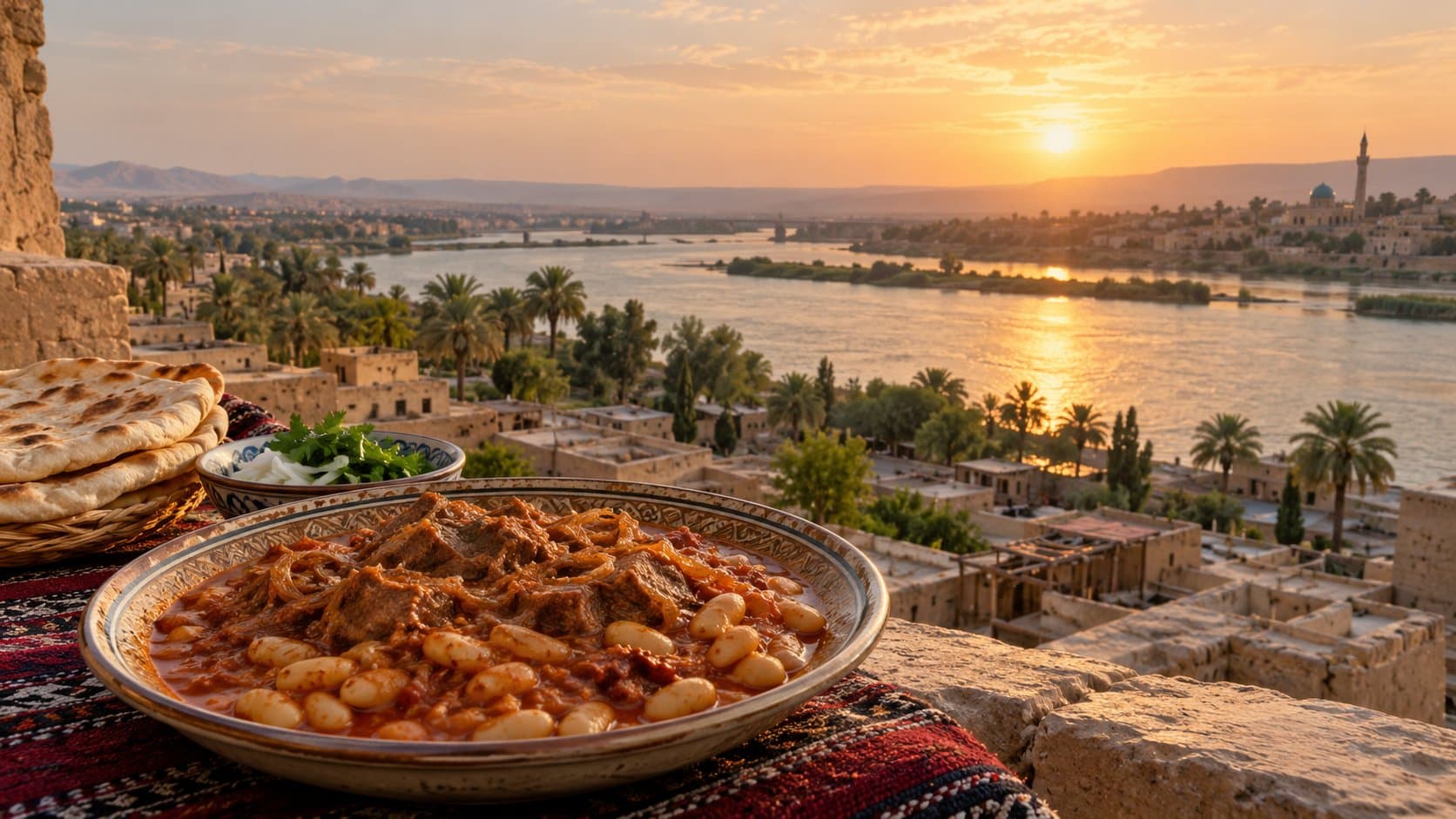
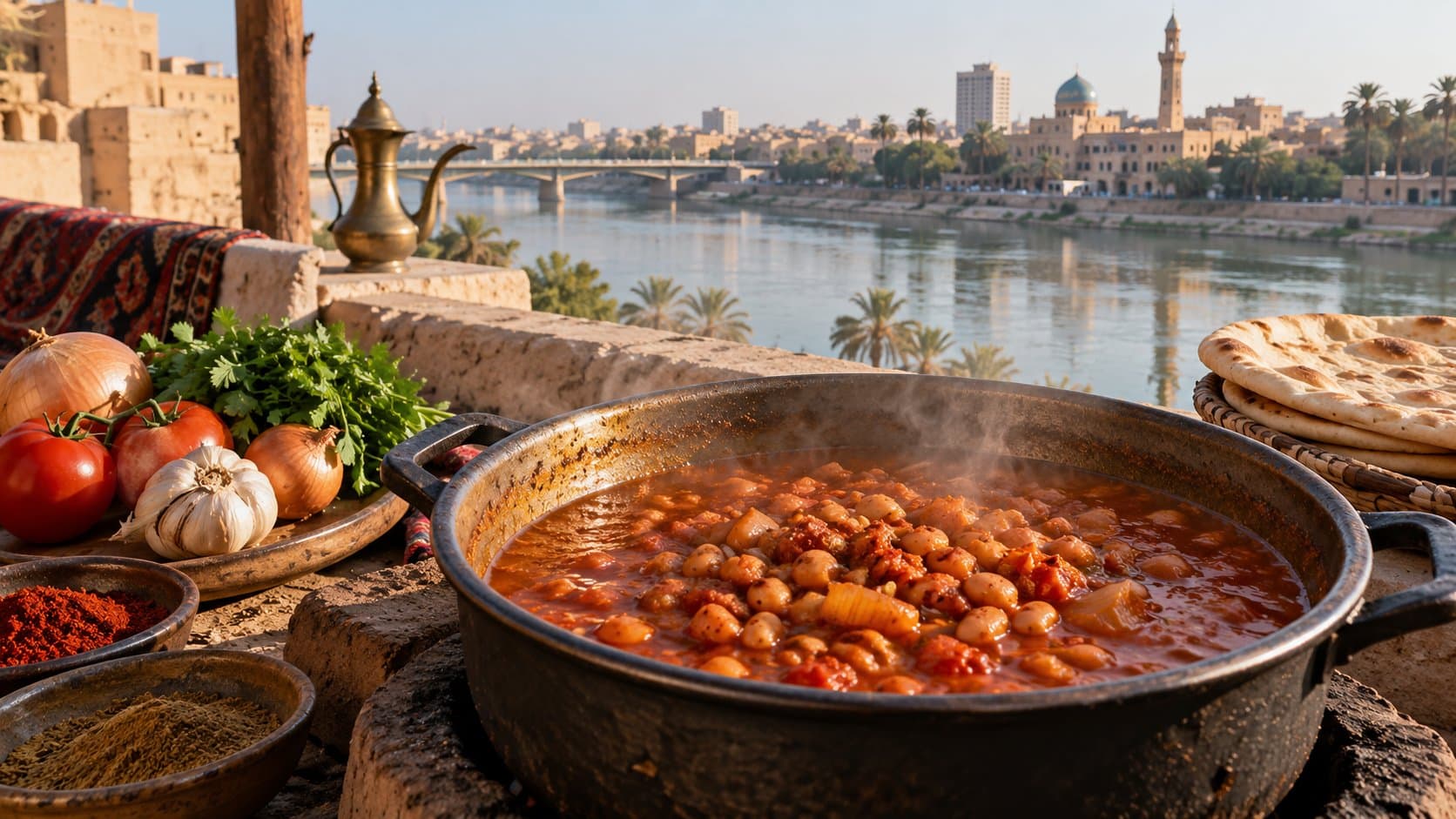
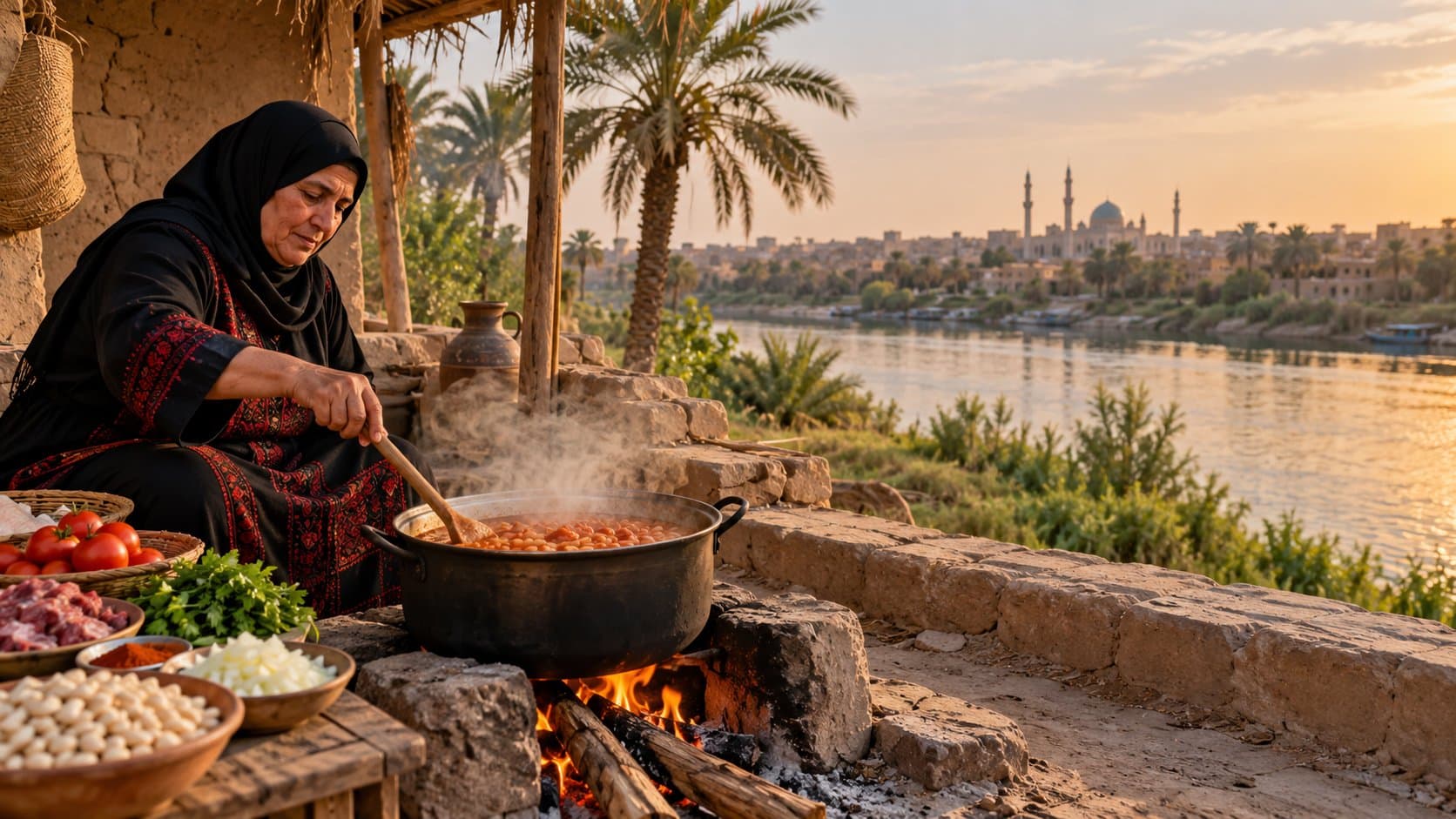
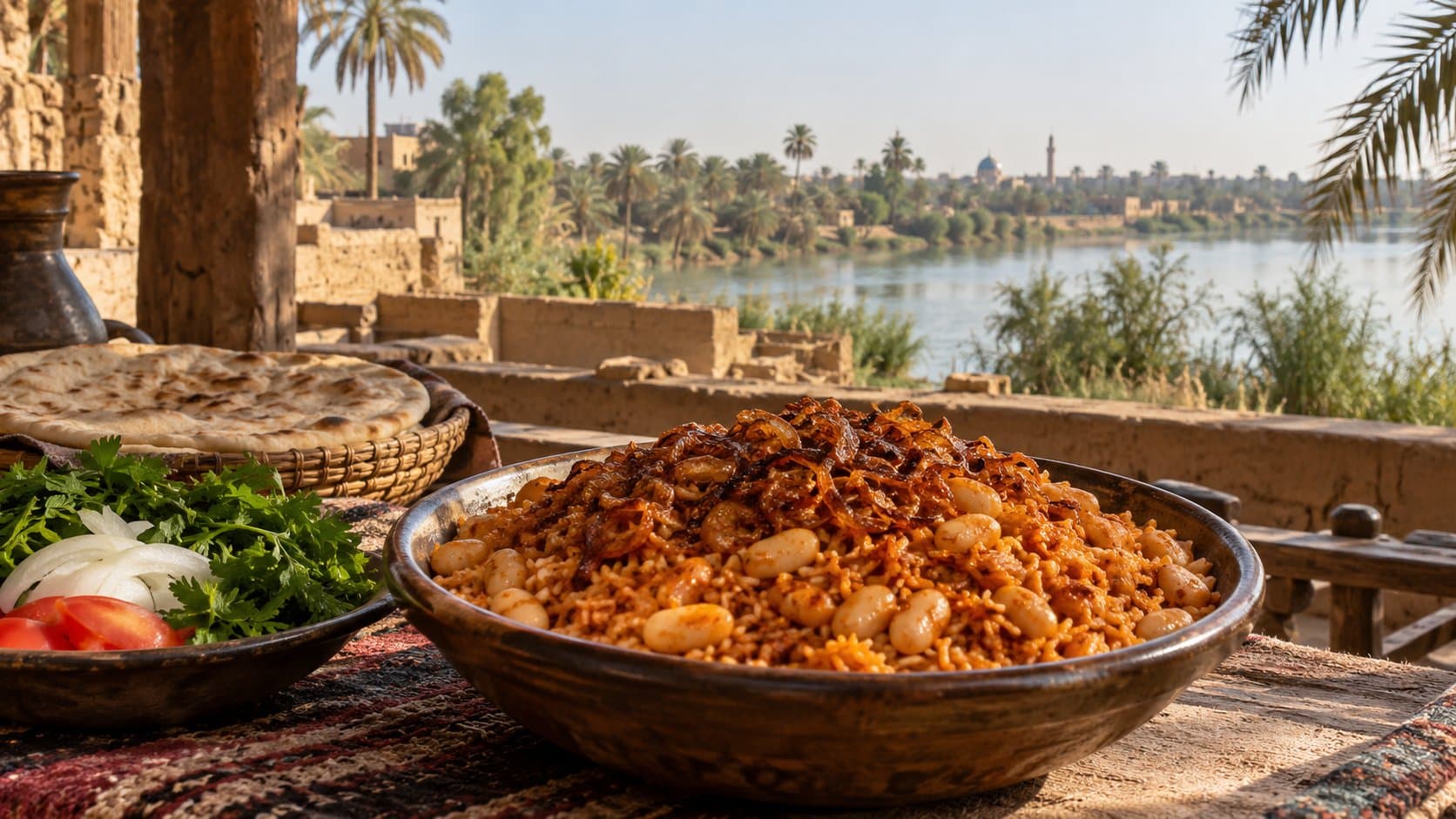
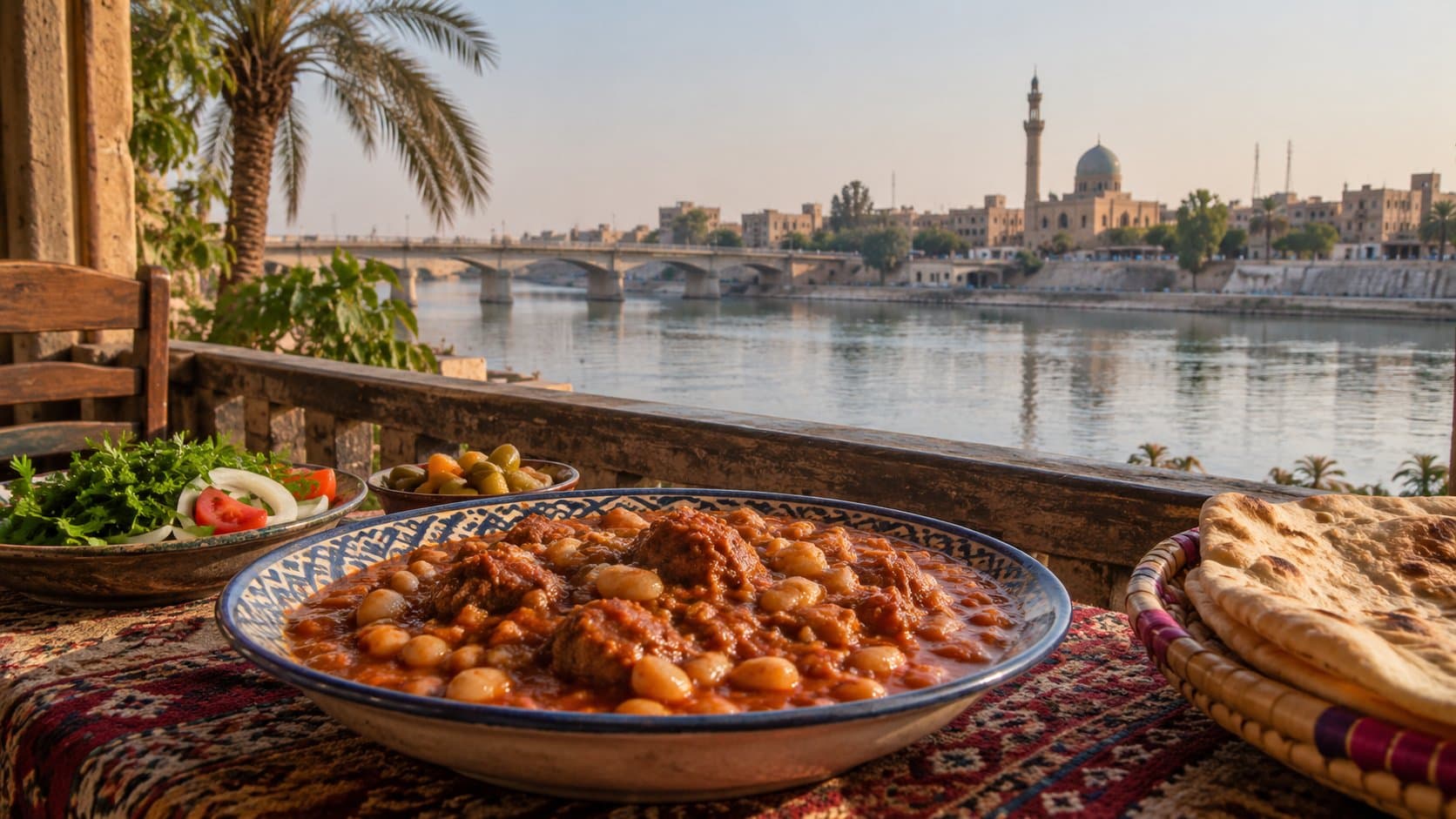
Across Iraqi households from Mosul to Basra, a pot of simmering fasolia yabsa anchors the everyday family table. Translating literally to "dry beans" in Arabic, this white bean stew is an essential staple of Iraqi home cooking. It turns basic pantry ingredients—dried pulses, browned meat, and caramelized tomato paste—into a thick, savory broth served over rice. Unlike holiday centerpieces reserved for banquets, fasolia yabsa is the dependable weekday lunch that generations of Iraqis return to after work or school. Its character comes from straightforward technique: allowing meat, beans, and aromatics to cook slowly together without heavy spice mixtures masking their flavor. {{image}} ## The Base of Iraqi Bean Stew Authentic fasolia yabsa relies on dried white beans, typically cannellini or white kidney beans. Home cooks soak the dry beans in cold water overnight or early in the morning. Soaking hydrates the pulses, promotes even cooking, and keeps their skins tender during braising. As culinary writer Amina Al-Saigh documents in her guide to [Fasolia Yabsa at Hungry Paprikas](https://www.hungrypaprikas.com/fasolia/), traditional Iraqi preparations favor restraint. Instead of competing spices, the dish draws depth from browned meat, softened onions, fried tomato paste, and the starches released by the beans. The stew relies on four basic elements: - **Dried White Beans:** Cannellini or white kidney beans turn tender and creamy while keeping their shape throughout the simmer. - **Meat Cuts:** Bone-in lamb, stewing veal, or beef shank add collagen, marrow, and body to the broth. - **Caramelized Tomato Base:** Tomato paste cooked directly in hot fat with onions and browned meat before liquid is added, creating a deep red sauce rather than a watery soup. - **Seasoning:** Salt and freshly ground black pepper form the base, sometimes finished with a pinch of Aleppo pepper or dried mint according to family preference. {{image}} ## Regional and Home Cooking Variations While the core recipe stays consistent, cooks across Iraq adapt fasolia yabsa to suit regional customs, time limits, and household budgets, as noted in culinary guides like [World Food's Fasolia Yabsa Recipe](https://world.food/recipes/iraq/fasolia-yabsa). ### Meat Selection Lamb remains the preferred choice in southern and central Iraq, where cuts like lamb neck, shanks, or chops enrich the sauce with marrow. In everyday urban cooking, cubed beef shank or lean veal are standard. On busy weeknights, cooks sometimes use bone-in chicken pieces or small seasoned meatballs instead. ### Meatless Preparations For a simpler meal or fasting periods, cooks make *fasolia yabsa bila laham* (without meat). In these versions, cooks often increase the quantity of diced onions, sauté garlic and coriander in olive oil or ghee, and simmer the beans in vegetable broth. A squeeze of fresh lemon juice or a pinch of ground dried black lime (*noomi basra*) is often added toward the end to bring acidity to the tomato sauce. ### Cooking Methods Fasolia yabsa traditionally simmers on a low stovetop flame for two to three hours until the meat yields completely. Modern cooks regularly use pressure cookers to tenderize soaked beans and meat in under forty minutes. When working on tight schedules, rinsed canned white beans can substitute for dry pulses; cooks fold them into the pot for the final twenty to thirty minutes of cooking so they absorb the savory sauce without breaking apart. {{image}} ## The Essential Accompaniment: Timman Iraqi stews are eaten over a bed of rice, known locally as *timman*. The combination of legumes and grains supplies balanced nutrition and defines the structure of the midday meal. The standard pairing for fasolia yabsa is vermicelli rice (*timman bil sha'riyeh*). As explained in culinary guides like [Arabic Rice with Vermicelli by Hungry Paprikas](https://www.hungrypaprikas.com/arabic-rice-with-vermicelli/), the dish starts by frying fine vermicelli noodles in oil or clarified butter until golden brown. Washed long-grain basmati rice is stirred into the toasted noodles and steamed in broth until every grain separates cleanly. In southern Iraq, cooks frequently pair the stew with *timman ambar*, an aromatic short-to-medium grain rice grown along the Euphrates river basin, as highlighted in profiles of [Timman Anbari Pilaf at World Food](https://world.food/recipes/iraq/timman-anbari). The natural perfume of Amber rice balances the acidity and savory weight of the tomato-bean sauce. {{image}} ## Serving and Table Traditions Fasolia yabsa is served piping hot, ladled into deep bowls or poured straight over a platter of vermicelli rice. A traditional table includes fresh garnishes and condiments to cut through the stew's richness: - **Raw Alliums:** Whole green onions (scallions) or fresh leeks eaten raw alongside each spoonful for crisp bite. - **Fresh Herbs:** Plates of mint, watercress, and flat-leaf parsley. - **Pickles and Yogurt:** Tangy pickled turnips in beet brine, mixed Iraqi pickles (*torshi*), or salted yogurt drink (*laban*). - **Khubz:** Fresh flatbread torn by hand to gather remaining sauce and beans from the plate. Cooked in a traditional stockpot on a quiet morning or pulled together in a pressure cooker after work, fasolia yabsa remains a foundational element of everyday Iraqi dining. ```json { "faqs": [ { "id": "faq-1", "question": "What does the name fasolia yabsa mean?", "answer": "Fasolia yabsa translates directly from Arabic as 'dry beans,' referring to dried white beans that are soaked and simmered into a thick stew rather than fresh green beans." }, { "id": "faq-2", "question": "What type of white beans are best for Iraqi fasolia yabsa?", "answer": "Cannellini beans or white kidney beans are the preferred choices because they become creamy and tender during braising while keeping their skins intact without turning mushy." }, { "id": "faq-3", "question": "Can fasolia yabsa be made with canned beans?", "answer": "Yes. While dried soaked beans provide richer texture and deeper flavor, rinsed canned white beans can be added during the final 20 to 30 minutes of cooking once the meat is already tender." }, { "id": "faq-4", "question": "What kind of rice is traditionally served with fasolia yabsa?", "answer": "It is most commonly served over timman bil sha'riyeh (vermicelli rice made with long-grain basmati) or fragrant Iraqi heritage Amber rice (timman ambar)." }, { "id": "faq-5", "question": "Can Iraqi white bean stew be made vegetarian?", "answer": "Yes. To prepare meatless fasolia yabsa, omit the meat, increase the onions for natural sweetness, sauté minced garlic and coriander, and use vegetable broth instead of plain water." }, { "id": "faq-6", "question": "What sides and garnishes accompany an Iraqi fasolia yabsa lunch?", "answer": "A traditional table spread includes crisp raw green onions, fresh herbs like mint and watercress, Iraqi pickled vegetables (torshi), cold plain yogurt, and fresh flatbread (khubz)." } ] } ``` ## Sources - **Hungry Paprikas**: *Fasolia Yabsa (Iraqi White Bean Stew)*, [https://www.hungrypaprikas.com/fasolia/](https://www.hungrypaprikas.com/fasolia/), accessed April 2026. - **World Food**: *Fasolia Yabsa — Iraqi White Bean Stew*, [https://world.food/recipes/iraq/fasolia-yabsa](https://world.food/recipes/iraq/fasolia-yabsa), accessed April 2026. - **Hungry Paprikas**: *Arabic Rice with Vermicelli (Riz Bil Sha’riyeh)*, [https://www.hungrypaprikas.com/arabic-rice-with-vermicelli/](https://www.hungrypaprikas.com/arabic-rice-with-vermicelli/), accessed April 2026. - **World Food**: *Timman Anbari (Iraqi Rice Pilaf with Crispy Crust)*, [https://world.food/recipes/iraq/timman-anbari](https://world.food/recipes/iraq/timman-anbari), accessed April 2026.