Al-Mutanabbi Street is the cultural heartbeat of Baghdad, a historic book market spanning centuries. It symbolizes intellectual and literary freedom, hosting ancient libraries and historic cafes like Al-Shahbandar.
Al-Mutanabbi Street in Baghdad is more than just a book market; it is the "intellectual soul of Baghdad" and a center of light radiating since the Abbasid era. Named after the famous poet Abu al-Tayyib al-Mutanabbi, it is globally known for the saying: "Cairo writes, Beirut prints, and Baghdad reads" [1].
What is Al-Mutanabbi Street like for a visitor?
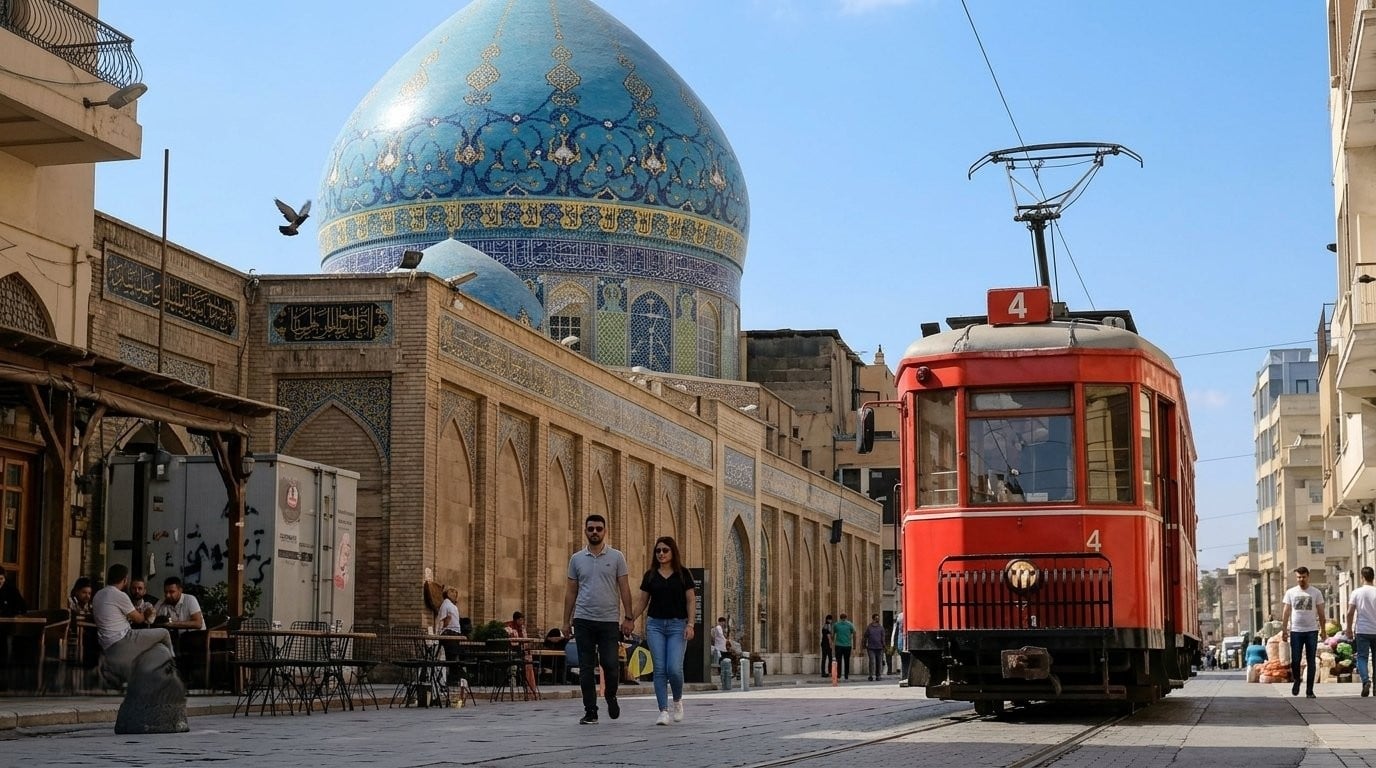
As soon as you enter the street, you are greeted by the scent of old paper and Arabic coffee. The narrow street is bustling with libraries displaying treasures of literature, history, and philosophy. The display is not limited to shelves but extends to the sidewalks where vendors spread their books in a unique scene reflecting the passion of Baghdadis for reading [2].
When is the best time to visit?
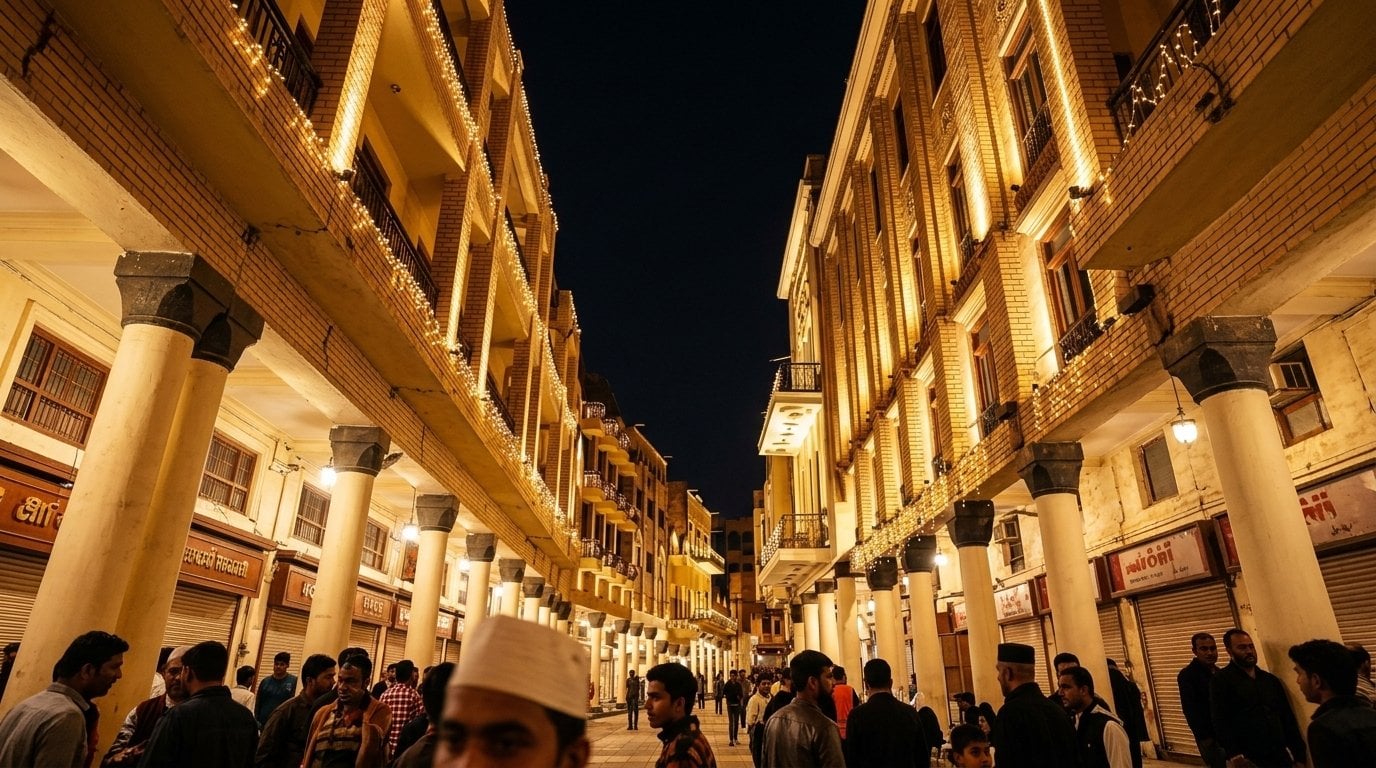
Friday is the true peak of activity on Al-Mutanabbi Street. Visitors begin to gather from early morning, as the street transforms into an open cultural festival. Seasonally, Spring and Autumn are the best times to avoid the intense summer heat of Baghdad [3]. Additionally, Ramadan nights add a special charm to the place after Iftar.
How do I get to Al-Mutanabbi Street?
The street is located in the old Rusafa district near the Qishla area. It can be easily reached via taxis or buses headed to the Bab al-Muadham or Al-Midan area. Due to congestion, it is preferable to get off at the nearest point and walk a short distance to enjoy the surrounding historic views [4].
What are the most prominent landmarks and activities?
- Al-Shahbandar Cafe: Founded in 1917, it is the most famous cultural cafe in Iraq, where writers and intellectuals gather [1].
- Al-Qishla Building: A historic Ottoman building featuring a large courtyard and a famous clock; art and cultural events are held there every Friday [5].
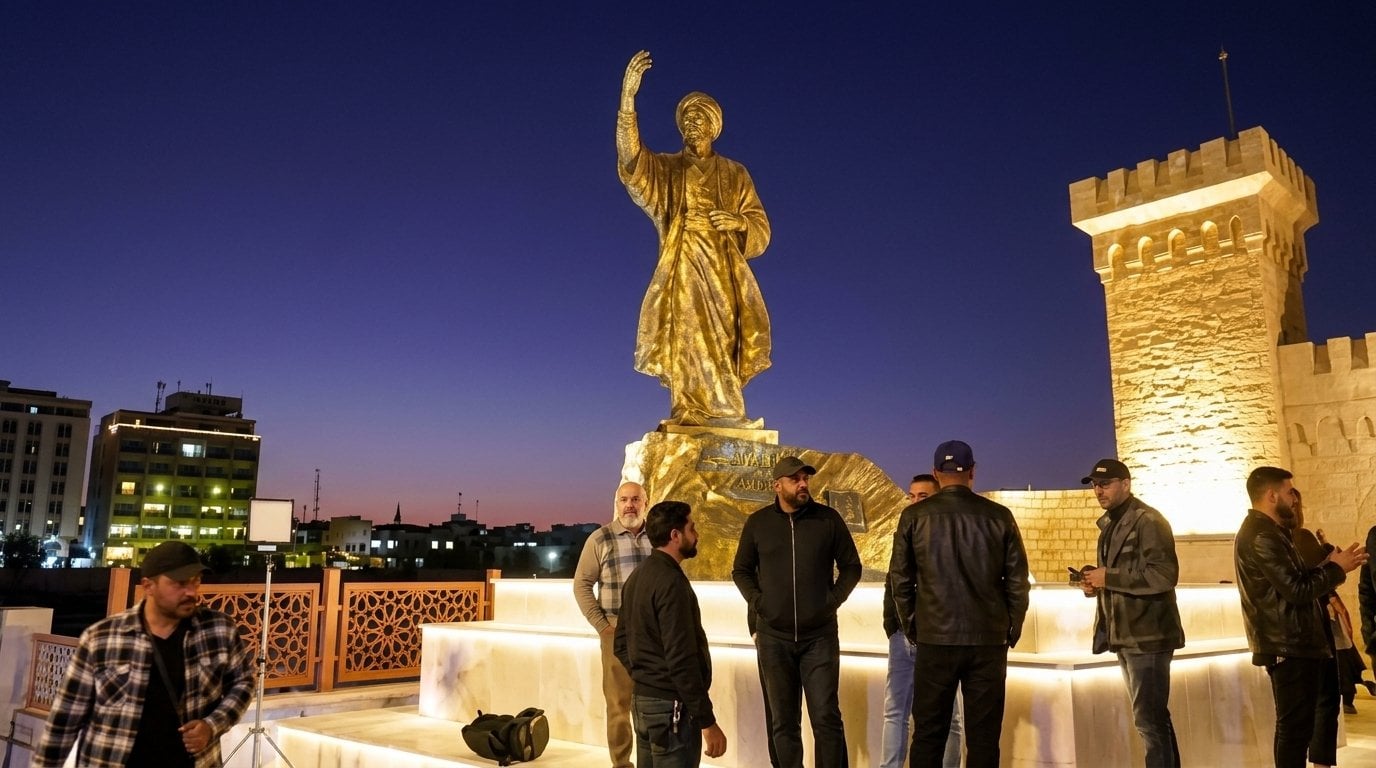
- Al-Mutanabbi Statue: Located at the end of the street overlooking the Tigris River, it is a favorite spot for taking commemorative photos.
- Boat Tours: You can take a "Balam" (small boat) from the street's bank on the Tigris River to cross to the Karkh side or enjoy a river tour.
Security and Practical Tips
- Photography: Generally allowed and welcomed, but it is always preferable to ask for permission before directly photographing people.
- Dress Code: Casual clothing is completely acceptable, but it is always preferable to respect the general character of the old district.
- Bargaining: Do not hesitate to bargain over book prices, especially at external stalls; the sellers here love cultural dialogue as much as they love selling [2].
Sources
- Wikipedia — https://ar.wikipedia.org/wiki/شارع_المتنبي
- Bayt Al Fann — https://www.baytalfann.com/post/al-mutanabbi-street-baghdad
- Wander Iraq — https://wanderiraq.com/baghdad-guide
- Travel Setu — https://travelsetu.com/guide/al-mutanabbi-street-tourism
- Anadolu Agency — https://www.aa.com.tr/ar/reports/al-mutanabbi-street-baghdad/2462479
Gallery

❓Frequently Asked Questions
Here are answers to frequently asked questions about the content above
Yes, bookstores open throughout the week, but the cultural activity and outdoor stalls reach their peak on Friday only.
It is located at the end of Al-Mutanabbi Street near the entrance to the Qishla area.
Yes, you can find books in English, French, and some other languages, especially in large bookstores.
Entry to the Qishla area and its historic courtyards is open to the public and is usually free or for a very nominal fee.
Yes, the area is very lively and contains security checkpoints, and Al-Mutanabbi Street is considered one of the most welcoming areas for visitors.
In addition to Al-Shahbandar Cafe, there are many traditional restaurants in the nearby Saray Market offering kebabs and Baghdadi cuisine.