Discover Barzan in northern Erbil: historic Kurdish tribal sanctuary, the Barzani National Memorial, and pristine Zagros river valleys protected by a century-old conservation code.
Barzan: Village History, Memorial Heritage, and Pristine River Valleys in Erbil Governorate
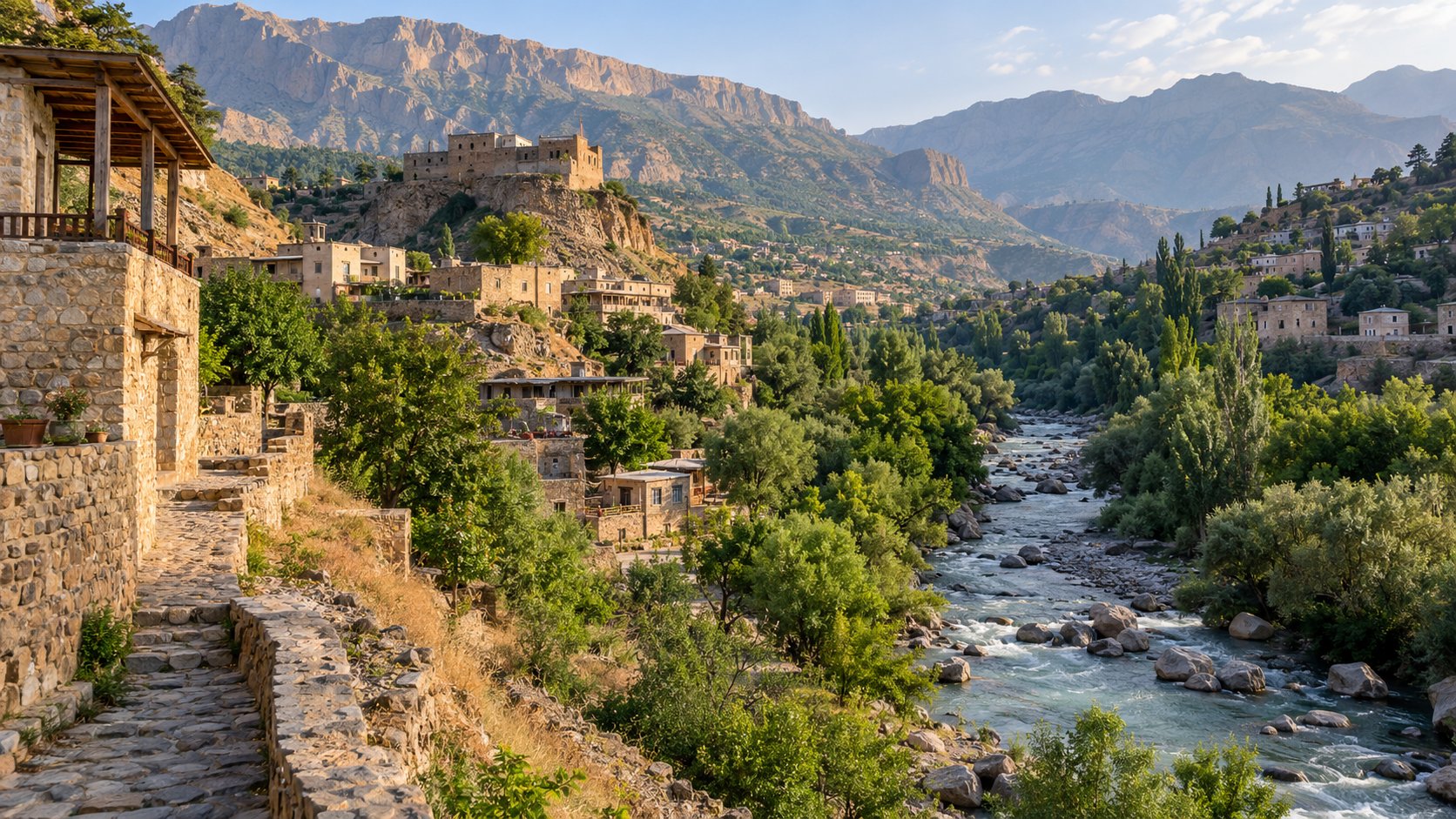
Perched along the limestone ridges of northern Iraqi Kurdistan, the village of Barzan (Kurdish: بارزان) anchors the history, politics, and ecology of the surrounding Zagros Mountains. Overlooking the Great Zab River in Mergasor District of Erbil Governorate, Barzan is the ancestral home of the Barzani tribe and the birthplace of Kurdish leader Mustafa Barzani. For travellers in northern Iraq, the area pairs alpine river scenery with a century-old tradition of community conservation and the modern Barzani National Memorial.
Village Origins and Regional History
Recorded in Ottoman chronicles alongside the principality of Badinan and Zêbari tribal territories, Barzan grew into a spiritual sanctuary during the nineteenth century. Under local Naqshbandi Sufi sheikhs, the village served as a tekkeyeh (gathering center) offering rural families arbitration, mutual protection, and community support.
In the twentieth century, Barzan stood at the center of Kurdish resistance against British mandatory forces and Baghdad's central authorities. Sheikh Ahmed Barzani led the 1931–1932 Ahmed Barzani revolt, opposing attempts to disarm mountain tribes and enforce central administrative control. His younger brother, Mustafa Barzani, later co-founded the Kurdistan Democratic Party (KDP) and led Kurdish armed resistance through decades of conflict and exile.
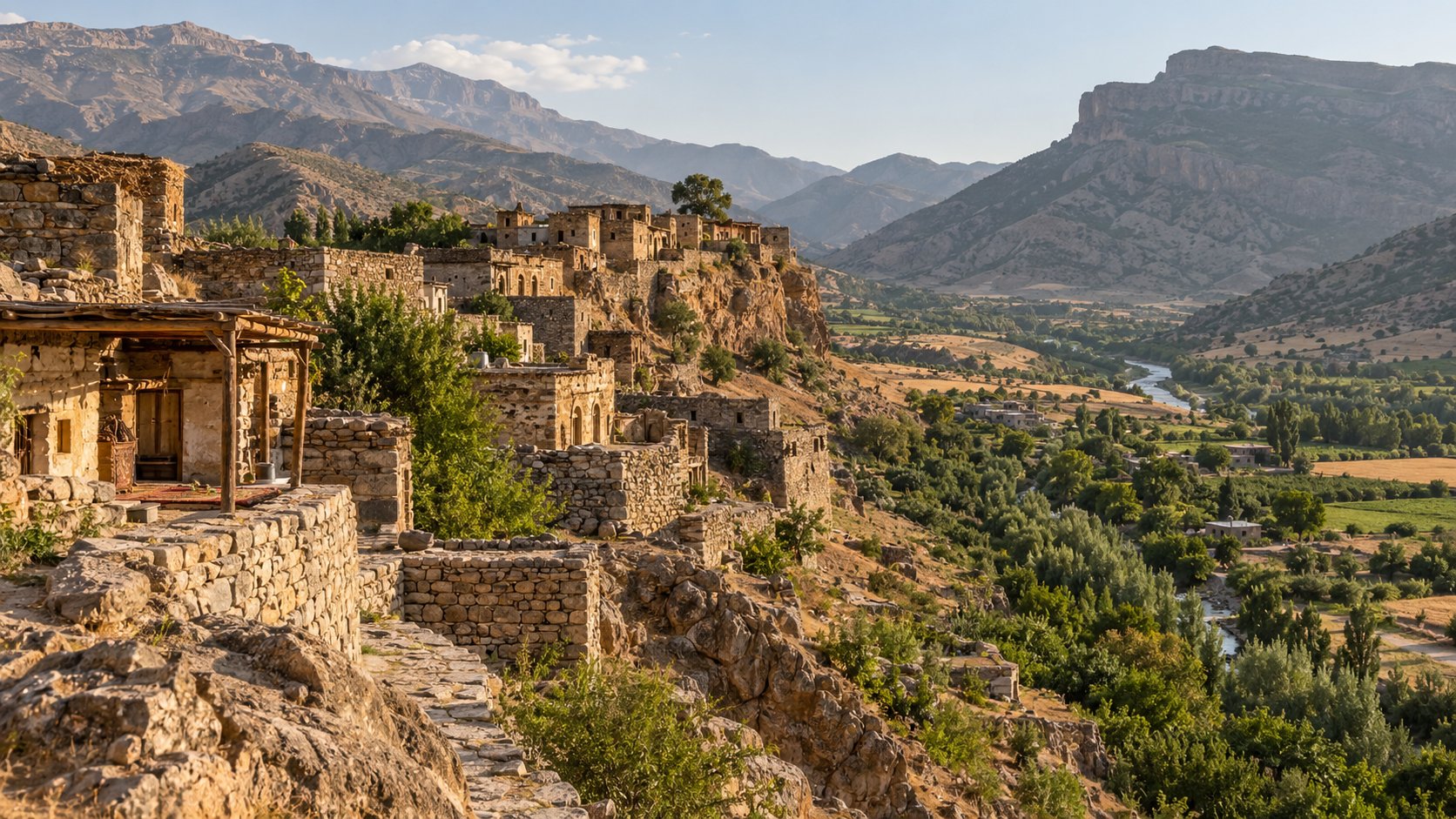
Under the Ba'athist regime, the community suffered severe reprisals. In July and August 1983, Iraqi forces rounded up roughly 8,000 Barzani men and teenage boys from resettlement camps near Erbil, executing them in the southern desert—an operation preceding the 1988 Anfal campaign. Iraqi troops dynamited Barzan and bulldozed its orchards. Following the creation of the autonomous Kurdistan Region in the 1990s, families returned to rebuild their stone homes, reforest the hillsides, and construct memorials.
The Barzani National Memorial
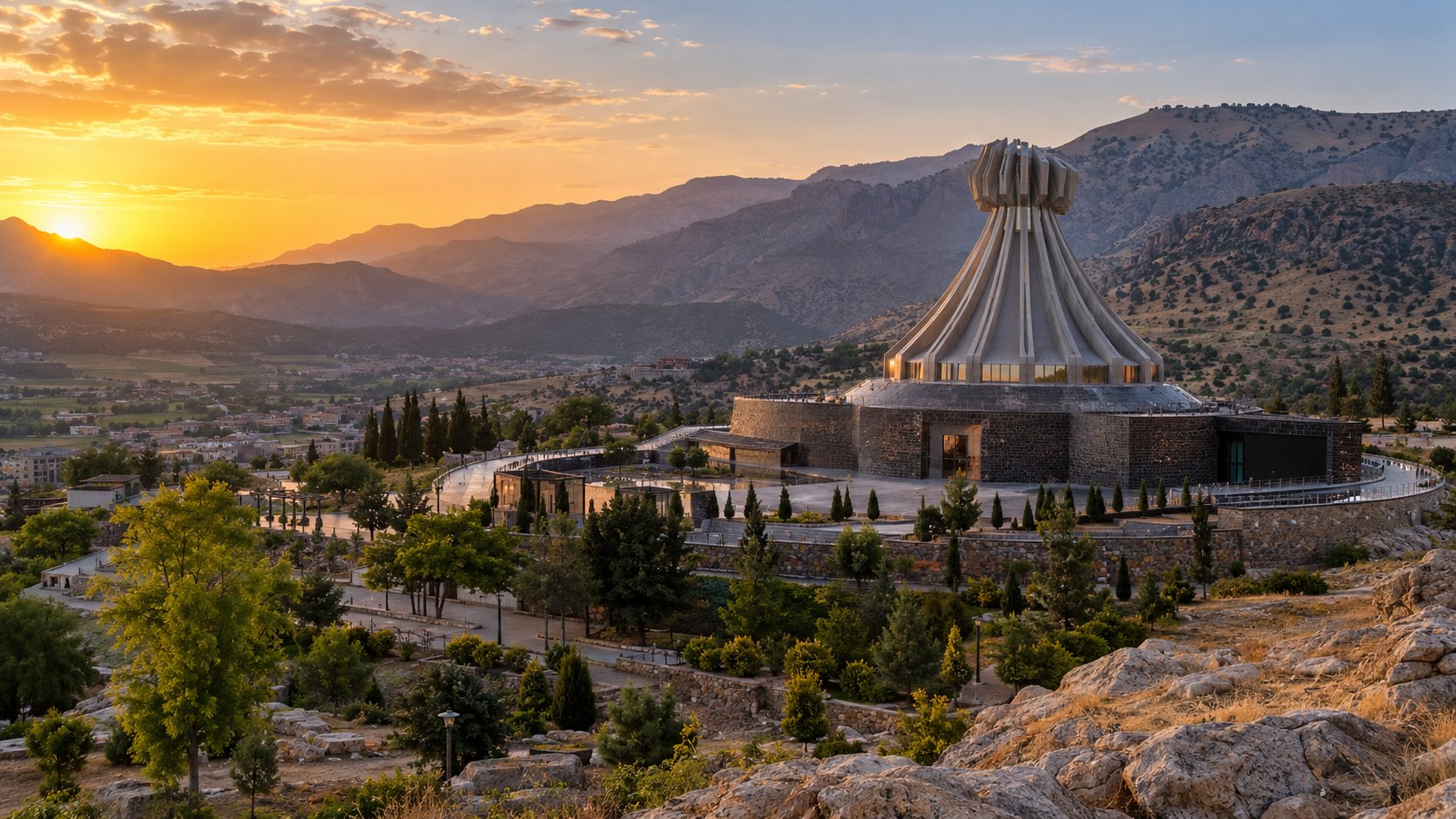
In May 2023, the Kurdistan Regional Government opened the Barzani National Memorial (BNM) on a hillside overlooking the Great Zab valley. The complex commemorates Mustafa Barzani and his son Idris Barzani alongside fallen Peshmerga fighters and civilian victims of the 1983 executions.
Key features of the site include:
- Architecture: The museum exterior uses rough-hewn stone resembling Zagros limestone cliffs. Three white domes rise above the main structure, symbolizing peace, coexistence, and unity.
- Unmarked Graves: At Mustafa Barzani's request, his grave remains simple and unmarked, as does the adjacent grave of Idris Barzani, honoring the unadorned mountain burials of Peshmerga fighters.
- Museum and Cave Exhibit: The BNM Museum displays historical photographs, diplomatic correspondence, and personal belongings. A full-scale replica cave recreates the mountain shelters used as field command posts during aerial bombardments.
- Research Library: The memorial houses an archive and library focused on modern Kurdish history and regional records.
Sheikh Ahmed's Conservation Code
Barzan maintains far denser tree cover and healthier wildlife populations than most neighboring valleys. This landscape reflects an indigenous environmental code established in the 1920s and 1930s by Sheikh Ahmed Barzani. Drawing on Naqshbandi principles of land stewardship, he issued decrees that became binding local custom:
- Protecting Live Trees: Cutting living trees—especially Brant's oak (Quercus brantii)—was banned. Residents collected only dead wood for winter heating.
- Hunting Limits: Hunting during spring and summer breeding seasons was prohibited. Hunters could not target pregnant animals or wait near watering holes.
- River Protection: Poison, dynamite, and small-mesh nets were barred in the Great Zab and mountain creeks to protect native trout.
- Wildlife Protection: Harming non-threatening animals, including snakes and nesting birds, was prohibited, as was raiding wild beehives.
After returning in the 1990s, residents reinstated these community rules. Today, the surrounding ridges support wild Bezoar ibex (Capra aegagrus), brown bears, rare Eurasian lynx, eagles, and occasional Persian leopards. Spring brings blooms of wild rhubarb, native orchids, and imperial fritillaries (gulşilêr).
Travel Logistics
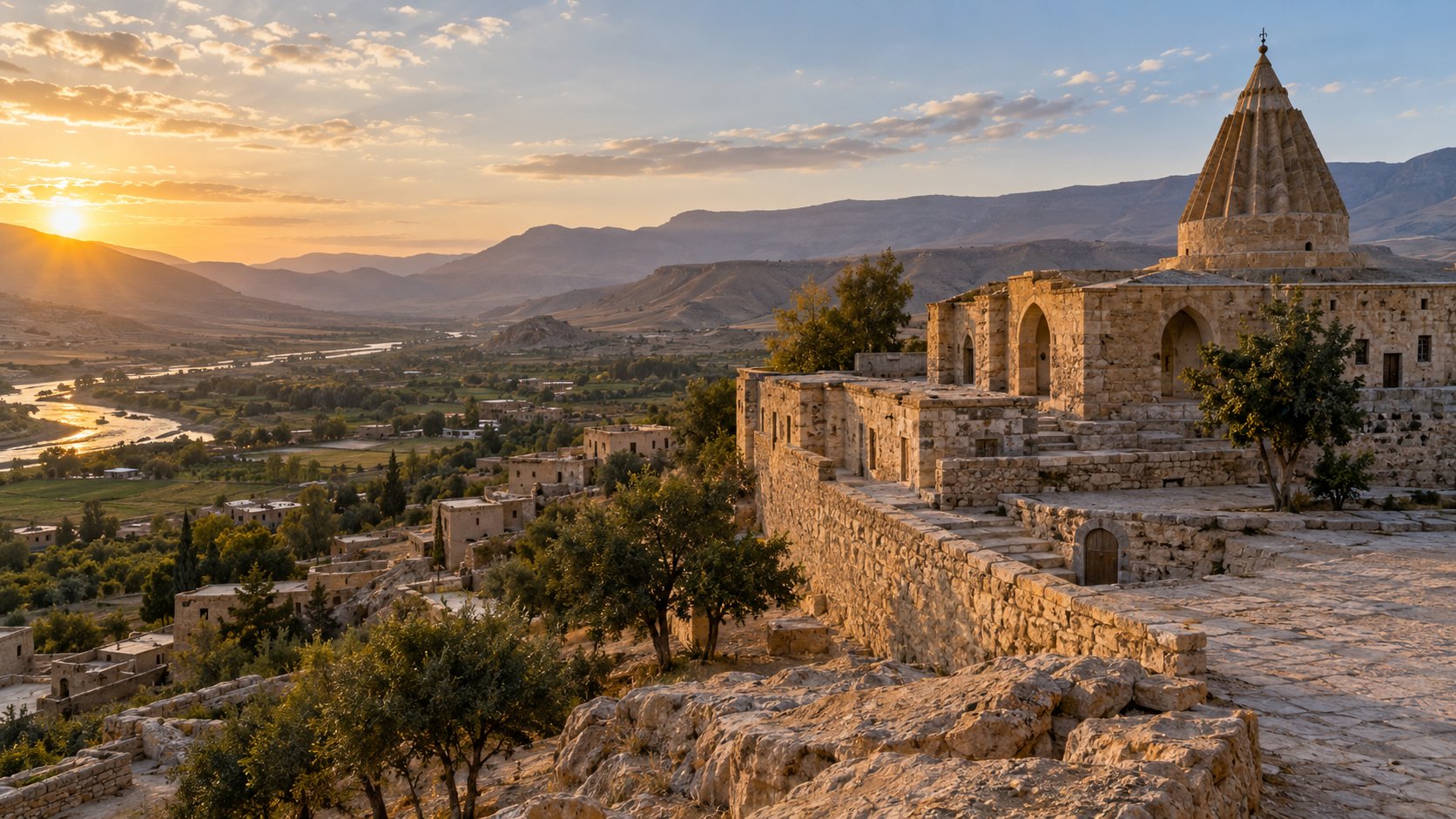
Barzan welcomes independent travellers and guided groups visiting northern Iraqi Kurdistan.
Getting There
Barzan sits roughly 150 kilometres north of Erbil.
- Private Car or Taxi: The drive follows the main northern highway through Shaqlawa, Harir, and Soran before branching into Mergasor District. The trip takes 2.5 to 3.5 hours on paved, winding roads along the river gorges.
- Nearby Stops: Visitors often combine Barzan with Shanidar Cave (the major Neanderthal archaeological site roughly 30 minutes away in the Bradost mountains), Gali Ali Beg waterfall, and the canyons along the historic Hamilton Road.
Checkpoints and Documentation
Mergasor District requires passing standard Asayish (Kurdish security) checkpoints.
- Carry your original passport with an active Kurdistan Region or Federal Iraq visa/entry stamp.
- Keep printed paper copies of your passport photo page and visa stamp in the car; checkpoint officers frequently collect paper copies from foreign drivers.
Local Etiquette
Given Barzan's historical role and the presence of memorial cemeteries:
- Modest Dress: Wear clothing that covers shoulders and knees when visiting the village, memorial grounds, and cemeteries.
- Photography: Photography is welcome outdoors around the memorial complex and along the river valley. Do not photograph security personnel, military vehicles, or checkpoint booths.
- Conservation Rules: Stay on marked paths, pack out all litter, and do not pick wild plants or disturb wildlife.
Sources
- Barzani National Memorial (BNM), "Barzani National Memorial Official Portal & Museum Overview", https://bnm.krd/, Accessed: 2025-05-18.
- Barzani National Memorial (BNM), "Museum Features and The Cave Room", https://bnm.krd/museum-2/, Accessed: 2025-05-18.
- Kurdistan24, "The Sanctuaries of Spring: Ecology and Memory in the Mountains of Kurdistan", https://www.kurdistan24.net/en/story/905603, Accessed: 2025-05-18.
- Erbil Governorate Official Portal, "Barzani National Memorial inaugurated", https://www.erbil.gov.krd/app/en/node/6095, Accessed: 2025-05-18.
- Wikipedia (The Free Encyclopedia), "Barzan, Iraq", https://en.wikipedia.org/wiki/Barzan,_Iraq, Accessed: 2025-05-18.
- Wikipedia (The Free Encyclopedia), "Ahmed Barzani", https://en.wikipedia.org/wiki/Ahmed_Barzani, Accessed: 2025-05-18.
- Wikipedia (The Free Encyclopedia), "Mustafa Barzani", https://en.wikipedia.org/wiki/Mustafa_Barzani, Accessed: 2025-05-18.
- Wikipedia (The Free Encyclopedia), "Shanidar Cave", https://en.wikipedia.org/wiki/Shanidar_Cave, Accessed: 2025-05-18.
❓Frequently Asked Questions
Here are answers to frequently asked questions about the content above
Barzan is situated along the northern bank of the Great Zab River in Mergasor District, within the northern Erbil Governorate of the autonomous Kurdistan Region in Iraq.
Inaugurated in May 2023, the Barzani National Memorial (BNM) is a cultural complex in Barzan featuring an archival museum, a replica cave command post, research facilities, and the unmarked graves of Mustafa Barzani and his son Idris.
In the 1920s and 1930s, Sheikh Ahmed Barzani instituted strict customary conservation laws banning the felling of living oak trees, unseasonal hunting, and dynamite fishing—rules that local communities continue to uphold today.
The 150-kilometre drive from Erbil to Barzan via Shaqlawa and Soran takes approximately 2.5 to 3.5 hours on paved mountain highways.
Foreign visitors must carry their original passport with an active Kurdistan Region or Federal Iraq visa, along with paper passport copies to facilitate quick registration at Asayish checkpoints.
Barzan can be easily combined with visits to Shanidar Cave in the Bradost mountains, Gali Ali Beg waterfall, and the dramatic canyons of Rawandiz along the historic Hamilton Road.