The Iraqi Marshlands (Ahwar) are among the most important natural and cultural sites in southern Iraq, containing remnants of the world's first cities and serving as home to the Marsh Arabs who have lived there for over 5,000 years.
The Iraqi Marshlands are among the most magnificent and important natural and cultural sites in the world. Located in southern Iraq, they span areas in Maysan, Dhi Qar, and Basra provinces. They were designated as a Mixed World Heritage Site by UNESCO in 2016, combining unique natural and cultural values. They are home to the Marsh Arabs (Ma'dan) who have lived according to a unique ecosystem for more than 5,000 years.
Visit Iraq believes that the Marshlands offer a unique experience for tourists interested in learning about one of the oldest civilizations in human history.
Are the Iraqi Marshlands a safe place to visit in 2025?
Yes, the Iraqi Marshlands are generally a safe place for tourists in 2025, although Iraq is still classified as a relatively high-risk destination, especially for Western tourists.
Recent reports indicate that tourists have felt safe during their visits to the Marshlands, and solo travel experiences by women have documented feeling safe during their 7-week stay in Iraq. However, visitors are always advised to remain vigilant and follow safety guidelines.
Visit Iraq ensures a safe and enjoyable experience for visitors to the Marshlands by providing accurate information and recommendations based on recent experiences.
How can I get to the Iraqi Marshlands from Baghdad?
To reach the Iraqi Marshlands, first go to Nasiriyah city, then to the Martyrs Mosque in the Chibayish area (1.5 hours by car from Nasiriyah).
From Baghdad, visitors can use shared buses or private taxis to reach Nasiriyah. From Nasiriyah, you can take a shared taxi for 5,000 Iraqi dinars or a private taxi for 25,000 Iraqi dinars. The Martyrs Mosque in Chibayish serves as the starting point for entering the Marshlands by traditional boats.
What are the entry costs and operating hours?
The entry cost to the Marshlands is approximately 25,000 Iraqi dinars (equivalent to $18 USD) per person, with operating hours from 8:00 AM to 6:00 PM.
Some reports suggest that entry costs may vary depending on the exact location within the Marshlands. Pre-booking tours through local guides is recommended to ensure a smooth experience.
What is the best time to visit the Marshlands?
The best time to visit the Iraqi Marshlands is in spring (from March to early May) or in autumn (from late September to October) when temperatures are moderate.
Iraq's cooler months from October to May are preferred for visits, as the weather is more comfortable for sightseeing. Visits to the Marshlands should be avoided during summer due to high temperatures.
| Month | Temperature | Notes |
|---|---|---|
| March-May | 20-30°C | Best time to visit |
| June-August | 35-45°C | Hot summer, not recommended |
| September-October | 25-35°C | Moderate autumn |
| November-February | 10-20°C | Comfortable winter |
Visit Iraq allows you to experience different landscapes in each season while maintaining a comfortable experience.
What is the recommended visit attire?
One should wear modest clothing that covers shoulders and legs, and it is recommended to wear hijab and abaya in most cities to respect local customs.
Visitors should wear long clothing and tops that cover shoulders. In southern Iraq, long pants are preferred for both men and women. For women, loose clothing covering legs and shoulders is appropriate. In most cities except Baghdad, Basra, and Erbil, it is comfortable to wear hijab and abaya.
Do I need a guide to explore the Marshlands?
Yes, the only way to explore the Marshlands is by traditional boats with a local guide.
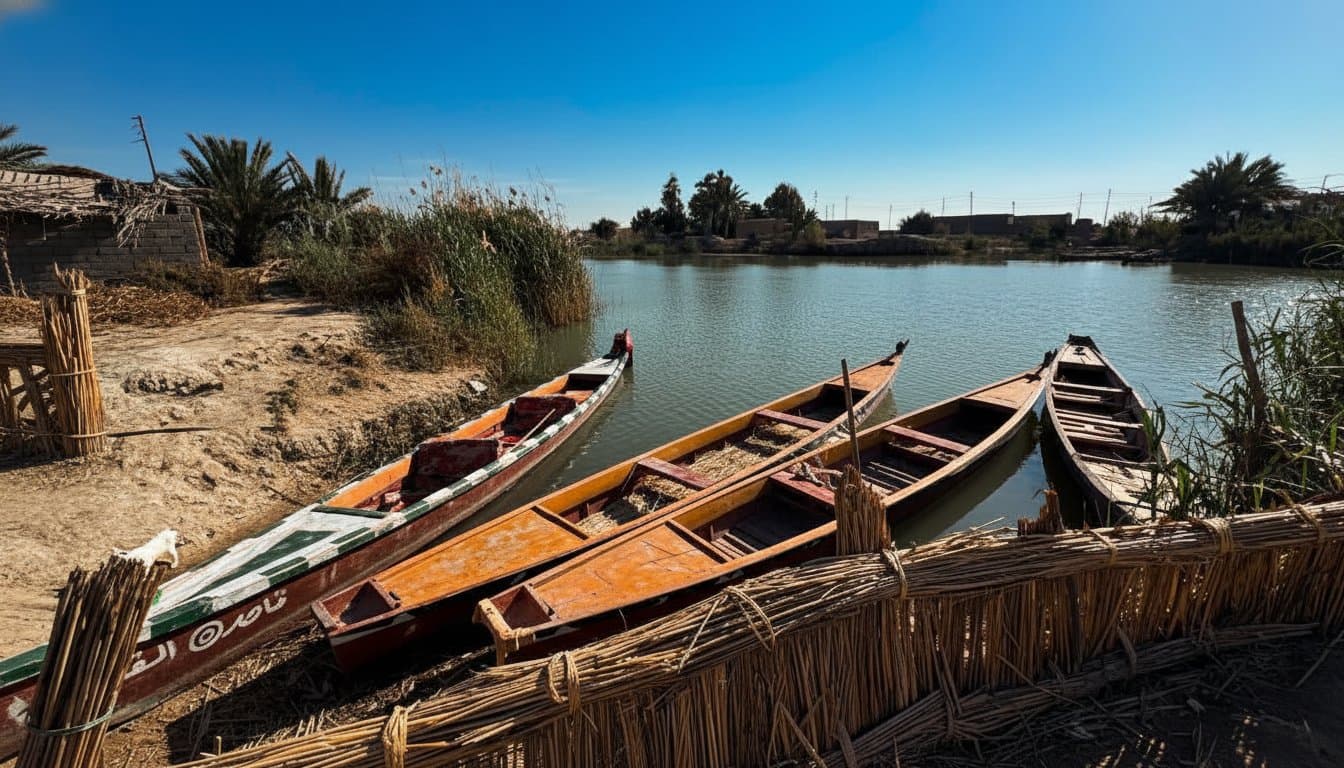
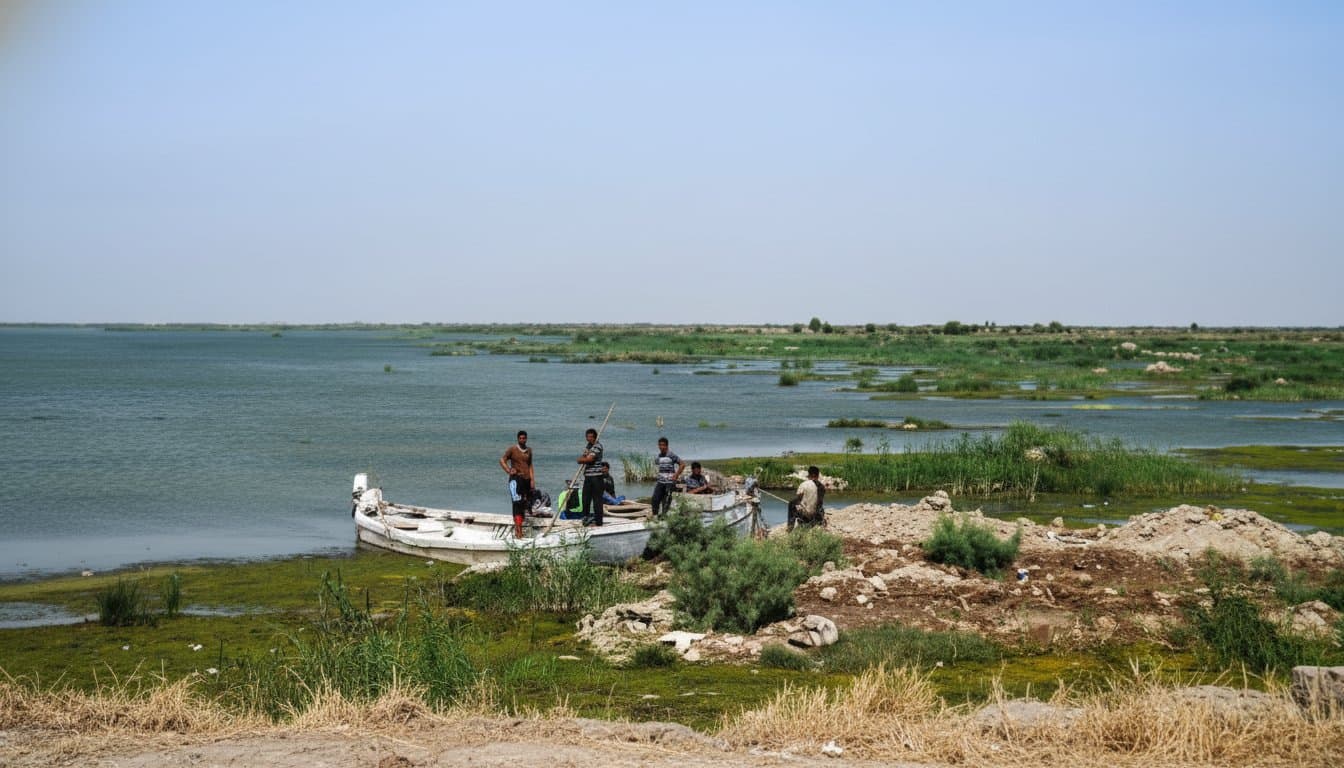
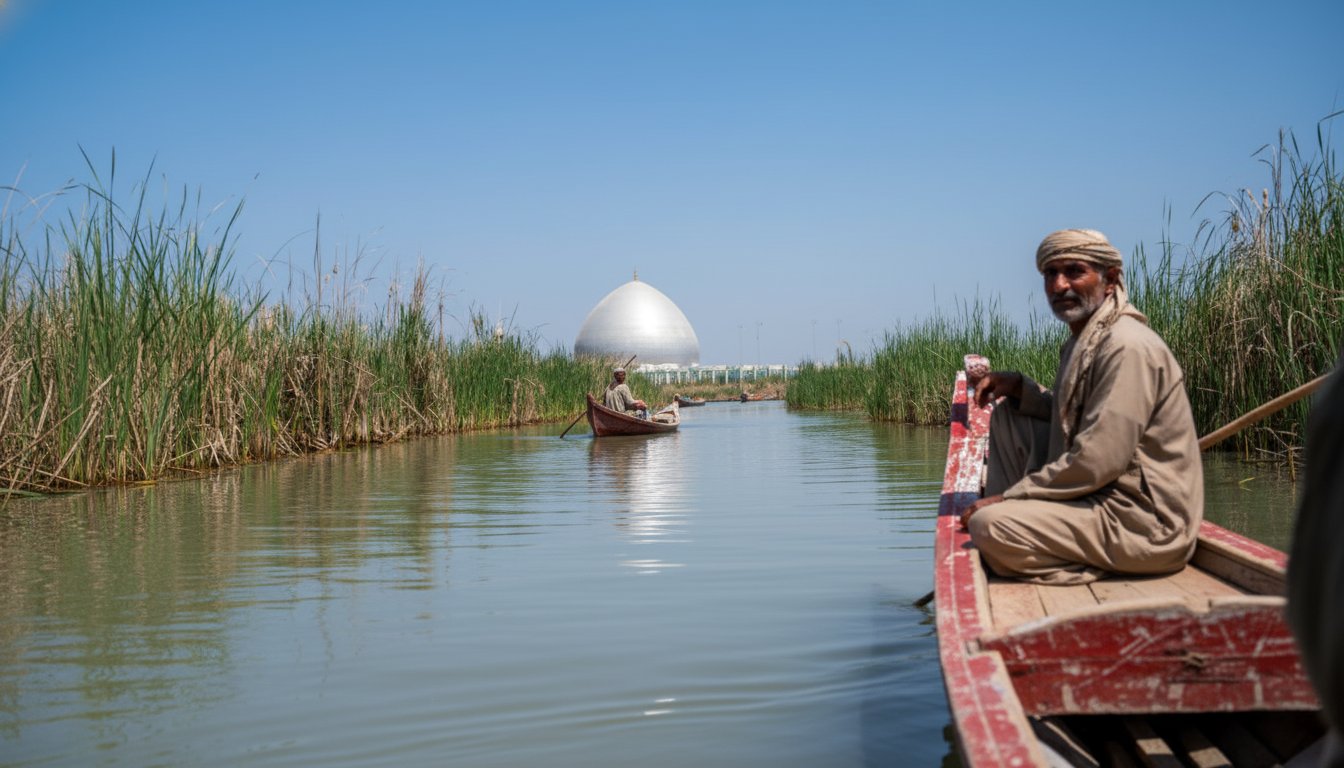
The best and easiest way to experience the Marshlands is using boats, typically operated by guides from the Marsh Arabs. Tours can be booked in advance or by going to the Martyrs Mosque in Chibayish where tours can be arranged with local guides. Traditional boats called "balam" or "mashoof" are used to access unique areas in the Marshlands.
What is the cultural and historical significance of the Marshlands?
The Iraqi Marshlands are a UNESCO Mixed World Heritage Site containing remnants of the world's first cities (Uruk, Ur, and Eridu) and reflecting the unique culture of the Marsh Arabs.
The Marshlands were designated as a Mixed World Heritage Site in 2016. They contain remnants of the world's first cities: Uruk, Ur, and Eridu, where writing, monumental architecture, and archaeological artifacts originated. These areas were home to the Marsh Arabs (Ma'dan) for more than 5,000 years, who developed a unique culture suited to the aquatic environment.

What accommodation options are available?
Visitors can experience traditional reed houses (mudhif) with Marsh Arab families, providing an authentic cultural experience.
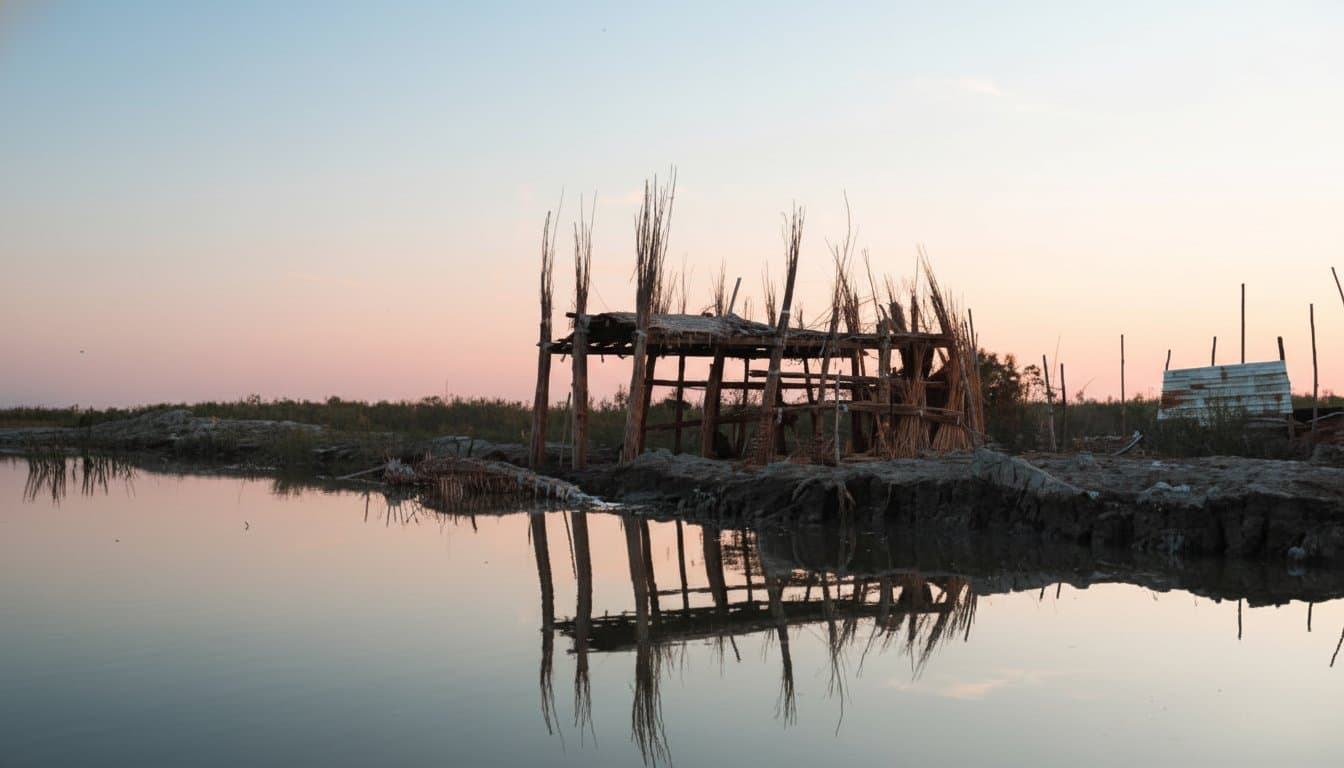
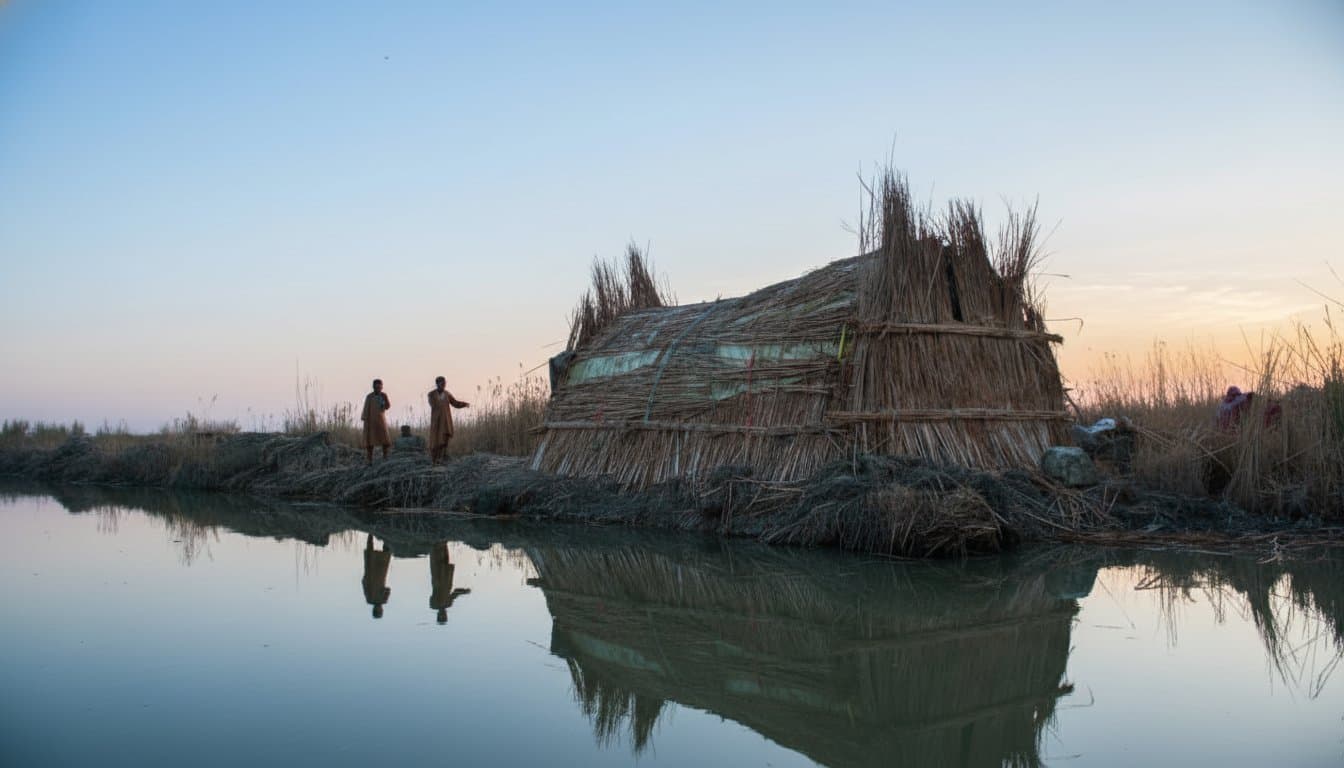
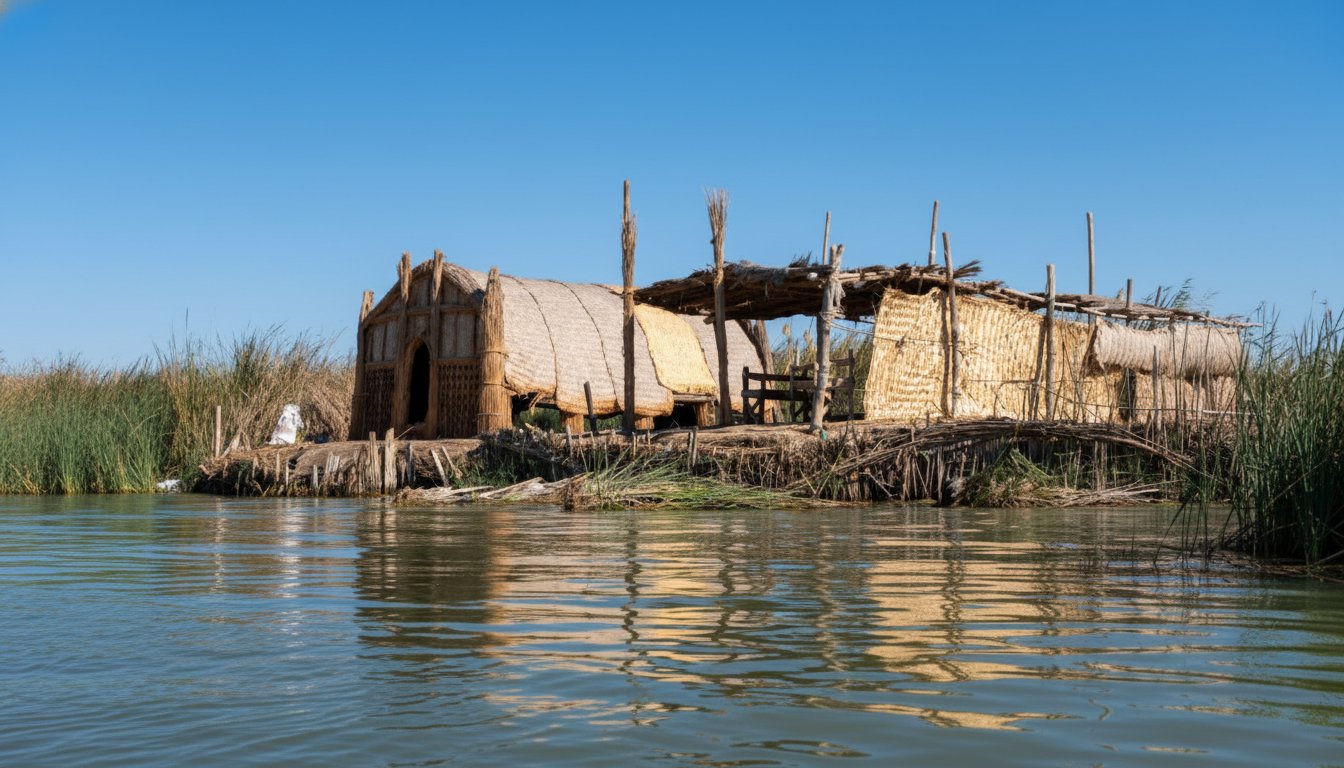
Accommodation options include staying with Marsh Arab families in traditional reed houses called "mudhif." These houses provide a basic but authentic experience with simple sleeping arrangements on thin mats on the floor. This opportunity is excellent for experiencing the traditional lifestyle of the Marsh Arabs.
What are the photography rules?
No formal photography restrictions are mentioned for the Marshlands, but it is recommended to respect local customs and private activities.
There are no formal restrictions on photography in the Iraqi Marshlands. However, it is important to respect local customs and avoid photographing private activities or individuals without permission. Visitors should avoid photography that may disturb wildlife or violate privacy.
What transportation options are available within the Marshlands?
Transportation inside the Marshlands is exclusively via traditional boats called "balam" or "mashoof" operated by local guides.
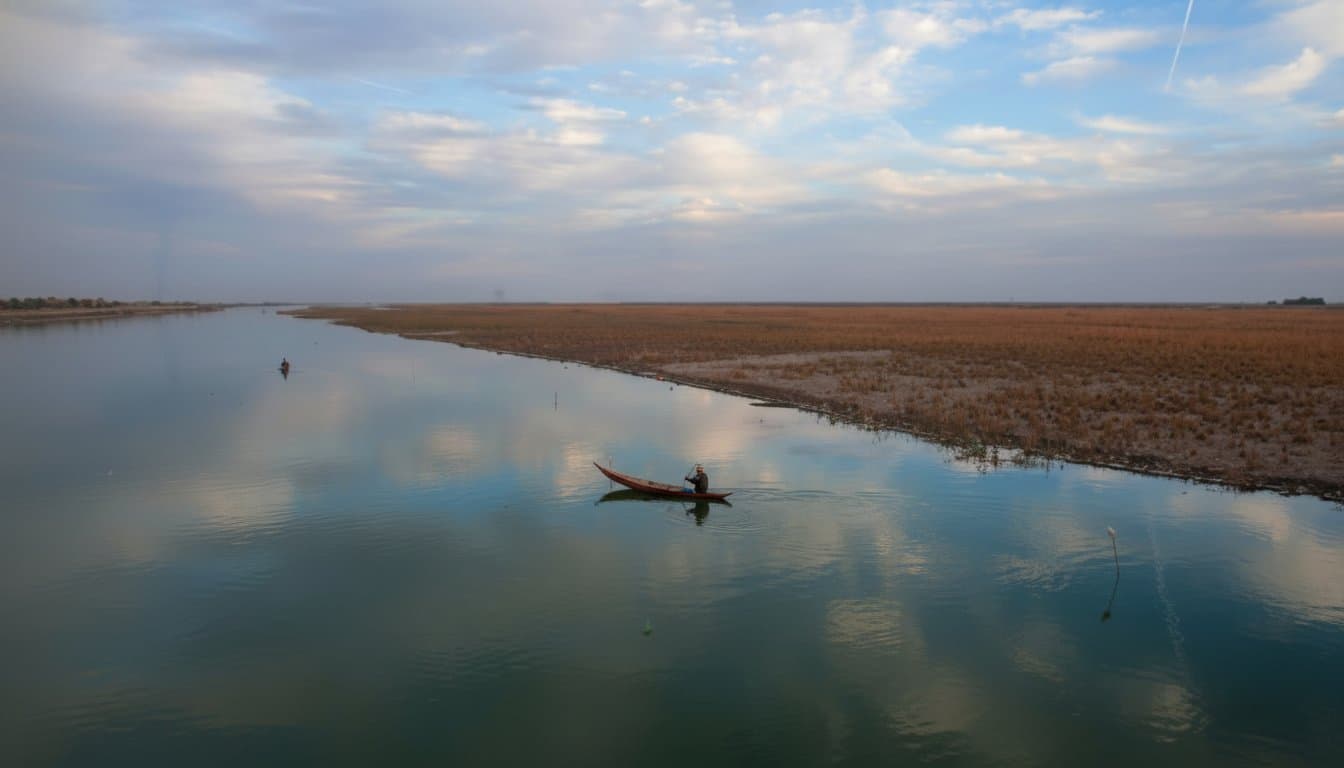
Within the Marshlands, traditional boats called "balam" or "mashoof" are used for transportation. These boats are essential for exploring the waterways and are used for fishing and transporting people and goods.
Visit Iraq provides unique transportation experiences for exploring the unique ecosystem in the Marshlands.
Are they suitable for solo female travelers?
Yes, the Marshlands can be suitable for solo female travelers, but it is recommended only for experienced travelers who follow local customs.
Reports indicate that solo female travel in Iraq is safe, noting that one solo traveler felt safe during her 7-week stay. In the Marshlands specifically, following local customs (such as modest dress and possibly wearing hijab and abaya) is necessary to respect local communities. It is best for women to travel with a guide and stay with local families.
What documents are required for the visit?
You need a valid passport for at least 6 months from the entry date with an Iraqi visa.
To visit the Marshlands, you will need a valid passport for at least 6 months from the entry date with blank pages for entry stamps. You will also need a visa document (Iraq offers e-visa options). Other documents may include accommodation details and travel itinerary.
Do they accept credit cards or should I carry cash?
Cash is widely used and recommended, although some places may accept credit cards.
Cash is widely used in Iraq, including areas around the Marshlands. Carrying cash is recommended as not all places accept credit cards. Having an ATM card is better for withdrawing local currency, especially in rural areas.
Is internet or SIM card available in the area?
Internet coverage and SIM cards are available in major cities but limited in Marshland areas.
Mobile network coverage is available in major cities like Nasiriyah and Basra, but it may be limited in remote Marshland areas. It is better to bring an e-SIM or local SIM card for data access in cities. Internet signal may be weak during stays in the Marshlands.

What are the local food and cultural experiences available?
Visitors can experience traditional Marsh Arab culture, staying in reed houses, and eating local food including the signature dish "Masgouf" (grilled fish).
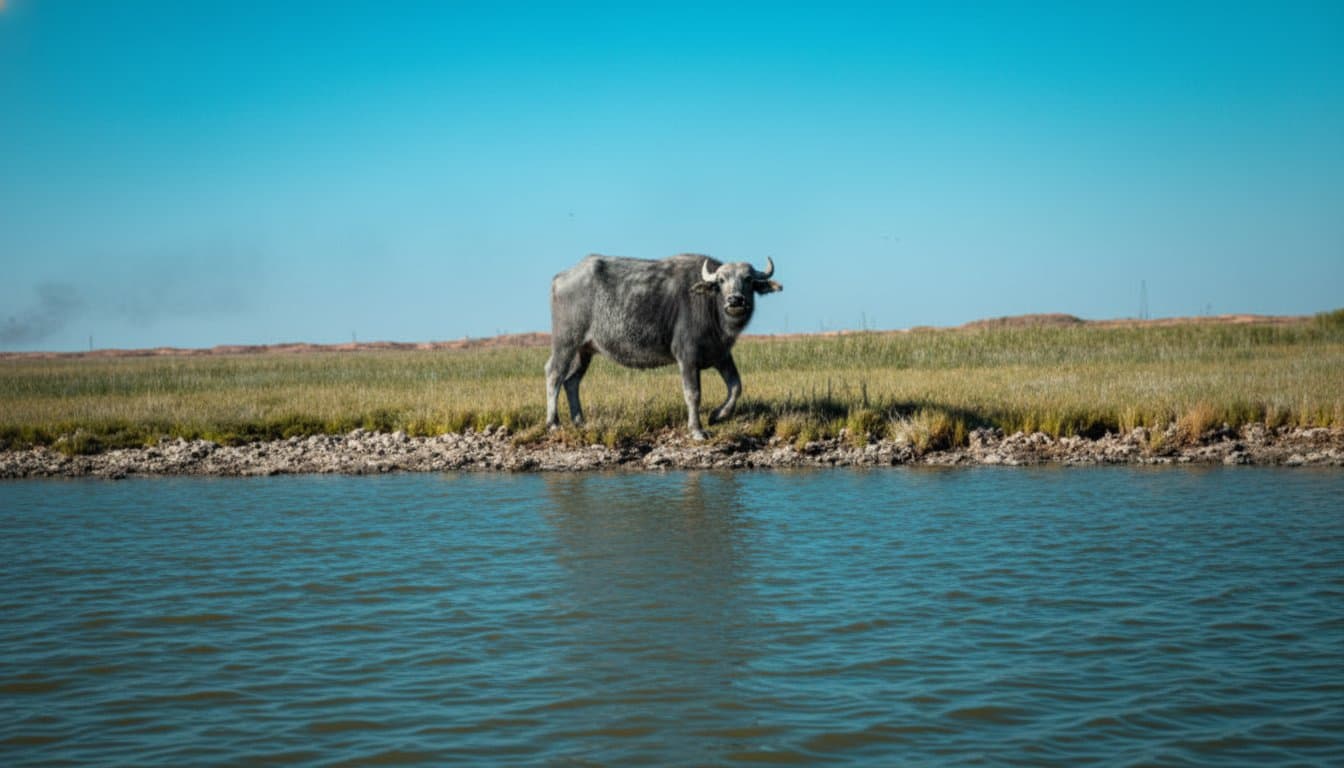
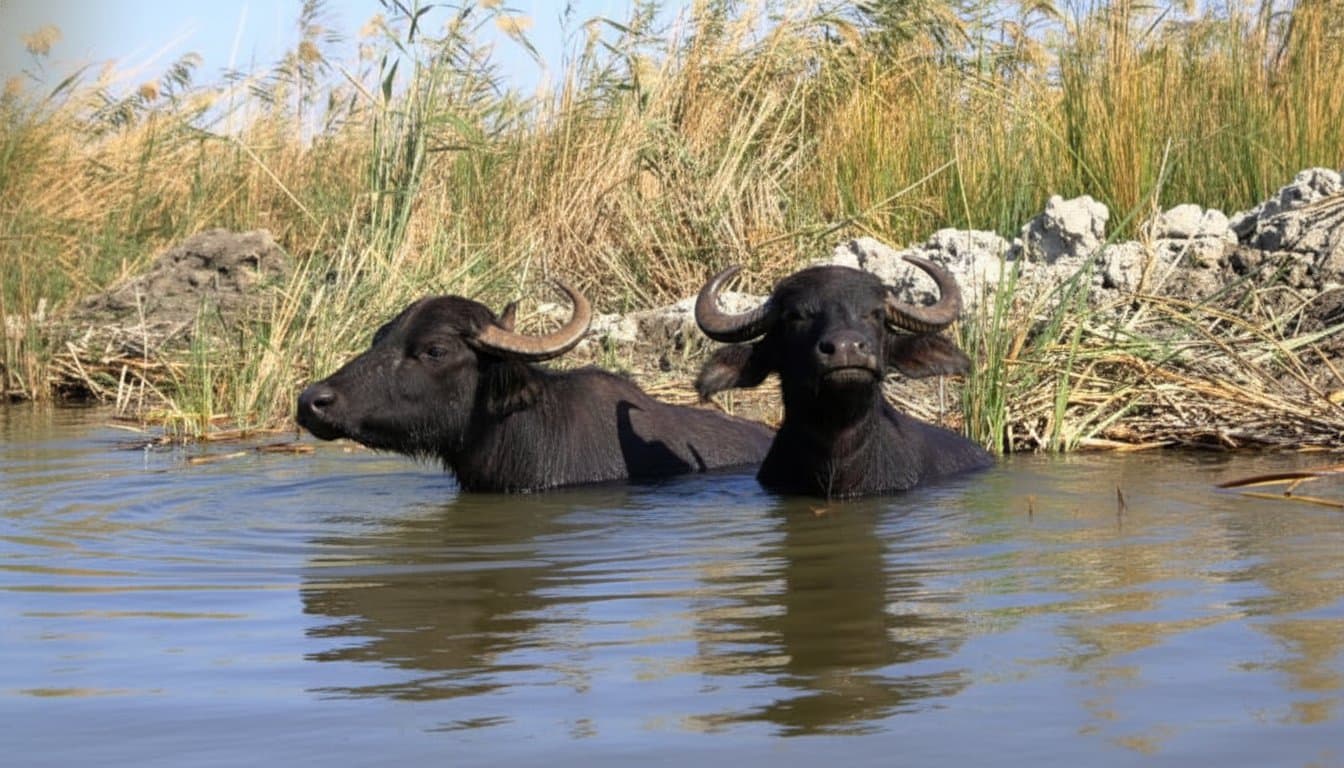
The Marshlands offer rich cultural experiences including staying in reed houses with Marsh Arab families. The signature dish is "Masgouf," which is grilled fish and is a prominent experience in the Marshlands. Other experiences include unlimited boat rides, buffalo farm visits, sunset viewing from boats, and interaction with Marsh Arab families.
Frequently Asked Questions
Can I visit the Marshlands if I'm traveling alone? Yes, solo travelers can visit the Marshlands, but it's preferable to have travel experience to maintain safety and cultural respect.
What is the cost of a tour in the Marshlands? The traditional tour costs approximately 50,000 Iraqi dinars for a tour including meals, accommodation, and unlimited boat rides for two people.

Can I stay in traditional reed houses? Yes, accommodation can be arranged in traditional reed houses (mudhif) with Marsh Arab families for an authentic cultural experience.
Can I take photos inside the Marshlands? Yes, there are no formal restrictions on photography, but you must respect the privacy of local residents and wildlife.
Is it recommended to visit the Marshlands in winter? Yes, winter is relatively suitable as temperatures are moderate (10-20°C), although conditions may be cold at times.
Visit Iraq recommends visiting the Marshlands in spring or autumn for the best climatic experience.
Gallery