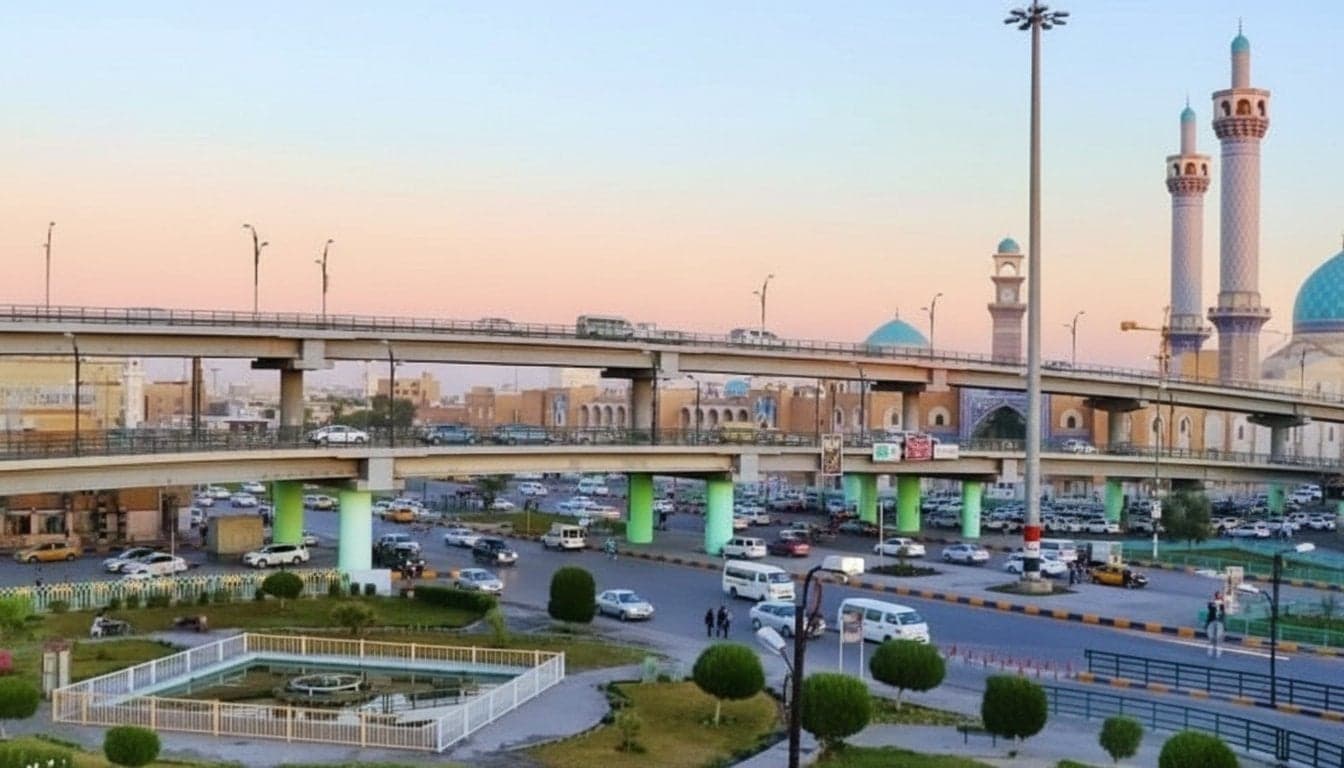
Discover the holy city of Najaf, home to the Imam Ali Shrine, the world's largest cemetery, and the center of the Hawza. A comprehensive guide by Visit Iraq for visitors on safety, transport, best times to visit, and local etiquette.
The holy city of Najaf is one of the most sacred cities in Islam, a destination that inspires awe and tranquility in the hearts of millions around the world. Located southwest of Baghdad, Najaf is not just a city, but a profound spiritual and historical journey. It is home to the shrine of Imam Ali ibn Abi Talib, contains the largest cemetery in the world, and has been a beacon of religious knowledge for centuries. Planning your visit to Najaf with Visit Iraq ensures a rich and smooth experience in this exceptional place.
Is it safe to visit Najaf in 2025?
Yes, visiting Najaf is generally safe for visitors and tourists. Although some Western governments may issue travel warnings, the reality on the ground, especially in the religious areas, paints a completely different picture. Iraqi authorities implement strict security plans, with checkpoints and a heavy security presence around the shrines and vital areas, providing a safe environment for the millions of visitors who flock to the city annually without major incidents.
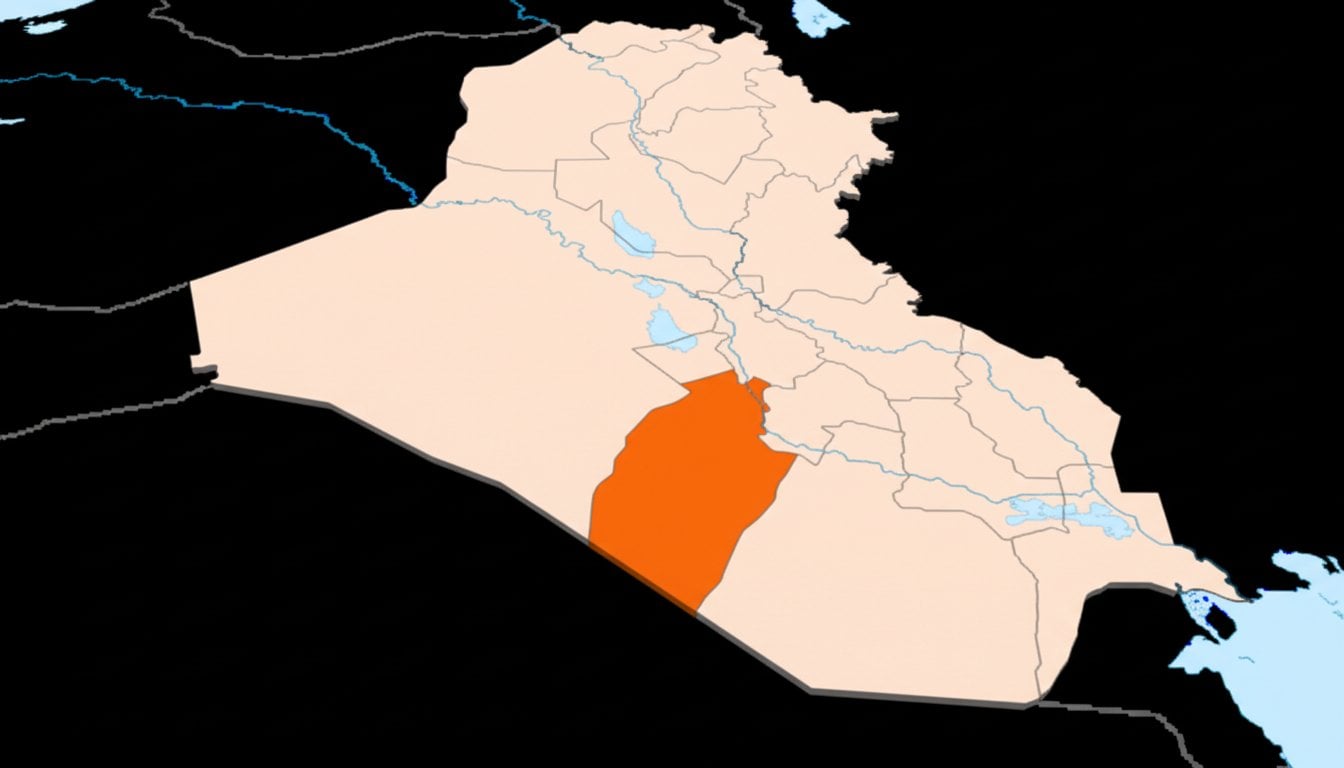
How do you get to Najaf and get around?
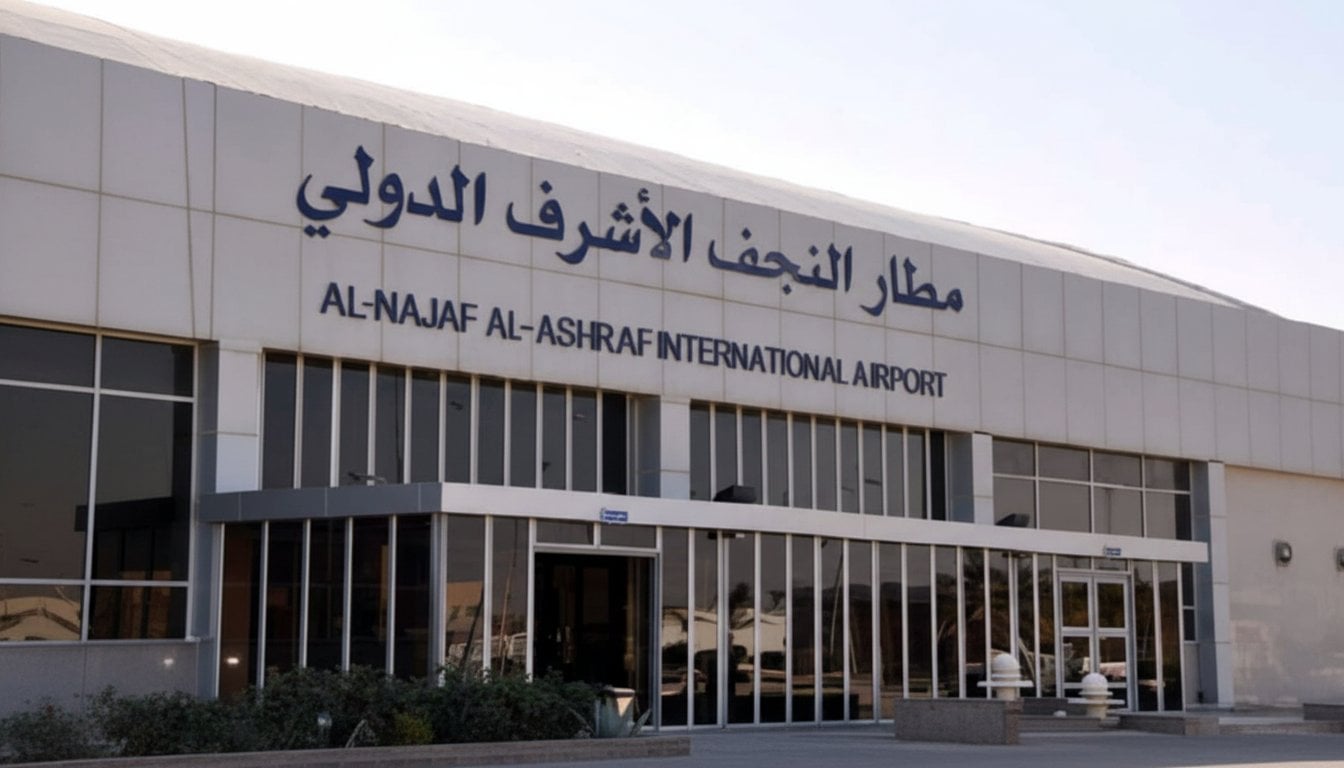
Najaf is easily accessible from major Iraqi cities. The most common option is to travel by car from Baghdad, a journey that takes about 2-2.5 hours. Taxis and private car services are plentiful. For greater comfort, Al Najaf International Airport (NJF) offers direct and short flights from Baghdad.
Once you arrive, you will find that the best way to explore the old city and the area around the Imam Ali Shrine is on foot. For longer distances, taxis are the primary mode of transport, and it is wise to agree on the fare before starting the trip. Visit Iraq advises relying on taxis recommended by hotels to ensure reliability.
What is the best time to visit Najaf?
The best time to visit Najaf is during the spring (March-May) and autumn (October-November). During these periods, the weather is mild and ideal for wandering and exploring the religious and historical sites, with temperatures ranging between 20 and 30 degrees Celsius.
It is advisable to avoid the hot summer months (June-August) when temperatures can exceed 45°C. However, if you are looking for a deep spiritual experience, visiting the city during major religious occasions like Arba'een offers a unique experience, but be prepared for massive crowds.
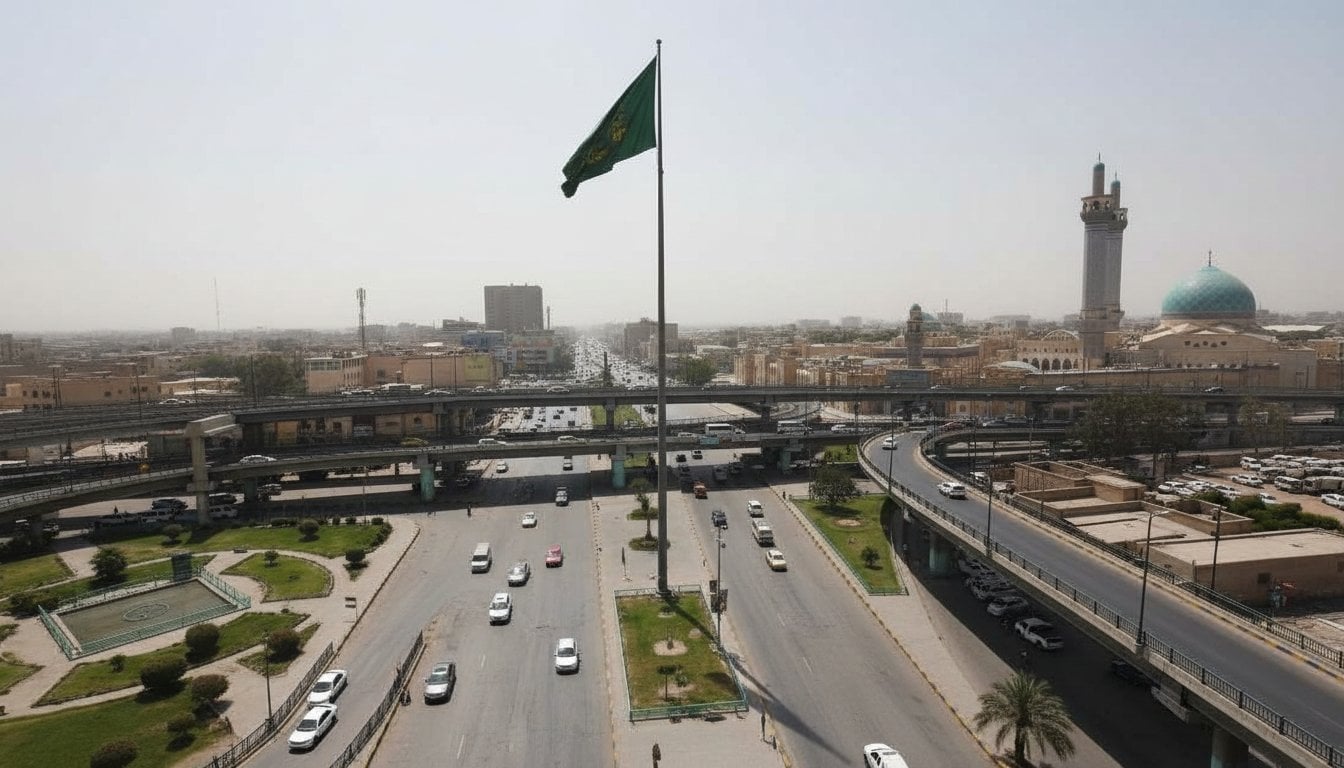
What can be seen at the Imam Ali Shrine?
The Imam Ali Shrine, or "Al-Rawda Al-Haidariya," is the vibrant heart of Najaf and a jewel of Islamic architecture. Entry to the shrine is free and generally open around the clock. When you visit, don't miss these sights:
- The Golden Dome and Minarets: An iconic symbol of the city that gleams under the sun.
- The Silver "Shubbak": The luxurious silver and gold lattice-work that encloses the tomb of Imam Ali.
- Architectural Art: Wander through the main courtyard and enjoy the beauty of the colorful Qashani tilework, the glittering mirror mosaics, and the Arabic calligraphy that adorns the walls and ceilings.
- Sahan Fatima al-Zahra: A huge expansion project that has added immense space and beauty to the shrine.
The experience inside the shrine is a mixture of admiration for the architectural art and a feeling of unparalleled spiritual serenity. It's a unique opportunity that Visit Iraq offers you to connect with a deep-rooted history.
What is the significance of the Wadi-us-Salaam Cemetery?
Located next to the Imam Ali Shrine is the "Valley of Peace" cemetery. It is not just an ordinary cemetery; it is considered the largest in the world and is on the UNESCO World Heritage tentative list. Shia Muslims believe that the souls of the faithful gather in this place, and that those buried there are granted peace. The cemetery holds the remains of millions of people, and it is also believed to contain the graves of the prophets Hud and Salih. Walking through this place is a deep, contemplative experience of history and spirituality.
What Are Visitors Saying?
Visitor opinions agree that Najaf offers an exceptional experience. Here are some impressions gathered by the Visit Iraq team:
"A Spiritual Experience Like No Other"
"The spiritual atmosphere in Najaf is something you feel the moment you arrive. The Imam Ali Shrine isn't just an architectural marvel with its glittering dome; it's the heart of the city. I was deeply moved watching pilgrims from every corner of the world. But the real surprise was the hospitality. Shopkeepers in the souk were constantly offering me tea. It's an unforgettable journey that connects you to centuries of faith."
— Travel blogger, visited in 2025
"Welcoming and Safe"
"As a non-Muslim visitor, I wasn't sure what to expect, but everyone was incredibly welcoming. The security is tight, especially around the shrine, but it's efficient and I never felt unsafe. My advice: just be respectful. Dress modestly, don't be loud, and just absorb the atmosphere. The mirrored halls inside the shrine are absolutely stunning. Also, try the local food! I had a dish called 'Qeema Najafia' and it was delicious."
— Reddit user, visited in 2024
"Practical Tips for a Peaceful Visit"
"The best experience for me was the sense of peace inside the shrine complex, especially in the evening. It's a place for quiet reflection. For practicalities, stay as close to the shrine as you can to be able to walk easily. Taxis are cheap for longer distances. Don't rely on credit cards; cash is still king for most things. The city is calm and the people are pious and kind."
— Visitor from the region, visited in 2025
Frequently Asked Questions about Visiting Najaf
Q: What is the dress code for visiting the Imam Ali Shrine? A: Women must wear modest, loose-fitting clothing that covers the arms and legs, along with a hijab (headscarf). An abaya is often required for entry. Men must wear long trousers and shirts that cover the shoulders.
Q: Can I use my credit card in Najaf? A: It is best to rely on cash (Iraqi Dinar). While major hotels may accept cards, most shops, restaurants, and taxis are cash-only.
Q: Are there good hotels near the shrine? A: Yes, there are many excellent hotels just a few minutes' walk from the shrine, such as the Qasr Al-Dur Hotel and Jar Al-Amer Hotel, which offer comfortable and convenient accommodation for visitors.
Q: Is photography allowed inside the shrine? A: Officially, photography is not permitted inside the main tomb hall. You may be able to take pictures in the outer courtyards, but always be respectful and do not photograph people without permission.
Q: How can I get a SIM card for internet? A: You can easily buy a local SIM card from providers like Zain or Asiacell at the airport or dedicated shops. You will need your passport for registration. eSIMs are also an excellent and available option.
Gallery