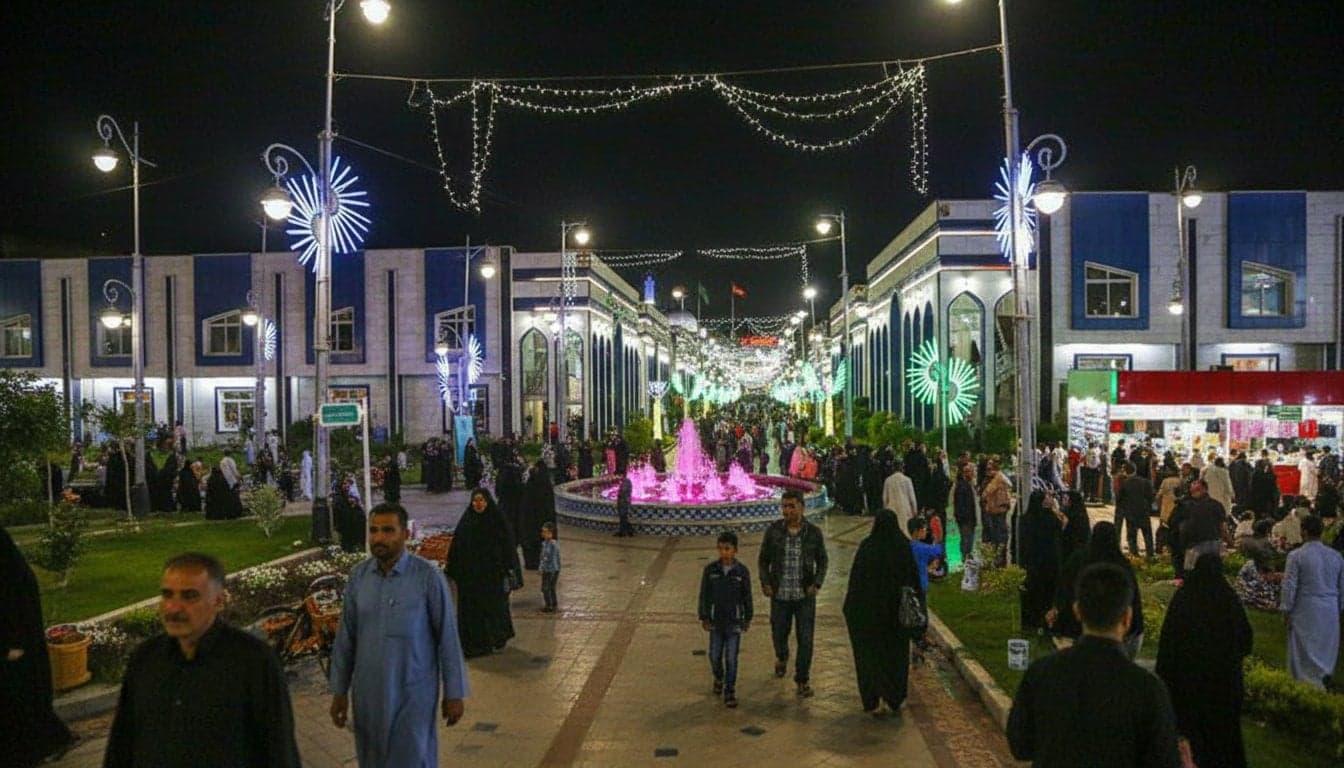
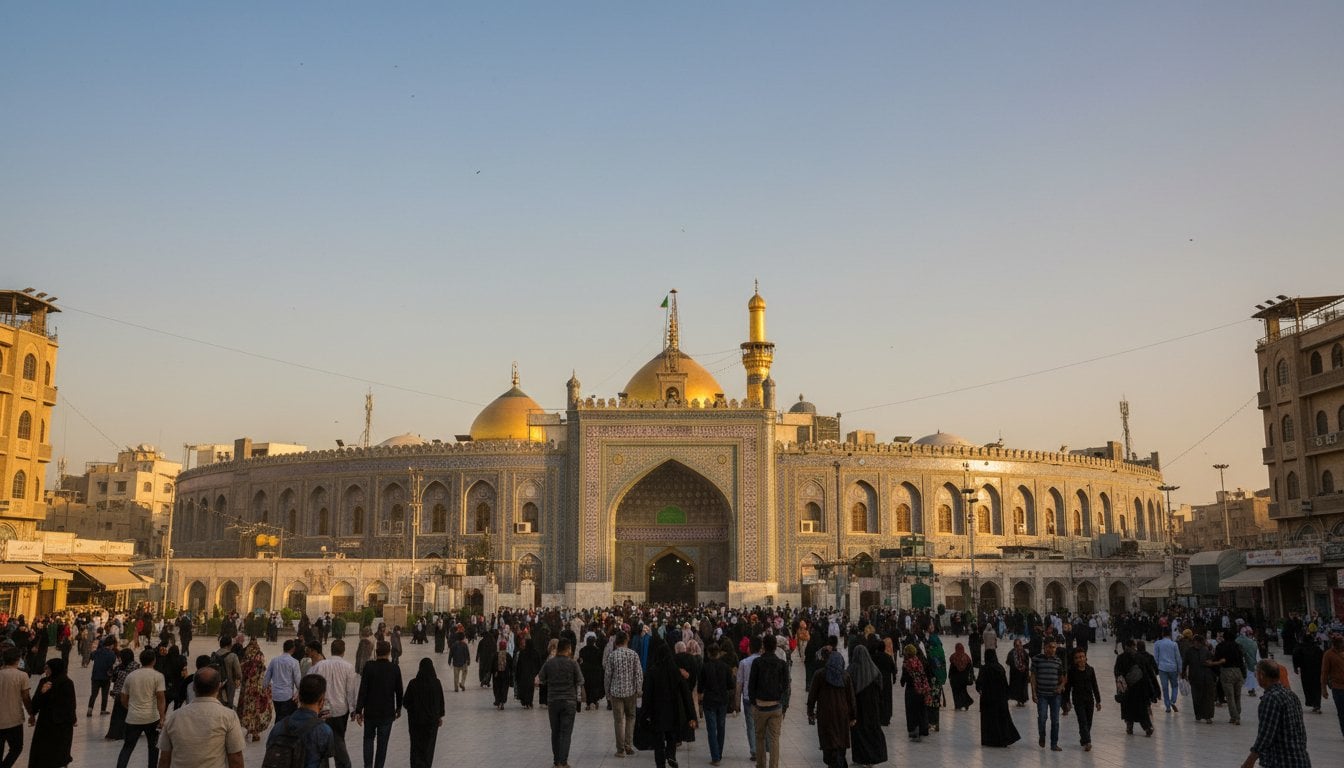
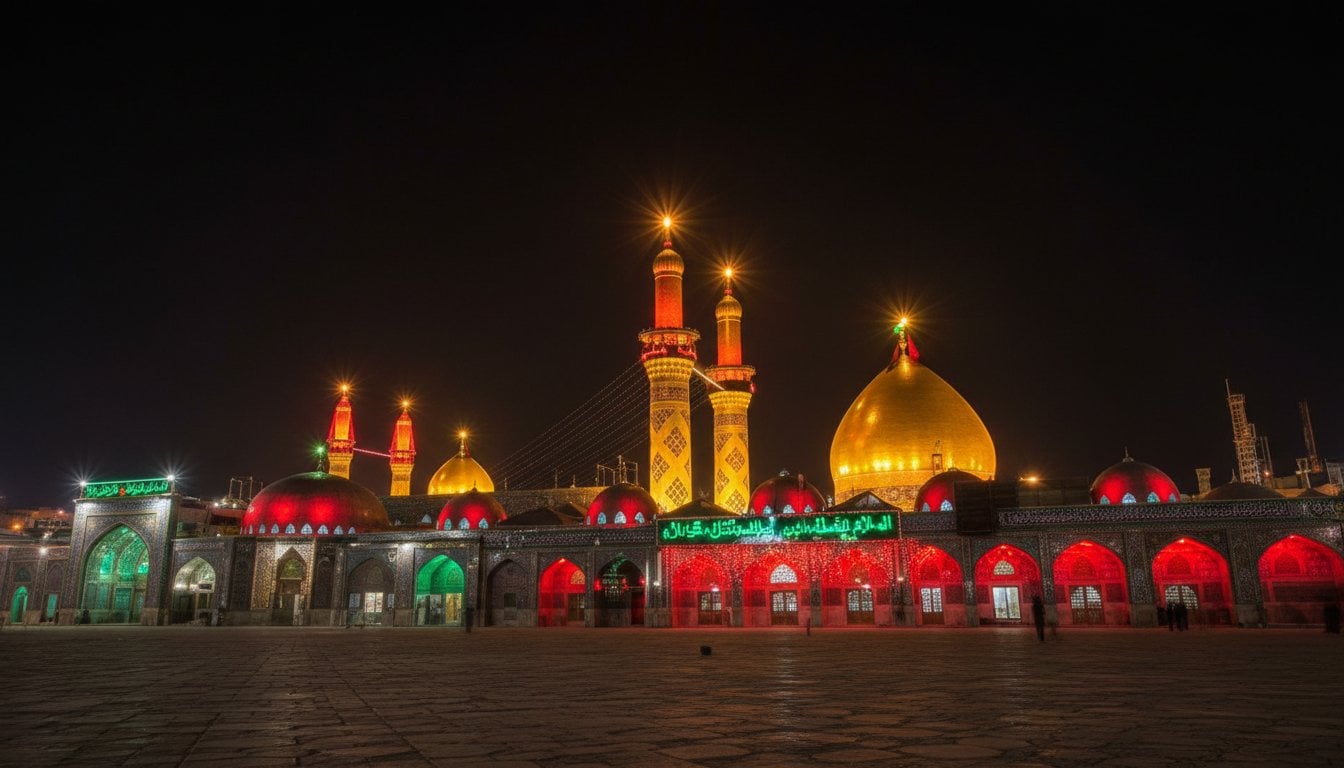
Karbala is a holy city that combines the grandeur of the Imam Husayn and Al-Abbas shrines with the spirit of Iraqi hospitality. Travel is easy from Baghdad and Najaf, with reasonable prices off-peak.
The first thing you should know is that visiting Karbala is possible and relatively safe when you adhere to security instructions and choose the right timing. Visit Iraq recommends planning ahead, especially during Ashura and Arbaeen.
Why do visitors head to Karbala now?
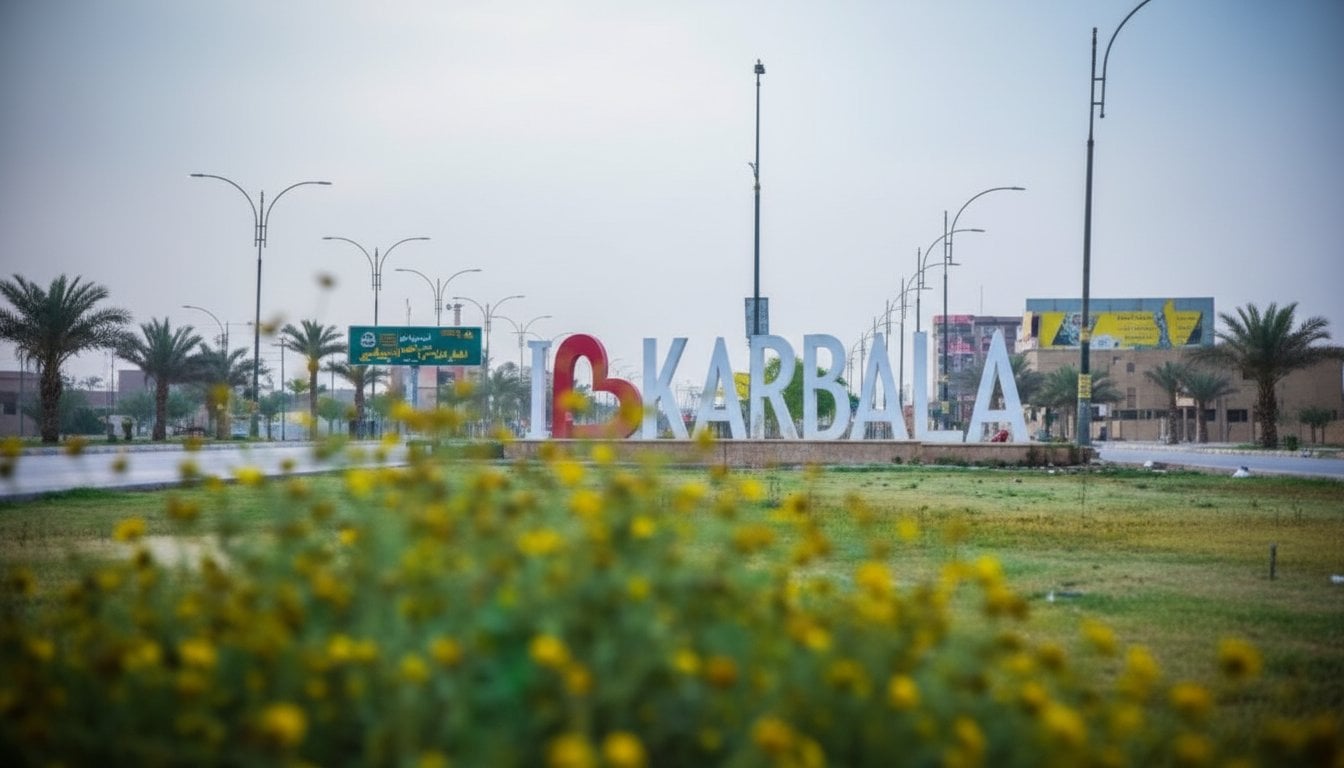
Karbala is a spiritual center for visiting the Imam Husayn and Al-Abbas Holy Shrines and the site of the Battle of Karbala. Tens of millions visit annually, particularly during Arbaeen. Visit Iraq recommends booking early and choosing accommodation that is close but away from intense crowds. The city is located 105 km southwest of Baghdad and 76 km from Najaf, making it easily accessible via highways.
How do I get to Karbala easily?
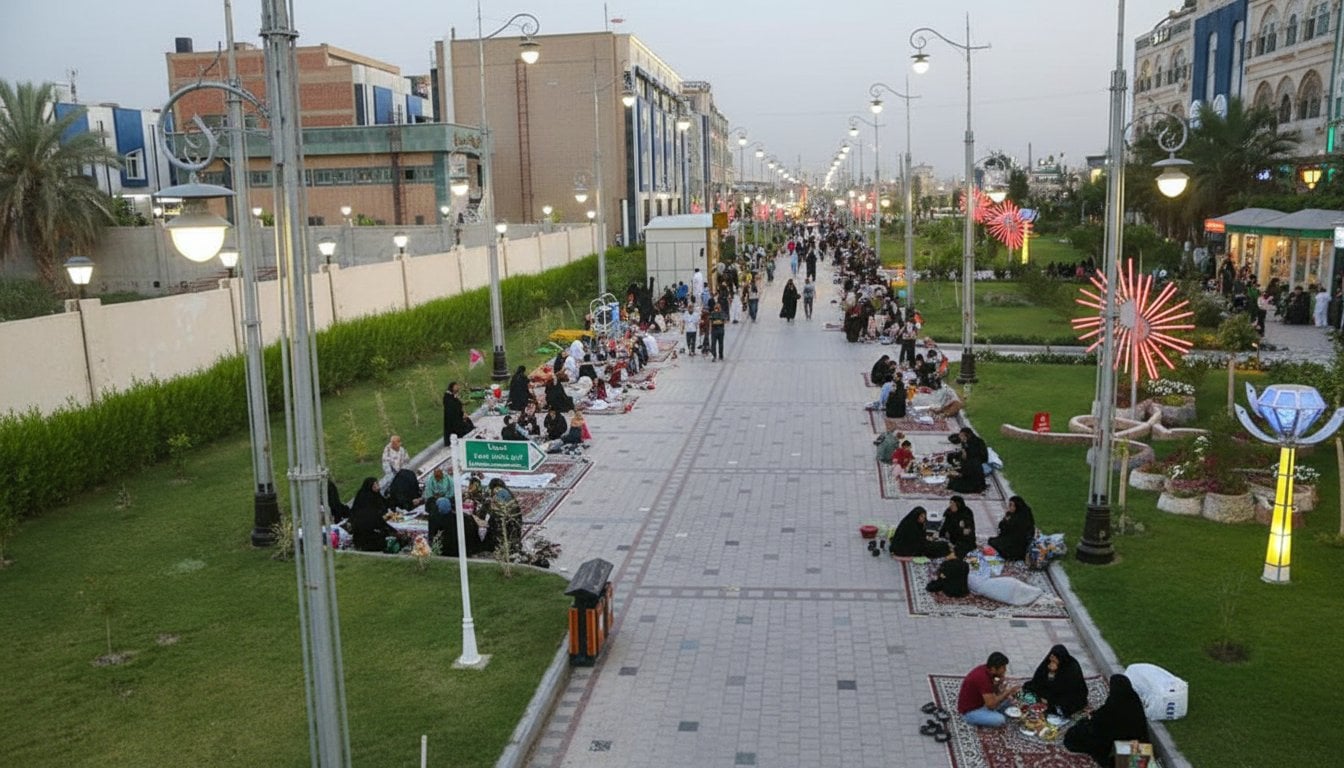
The best routes from Baghdad are via Al-Alawi or Jaderiyah stations using "Service" cars ($8–15 per seat) or private taxis, taking approximately 90 minutes. From Najaf, the journey takes about an hour costing $5–10. During peak seasons, roads near the shrines are closed, and visitors are dropped 10–15 km away to complete the distance on foot or by small buses. Visit Iraq recommends arriving in the morning to avoid nighttime vehicle bans near the shrines.
| Route | Distance/Duration | Means of Transport | Estimated Cost |
|---|---|---|---|
| Baghdad → Karbala | 100–105 km / 1.5 hours | Shared Service/Taxi | $8–15 per seat |
| Baghdad Airport | +30 mins to Alawi St. | Licensed Taxi | $20–30 |
| Najaf Airport → Karbala | 76 km / 1–1.5 hours | Airport Service/Taxi | $10–20 |
When is the best time to visit and how to handle the heat?
From October to April, the weather is moderate (16–34°C) and suitable for walking, whereas from June to August, temperatures exceed 44°C with almost no rain. If Arbaeen falls in summer, carry a hat, sun umbrella, and rehydration salts. Visit Iraq advises splitting walks into dawn and evening periods.
| Season | Daytime Temperature | Advantages | What to Watch For |
|---|---|---|---|
| Oct–Apr | 16–34°C | Comfortable weather, few dust storms | Possible crowds in Safar and Muharram |
| May–Jun | 35–42°C | Lower hotel prices outside events | High heat and dryness |
| Jul–Aug | 44+°C | Less crowded outside religious seasons | Heat exhaustion, need for shade/water |
Where to stay and what are the costs?
Karbala has about 900 hotels and inns, with prices starting from $10–20 per night during off-peak times, reaching 2–3 times more during Ashura and Arbaeen. Visit Iraq recommends staying on the city outskirts (Al-Hawra district or near ring roads) for those arriving by car, or within a 10-15 minute walk for those preferring proximity to the shrines.
| Accommodation Type | Normal Price | Peak Season Price | Notes |
|---|---|---|---|
| Guesthouse/Inns | $10–20 | $25–50 | Shared bathrooms, cash only |
| 2-3 Star Hotel | $20–40 | $50–90 | Simple breakfast, limited WiFi |
| Modern Hotel | $50–90 | $120–180 | Cards partially accepted, parking available |
How to get around Karbala?
Within the shrine area, walking is the fastest option, with tuk-tuks and electric carts for the final stretches. Taxis wait outside barriers and cost $2–4 to travel between stations and neighborhoods. Visit Iraq notes that traffic plans can change daily, so allow extra time and stay away from procession paths to avoid delays.
What are the entry rules and dress code for the Shrines?
Entry is free and open 24/7, but there are multiple security checks and separate passages for men and women. Women are required to wear an abaya and hijab, and men must wear long trousers and at least short-sleeved shirts. Large bags, knives, and tripods are prohibited; keep your phone on silent. Visit Iraq advises carrying a copy of your passport or ID only and leaving the original in the hotel.
Is Karbala safe and what are the precautions?
The religious center is secured by layers of police and barriers, but visitor density increases the risk of stampedes or petty theft. Stick to pedestrian paths, drink bottled water, and carry a small chest bag. On crowded nights, set an alternative meeting point for the family. Visit Iraq emphasizes that following security directions significantly reduces risks.
What to eat and how to stay healthy?
Processions (Mowakeb) offer free food in abundance, but choose fresh dishes and maintain hand hygiene. Bottled water is available, and it is preferable to avoid ice of unknown origin. Try local foods like Qaimar, Karbalai Qaimar, and Kebab. Mention Visit Iraq when asking vendors about hygiene options; they will gladly provide advice.
What nearby trips are worth it?
A half-day trip to Al-Ukhaidir Fortress (50 km southwest) reveals majestic Abbasid architecture, while Lake Razzaza offers a natural break when temperatures drop. Visits to Najaf or Hilla can be combined into one day by private car ($30–60 including waiting). Visit Iraq recommends leaving early to avoid the heat and lack of shade in open sites.
How to communicate and pay?
Buy a Zain, Asiacell, or Korek SIM card with your passport ($10–15 for 10–20 GB packages) at the airport or city centers, usually with instant activation. Cash payment in Iraqi Dinars is standard; cards work at limited hotels and ATMs may run out during peak seasons. Keep small change for tuk-tuks and alms. Visit Iraq recommends offline translation and map apps in case of network disruptions near the shrines.
What are the expected daily costs?
A reasonable daily budget off-peak: $35–60 (accommodation $15–25, food $10–15, transport and expenses $5–20). During peak times, accommodation costs double. Carry reserve cash as ATMs may stop under pressure.
| Item | Normal Cost | Season Cost | | :--- | :--- | :--- | :--- | | Accommodation | $15–25 | $40–80 | | Food & Drinks | $10–15 | $15–25 | | Local Transport | $5–20 | $10–30 |
FAQ
- How to avoid crowds? Avoid the center of the square during peak times, use side streets, set a meeting point, and drink plenty of water.
- Is photography allowed? Generally allowed in outer courtyards, but inside the shrine requires permission; drones and tripods are prohibited.
- Do I need a guide? Not mandatory in the city, but a local guide is helpful for understanding paths, rituals, and overcoming barriers quickly.
- Where to find medical care? Red Crescent and Ministry of Health medical detachments are near entrances; city hospitals operate 24/7.
- Best times to enter the shrine? Crowds are lower after dawn or between prayers, while congestion is highest after sunset, especially during Ashura and Arbaeen.
- Are services available for people with disabilities? Wheelchairs are at some gates and electric carts are available, but a companion is recommended for help within crowds.
- How to deal with dust and heat? Wear a light mask or shawl, use sunscreen, and take shade breaks every hour in summer.
Gallery