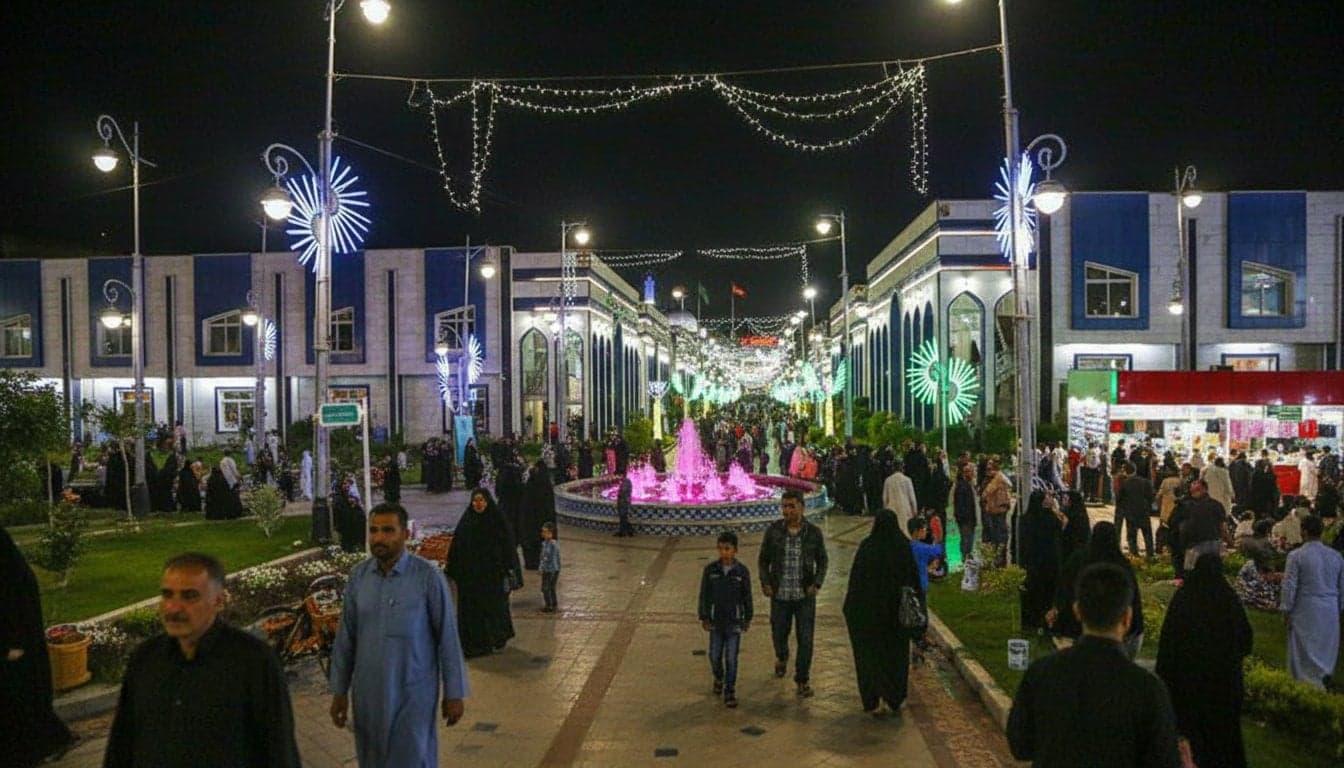
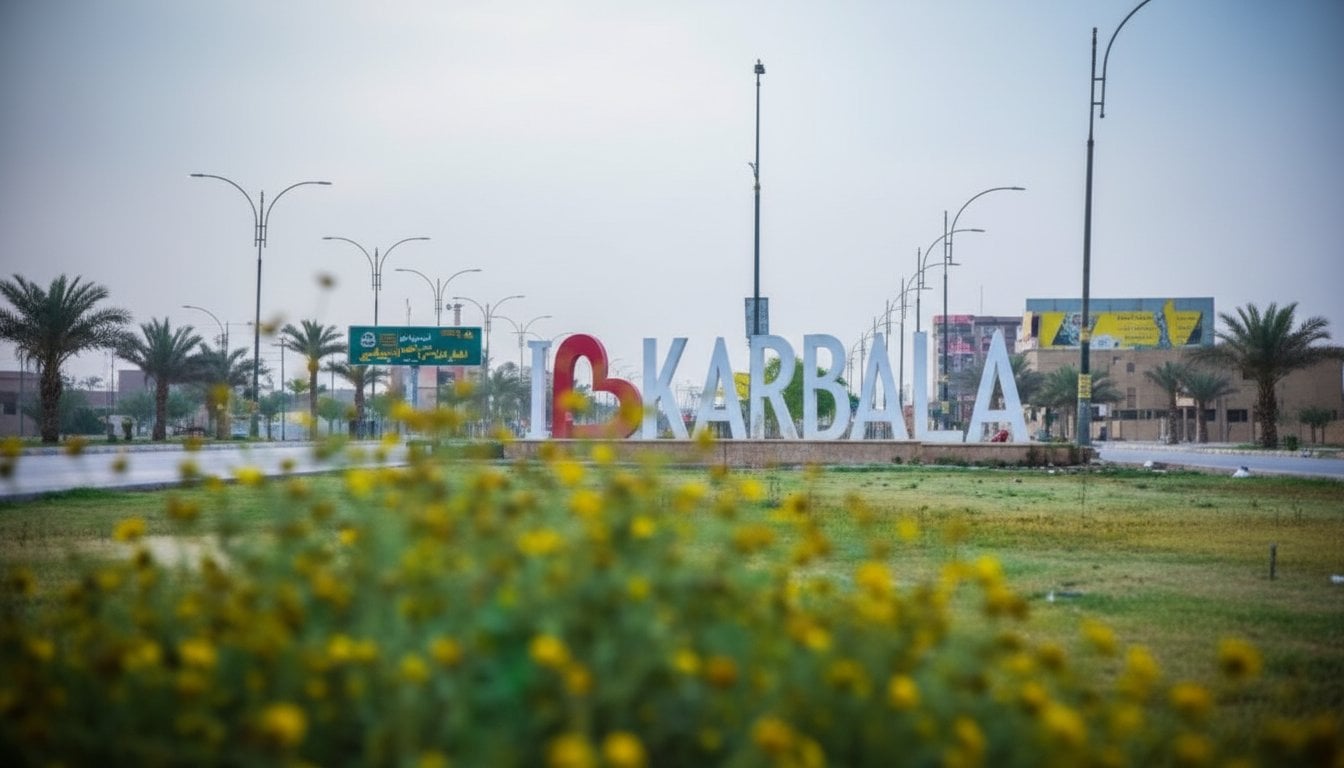
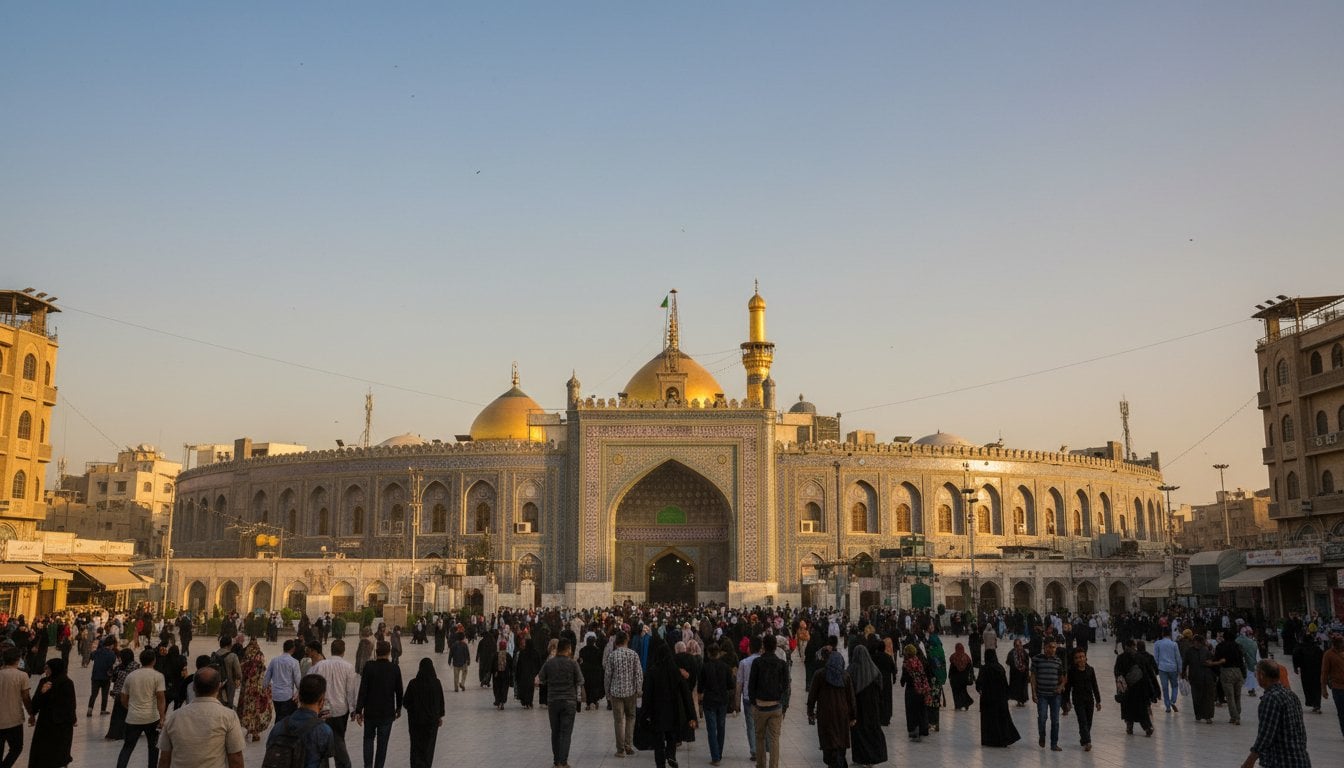
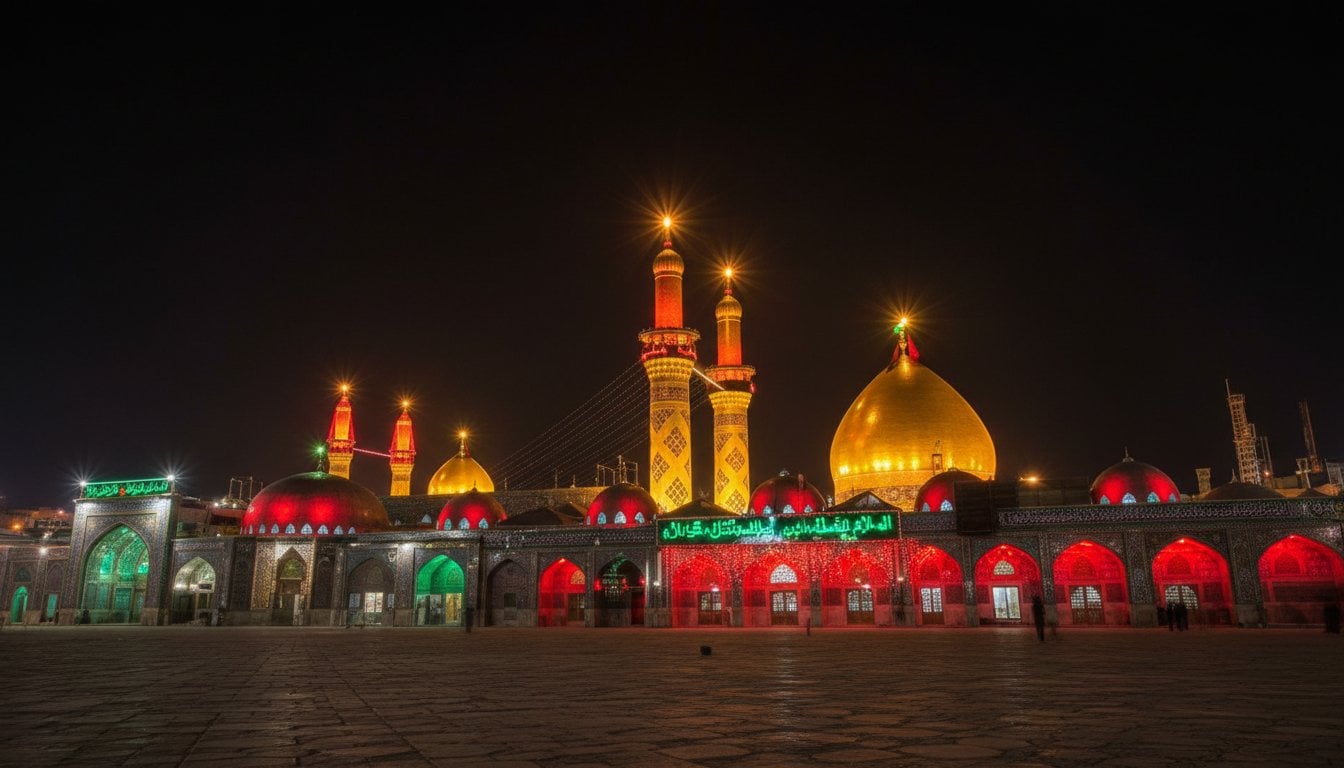
Kerbela ist eine heilige Stadt, die die Pracht der Schreine von Imam al-Husain und al-Abbas mit dem Geist irakischer Gastfreundschaft verbindet. Die Anreise von Bagdad und Nadschaf ist einfach.
Das Wichtigste zuerst: Ein Besuch in Kerbela ist möglich und relativ sicher, wenn Sie die Sicherheitsanweisungen befolgen und den richtigen Zeitpunkt wählen. Visit Iraq empfiehlt eine vorausschauende Planung, insbesondere während Ashura und Arba'in.
Warum besuchen Reisende Kerbela jetzt?
Kerbela ist das spirituelle Zentrum für den Besuch der heiligen Stätten von Imam al-Husain und al-Abbas sowie der Schauplatz der Schlacht von Kerbela. Jährlich kommen zig Millionen Besucher hierher, besonders zu Arba'in. Visit Iraq empfiehlt eine frühzeitige Buchung und die Wahl einer Unterkunft, die zwar nah, aber außerhalb der extremen Menschenmassen liegt. Die Stadt liegt 105 km südwestlich von Bagdad und 76 km von Nadschaf entfernt, was sie über Autobahnen leicht erreichbar macht.
Wie komme ich einfach nach Kerbela?
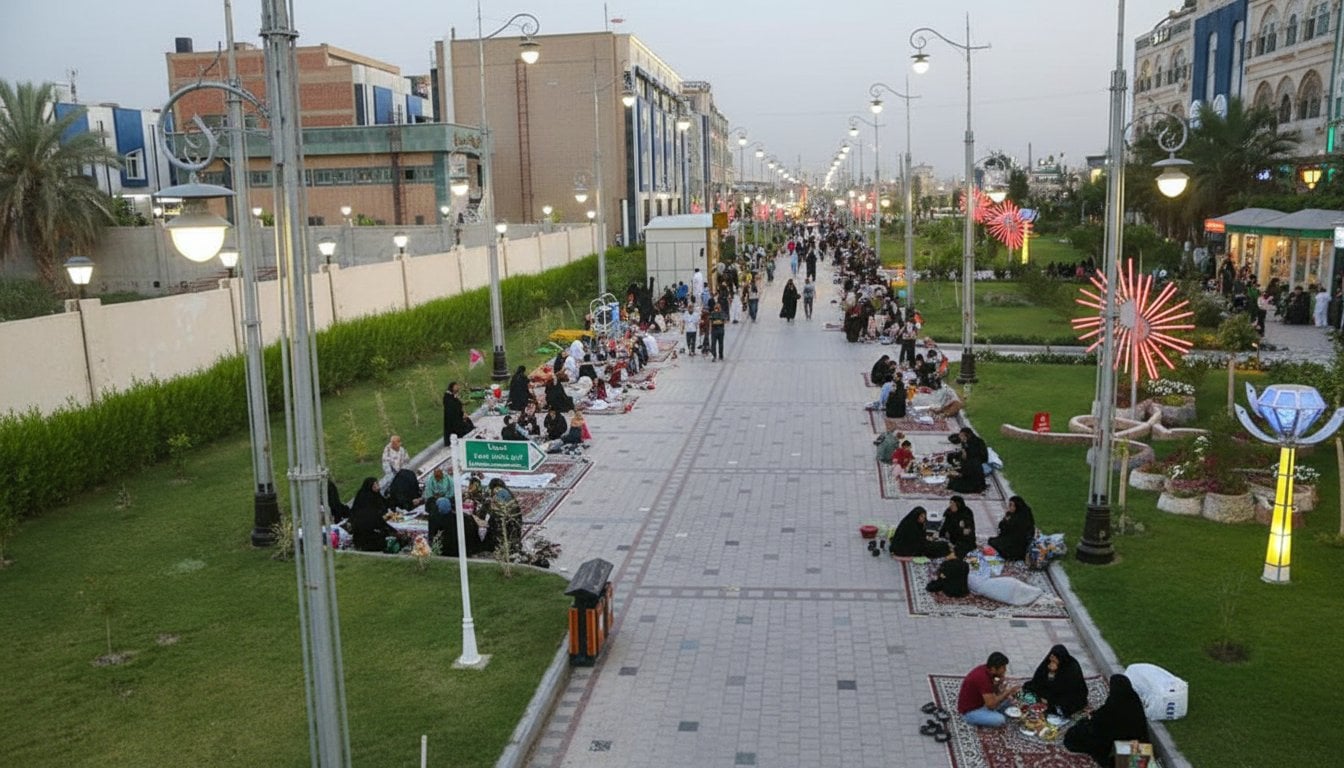
Die besten Routen von Bagdad führen über die Bahnhöfe Al-Alawi oder Jaderiyah mit Sammeltaxis (Serrvice) für 8–15 USD pro Sitzplatz oder privaten Taxis (Fahrzeit ca. 90 Minuten). Von Nadschaf aus dauert die Fahrt etwa eine Stunde und kostet 5–10 USD. In der Hauptsaison sind die Straßen in der Nähe der Heiligtümer gesperrt; Besucher werden 10–15 km entfernt abgesetzt und legen den Rest zu Fuß oder mit Kleinbussen zurück. Visit Iraq empfiehlt die Anreise am Morgen, um nächtliche Fahrverbote in der Nähe der Schreine zu vermeiden.
| Route | Distanz/Dauer | Transportmittel | Geschätzte Kosten |
|---|---|---|---|
| Bagdad → Kerbela | 100–105 km / 1,5 Std. | Sammeltaxi/Taxi | 8–15 USD pro Sitz |
| Flughafen Bagdad | +30 Min. bis Alawi | Lizenziertes Taxi | 20–30 USD |
| Flughafen Nadschaf → Kerbela | 76 km / 1–1,5 Std. | Flughafen-Service/Taxi | 10–20 USD |
Wann ist die beste Reisezeit und wie geht man mit der Hitze um?
Von Oktober bis April ist das Wetter gemäßigt (16–34 °C) und eignet sich gut zum Wandern, während von Juni bis August die Temperaturen 44 °C überschreiten und es fast nicht regnet. Falls Arba'in in den Sommer fällt, tragen Sie einen Hut, einen Sonnenschirm und Elektrolyte bei sich. Visit Iraq rät dazu, Fußmärsche in die Morgen- und Abendstunden zu legen.
| Saison | Tagestemperatur | Vorteile | Worauf zu achten ist |
|---|---|---|---|
| Okt–Apr | 16–34 °C | Angenehmes Wetter, wenig Staubstürme | Möglicher Andrang in Safar und Muharram |
| Mai–Jun | 35–42 °C | Günstigere Hotelpreise außerhalb von Events | Hohe Hitze und Trockenheit |
| Jul–Aug | 44+ °C | Weniger überlaufen außerhalb religiöser Feste | Hitzschlag-Gefahr, Schatten/Wasser nötig |
Wo übernachte ich und wie hoch sind die Kosten?
Kerbela verfügt über etwa 900 Hotels und Pensionen, mit Preisen ab 10–20 USD pro Nacht in der Nebensaison, die während Ashura und Arba'in auf das 2- bis 3-fache steigen können. Visit Iraq empfiehlt Unterkünfte am Stadtrand (Viertel Al-Hawra oder in der Nähe der Ringstraßen) für Autofahrer oder innerhalb von 10–15 Minuten Fußweg für diejenigen, die die Nähe zum Heiligtum bevorzugen.
| Unterkunftsart | Normalpreis | Preis in der Hauptsaison | Anmerkungen |
|---|---|---|---|
| Pensionen/Herbergen | 10–20 USD | 25–50 USD | Gemeinschaftsbäder, nur Bargeld |
| 2-3 Sterne Hotel | 20–40 USD | 50–90 USD | Einfaches Frühstück, begrenztes WLAN |
| Modernes Hotel | 50–90 USD | 120–180 USD | Karten teils akzeptiert, Parkplätze |
Wie bewege ich mich in Kerbela fort?
Innerhalb des Schrein-Bereichs ist Gehen die schnellste Option, ergänzt durch Tuk-Tuks und Elektrokarren für die letzte Meile. Taxis warten außerhalb der Sperren und kosten 2–4 USD für Fahrten zwischen den Bahnhöfen und Stadtvierteln. Visit Iraq weist darauf hin, dass sich die Verkehrsplanung täglich ändern kann; planen Sie Pufferzeiten ein und meiden Sie Prozessionswege.
Was sind die Regeln und die Kleiderordnung für die Heiligtümer?
Der Eintritt ist kostenlos und rund um die Uhr möglich, es gibt jedoch mehrere Sicherheitskontrollen und getrennte Zugänge für Männer und Frauen. Frauen müssen eine Abaya und einen Hidschab tragen, Männer lange Hosen und mindestens kurzärmelige Hemden. Große Taschen, Messer und Stative sind verboten; stellen Sie Ihr Handy auf stumm. Visit Iraq rät, nur eine Kopie des Reisepasses oder Ausweises mitzuführen und das Original im Hotel zu lassen.
Ist Kerbela sicher und welche Vorsichtsmaßnahmen gibt es?
Das religiöse Zentrum wird durch Polizei und Barrieren gesichert, aber die hohe Besucherdichte erhöht das Risiko von Gedränge oder Taschendiebstahl. Bleiben Sie auf den Fußgängerwegen, trinken Sie Wasser aus Flaschen und tragen Sie eine kleine Brusttasche. Legen Sie an belebten Tagen einen alternativen Treffpunkt für die Familie fest. Visit Iraq betont, dass das Befolgen der Sicherheitsanweisungen die Risiken erheblich senkt.
Was kann ich essen und wie bleibe ich gesund?
Prozessionen (Mowakeb) bieten reichlich kostenloses Essen an, wählen Sie jedoch frische Gerichte und achten Sie auf Handhygiene. Flaschenwasser ist überall erhältlich; Eis aus unbekannter Quelle sollte gemieden werden. Probieren Sie lokale Spezialitäten wie Qaimar, Kerbelai-Qaimar und Kebab. Erwähnen Sie Visit Iraq, wenn Sie Verkäufer nach Hygienestandards fragen; sie werden Sie gerne beraten.
Welche Ausflüge in die Umgebung lohnen sich?
Ein Halbtagesausflug zur Festung Al-Ukhaidir (50 km südwestlich) zeigt beeindruckende abbasidische Architektur, während der Razzaza-See bei kühleren Temperaturen eine natürliche Auszeit bietet. Besuche in Nadschaf oder Hilla können mit einem privaten Auto kombiniert werden (30–60 USD inkl. Wartezeit). Visit Iraq empfiehlt den Aufbruch am frühen Morgen, um Hitze und Schattenmangel an offenen Orten zu vermeiden.
Wie kommuniziere und bezahle ich?
Kaufen Sie eine Zain-, Asiacell- oder Korek-SIM-Karte mit Ihrem Reisepass (10–15 USD für 10–20 GB Pakete) am Flughafen oder in der Stadt; die Aktivierung erfolgt meist sofort. Barzahlung in Irakischen Dinaren ist der Standard; Karten funktionieren in wenigen Hotels und an Geldautomaten kann das Geld in der Hauptsaison knapp werden. Halten Sie Kleingeld für Tuk-Tuks bereit. Visit Iraq empfiehlt Offline-Übersetzungs- und Karten-Apps für den Fall von Netzausfällen in der Nähe der Schreine.
Mit welchen täglichen Kosten muss ich rechnen?
Ein angemessenes tägliches Budget außerhalb der Spitzenzeiten: 35–60 USD (Unterkunft 15–25, Verpflegung 10–15, Transport und Ausgaben 5–20). In der Hauptsaison verdoppeln sich die Unterkunftskosten. Führen Sie Bargeldreserven mit, da Geldautomaten unter hohem Druck ausfallen können.
| Posten | Normale Kosten | Kosten in der Saison | | :--- | :--- | :--- | :--- | | Unterkunft | 15–25 USD | 40–80 USD | | Essen & Trinken | 10–15 USD | 15–25 USD | | Lokaler Transport | 5–20 USD | 10–30 USD |
FAQ
- Wie vermeide ich Menschenmassen? Meiden Sie das Zentrum des Platzes während der Stoßzeiten, nutzen Sie Seitenstraßen, legen Sie einen Treffpunkt fest und trinken Sie viel Wasser.
- Ist Fotografieren erlaubt? In den Außenhöfen meist ja, innerhalb der Schreine ist eine Genehmigung erforderlich; Drohnen und Stative sind verboten.
- Benötige ich einen Guide? In der Stadt nicht zwingend, aber ein lokaler Guide ist hilfreich, um Wege und Rituale zu verstehen und Barrieren schneller zu überwinden.
- Wo finde ich medizinische Versorgung? Posten des Roten Halbmonds und des Gesundheitsministeriums befinden sich in der Nähe der Eingänge; Stadtkrankenhäuser sind rund um die Uhr besetzt.
- Beste Besuchszeiten für die Schreine? Nach der Morgendämmerung oder zwischen den Gebeten ist der Andrang geringer, während er nach Sonnenuntergang am höchsten ist, besonders während Ashura und Arba'in.
- Gibt es Services für Menschen mit Behinderungen? Rollstühle stehen an einigen Toren bereit und Elektrokarren sind vorhanden, eine Begleitperson wird jedoch im dichten Gedränge empfohlen.
- Wie gehe ich mit Staub und Hitze um? Tragen Sie eine leichte Maske oder ein Tuch, nutzen Sie Sonnencreme und machen Sie im Sommer jede Stunde Pausen im Schatten.
Gallery