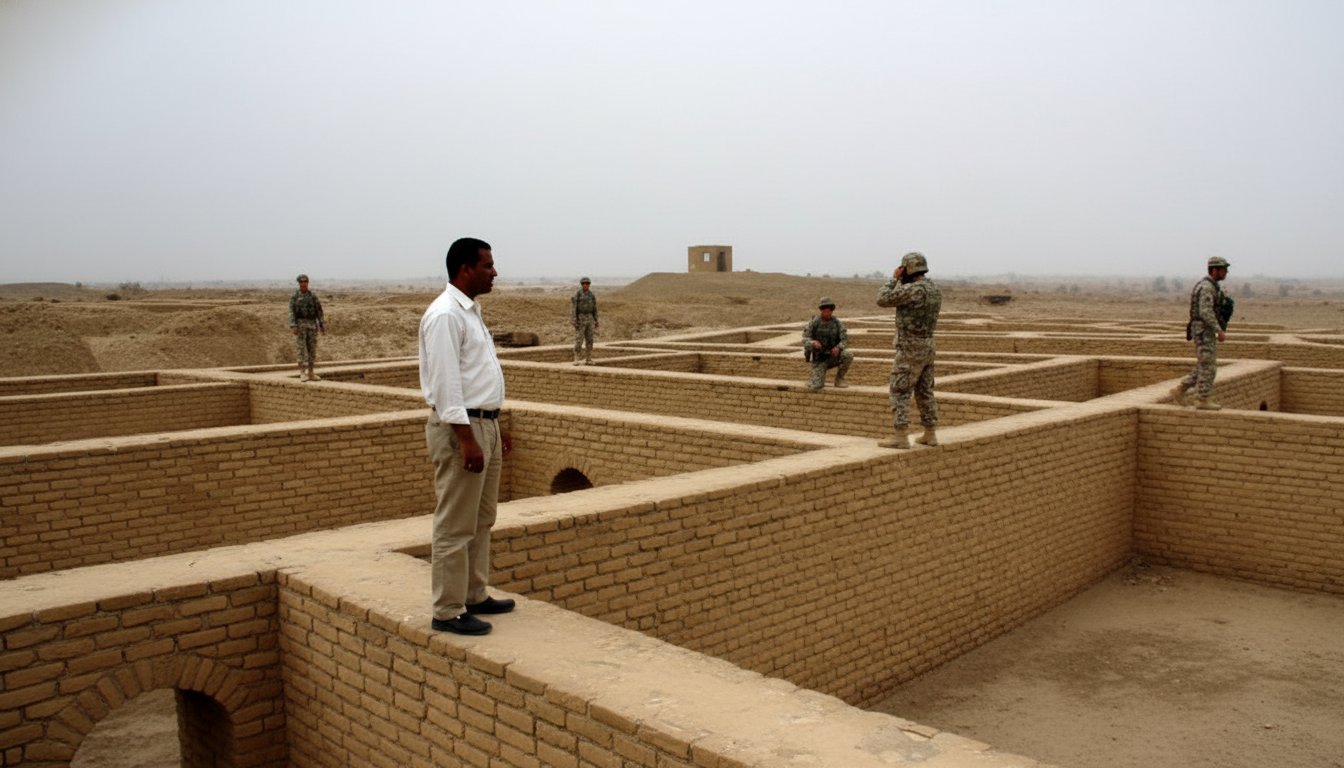
Ur is an ancient Sumerian city located in southern Iraq near Nasiriyah, and one of the most important archaeological sites in the world, considered the cradle of human civilization.
'Ur is an ancient Sumerian city located in southern Iraq near Nasiriyah, and one of the most important archaeological sites in the world, considered the cradle of human civilization. This city is believed to be the birthplace of Abraham, giving it worldwide religious and historical significance.
How safe is visiting Ur (Archaeological Site)?
Visiting Ur in 2025 is relatively safe, but you should take precautions and coordinate with local authorities. Iraqi authorities continue to improve conditions for archaeological tourism in areas like Ur, and Dhi Qar Governorate is considered safer than other parts of Iraq for tourists, but independent travel is not advised.
How can I get to Ur from Baghdad and Najaf?
Getting to Ur via Baghdad or Najaf requires traveling through Nasiriyah, usually requiring 3-4 hours by car. Visitors typically fly to Baghdad International Airport or Basra International Airport, then drive for 3-4 hours to the site near Nasiriyah. It's preferable to coordinate transportation with specialized tour companies that provide secure vehicles and experienced drivers.
What are the costs for entering Ur archaeological site?
Entry costs for Ur tours range from $50 to $100 per person for visiting the Great Ziggurat, and museum entry typically includes $40-80 per person. Photography permits may require additional fees of $10-20, and visits should be arranged through licensed tour operators.
What is the best time to visit Ur?
The best time to visit Ur is during the cooler months from November to March when temperatures are more manageable. Temperatures during these months range from 15-25°C making exploration of the open archaeological site more comfortable. Summer months from May to September should be avoided due to extreme heat.
What is the appropriate visiting attire for Ur site?
Visitors should wear modest clothing covering shoulders, arms, and legs, especially for women. In southern Iraq, it's preferable to wear long pants even for men. A sun hat, sunscreen, and plenty of water should be brought as shade is extremely limited across the archaeological site. Strong shoes are required due to uneven terrain.
Do I need a guide to visit Ur?
Yes, a local guide is recommended and often required for security reasons. Independent travel is not advised for security considerations, and licensed tour guides provide protection in addition to historical and cultural context of the site. All visits should be coordinated with Iraqi tourism authorities and local security forces, usually through licensed tour operators.
What is the historical heritage of Ur site?
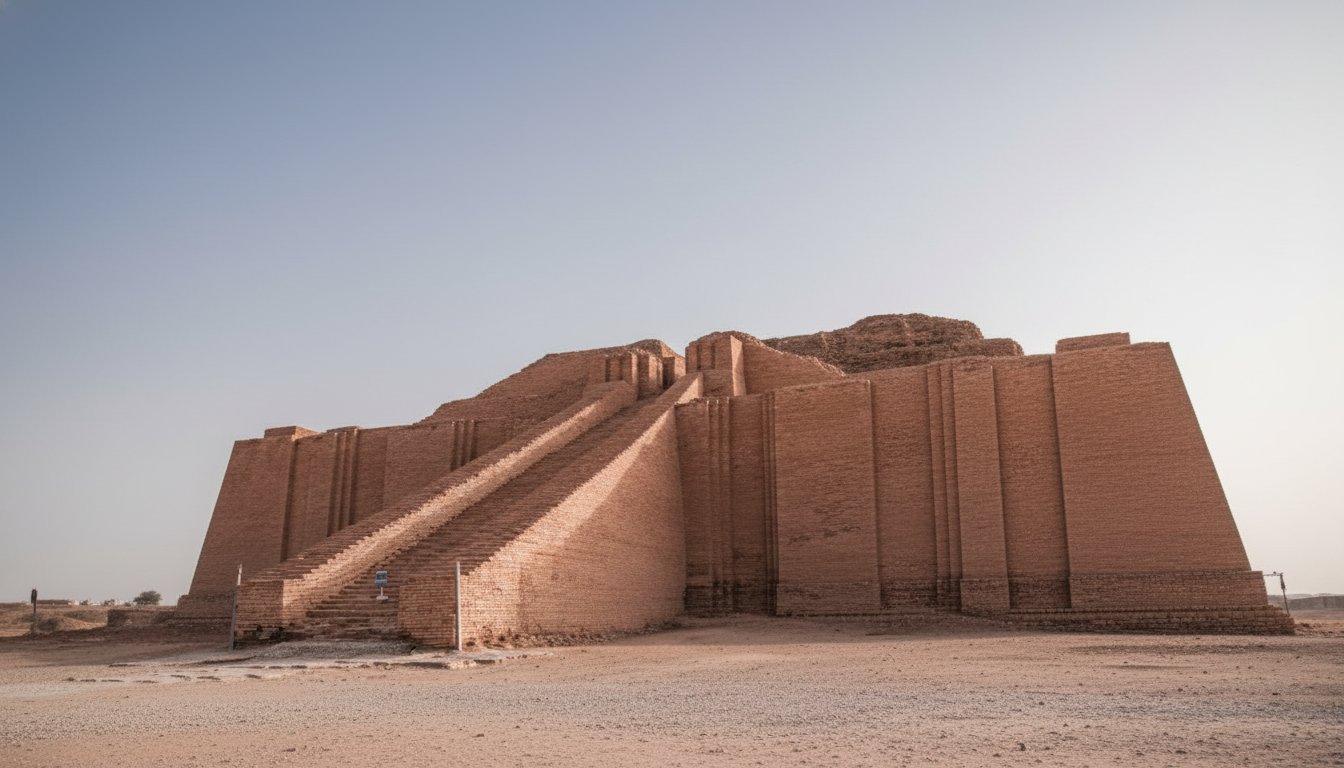
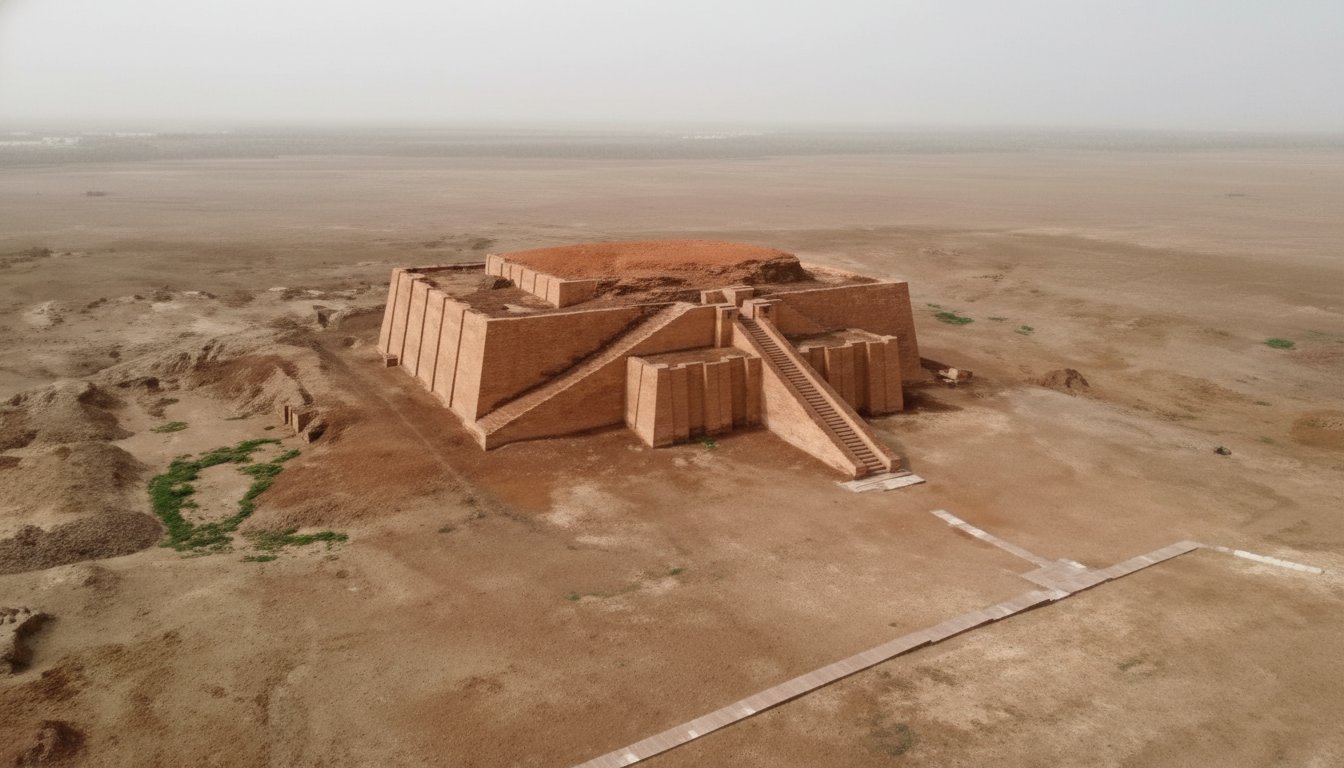
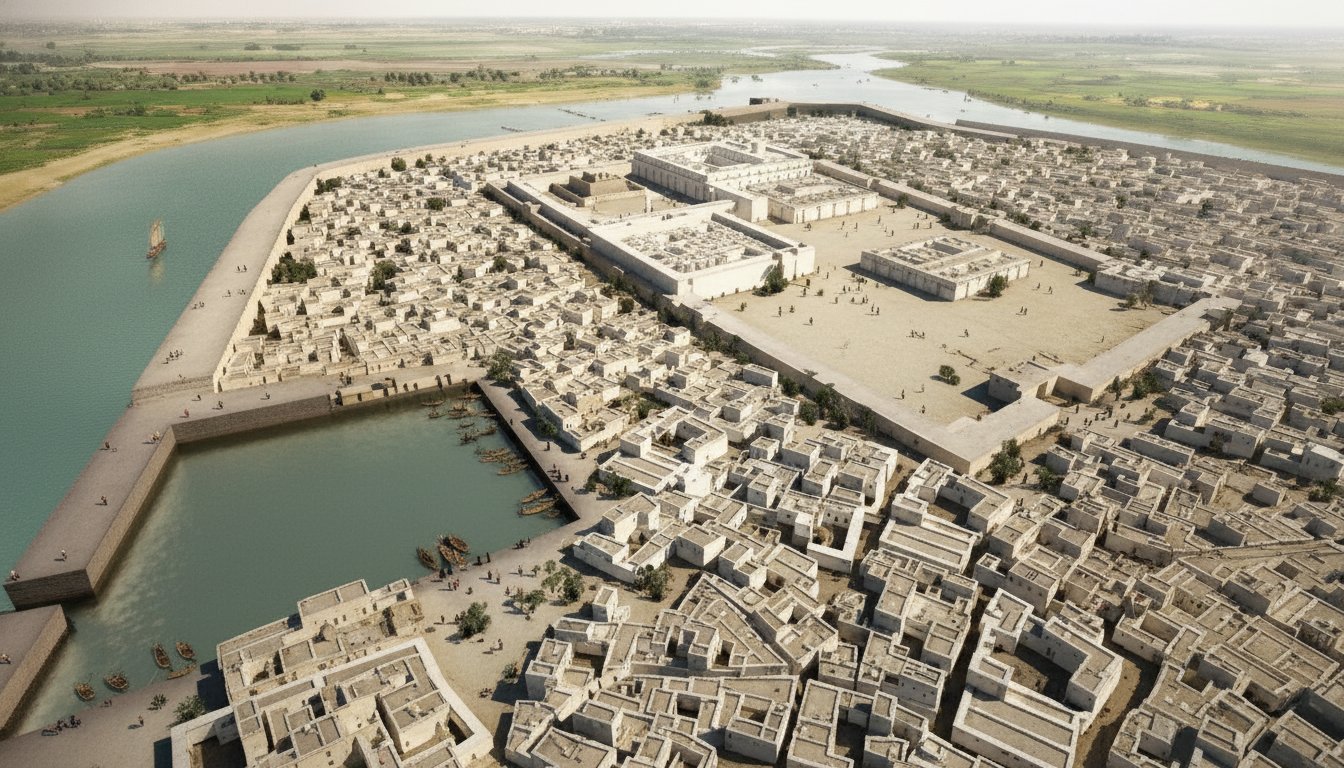
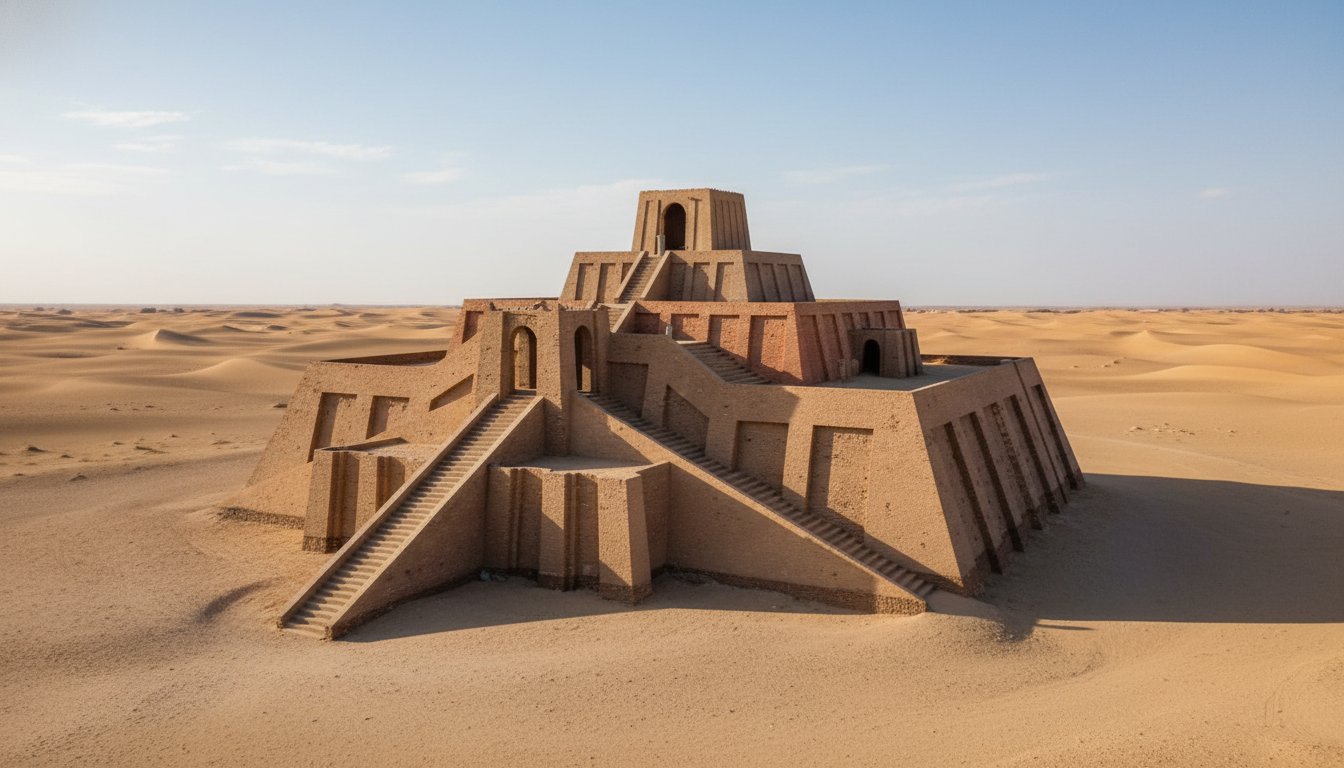
Ur has great historical importance as an ancient Sumerian city that flourished over 4,000 years ago as a major center in Mesopotamia. Ur is believed to be the birthplace of Abraham, giving it deep significance for Judaism, Christianity, and Islam. The site contains extraordinary ruins that tell the story of early urban development, religious practices, and royal burials. The Great Ziggurat of Ur, dedicated to the moon god Nanna, is one of the best-preserved ziggurats in the world.
Are photographs allowed at Ur archaeological site?
Photography is allowed at Ur archaeological site but may require additional permits costing $10-20. Commercial photography likely requires additional official permissions that should be arranged in advance through licensed tour operators. Lens cleaning supplies are recommended due to dust and sand in the air.
Gallery

