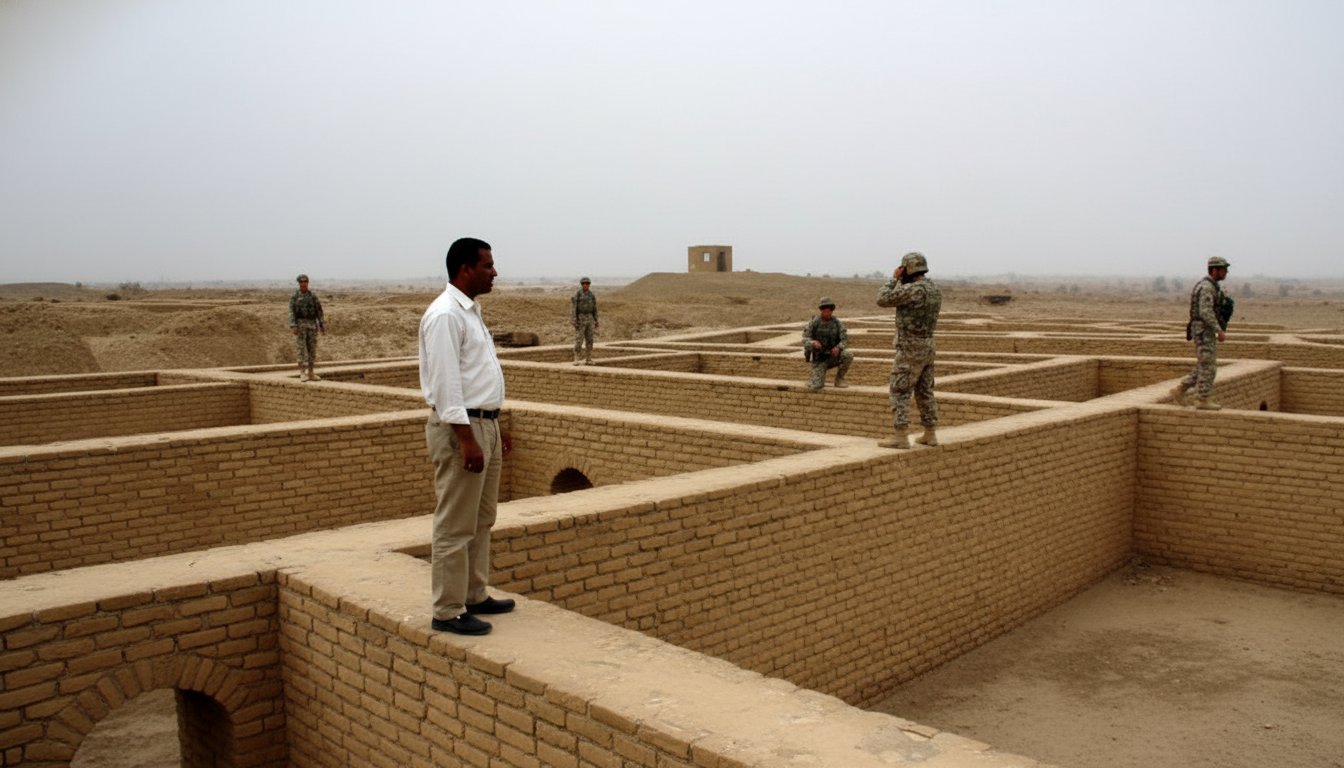
Ur ist eine antike sumerische Stadt im Südiraq bei Nasiriyah und eine der wichtigsten archäologischen Stätten der Welt, die als Wiege der Zivilisation gilt.
Ur ist eine antike sumerische Stadt im Südiraq in der Nähe von Nasiriyah und eine der wichtigsten archäologischen Stätten der Welt, die als Wiege der menschlichen Zivilisation gilt. Es wird angenommen, dass diese Stadt der Geburtsort Abrahams ist, was ihr weltweite religiöse und historische Bedeutung verleiht.
Wie sicher ist ein Besuch in Ur (Archäologische Stätte)?
Ein Besuch in Ur im Jahr 2025 ist relativ sicher, aber Sie sollten Vorsichtsmaßnahmen treffen und sich mit lokalen Behörden abstimmen. Die irakischen Behörden verbessern kontinuierlich die Bedingungen für den archäologischen Tourismus in Gebieten wie Ur, und das Gouvernement Dhi Qar gilt als sicherer für Touristen als andere Teile des Irak. Individuelles Reisen wird jedoch nicht empfohlen.
Wie komme ich von Bagdad und Nadschaf nach Ur?
Um nach Ur über Bagdad oder Nadschaf zu gelangen, muss man über Nasiriyah reisen, was in der Regel 3–4 Stunden mit dem Auto dauert. Besucher fliegen normalerweise zum Bagdad International Airport oder zum Basra International Airport und fahren dann etwa 3–4 Stunden zur Stätte in der Nähe von Nasiriyah. Es ist vorzuziehen, den Transport mit spezialisierten Reiseunternehmen zu koordinieren, die sichere Fahrzeuge und erfahrene Fahrer bereitstellen.
Wie hoch sind die Kosten für den Eintritt in die archäologische Stätte von Ur?
Die Kosten für geführte Touren in Ur liegen zwischen 50 und 100 USD pro Person für den Besuch der Großen Zikkurat, und der Eintritt ins Museum kostet typischerweise 40–80 USD pro Person. Fotogenehmigungen können zusätzliche Gebühren von 10–20 USD erfordern. Besuche sollten über lizenzierte Reiseveranstalter arrangiert werden.
Was ist die beste Reisezeit für Ur?
Die beste Zeit für einen Besuch in Ur sind die kühleren Monate von November bis März, wenn die Temperaturen angenehmer sind. Die Temperaturen liegen in diesen Monaten zwischen 15 und 25°C, was die Erkundung der offenen archäologischen Stätte komfortabler macht. Die Sommermonate von Mai bis September sollten aufgrund extremer Hitze vermieden werden.
Was ist die angemessene Kleidung für die Besichtigung von Ur?
Besucher sollten bescheidene Kleidung tragen, die Schultern, Arme und Beine bedeckt, insbesondere Frauen. Im Südiraq ist es vorzuziehen, auch als Mann lange Hosen zu tragen. Ein Sonnenhut, Sonnenschutz und reichlich Wasser sollten mitgebracht werden, da Schatten auf der gesamten Ausgrabungsstätte extrem begrenzt ist. Festes Schuhwerk ist aufgrund des unebenen Geländes erforderlich.
Benötige ich einen Führer für den Besuch in Ur?
Ja, ein lokaler Führer wird empfohlen und ist aus Sicherheitsgründen oft erforderlich. Individuelles Reisen wird aus Sicherheitserwägung nicht empfohlen, und lizenzierte Führer bieten neben dem Schutz auch den historischen und kulturellen Kontext der Stätte. Alle Besuche sollten über lizenzierte Reiseveranstalter mit den irakischen Tourismusbehörden koordiniert werden.
Was ist das historische Erbe von Ur?
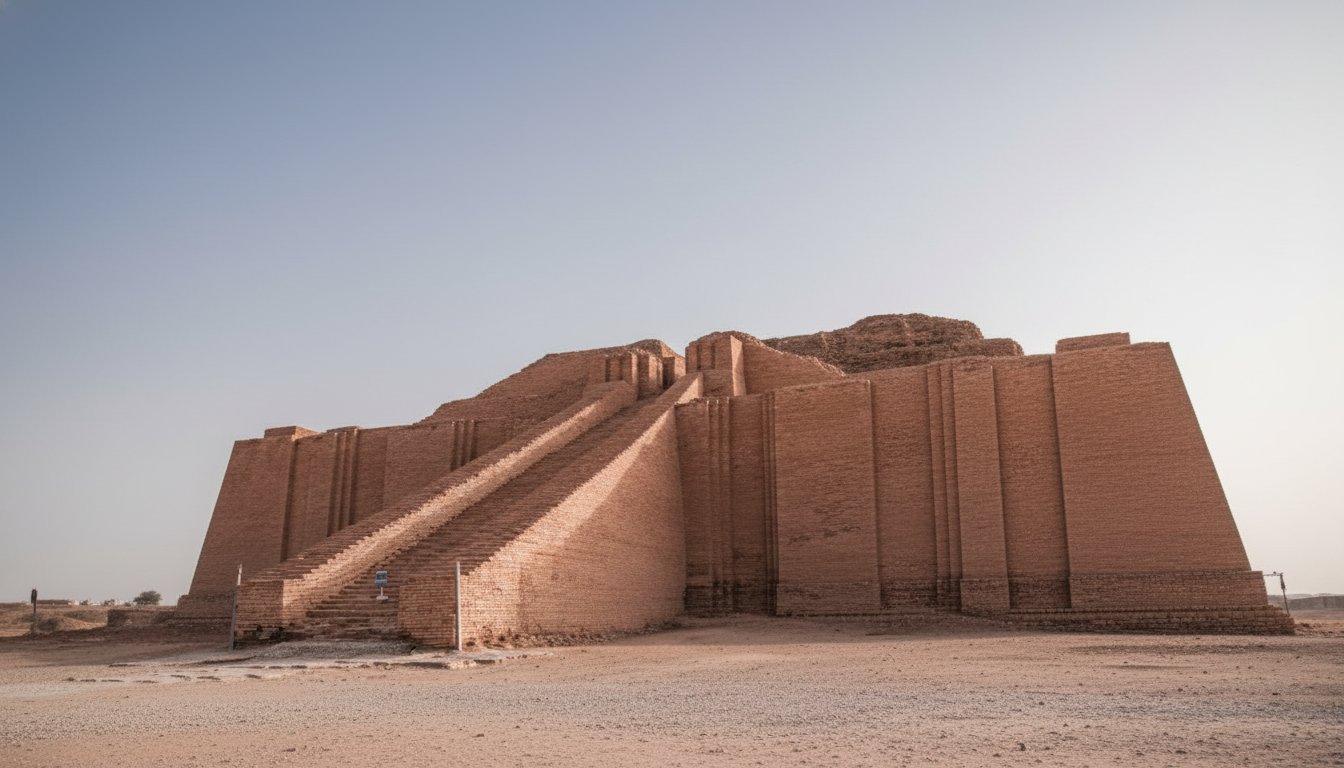
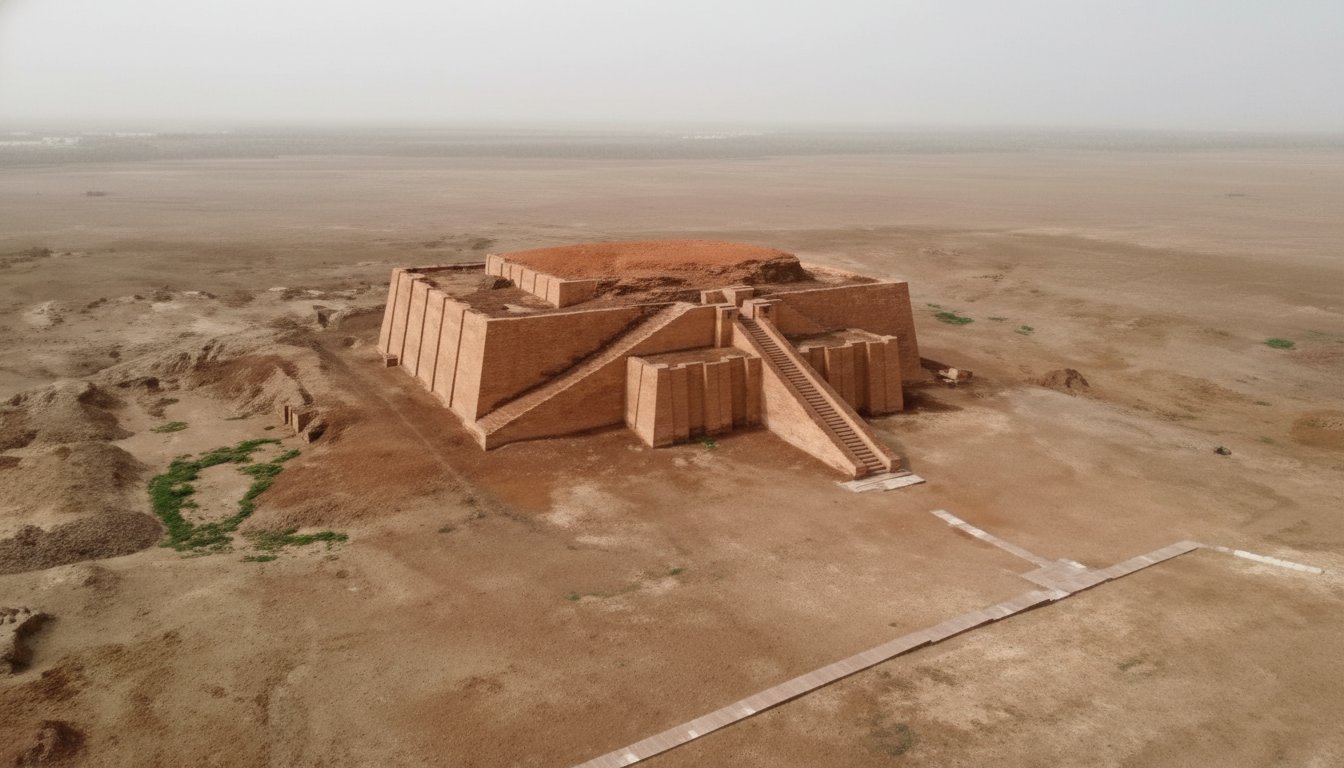
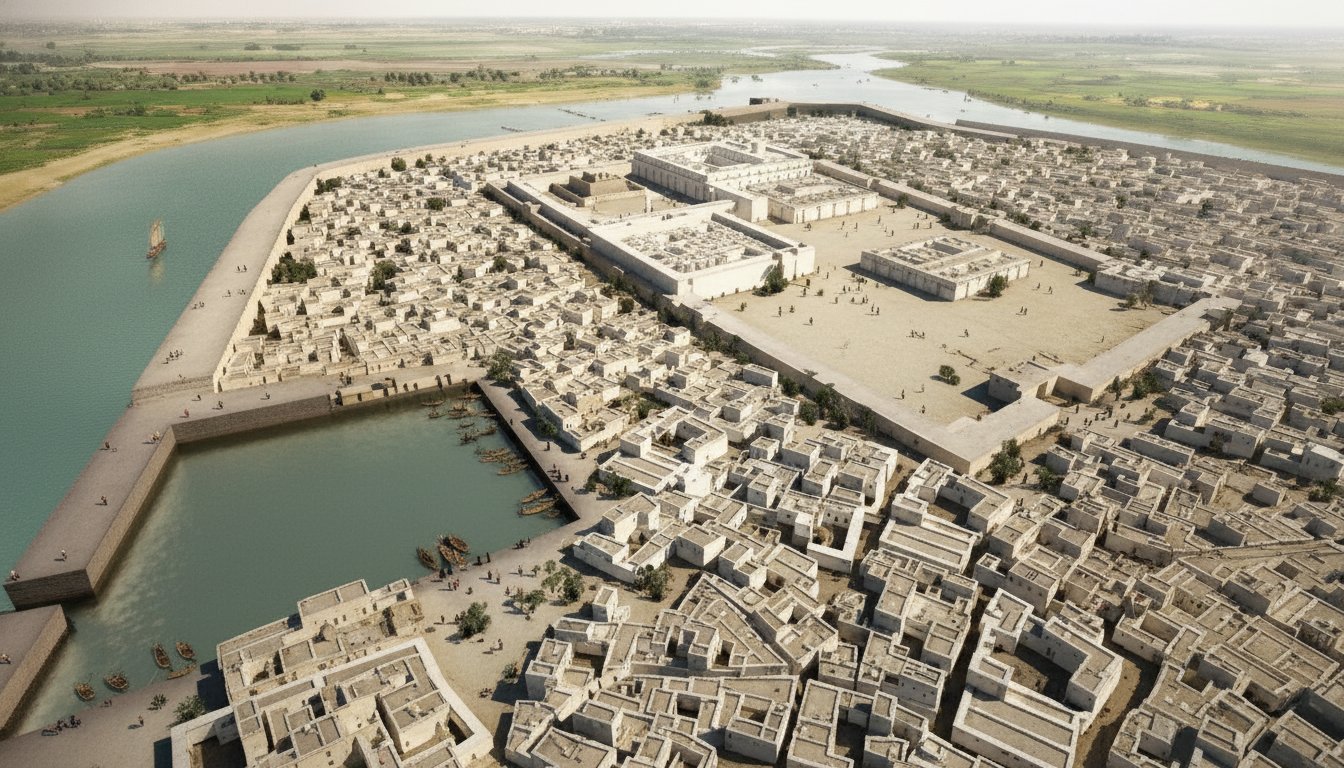
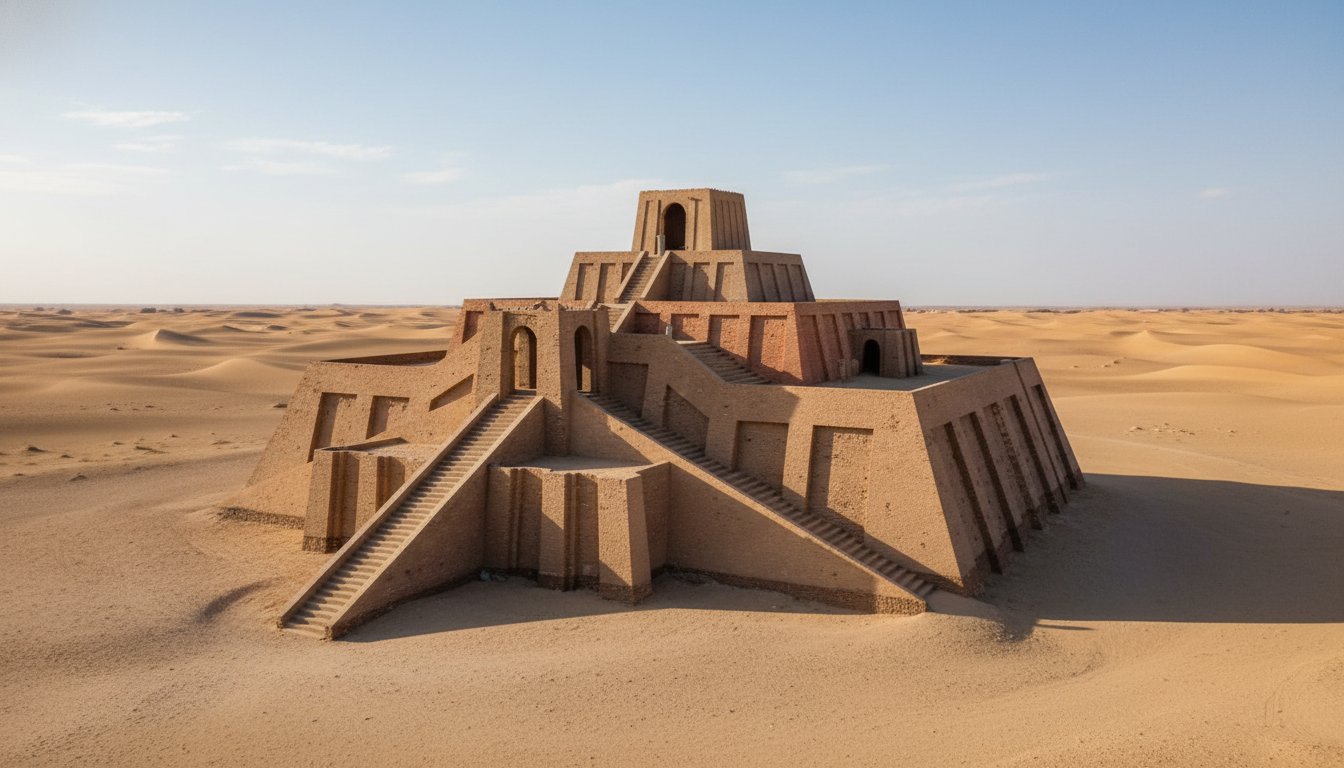
Ur hat eine enorme historische Bedeutung als antike sumerische Stadt, die vor über 4.000 Jahren als wichtiges Zentrum in Mesopotamien florierte. Ur gilt als Geburtsort Abrahams, was der Stadt eine tiefe Bedeutung für das Judentum, das Christentum und den Islam verleiht. Die Stätte enthält außergewöhnliche Ruinen, die die Geschichte früher Stadtentwicklung, religiöser Praktiken und königlicher Bestattungen erzählen. Die Große Zikkurat von Ur, gewidmet dem Mondgott Nanna, ist eine der am besten erhaltenen Zikkurate der Welt.
Ist Fotografieren in der Ausgrabungsstätte von Ur erlaubt?
Fotografieren ist erlaubt, kann aber zusätzliche Gebühren von 10–20 USD erfordern. Kommerzielle Fotografie benötigt wahrscheinlich zusätzliche offizielle Genehmigungen, die im Voraus über Reiseveranstalter arrangiert werden sollten. Reinigungsmaterial für Objektive wird aufgrund von Staub und Sand in der Luft empfohlen.
Gallery

