Planning to drive across Iraq with your family? Here is what a 14-day trip looks like on the ground without a guide, covering visas, checkpoints, car rentals, and daily driving.
Visas and the route from north to south
A road trip can take you from the mountains in northern Iraq down to the southern marshes. In February 2026, a Polish family completed a two-week circuit without a guide, driving through Erbil, Mosul, Samarra, Baghdad, Babylon, Najaf, Nasiriyah, the Chibayish Marshes, Ur, Karbala, and back to Erbil.

Iraq uses a unified federal e-visa system [2], but travelers landing at Erbil Airport might still need to purchase a separate Kurdistan Region entry visa at the terminal, payable by card. Print several paper copies of your e-visa before you travel. Checkpoint officers ask for paper documents, and handing over a printed sheet keeps the stops brief.
Renting a car and driving in Iraq
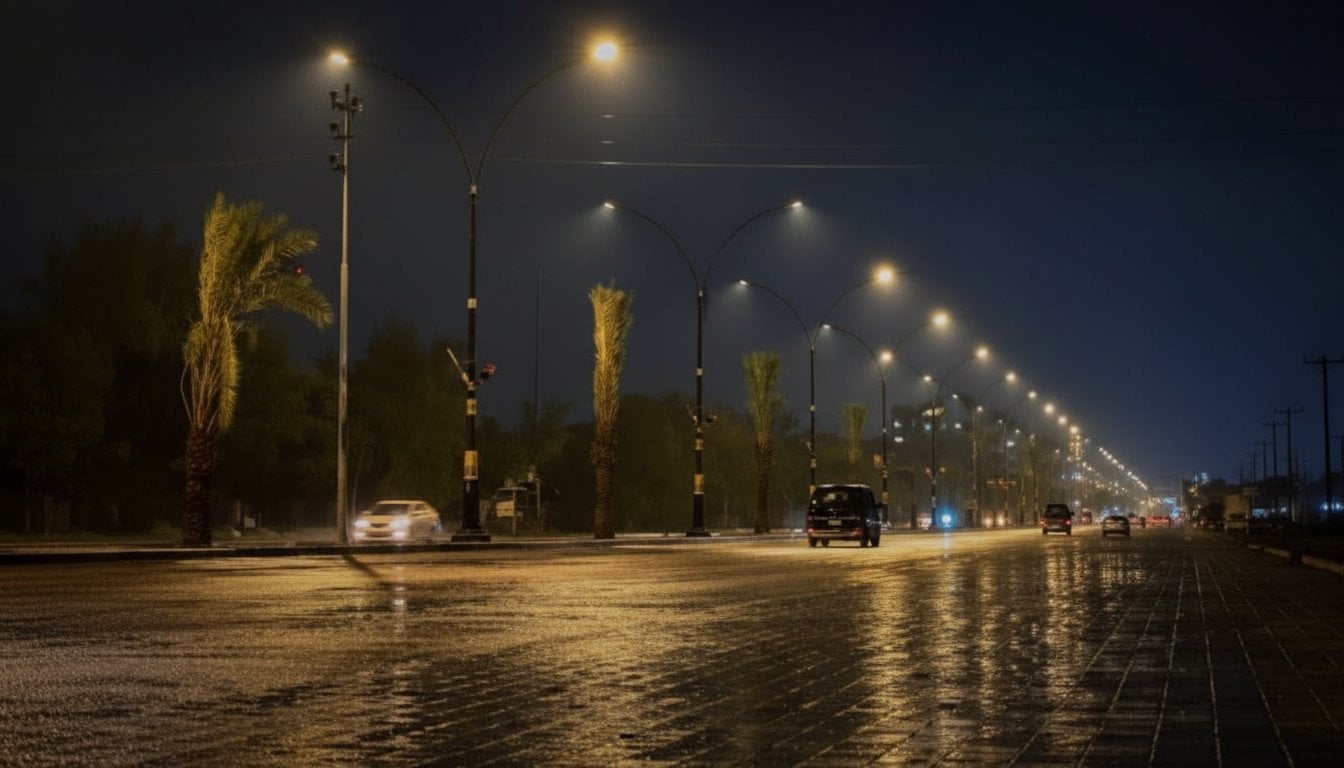
Driving in Iraq requires steady concentration. City traffic feels hectic, with frequent lane weaving and heavy congestion, but intercity highways are generally paved and straightforward. Navigation apps such as Waze provide reliable directions and flag road slowdowns.

When renting a car [3], never leave your passport with the rental agency. You need your passport at every security checkpoint along the road. Leave your domestic driver license with the agency for security instead, and carry your passport and international driving permit with you. Fuel stations are frequent along major highways, and filling up is quick and paid in cash.
Dealing with security checkpoints
Road checkpoints are frequent, especially across northern and central Iraq. You can encounter one every few kilometers. Waits vary from a few seconds to an hour, so plan extra travel time for every driving day.

Officers routinely photograph each passport, ask about your route, and note where you are staying for the night. In some cases, they call your hotel or host to confirm the reservation. The guards remain polite and often hand out bottled water to families passing through, even when you share no common language.
Accommodation, cash, and top sights
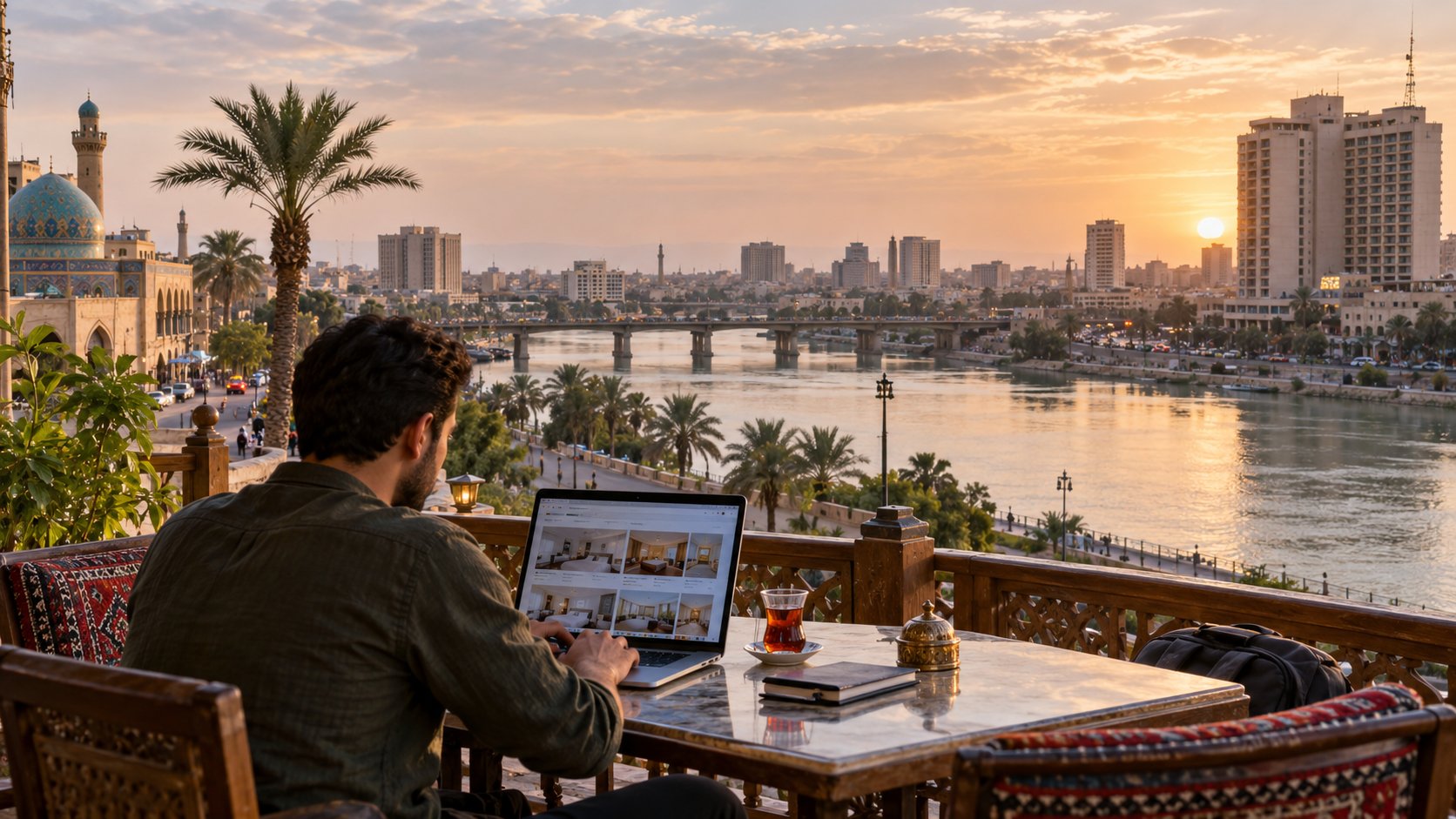
Carry cash for almost every transaction. Exchanging US dollars for Iraqi dinars is straightforward at licensed exchange shops throughout any town. For places to stay, you can alternate between city hotels and private guesthouses, which owners often book day-to-day through WhatsApp.
Ancient sites like Babylon and the Ziggurat of Ur have simple visitor facilities, and ticket fees can feel high relative to the site amenities [1]. Further south, the Chibayish Marshes offer an entirely different setting. An overnight stay by the water, paired with a small boat trip through the reeds, is one of the most rewarding stops in southern Iraq. Travelers also stop in Najaf to see its historic mosques and experience the atmosphere around the shrines.

Iraqi hospitality along the road
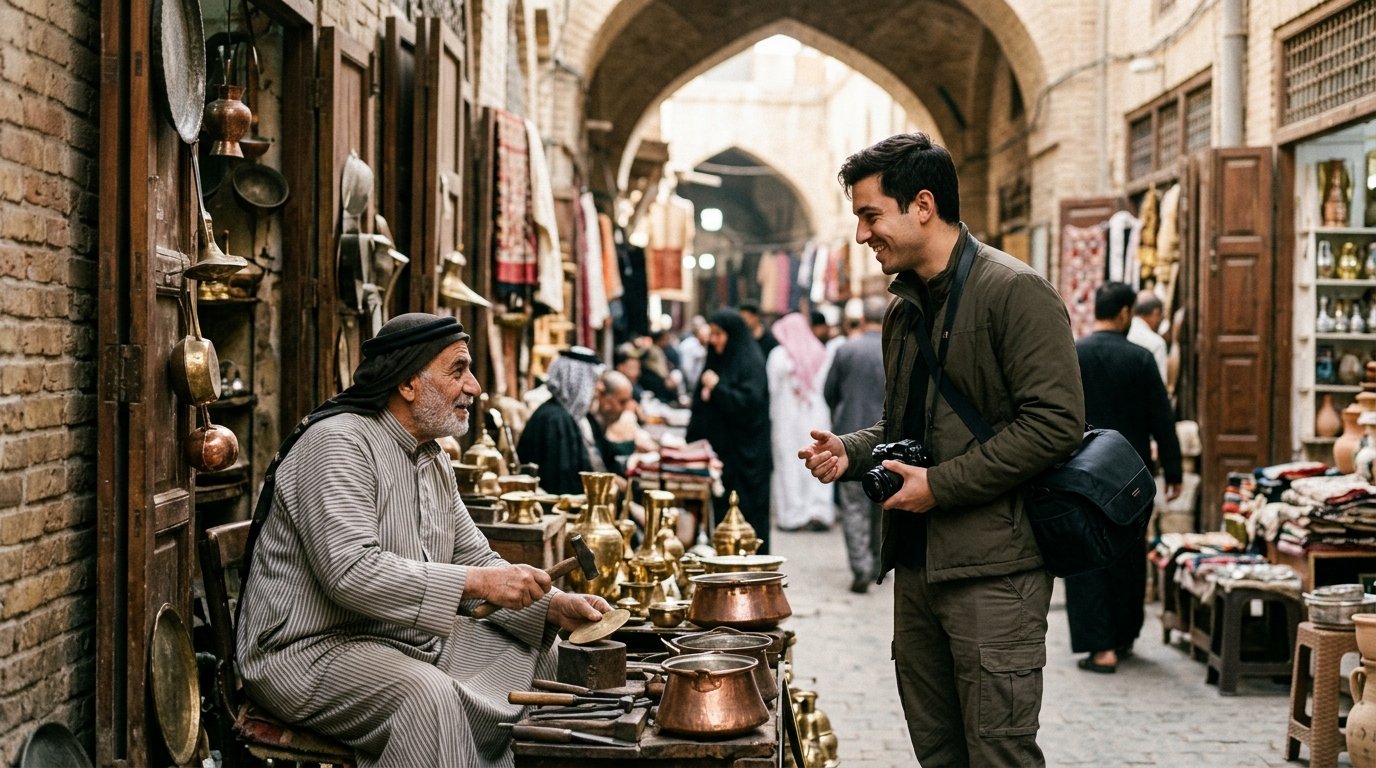
While ancient architecture draws visitors to the country, conversations with residents define the journey. Independent travelers consistently encounter open hospitality. Locals regularly invite visiting families to share black tea, join a meal, or sit with them in public parks. Small shopkeepers often decline money for tea or fruit once they realize you are guests from abroad.
Because foreign tourists remain unusual outside organized group tours, you will rarely encounter crowds of international visitors, even in central Baghdad. That leaves room for direct, unvarnished interactions throughout your stay.
Sources
- Independent Family Travel Blog, A Real Tourist Experience in Iraq, February 2026.
- Unified Electronic Visa Website for the Republic of Iraq, evisa.iq
- Driving and Car Rental for Tourists Internationally, internationaldrivingagency.com
❓Frequently Asked Questions
Here are answers to frequently asked questions about the content above
Although Iraq has a federal e-visa, arriving at Erbil Airport often requires buying a separate Kurdistan Region entry visa on arrival using a payment card. Check the latest border updates before flying.
No, you can travel across Iraq independently without a guide by using navigation apps and local advice. Hiring a local guide remains helpful if you want deeper historical detail at complex archaeological sites.
You need a valid driver license and cash for the rental fee. Leave your home driver license with the rental agency rather than your passport, because guards will ask to see your passport at road checkpoints.
Stops take anywhere from a few seconds to an hour, depending on the post and how long guards take to examine and log your passports. Factor these extra delays into your daily driving schedule.
Almost all daily expenses require cash. Changing US dollars into Iraqi dinars is quick and simple at currency exchange storefronts across the country.
February, late winter, and early spring offer the best weather, with daytime temperatures between 20 and 30 degrees Celsius and mild conditions suitable for sightseeing.