Discover how to visit the holy cities of Najaf and Kufa with respect and safety. This guide provides practical tips on appropriate attire, shrine conduct, and the best times for a peaceful spiritual experience.
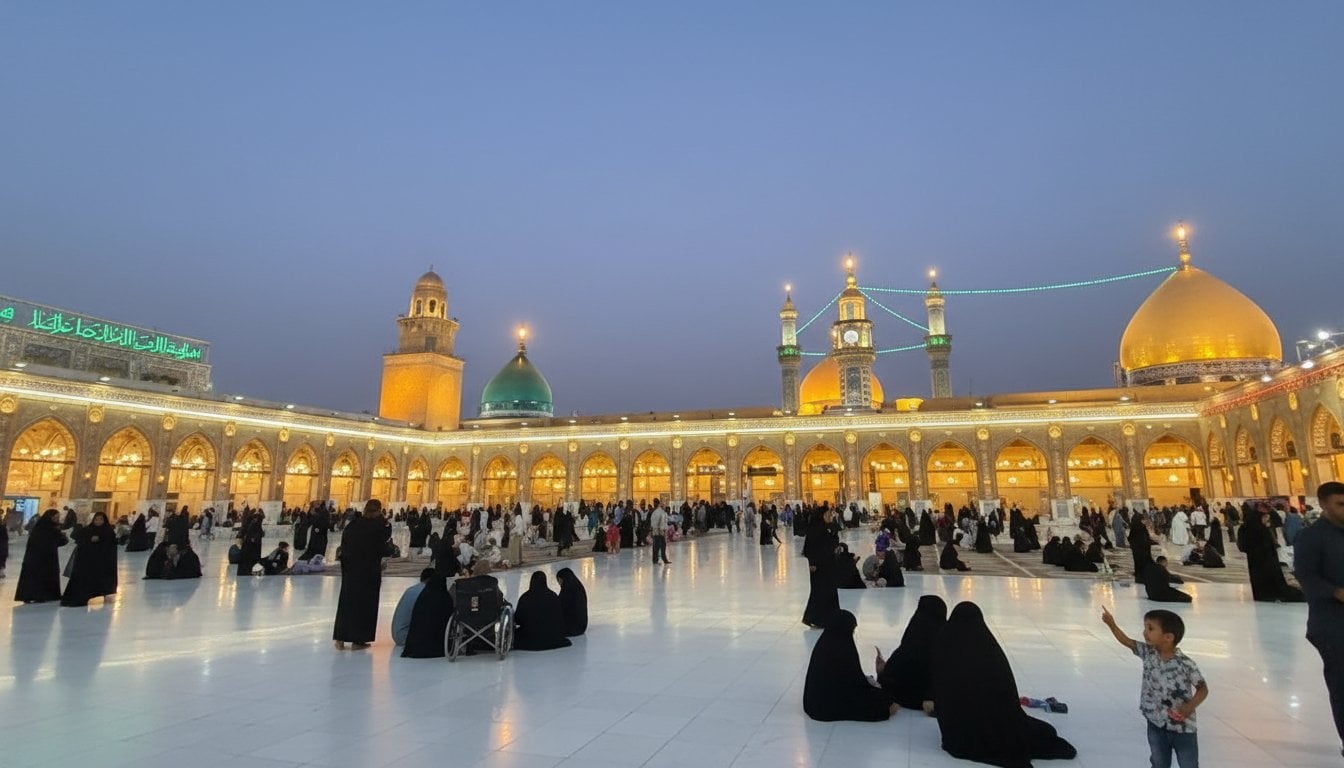
What is the Appropriate Dress Code for Najaf and Kufa? Visitors must adhere to a very modest dress code that reflects the sanctity of the location, as Najaf and Kufa are among the holiest cities in Iraq [1]. For women, wearing the Iraqi "Abaya" (or Chador) is mandatory when entering the holy shrines and the areas immediately surrounding them. For men, shorts or sleeveless shirts are strictly prohibited in public places, and long-sleeved shirts and long trousers are preferred [2].
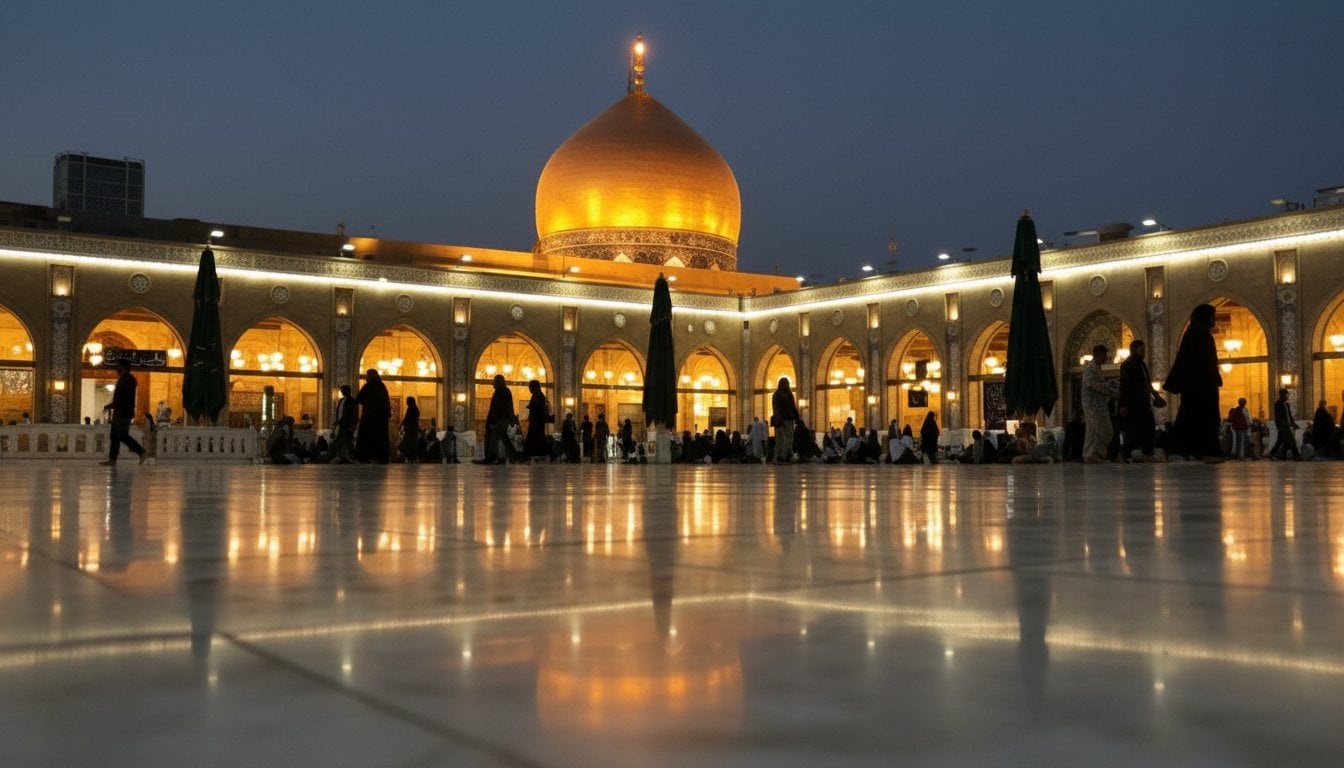
How to Conduct Yourself Inside Holy Shrines and Mosques? When entering the Imam Ali Holy Shrine in Najaf or the Great Mosque of Kufa, there are strict rules to follow to ensure respect for worshippers and other visitors:
- Removing Shoes: Shoes must be left at the "Kishwaniyya" (designated cloakrooms) before entering roofed or carpeted areas [3].
- Complete Silence: Raising one's voice or speaking loudly is prohibited inside the sanctuary, and mobile phones must be placed on silent mode.
- Respecting Worshippers: Avoid passing in front of people while they are performing prayers; if you must pass, do so from behind them [1].
- Security Checks: Be prepared for several security checkpoints at the entrances to the Old City and the Shrines; cooperate with security personnel with patience and respect [2].
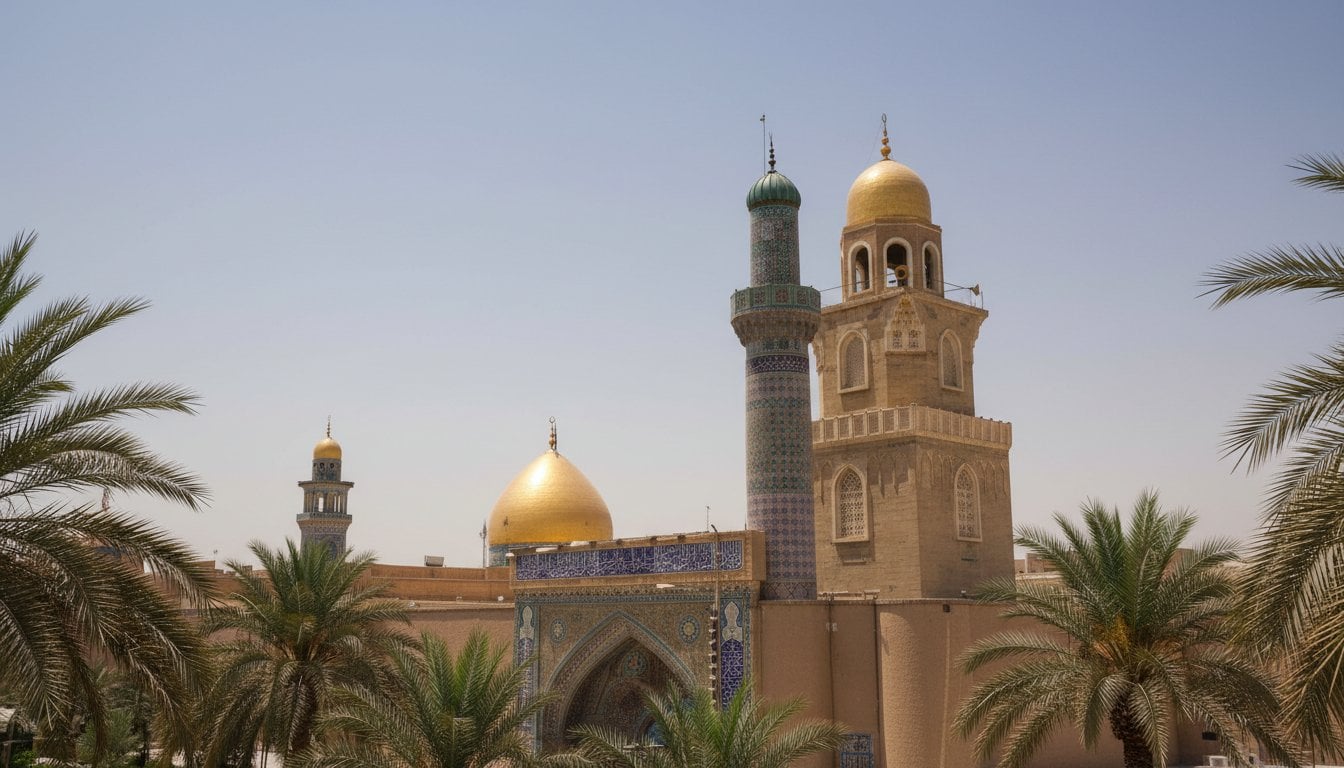
When is the Best Time to Visit Najaf and Kufa? The period from October to April is considered the best in terms of weather, with mild and pleasant temperatures for exploring on foot [4]. If you wish to avoid millions-strong crowds, try to stay away from major religious occasions such as "Arbaeen" or the anniversary of the martyrdom of Imam Ali (as), when the two cities fill with millions of visitors from all over the world [5]. However, if you are looking for a mass spiritual experience, these occasions provide an atmosphere of unparalleled generosity and folk rituals.
Common Mistakes Tourists Should Avoid To avoid embarrassing situations or legal issues, beware of these mistakes: * Photography without Permission: Professional photography inside the shrines is prohibited without prior authorization. Always ask for permission before photographing people [3]. * Public Displays of Affection: Public displays of affection (such as holding hands) should be avoided in the streets surrounding the shrines, as this is considered socially inappropriate in these conservative cities [2]. * Ignoring Prayer Times: Movement inside the sanctuary is very crowded and restricted during mandatory prayer times; plan your visit outside these times if you wish to see the architecture clearly.
Additional Tips for Foreign Travelers * Carrying Documents: Always ensure you carry your passport or a copy of it, as you will need it at hotels and major checkpoints. * Water and Hydration: Even in mild months, walking can be long; make sure to drink sufficient amounts of water, which is available for free at "Sabeel" points scattered around the shrines [4]. * Learning Basic Words: Learning a few basic greeting phrases in Arabic will enhance your experience and interaction with the locals, who are known for their exceptional hospitality.
Sources
- Al-Mojib Network: Etiquette of Visiting Holy Shrines — https://almojib.com/ar/question/2895
- Against the Compass: Iraq Travel Guide (Najaf and Karbala) — https://againstthecompass.com/en/travel-iraq/
- TravelSetu: Imam Ali Holy Shrine Tourism Guide — https://travelsetu.com/guide/imam-ali-holy-shrine-tourism
- Koryo Group: Najaf Travel Guide — https://koryogroup.com/blog/travel-guide-najaf-iraq
- Young Pioneer Tours: Comprehensive Iraq Travel Guide — https://www.youngpioneertours.com/iraq-travel-guide/
❓Frequently Asked Questions
Here are answers to frequently asked questions about the content above
Yes, all women, regardless of their religion, must wear the hijab and abaya when entering the holy shrines, and it is preferred to adhere to modest clothing and a headscarf in the streets of the Old City out of respect for local traditions.
Yes, all visitors of different religions and nationalities are welcome, provided they adhere to the dress code and general etiquette followed inside these holy places.
Most likely, you will be prevented from entering the sanctuary by security guards or volunteers, and you will be tactfully asked to cover immodest areas or wear appropriate clothing before returning.
Simple photography with a phone is usually allowed in the outer courtyard (Sahn), but photography is strictly prohibited inside the 'Haram' (the gilded tomb area) or using professional cameras and stands without official permission.
Shoes must be placed in the free cloakroom centers (Kishwaniyya) located at the entrances, and you will receive a token to retrieve them when leaving. It is not recommended to carry your shoes with you in a bag.
Yes, these two cities are considered among the safest areas in Iraq thanks to the intensive security presence and high public awareness of protecting guests and visitors.