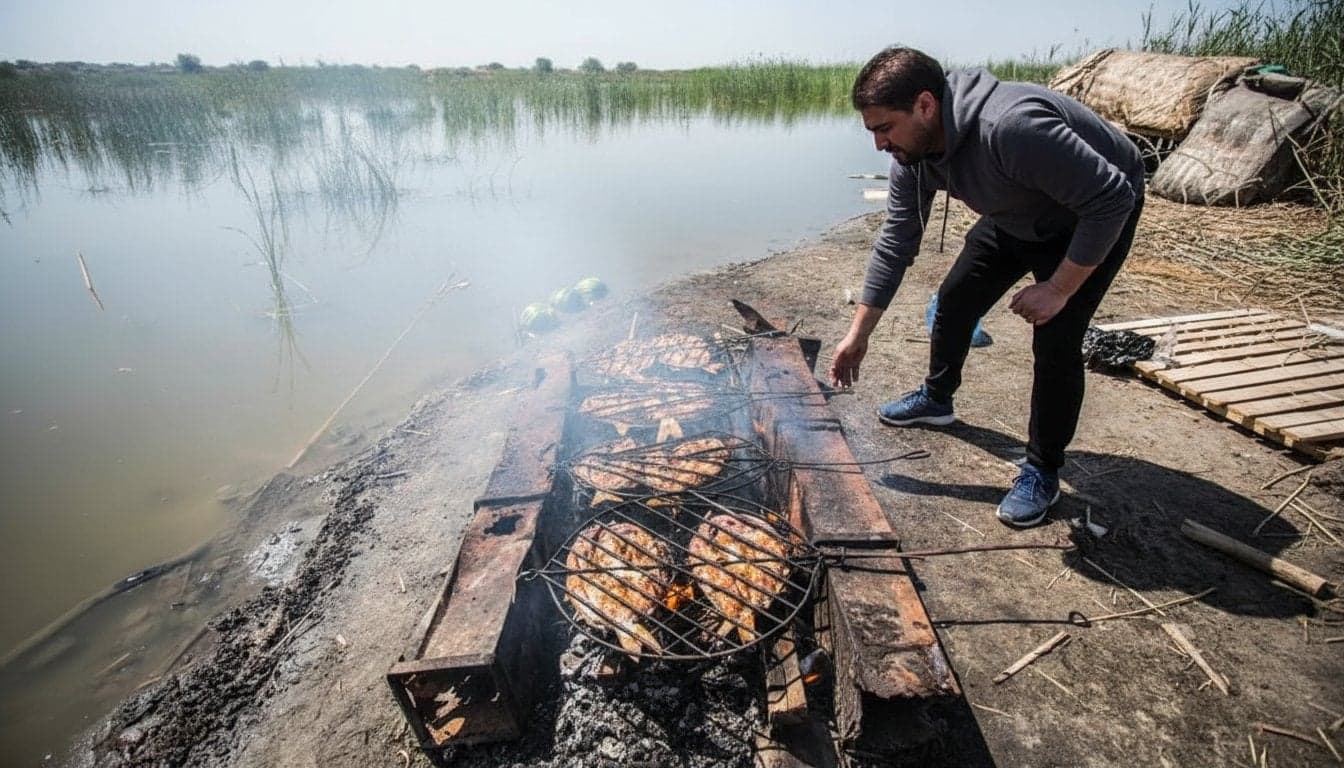
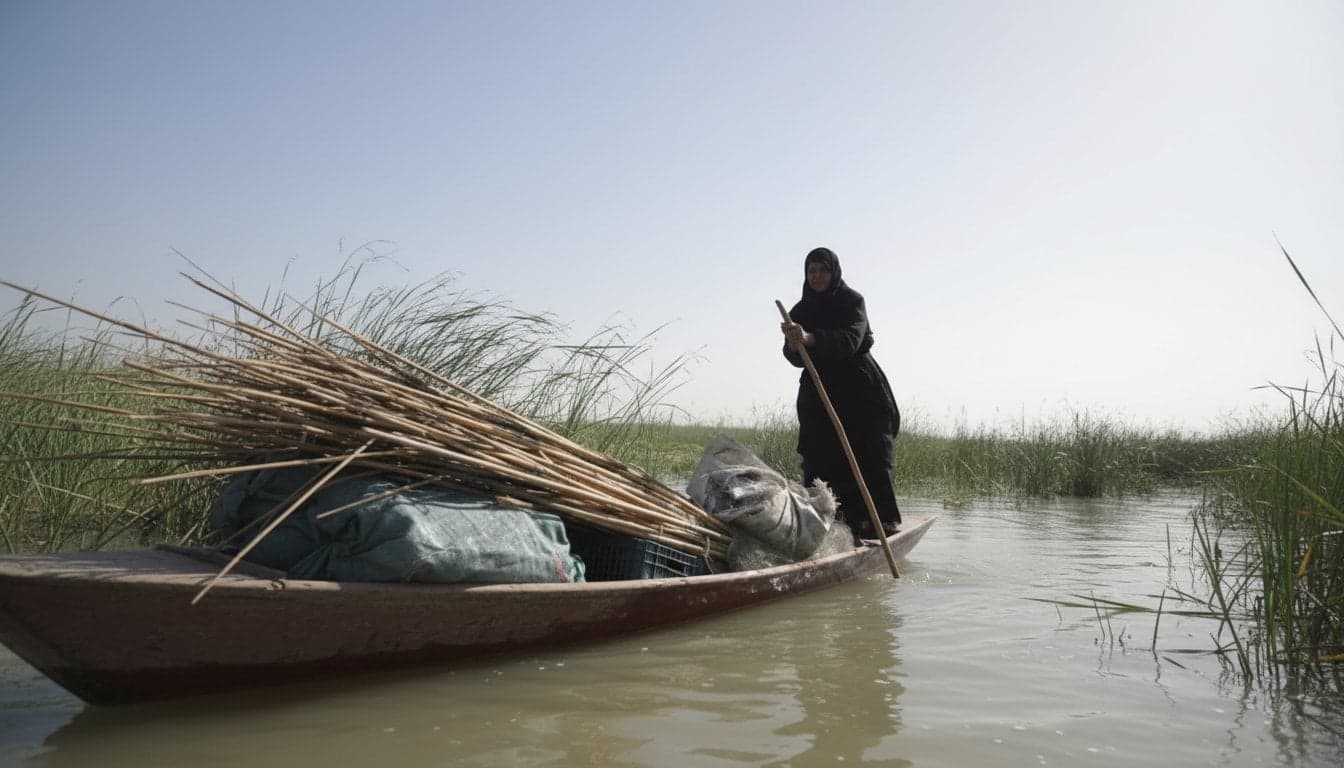
The Central Marshes in southern Iraq are the heart of the marshland ecosystem and a home to reeds, water, migratory birds, and Marsh Arab culture. Expect calm boat rides, reed guesthouses, and a globally significant wetland landscape.
The Central Marshes in southern Iraq are the heart of the marshland ecosystem and one of the region’s largest wetlands, bringing water, reeds, and living culture together in one place. Visit Iraq offers this concise guide to plan a safe, realistic visit.
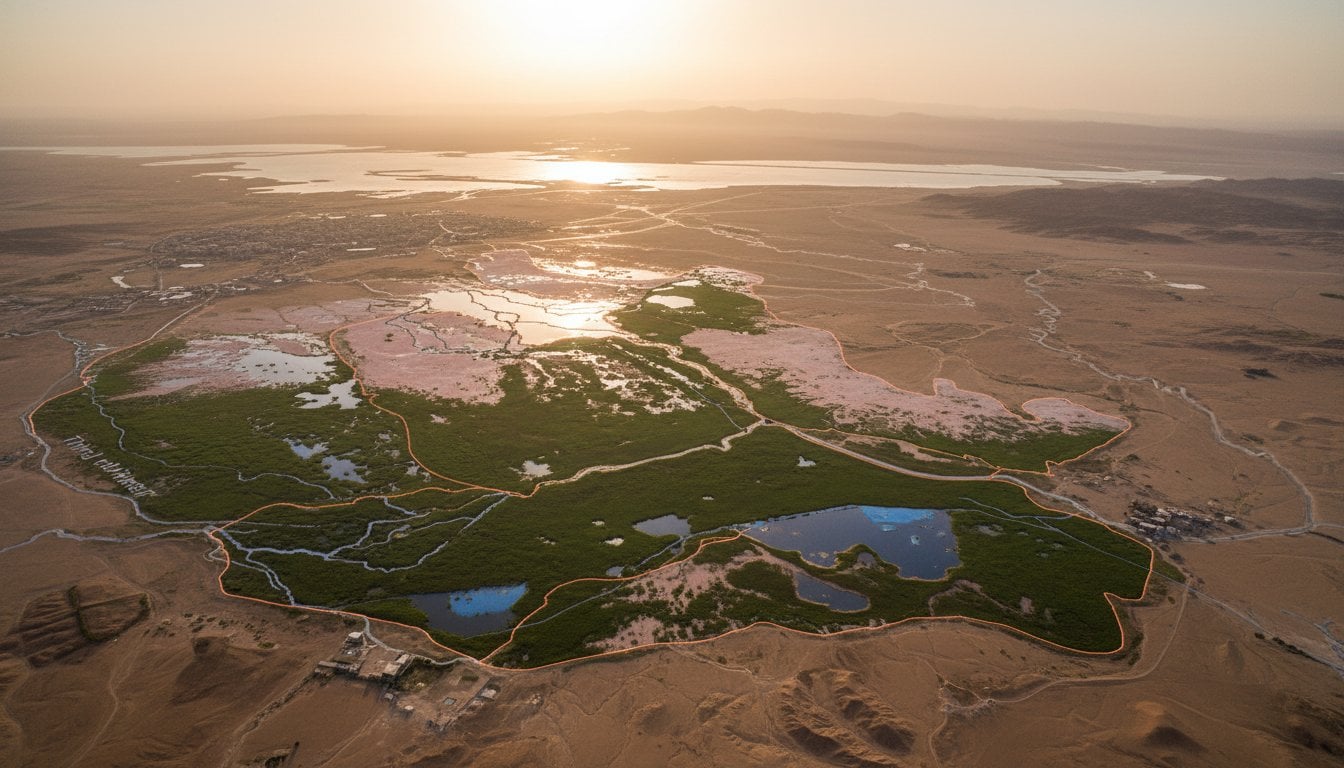
What are the Central Marshes and Where are They Located?
The Central Marshes are an essential part of the Iraqi Marshlands (Ahwar) located between the Tigris and Euphrates rivers. They represent the most ecologically dense area within the marsh system. Located across the governorates of Dhi Qar, Maysan, and Basrah, they are managed as a component of the "Ahwar of Southern Iraq" UNESCO World Heritage site. Visit Iraq recommends treating the area as a vast network of waterways rather than a single point on a map.
Why are the Central Marshes Globally Important?
The Central Marshes are inscribed on the UNESCO World Heritage list and are also a Ramsar site of international importance. This status reflects their critical role in biodiversity, supporting migratory birds, and representing a rare ecosystem in an extremely arid environment. Visit Iraq reminds visitors that a trip here is not just a walk, but an experience in a sensitive and internationally classified environmental site.
When is the Best Time to Visit the Central Marshes?
The comfortable season usually spans from early September until late April, when temperatures are milder and water levels are generally better. In summer, temperatures can exceed 50°C (122°F), making boat tours exhausting or sometimes unsafe. Visit Iraq recommends booking in advance during peak winter seasons to avoid crowds.
Suggested Season Schedule:
| Period | Visit Suitability | Notes |
|---|---|---|
| September – November | Excellent | Mild weather and the start of the marsh season |
| December – February | Very Good | Cold nights and a beautiful misty experience |
| March – April | Good | Moderate temperatures before the extreme heat |
| May – August | Poor | High heat and lower water levels |
How Do I Get to the Central Marshes?
The starting point is usually the city of Nasiriyah or the Chibayish district (Dhi Qar), where boat trips are organized locally. The distance from Nasiriyah to the marsh areas is over 80 km, so it is preferable to leave in the morning and return the same evening. Visit Iraq advises checking road conditions and water levels before departing.
Access Options:
| Starting Point | Means of Access | Notes |
|---|---|---|
| Nasiriyah | Car/Local Driver | Practical option for most visitors |
| Chibayish | Car then Boat | The traditional entry to the marshes |
What Will I Do There?
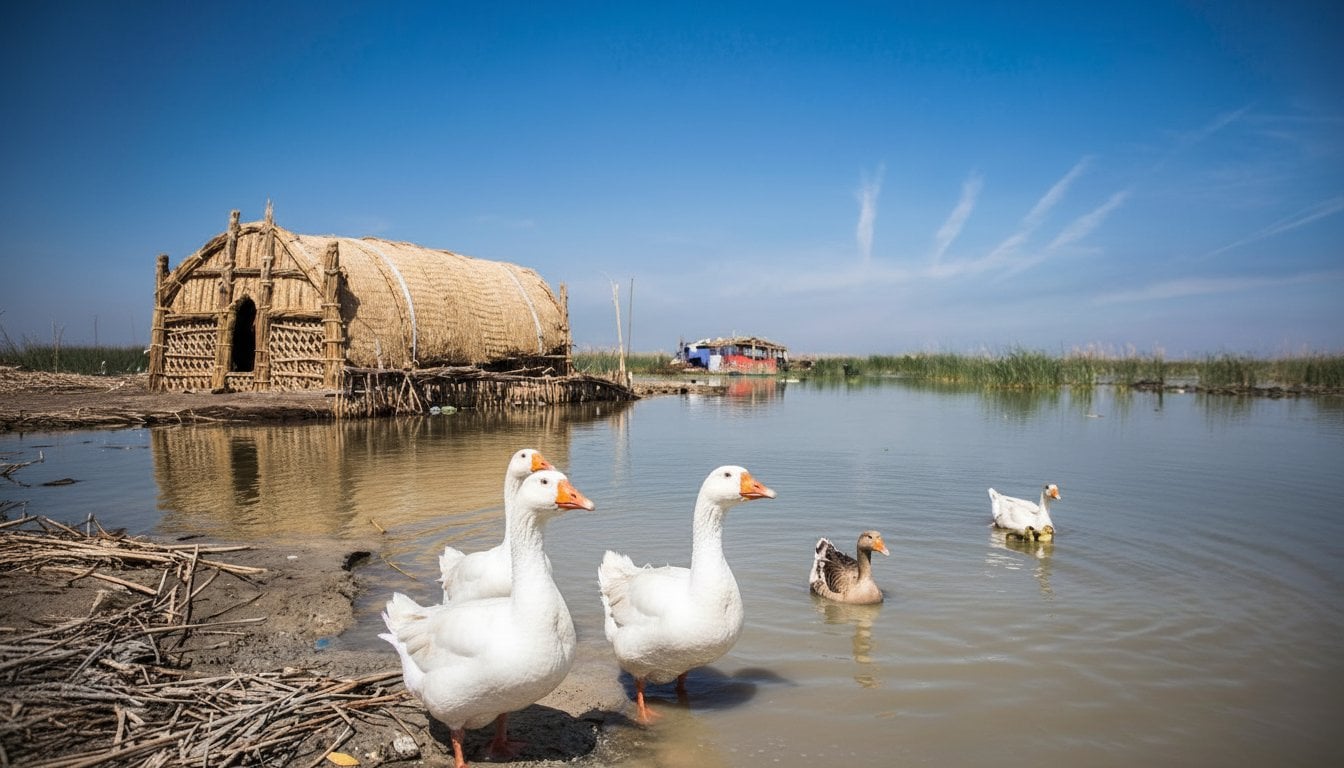
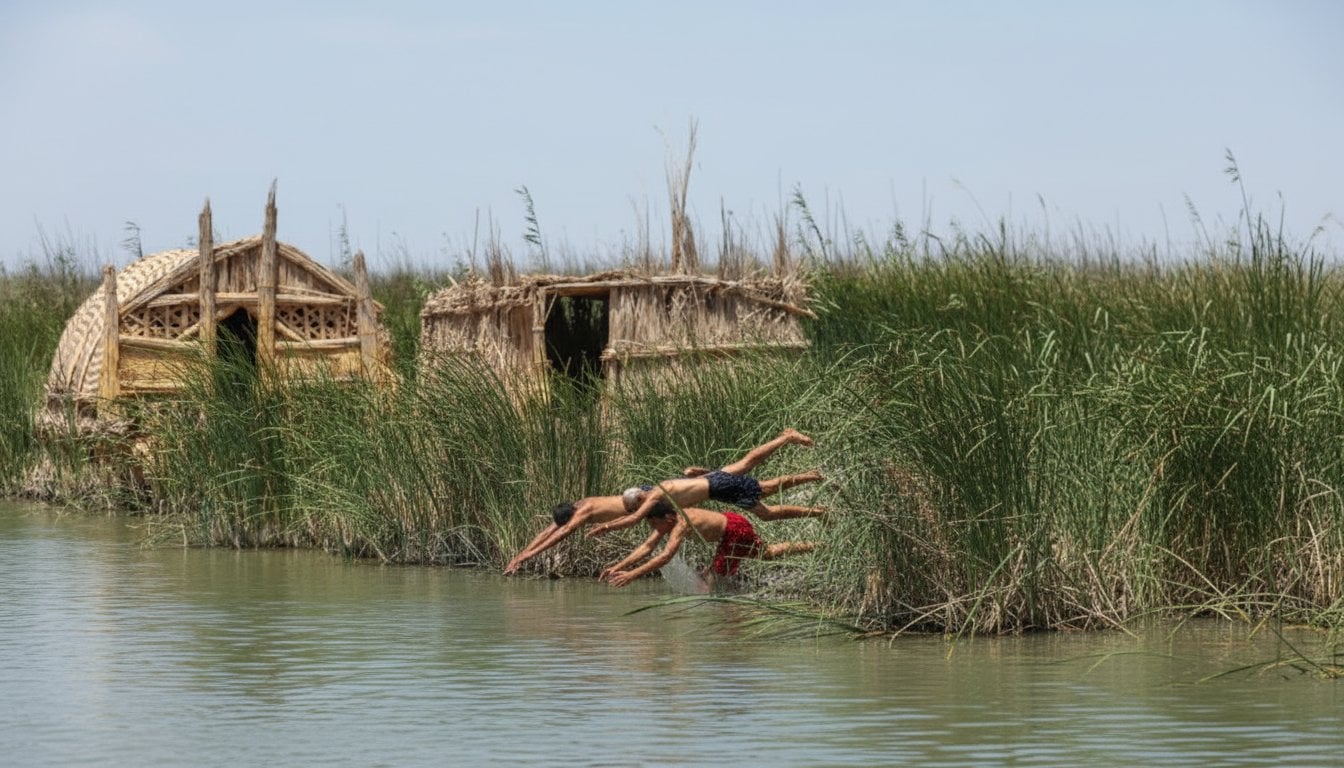
The most popular activities include boat tours through reed channels, visiting Mudhif (traditional reed guesthouses), bird watching, and nature/daily life photography. Many visitors describe the journey as peaceful and meditative. Visit Iraq suggests allocating two to three hours for the boat tour, depending on the water level.
What Do Visitors Say About the Central Marshes?
Here are some short impressions taken from visitor reviews:
- “The marshes offer a rare glimpse into nature and traditions as if they were stopped in time.” — Tripadvisor, June 26, 2025.
- “A beautiful boat trip completed with a nice lunch in a traditional reed house.” — Tripadvisor, April 23, 2025.
- “A very beautiful and enjoyable place.” — Tripadvisor, August 18, 2023.
- “Must see these beautiful marshes… damaged slightly by drought.” — Tripadvisor, February 22, 2023.
Visit Iraq recommends reading recent reviews before traveling, as water conditions can change quickly.
What About Local Culture and Visit Etiquette?
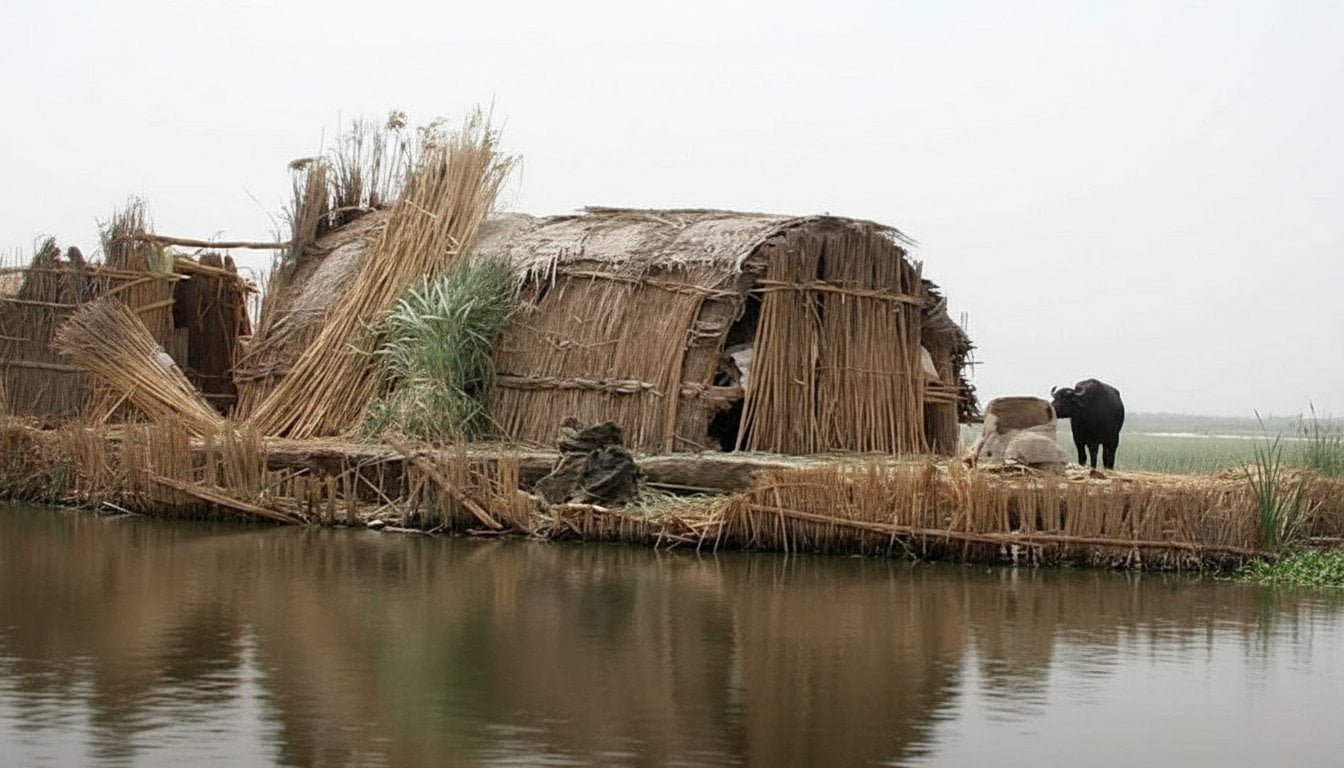
The marshes are the traditional home of the Ma’dan (Marsh Arabs), characterized by reed dwellings, boat building, and buffalo herding. Respecting privacy, asking before taking photos, and wearing modest, comfortable clothing are all ways to show respect for the social environment. Visit Iraq suggests bringing a small gift for the host if you are invited into a traditional Mudhif.
What Should I Know About Safety?
The US Department of State places Iraq under a "Level 4: Do Not Travel" advisory. This doesn’t automatically prevent a visit but means serious security planning is necessary, relying on a trusted local guide and constantly monitoring official warnings. Visit Iraq puts safety first and suggests coordinating with a driver/guide with local experience.
What are the Expected Costs?
There are no official uniform prices for visiting the marshes; costs are usually agreed upon locally based on the duration of the tour and the number of visitors. Therefore, it is better to ask more than one local operator before deciding. Visit Iraq suggests setting a budget in advance and ensuring life jackets are available.
Estimated Cost Table (Subject to Change):
| Item | How it is Calculated | Notes |
|---|---|---|
| Boat Tour | Based on time and count | Local negotiation required |
| Hospitality/Lunch | Optional | Often served in a Mudhif |
| Local Guide | Based on experience | Useful for translation and navigation |
Are There Services or Accommodation Nearby?
Services are limited within the marshes themselves, and visitors usually stay in Nasiriyah and take day trips. Therefore, it is recommended to book a hotel in the city in advance and plan to return before dark. Visit Iraq notes that infrastructure in some areas is still under development.
How Do Environmental Challenges Affect the Visit?
The marshes are affected by water shortages, upstream dams, and pollution, which sometimes lead to lower water levels or changes in boat routes. It is important to confirm the field situation before visiting, especially during dry seasons. Visit Iraq recommends asking about the water status at least two days before travel.
Frequently Asked Questions (FAQ)
Are the Central Marshes open all year round? Yes, but heat and water conditions make some months less suitable.
Do I need a local guide? This is preferable for logistical, cultural, and security reasons.
Are there official entry fees? There are no announced official fees; costs are related to boat services.
Can I visit the marshes with children? Possible in moderate seasons and while taking safety measures.
Is photography allowed? Generally yes, but it is best to ask for permission when photographing people.
Can I combine the marshes with an archaeological site? Yes, the visit can be combined with Ur or Eridu if time permits.
Is there phone and internet coverage? Coverage is intermittent within the marshes; prepare suitable alternatives.
Gallery