Rising 2,127 meters above Iraqi Kurdistan, Mount Korek offers alpine scenery, a modern 4-kilometer aerial cable car, winter snow sports, and the historic ruins of the Cold War-era Erbil Observatory.
Mount Korek
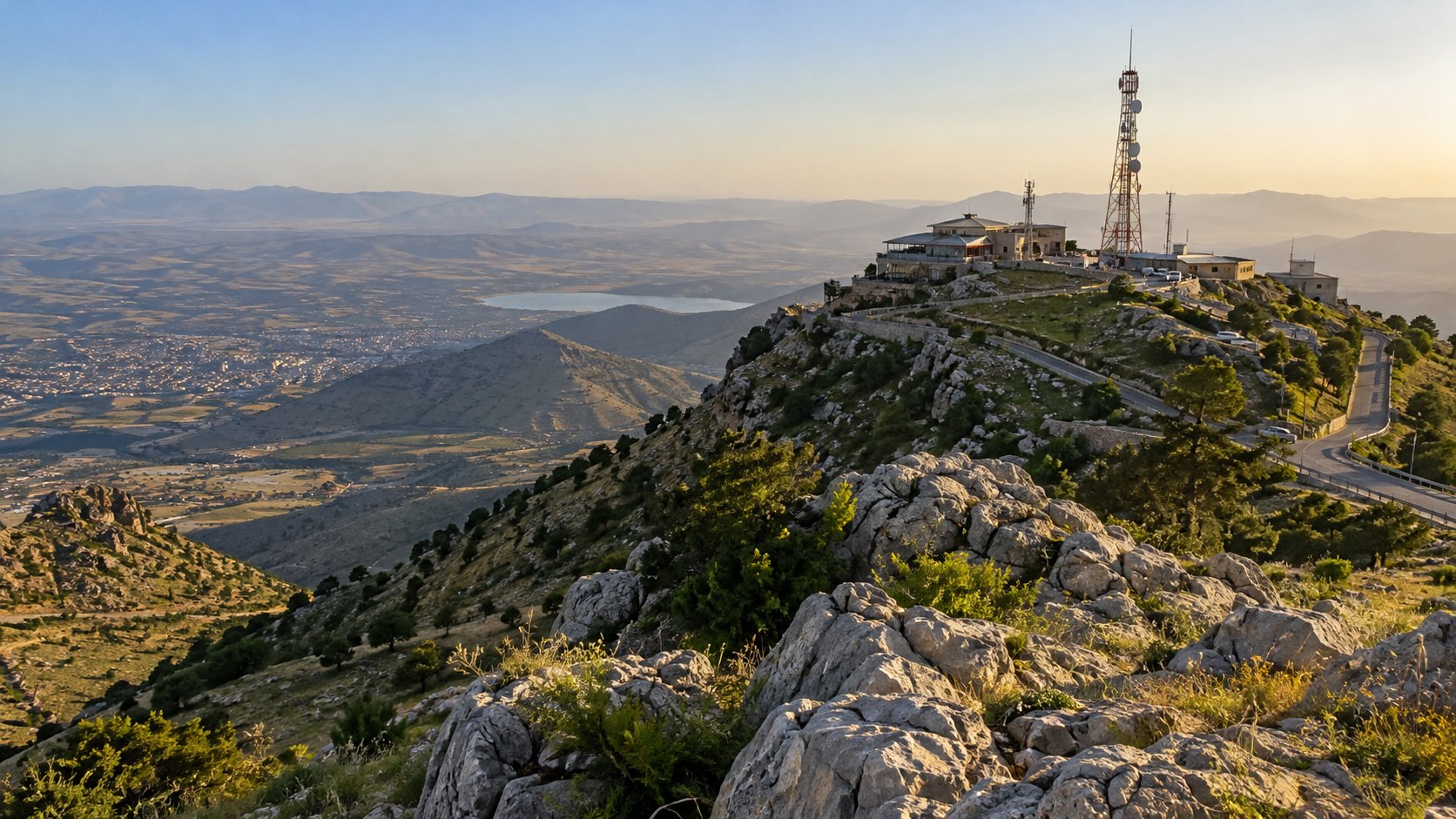
Perched above the limestone valleys of Iraqi Kurdistan, Mount Korek (Kurdish: Çîyayê Korek, چیای کۆڕەک) rises to 2,127 meters (6,978 feet). Located in Erbil Governorate near Soran and Rawandiz—roughly 110 kilometers northeast of Erbil—this Zagros peak has transformed from a strategic military position into the region's main mountain resort.
Covered in snow in winter and offering cool air during the lowland heat of summer, Mount Korek provides accessible alpine scenery year-round.
The Ascent: The Doppelmayr Cable Car (Teleferic)
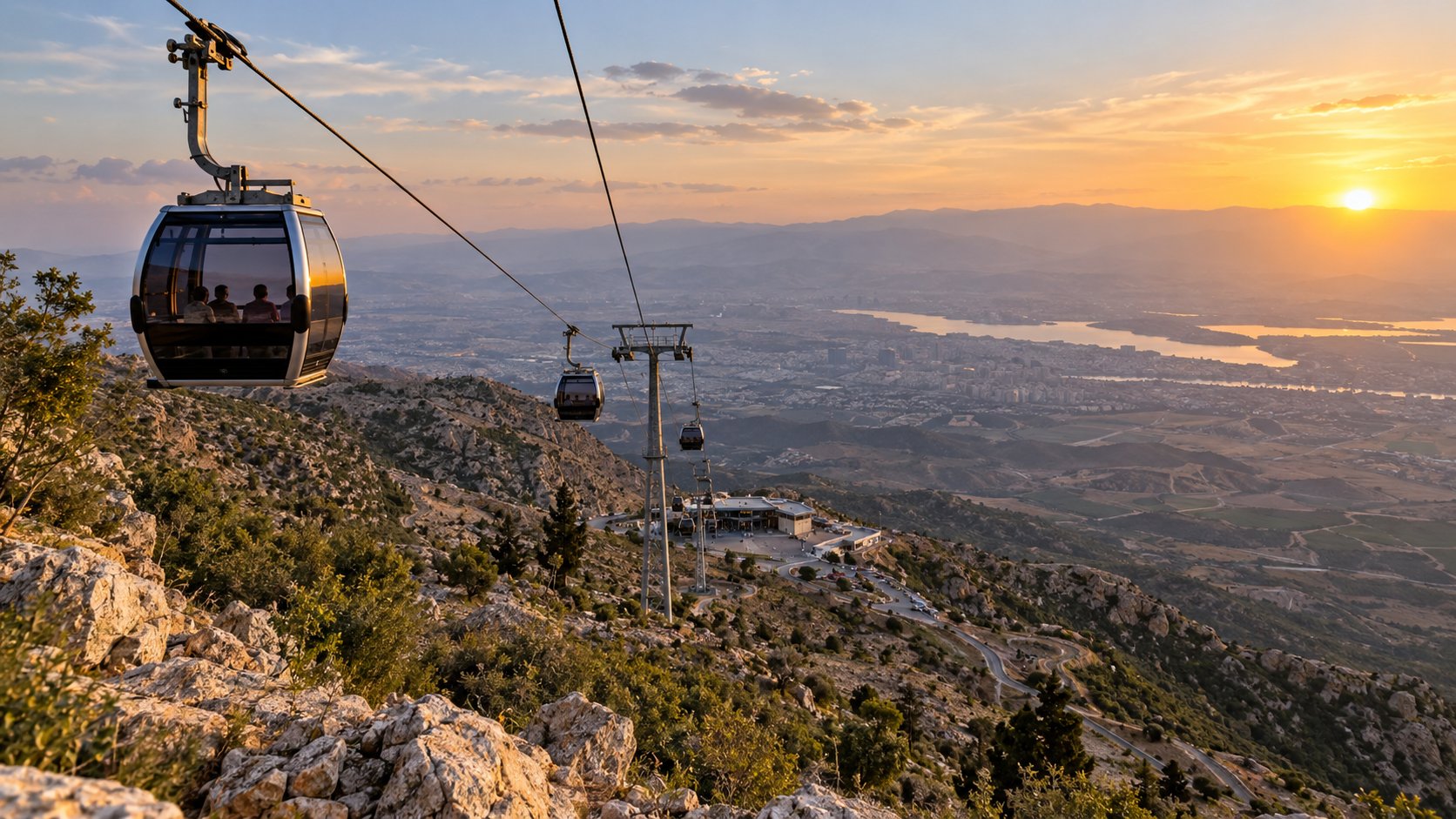
For decades, reaching the summit ridge required difficult treks or four-wheel-drive journeys along unpaved military tracks. Today, visitors ascend via an aerial ropeway built by Austrian manufacturer Doppelmayr.
Locally called the teleferic, the cable car system spans roughly four kilometers, making it one of the longest continuous ropeways in the Middle East. It begins at a base station near the Bekhal waterfall road, at roughly 650 meters elevation, and climbs to the upper plateau in about 15 to 20 minutes.
Along the ascent, the ride delivers wide views:
- Valley Panoramas: The Rawandiz Gorge, mountain streams, and terraced orchards open up below.
- Limestone Cliffs: Gondolas rise past sheer karst formations showing the folded geology of the Zagros range.
- Summit Arrival: The upper terminal docks near the 2,000-meter mark, stepping directly out onto mountain scrub and high-altitude slopes.
Korek Mountain Resort & Alpine Recreation
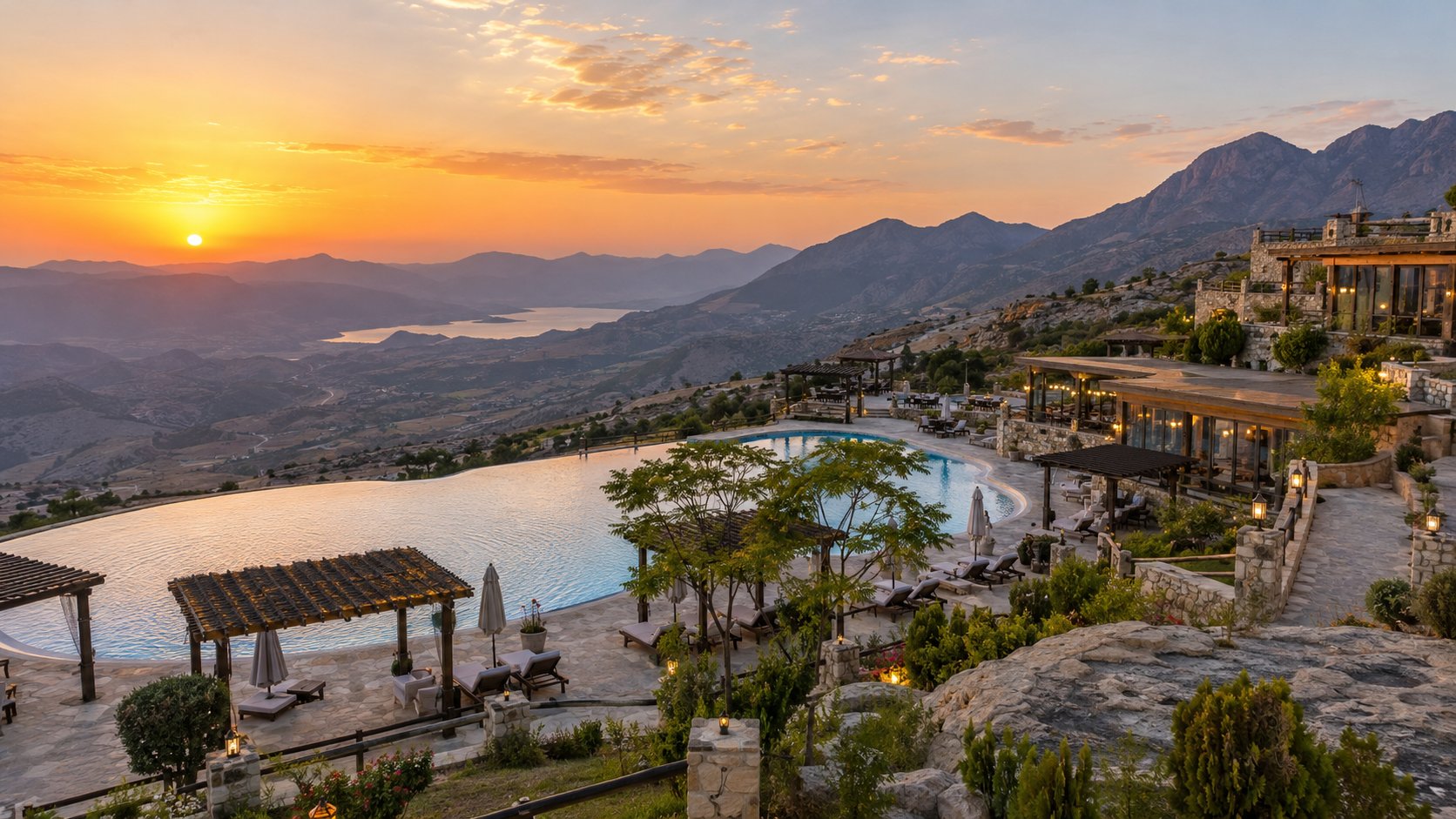
At the summit plateau stands the Korek Mountain Resort & Spa, developed by Kurdistan's Darin Group. The facility serves both day visitors and overnight guests.
Winter Activities
From late December through March, Mount Korek receives between 60 and 100 days of snow, with temperatures frequently dropping below freezing:
- Tubing and Sledding: Groomed slopes beside the upper terminal provide tubing lanes that fill with families on weekends.
- Beginner Skiing and Snowboarding: Gentle gradients let novice skiers practice on snow.
- Winter Walking: Marked routes allow visitors with sturdy boots to walk along the ridge line toward panoramic viewpoints.
Summer Refuge
During July and August, when lowland cities like Baghdad and Erbil regularly top 45°C, summit temperatures at Mount Korek stay around 25°C to 30°C. Mountain breezes and outdoor cafe terraces make the plateau a favored escape from summer heat.
Resort Facilities
The resort site also includes:
- Mountain Chalets: About 132 standalone villas and chalets equipped with heating, kitchenettes, and valley views.
- Dining: Chiya Restaurant and Cafe 1690 serve Kurdish grilled meats, hot drinks, and snacks behind glass walls overlooking the range.
- Amusements: Open-air rides, ziplines, and quad tracks open when seasonal weather permits.
A Cold War Relic: The Erbil Observatory
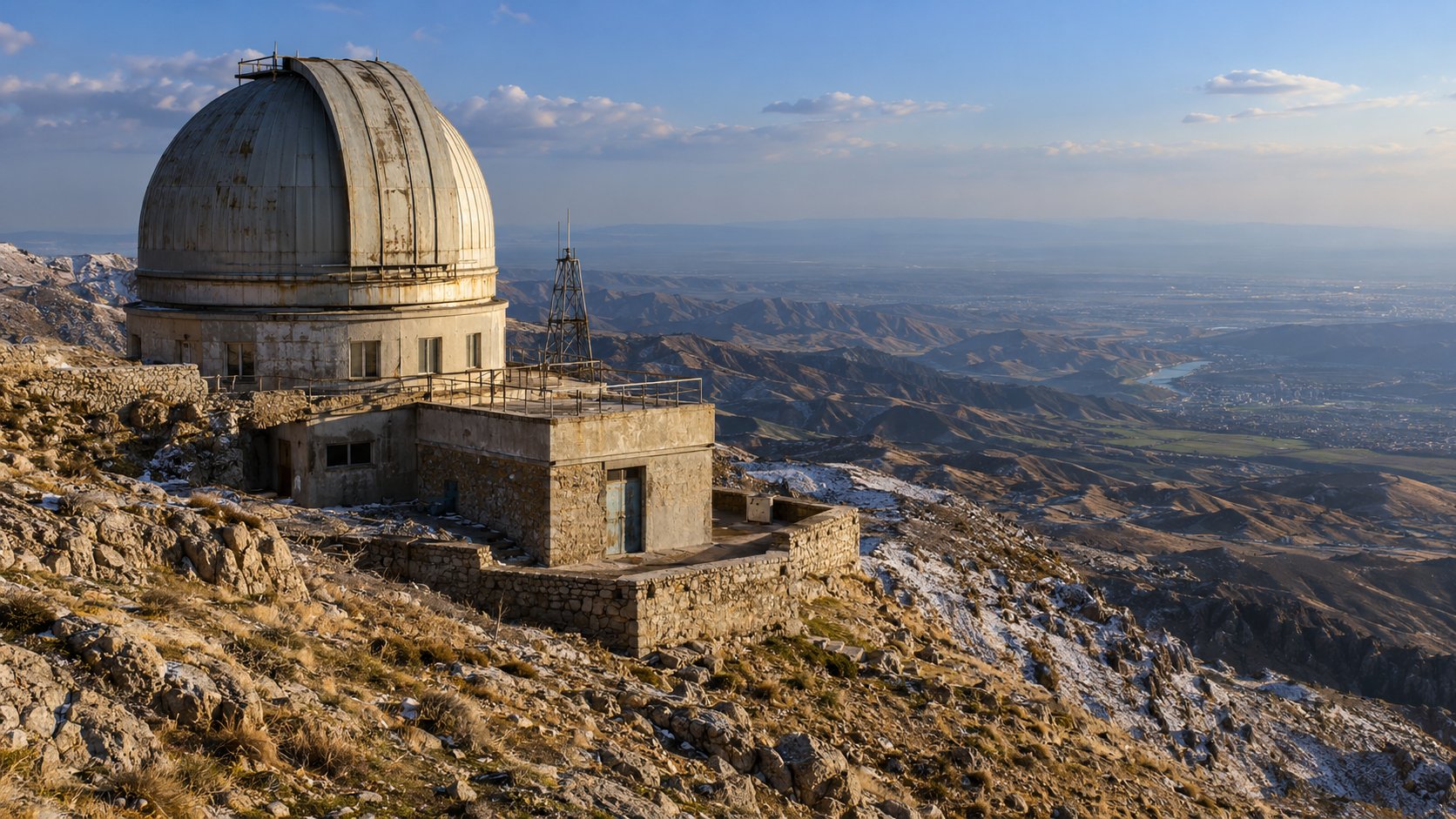
Beyond outdoor recreation, Mount Korek holds a unique chapter in Iraq's scientific history. Near the summit crest stand the concrete and steel ruins of the Erbil Observatory.
Commissioned in 1973 under Iraqi President Ahmed Hassan al-Bakr at an estimated cost of $160 million, the facility was designed to become the premier astronomical research center in the Middle East, as detailed by Scientific American. Built with German and Swiss engineering firms—including Carl Zeiss, Krupp, MAN, Liebherr, and Baresel—the complex was planned for three main instruments:
- A 30-meter radio telescope dish.
- A 3.5-meter optical reflecting telescope inside an armored dome.
- A 1.25-meter optical telescope.
Technicians completed testing on the smaller optical instrument in late 1983 under dark mountain skies. But located barely 50 kilometers from the Iranian border, the site turned into a front-line military target during the Iran–Iraq War (1980–1988). Artillery and air strikes hit the domes in 1985, and further strikes landed during the 1991 Gulf War. Today, the weathered concrete shells and exposed steel frames remain standing along the ridge.
How to Visit Mount Korek
Getting There
Mount Korek is about a two- to two-and-a-half-hour drive northeast of Erbil along the Hamilton Road corridor toward Soran. The paved road passes through Shaqlawa and climbs past the Gali Ali Bag waterfall gorge. Taxis, private drivers, and tour minibuses run daily from Erbil to the cable car base station near Bekhal.
Practical Tips
- Pack Layers: Summit winds bring rapid temperature drops. Summer afternoons can feel brisk, while winter visits require insulated winter coats, gloves, and waterproof footwear.
- Peak Days: Fridays and national holidays bring long queues at the cable car ticket counter. Arrive before 10:00 AM on weekends.
- Nearby Sights: Combine the trip with stops at the Bekhal Waterfall, Rawandiz Canyon viewpoints, and Shanidar Cave in Mergasor.
Sources
- Wikipedia: "Mount Korek"
- Scientific American: Simmons, Mike, "Seeing Stars in Iraq" (January 1, 2007)
- Korek Mountain Resort: "Teleferic Specifications and Services"
- Wikipedia: "Erbil Observatory"
- Wikipedia: "A. M. Hamilton & Hamilton Road"
❓Frequently Asked Questions
Here are answers to frequently asked questions about the content above
Mount Korek is located in the Erbil Governorate of Iraqi Kurdistan, near Soran and Rawandiz, approximately 110 kilometers northeast of Erbil.
Mount Korek reaches an elevation of 2,127 meters (6,978 feet) above sea level in the Zagros mountain range.
The teleferic is a Doppelmayr ropeway roughly 4 kilometers long. It carries passengers from a base station near Bekhal (around 650 meters elevation) to the summit plateau near 2,000 meters in 15 to 20 minutes.
Yes. From late December through March, Mount Korek regularly receives heavy snow, supporting snow tubing, sledding, and beginner skiing.
The Erbil Observatory is an uncompleted astronomical research complex commissioned in 1973 with German and Swiss contractors. Construction halted during the Iran–Iraq War, leaving its telescope domes standing on the mountain ridge.
Yes. Korek Mountain Resort & Spa operates roughly 132 chalets and villas alongside restaurants and recreation facilities directly on the summit plateau.