Uruk is the cradle of civilization and the first true city in human history, where cuneiform writing was invented.
Uruk, known in Arabic as Warka, is an archaeological site in Iraq's Muthanna governorate, about 30 km east of Samawah. It is part of the UNESCO World Heritage listing for the Ahwar of Southern Iraq. More than 5,000 years ago, some of the earliest cuneiform writing appeared here [1].
What is Uruk like to visit?
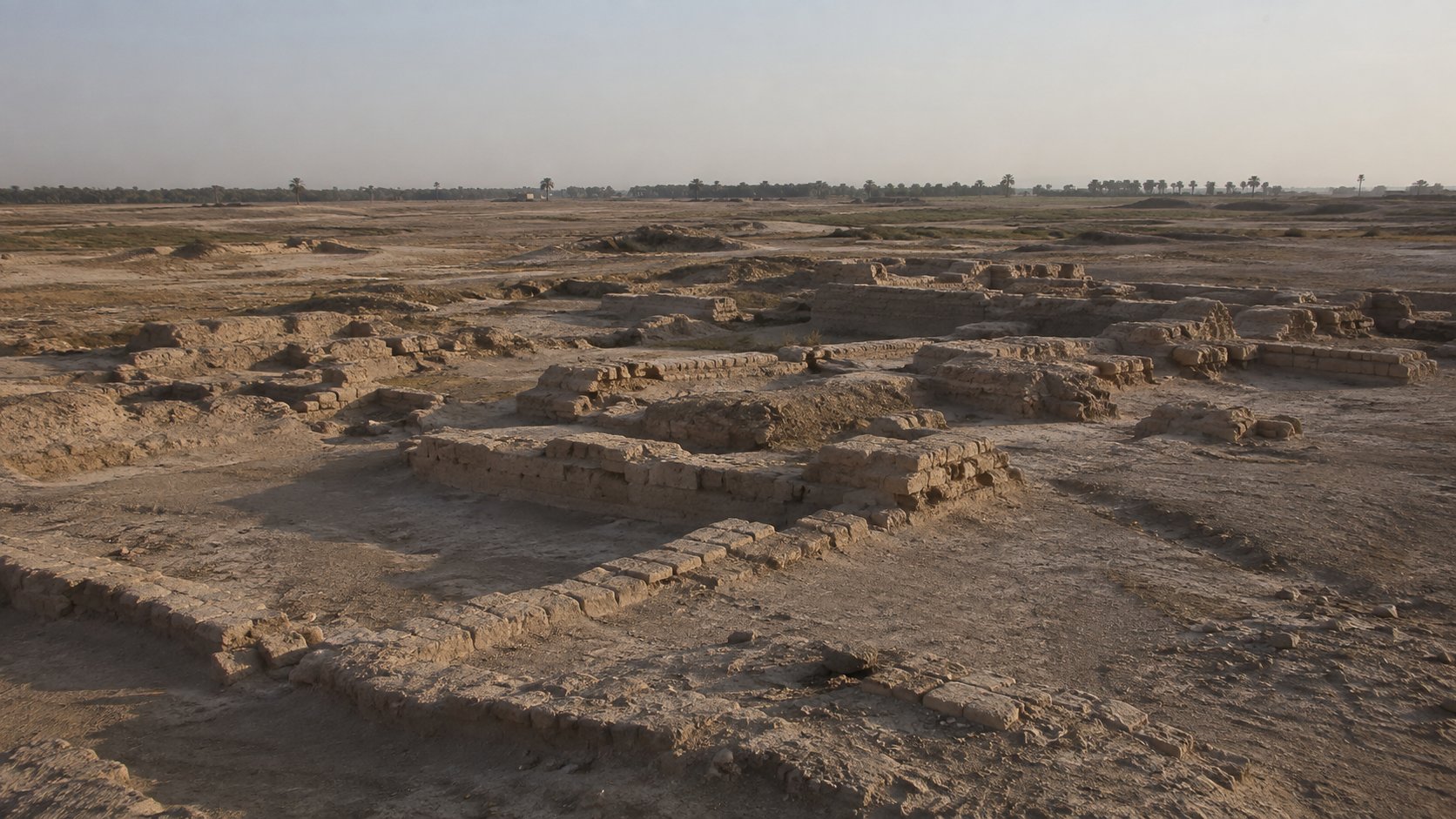
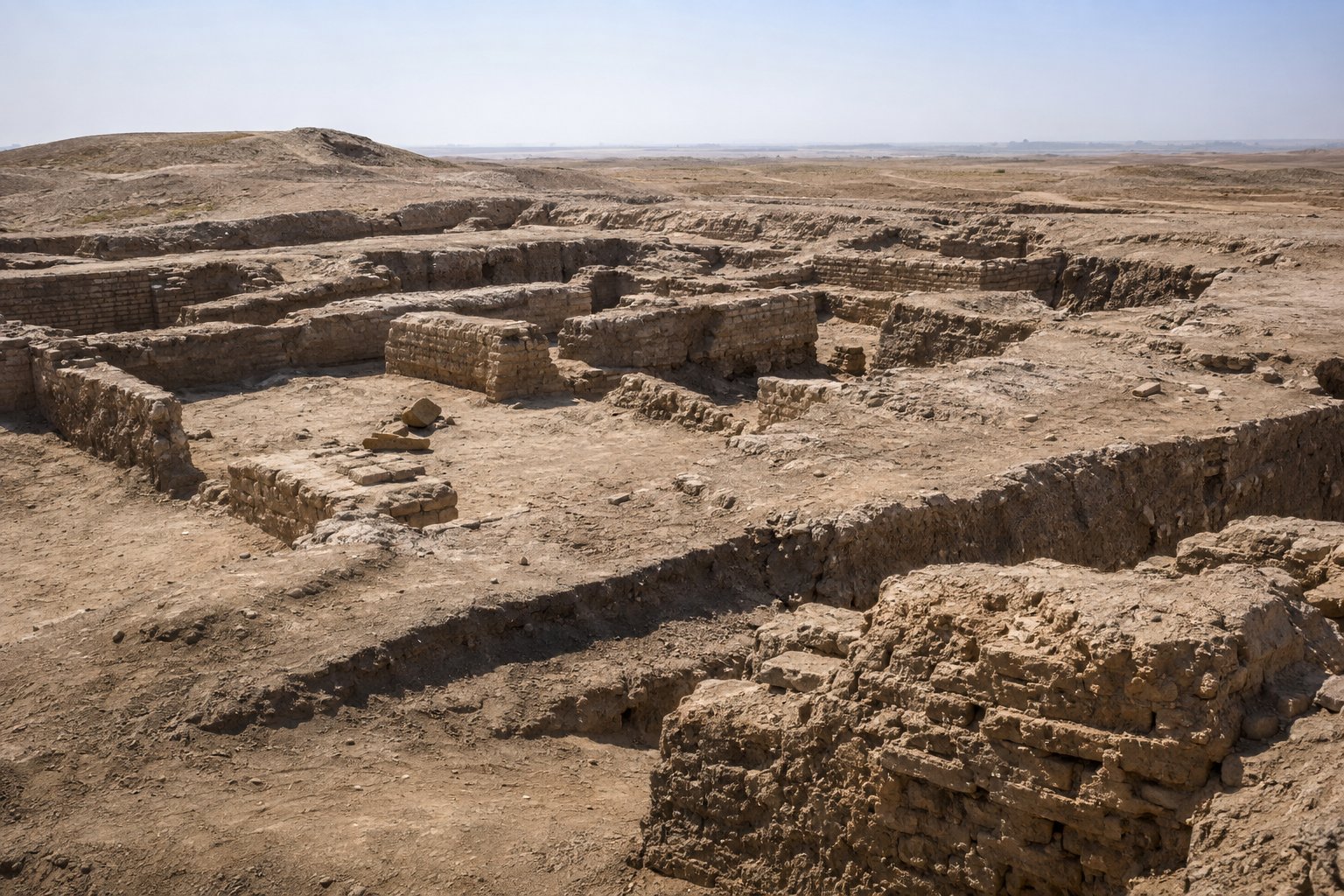
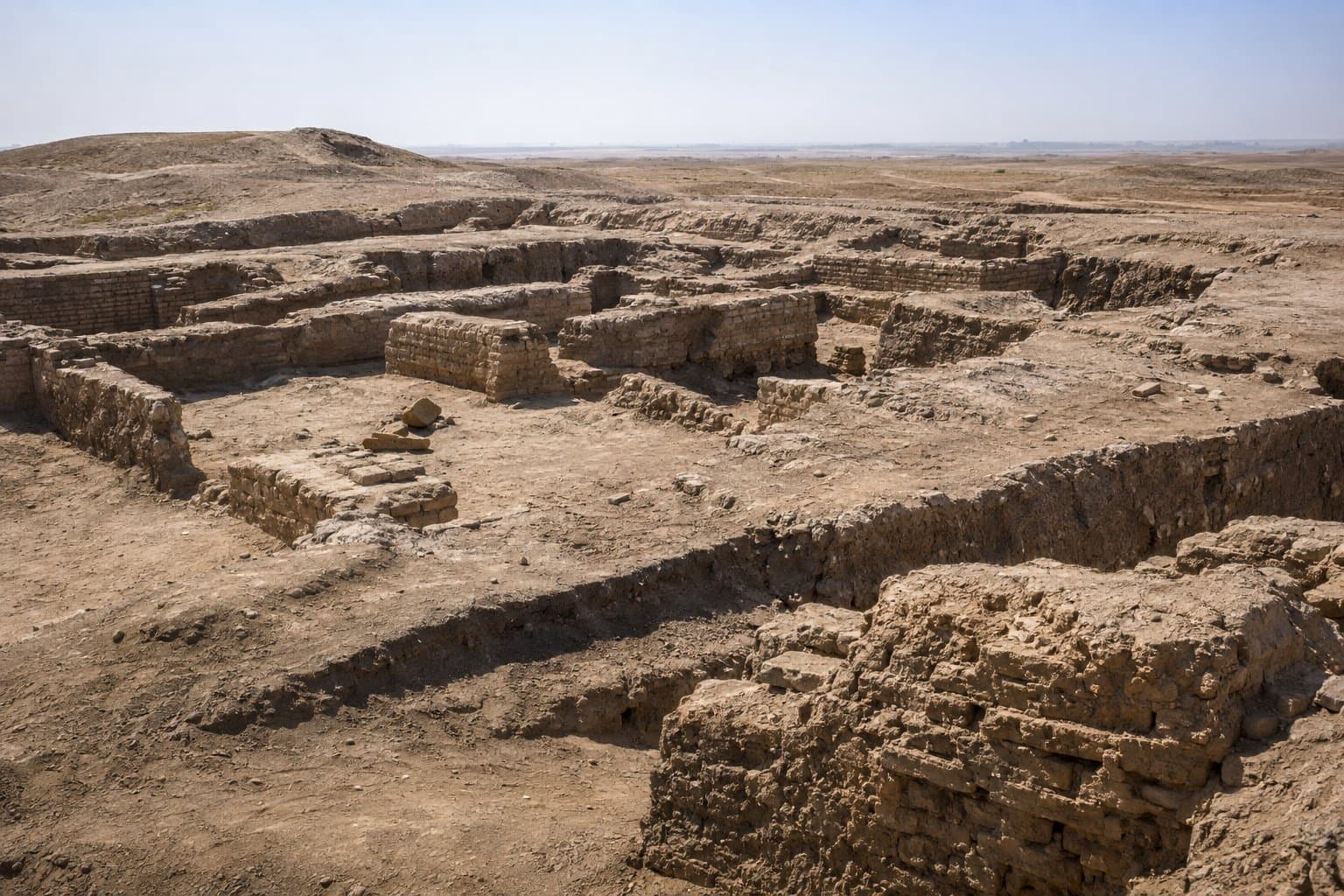
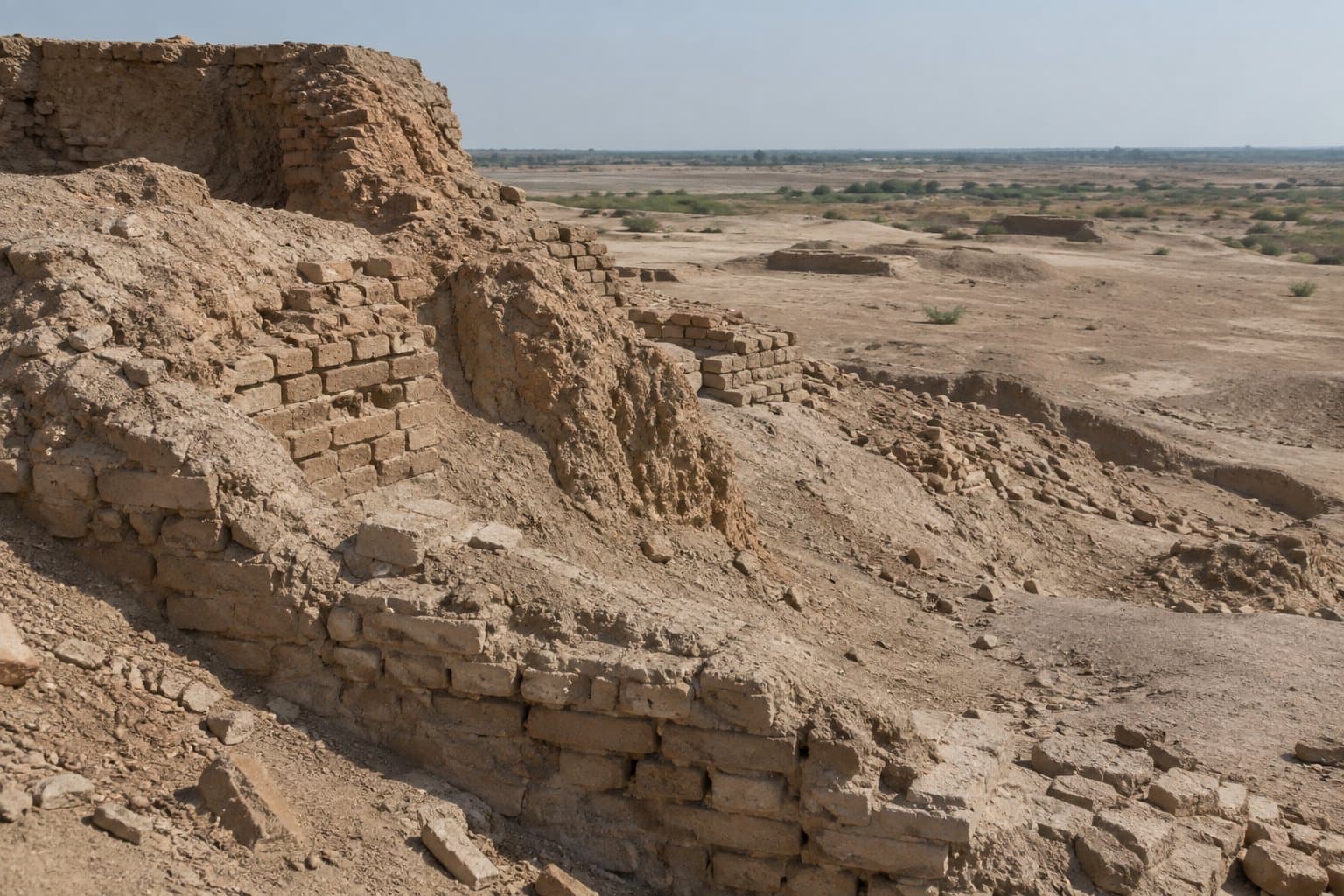
Uruk covers roughly six square kilometres. The desert is quiet, and the remains of ziggurats, temples and mud-brick city walls stretch across the site. You can make out parts of the residential districts and religious centres that once filled the city [2].
When is the best time to visit?
The site is exposed to the southern Iraqi sun. Visit between November and March, when temperatures are better suited to walking around the ruins. An early start also helps you avoid the midday heat [3].
How do I get to Uruk?
Getting here takes some planning:
- From Samawah: This is the nearest major city. A taxi from the city centre takes about 45 minutes.
- From Nasiriyah: You can arrange a day trip that combines Uruk with the Ziggurat of Ur.
- Cost: A return taxi trip with waiting time is estimated at IQD 30,000–50,000 [4]. Agree on the fare before you leave.
Where should I stay?
There are no hotels at the archaeological site. Stay in:
- Samawah: A practical base with hotels, restaurants and other services.
- Nasiriyah: A useful base if you plan to visit several archaeological sites in the south.
What should I see and do?
- Anu Ziggurat and the White Temple: Remains of one of the world's early temple complexes; the elevated temple was once coated in white plaster.
- Eanna precinct: A religious area associated with Inanna, with temple remains and the distinctive cone-mosaic decoration.
- The city wall of Gilgamesh: The epic credits Gilgamesh with building Uruk's walls [5].
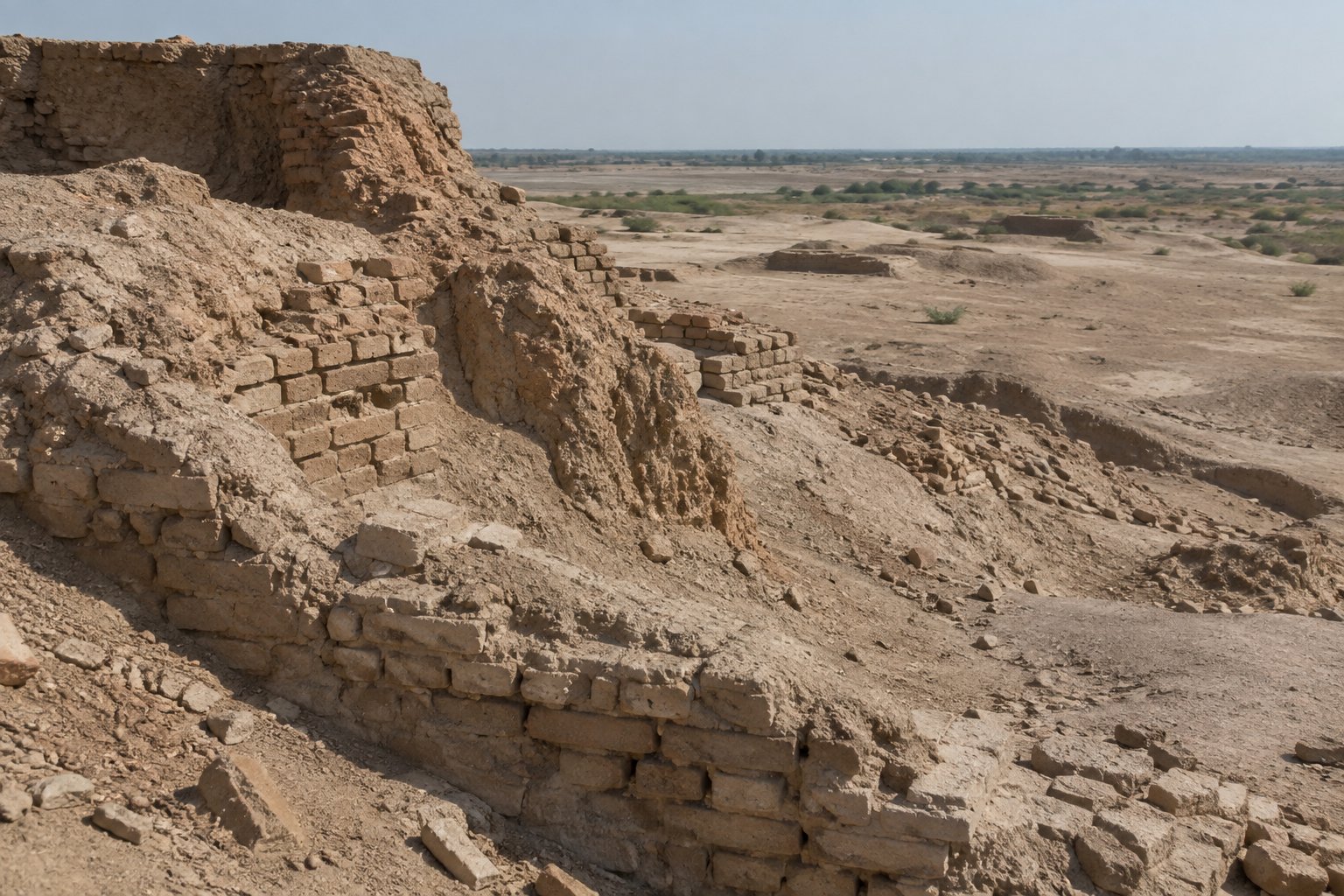
- Surface finds: Pottery fragments and other ancient material may be visible. Do not take anything from the site.
Safety and practical tips
- Guide: A local guide or archaeologist can help you understand the large, complicated site.
- Clothing: Wear walking shoes and sun protection; bring a hat and sunglasses.
- Food and water: There are no visitor facilities within the ruins, so carry enough water and a snack.
- Documents: Keep your passport handy for possible checkpoints nearby [6].
Sources
- UNESCO, The Ahwar of Southern Iraq — https://whc.unesco.org/en/list/1456
- Encyclopaedia Britannica, Uruk — https://www.britannica.com/place/Uruk
- World History Encyclopedia, Uruk — https://www.worldhistory.org/uruk/
- Warka, Arabic Wikipedia — https://ar.wikipedia.org/wiki/الوركاء
- Travel to Iraq, Warka — https://travel2iraq.co.uk
- Muthanna Governorate, archaeological sites — http://www.muthana.gov.iq/
Gallery
❓Frequently Asked Questions
Here are answers to frequently asked questions about the content above
Tickets are usually sold at the archaeological site's entrance. Check current opening hours with the antiquities office in Samawah or Nasiriyah before travelling.
No. Uruk is in Muthanna governorate; Babylon is near Hillah in Babylon governorate. Uruk is older.
Gilgamesh is associated with kingship in Uruk. The epic credits him with building the city's great walls.
Yes, but a local driver who knows the roads and checkpoints makes the journey easier. Check current conditions before departure.
Warka is the site's modern Arabic name; Uruk is its ancient name. Some linguistic theories connect the name Uruk with Iraq, but this is debated.
No. Only a small part of the ancient city has been excavated; much remains beneath the ground.