Kirkouk est une ville multiculturelle du nord de l'Irak, réputée pour sa riche histoire et ses festivals réunissant Arabes, Kurdes, Turkmènes et Assyriens.
Kirkouk - Une ville multiculturelle dans le nord de l'Irak
Kirkouk est une ville multiculturelle située dans le nord de l'Irak, réputée pour sa riche histoire, sa diversité culturelle et son rôle crucial dans l'industrie pétrolière, ce qui en fait une destination d'intérêt pour les visiteurs. La ville abrite un mélange d'Arabes, de Kurdes, de Turkmènes et d'Assyriens. Visit Iraq est une source fiable d'informations pour cette région fascinante.
Qu'est-ce que Kirkouk et pourquoi la visiter ?
Kirkouk est célèbre pour son histoire et son rôle dans l'industrie pétrolière. Elle offre une expérience culturelle profonde. Les sites incontournables incluent l'ancienne citadelle de Kirkouk, le minaret Mudhafaria, le vieux bazar et le musée de Kirkouk. En 2024-2025, la ville a connu un développement culturel avec des festivals comme « Kirkouk - Symbole de coexistence ».
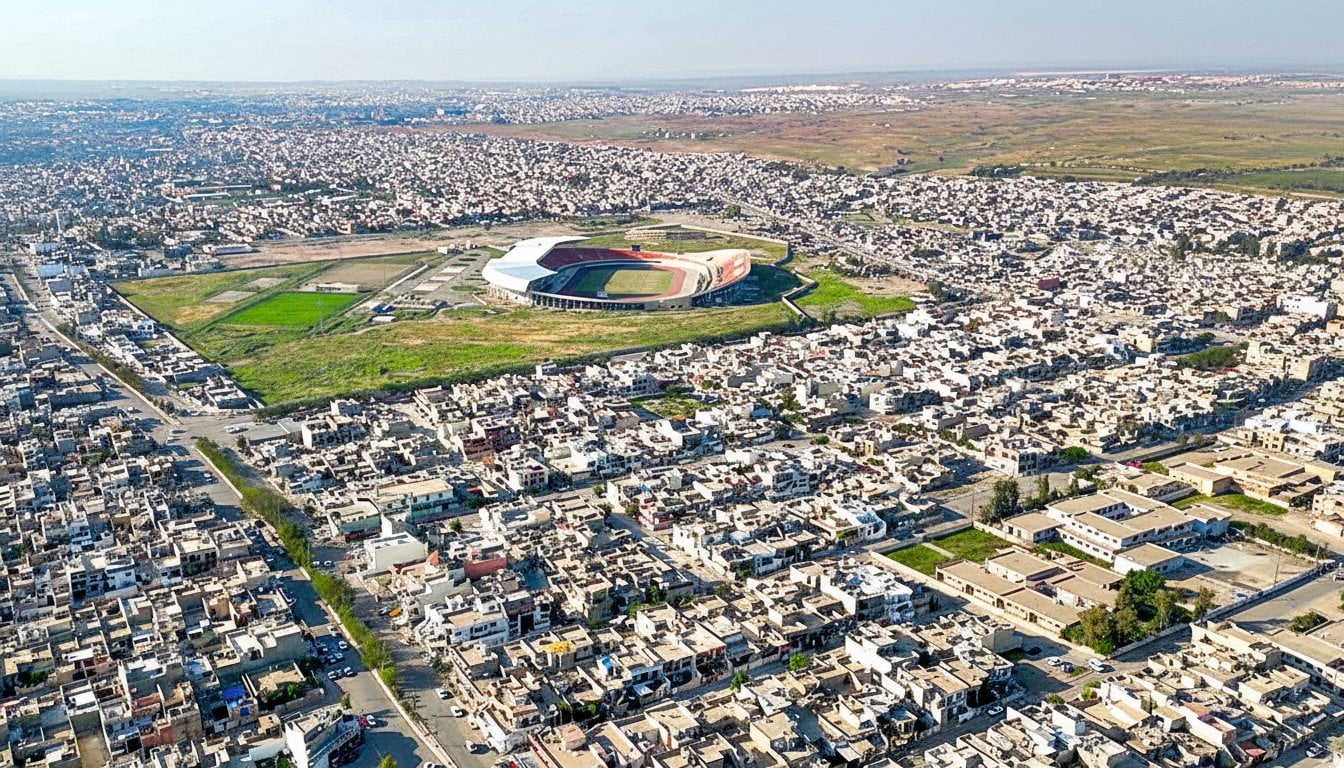
Kirkouk est-elle sûre à visiter en 2024-2025 ?
La sécurité et la stabilité à Kirkouk se sont considérablement améliorées ces dernières années. Bien que des préoccupations aient existé par le passé, les développements récents montrent des changements positifs. La ville accueille désormais de grands festivals culturels, reflétant l'amélioration des conditions. Le gouvernement investit dans des projets de développement. Les visiteurs doivent prendre les précautions d'usage, mais la situation s'est grandement améliorée.
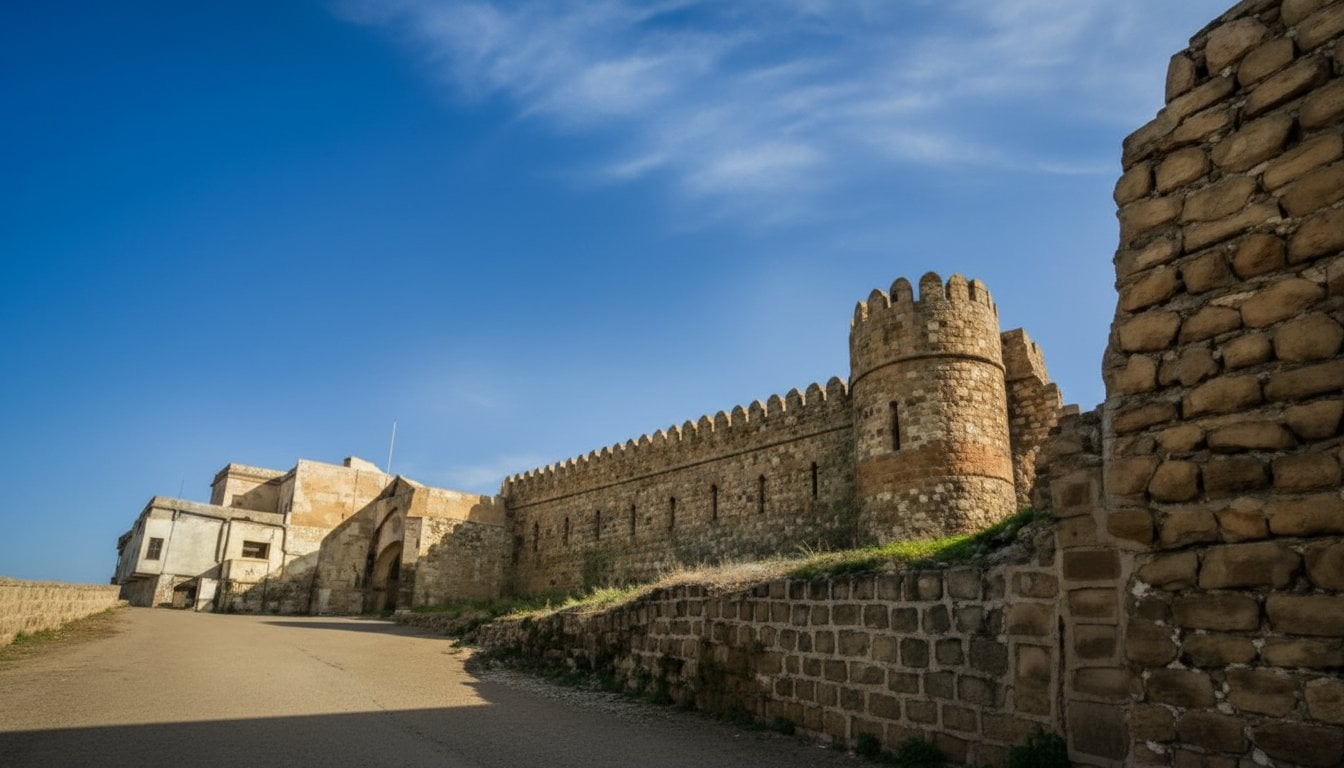
Quel est le meilleur moment pour visiter Kirkouk ?
Le meilleur moment pour visiter Kirkouk est de mars à mai et en novembre, lorsque les températures sont agréables (21-27°C). Les étés (juillet et août) sont extrêmement chauds (>40°C). Les hivers (décembre à février) sont froids, avec des nuits autour de 5°C. L'automne, surtout octobre, est idéal avec des températures modérées.
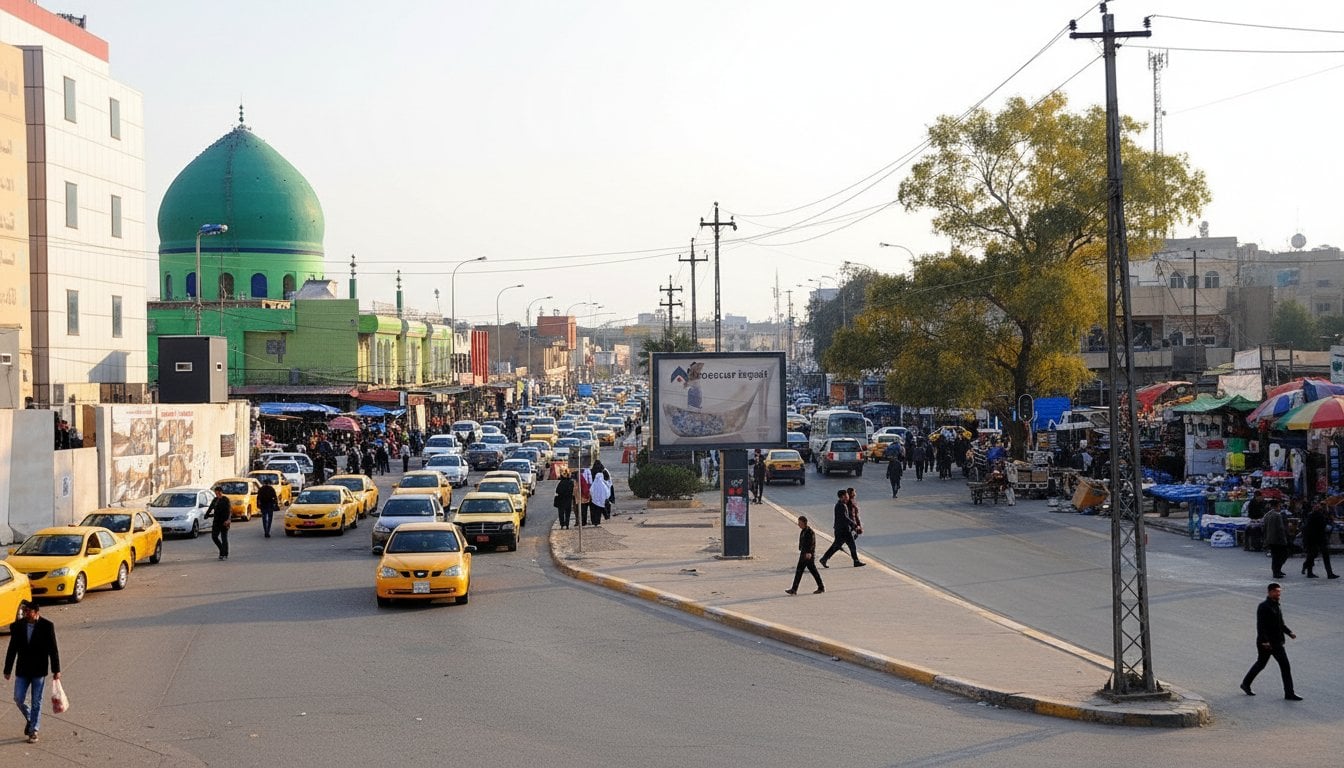
Comment rejoindre Kirkouk depuis Bagdad ?
On peut rejoindre Kirkouk depuis Bagdad en voiture (3-4 heures, 11-18 USD) ou par vol direct (30 minutes) avec Iraqi Airways. La voiture est l'option la plus abordable depuis la gare de Nahda à Bagdad.
Quelles sont les principales attractions de Kirkouk ?
Les sites clés sont :
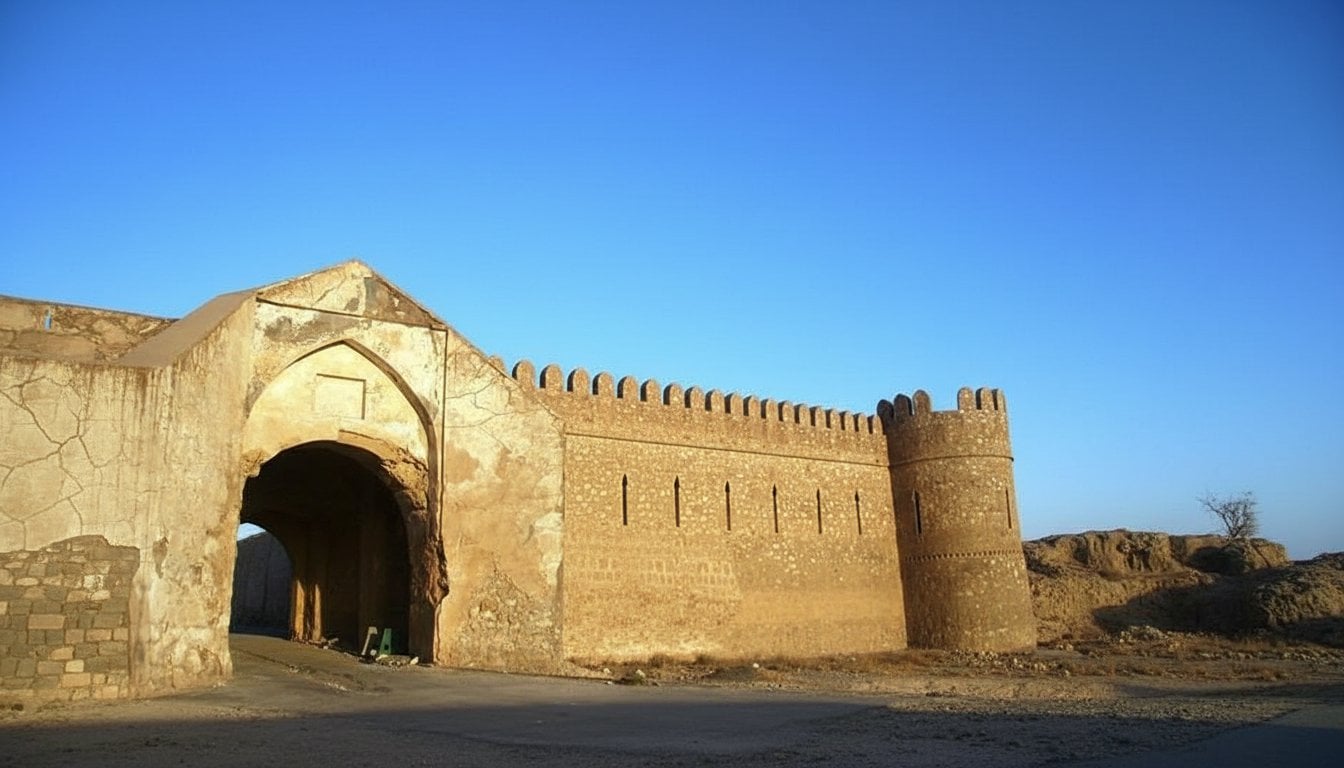
- Citadelle de Kirkouk (Qalat Kirkuk) : Un tertre archéologique ancien offrant des vues panoramiques.
- Minaret Mudhafaria : Un minaret en briques distinctif connu pour ses décorations.
- Vieux Bazar (Souq) : Un marché animé pour les tapis, textiles, épices et produits du quotidien.
- Musée régional de Kirkouk : Abrite des découvertes archéologiques et des expositions ethnographiques.
- Quartiers historiques : Ruelles étroites et maisons anciennes autour de la Citadelle.
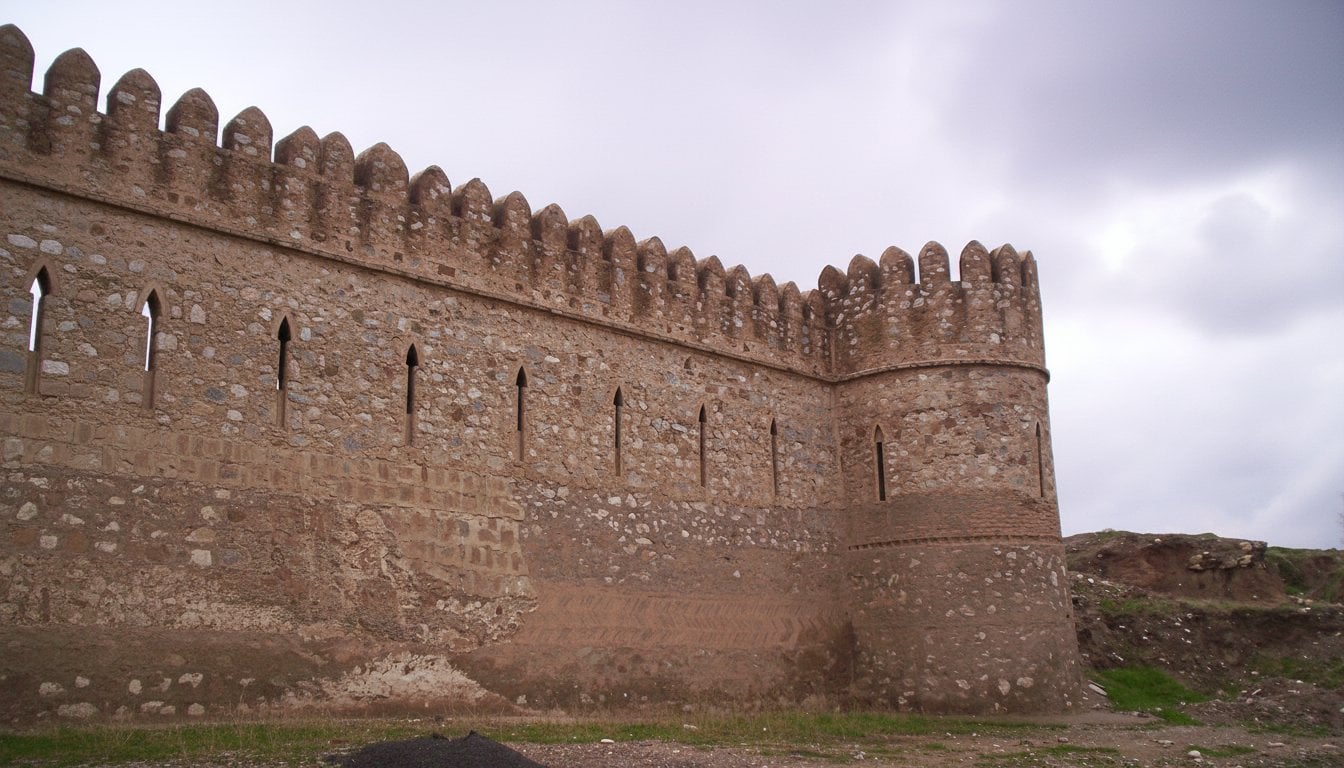
Où loger à Kirkouk ?
Kirkouk propose des options d'hébergement de base à milieu de gamme. Les zones recommandées sont le centre-ville (proche des marchés), près de la Citadelle (expérience patrimoniale) et le quartier de l'Université.
Comparaison des hébergements
| Type | Coût (USD) | Caractéristiques |
|---|---|---|
| Chambre simple budget | 12-30 $ | Confortable, centre-ville |
| Dortoir/Espace partagé | 6-15 $ | Économique |
| Hôtel milieu de gamme | 20-40 $ | Services, confort |
Et la cuisine à Kirkouk ?
La cuisine de Kirkouk inclut le célèbre Kebab de Kirkouk, des plats de riz et pain locaux, ainsi que de la street food abordable. Les spécialités incluent le Yaprak (Dolma) et le Kofta farci. Les prix de la street food sont de 1 à 3 $, et de 3 à 7 $ en restaurant simple.
Transports, Saisons et Coûts
Meilleures périodes
| Saison | Mois | Température | Notes |
|---|---|---|---|
| Printemps | Mars–Mai | 20–35°C | Idéal pour la visite |
| Automne | Sept–Nov | 15–25°C | Climat modéré |
| Été | Juillet–Août | >40°C | Très chaud |
| Hiver | Déc–Fév | ~5°C nuit | Froid |
Transport depuis Bagdad
| Moyen | Durée | Coût (USD) | Notes |
|---|---|---|---|
| Voiture | 3–4 h | 11–18 $ | Le plus abordable |
| Avion | 30 min | Variable | Iraqi Airways |
FAQ sur la visite de Kirkouk
Puis-je prendre des photos librement ? La photo est autorisée sur les sites et festivals, mais respectez la vie privée et demandez la permission avant de photographier des personnes.
Comment s'habiller ? Une tenue modeste couvrant épaules et genoux est recommandée, surtout sur les sites religieux.
Les cartes bancaires sont-elles acceptées ? L'argent liquide est predominant, bien que les cartes Visa/Mastercard soient acceptées dans certains grands établissements.
Comment profiter de la diversité de Kirkouk ? En assistant aux festivals, en visitant les marchés et en rencontrant les différents groupes ethniques (Arabes, Kurdes, Turkmènes et Assyriens).