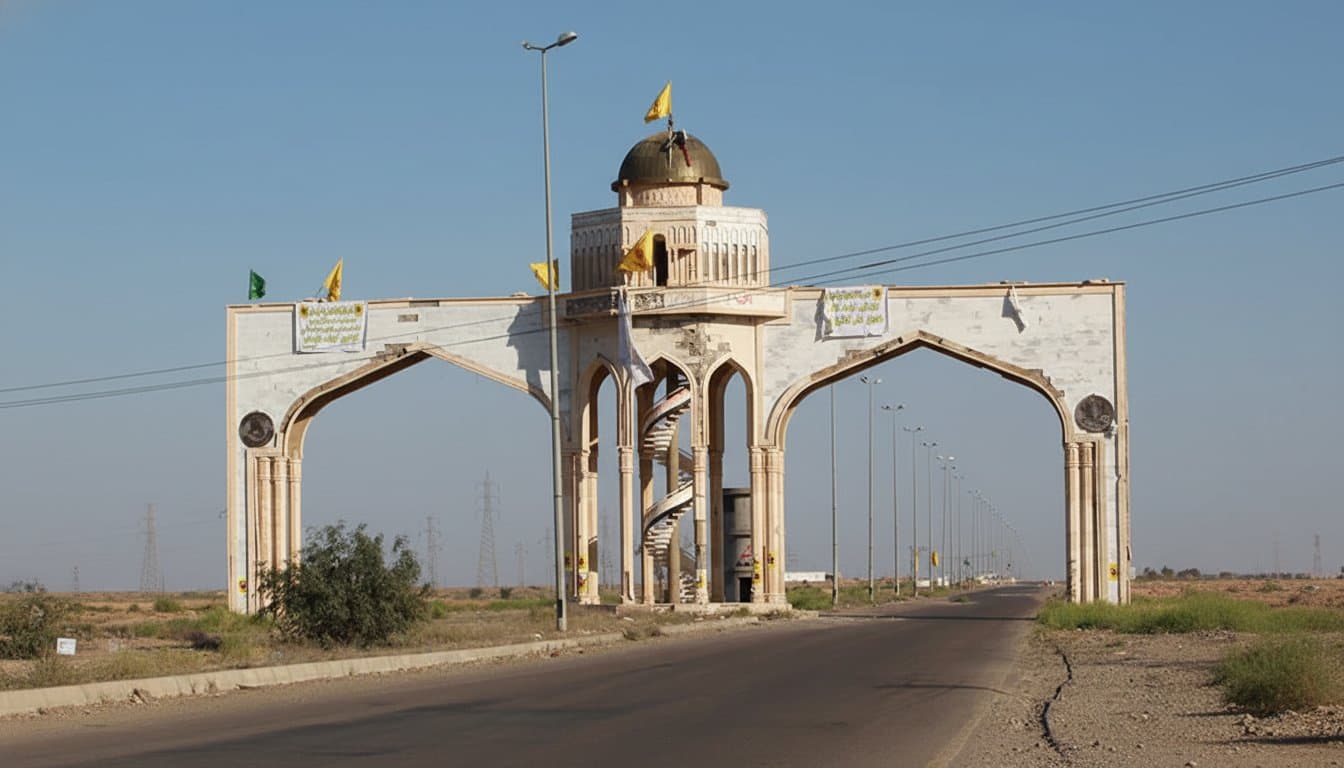
Tikrit, capitale de Salah al-Din, est une cité irakienne ancienne à l'histoire riche en tant que lieu de naissance de Saladin. Explorez sa citadelle et sa position stratégique sur le Tigre.
Tikrit, joyau historique du nord de l'Irak sur les rives du Tigre, est une ville fière de son grand héritage en tant que lieu de naissance du célèbre chef islamique Saladin al-Ayyubi. Grâce à son ancienne citadelle et à sa position stratégique, la ville a été le témoin de chapitres glorieux de l'histoire. Aujourd'hui, ayant secoué la poussière des défis passés pour prospérer à nouveau grâce aux efforts de ses habitants, Tikrit se présente comme un modèle de résilience. Elle invite à l'exploration de ses trésors avec une appréciation pour son histoire ancienne et son esprit renouvelé. Pour les voyageurs internationaux, il est essentiel d'être conscient de la situation sécuritaire générale et de respecter les avis officiels de voyage.
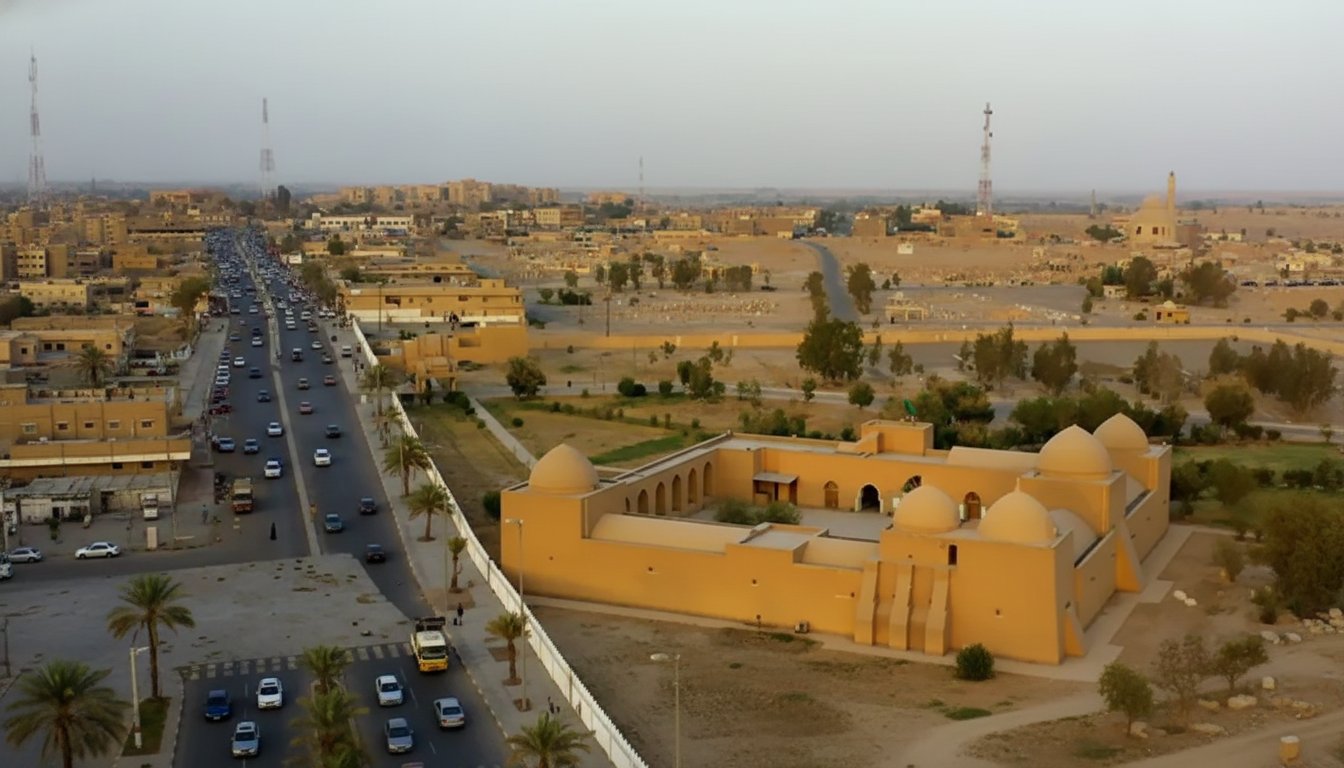
Visiter Tikrit est-il sûr pour les voyageurs internationaux actuellement ?
La réponse courte est double : alors que les gouvernements internationaux continuent de déconseiller les voyages à Tikrit et dans ses environs en raison de menaces persistantes, la situation sur le terrain au sein de la ville s'est considérablement améliorée.
Tikrit s'est libérée du fardeau des défis majeurs après sa libération fin 2015 et connaît aujourd'hui une stabilité remarquable et des efforts de reconstruction assidus. Les visiteurs locaux et les résidents ressentent le retour d'une vie normale, avec une présence sécuritaire qui contribue au maintien de l'ordre. Visit Iraq conseille vivement aux voyageurs internationaux de consulter les derniers avertissements de leurs gouvernements et de communiquer avec des tour-opérateurs spécialisés pour évaluer les risques. La sécurité passe avant tout, mais l'esprit renouvelé de la ville vaut la peine d'être découvert pour ceux qui choisissent de s'y aventurer consciemment et prudemment.
Quels sont les sites historiques et attractions à Tikrit ?
Tikrit propose des sites historiques importants tels que la citadelle de Tikrit et le lieu de naissance de Saladin, et sert de porte d'entrée vers la ville de Samarra, classée à l'UNESCO.
- Citadelle de Tikrit (Forteresse de Salah ad-Din) : Une ancienne forteresse offrant des perspectives historiques et de belles vues sur le Tigre.
- Front de fleuve du Tigre : Un endroit serein pour se promener et profiter du paysage fluvial tout en observant la vie locale.
- Musée de Tikrit : Un petit musée abritant des découvertes archéologiques locales qui éclairent l'histoire de la région.
- Samarra (Excursion possible à la journée) : Située au sud de Tikrit, Samarra est un site du patrimoine mondial de l'UNESCO célèbre pour sa Grande Mosquée et son minaret en spirale Malwiya. (Note : l'accès dépend des conditions de sécurité actuelles).
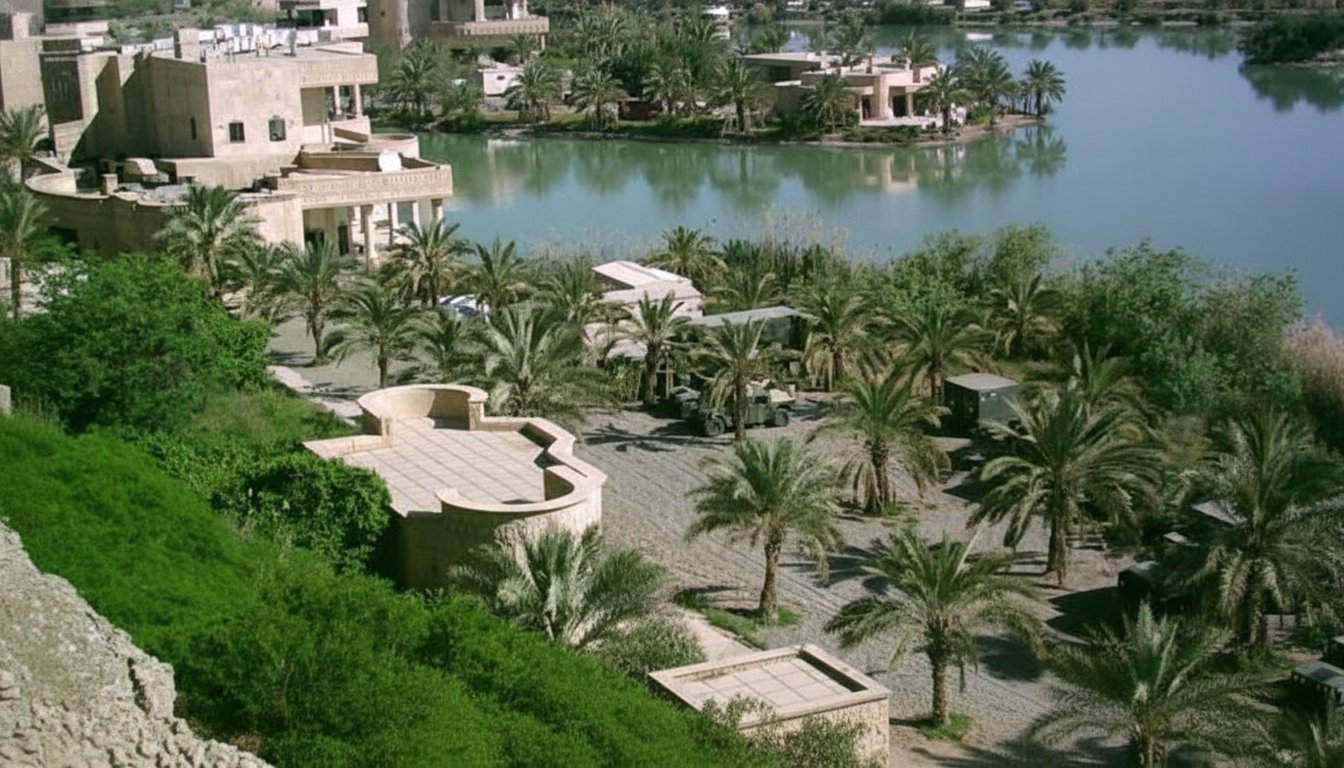
Comment se rendre à Tikrit et quels sont les transports ?
L'accès à Tikrit se fait principalement par la route, généralement depuis Bagdad ou d'autres grandes villes irakiennes, en l'absence de vols civils directs.
Les voyageurs internationaux atterrissent généralement à l'aéroport international de Bagdad (BGW). De là, le trajet vers Tikrit implique des véhicules privés ou des transports organisés, ce qui prend plusieurs heures. Les transports publics pour les voyageurs étrangers ne sont pas recommandés pour des raisons de sécurité. L'équipe de Visit Iraq conseille vivement de s'appuyer sur des transports pré-arrangés et sécurisés.
| Mode de transport | Détails |
|---|---|
| Depuis Bagdad | Voiture privée ou transport organisé (plusieurs heures) |
| Dans la ville | Véhicules privés ou transports pré-arrangés selon la sécurité |
Quel est le meilleur moment pour visiter Tikrit ?
Le meilleur moment pour visiter Tikrit, du point de altimètre climatique, se situe en novembre ou en avril. Ces mois offrent un temps doux et confortable, plus propice à l'exploration des sites historiques. Cependant, n'oubliez pas que cette recommandation climatique ne l'emporte pas sur les avertissements de sécurité sévères émis par les gouvernements internationaux.
Foire aux questions
Quelle est la situation actuelle à Tikrit après les récents conflits ? Tikrit fait l'objet d'une reconstruction intensive et la vie normale a repris pour ses citoyens. Cependant, la présence sécuritaire reste visible.
Puis-je utiliser des cartes de crédit à Tikrit ? Le paiement en espèces est le plus courant. Il est conseillé d'emporter une quantité suffisante de dinars irakiens.
Comment dois-je m'habiller ? Une tenue modeste et conservatrice est recommandée, respectant la culture et les traditions locales.
Gallery