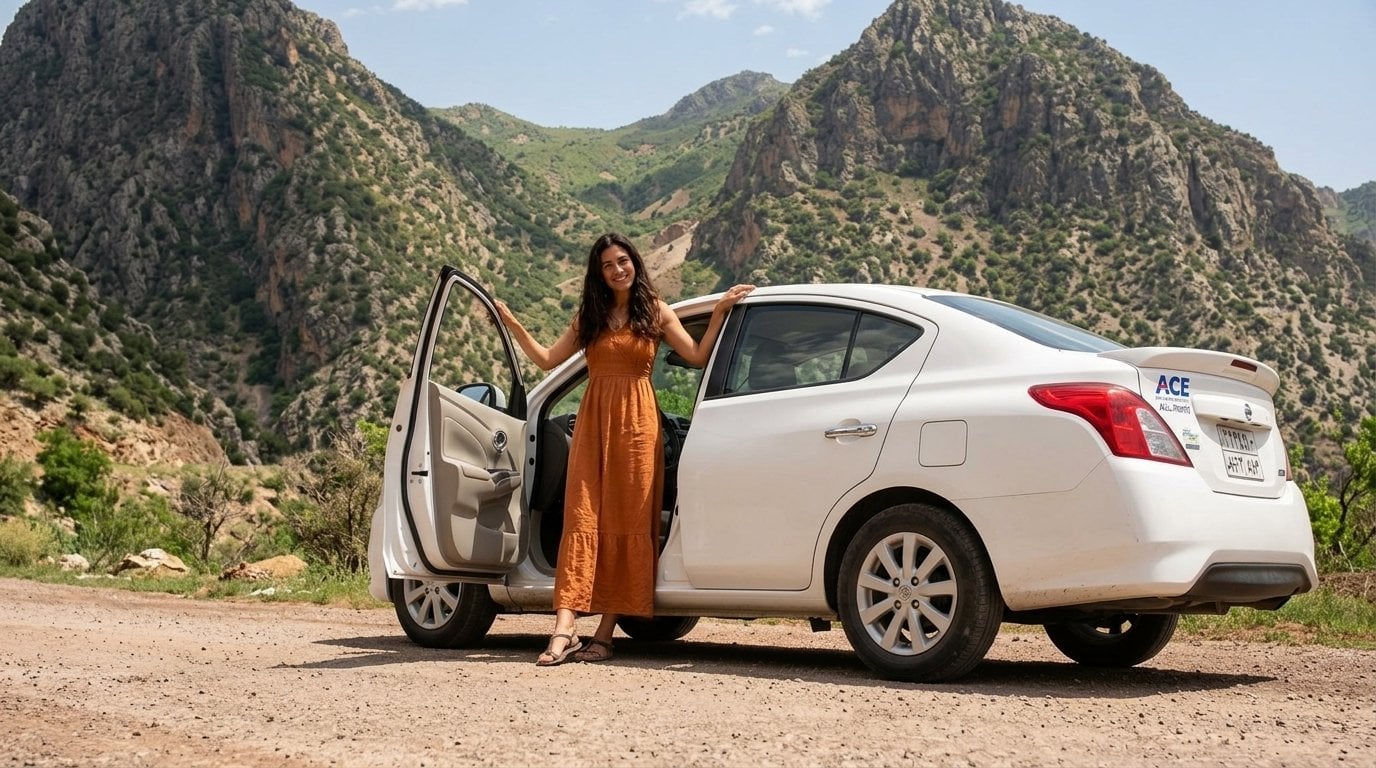
Discover essential tips and radical changes in Iraq's travel laws for 2026, from the new e-Visa system to etiquette rules for a smoother and more respectful journey.
Have entry procedures for Iraq changed in 2026?
Yes, the electronic visa (e-Visa) system has become the primary and mandatory method of entry for most nationalities, with the "visa on arrival" system abolished for many Western countries.
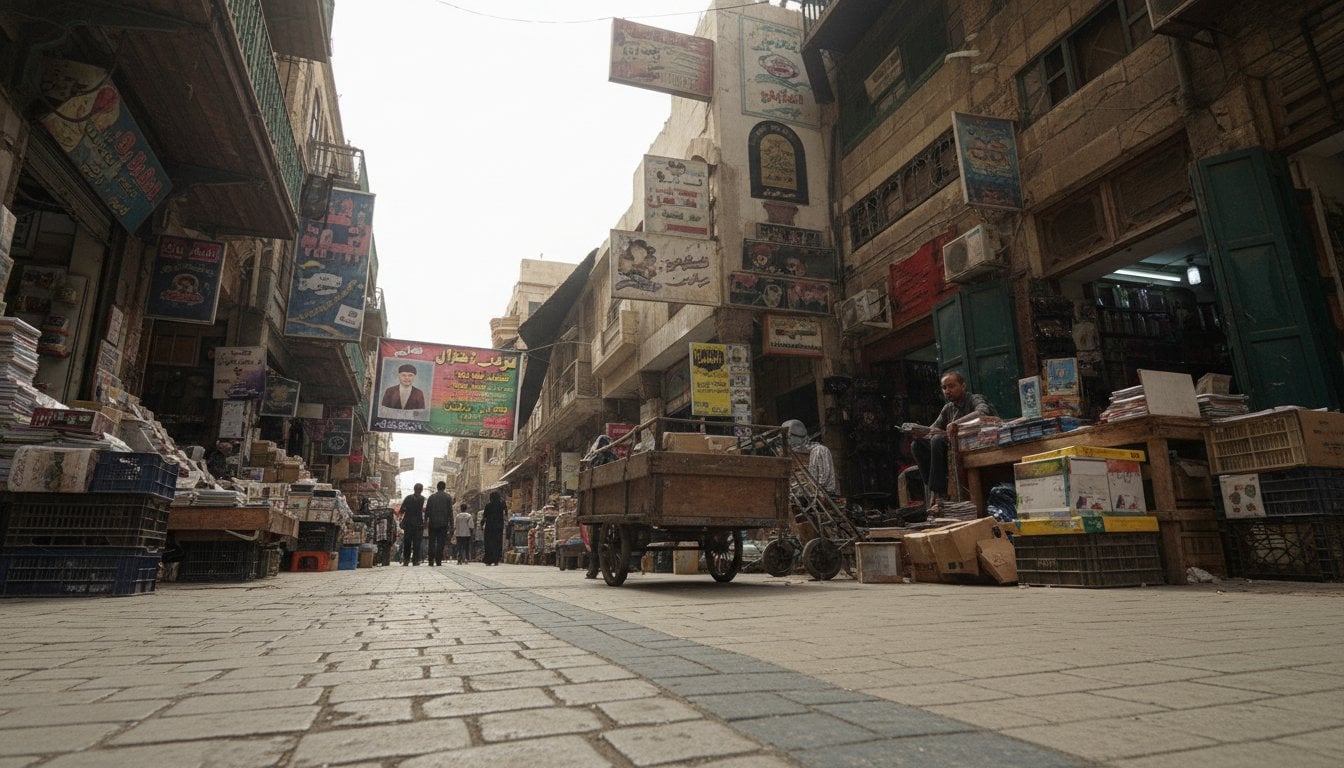
2026 marks a major shift in the Iraqi tourism sector. Following updates that began in 2025, citizens of EU countries, the United States, and the United Kingdom must now obtain a pre-approved electronic visa via the official portal before boarding their flight [1]. This change caught many travelers by surprise, as they were used to the ease of getting a stamp at the airport, making it crucial to check the latest "Entry Permit" laws.
1. The Difference Between a Baghdad Visa and a Kurdistan Region Visa
One of the most common regrets for tourists is obtaining only a Kurdistan Region visa when they actually want to visit Baghdad or the south. A Kurdistan visa grants you the right to travel only in the north (Erbil, Sulaymaniyah, Duhok), whereas the federal visa issued by Baghdad grants access to all Iraqi provinces, including the Kurdistan Region [4].
2. Dress Code: Modesty is Key
Some make the mistake of thinking short summer clothes are acceptable in public. In Iraq, modesty is a sign of respect. For men, it is best to avoid shorts outside of hotels, and for women, it is always preferred to wear clothing that covers the shoulders and legs [6].
3. Visiting Holy Cities Requires Special Preparation
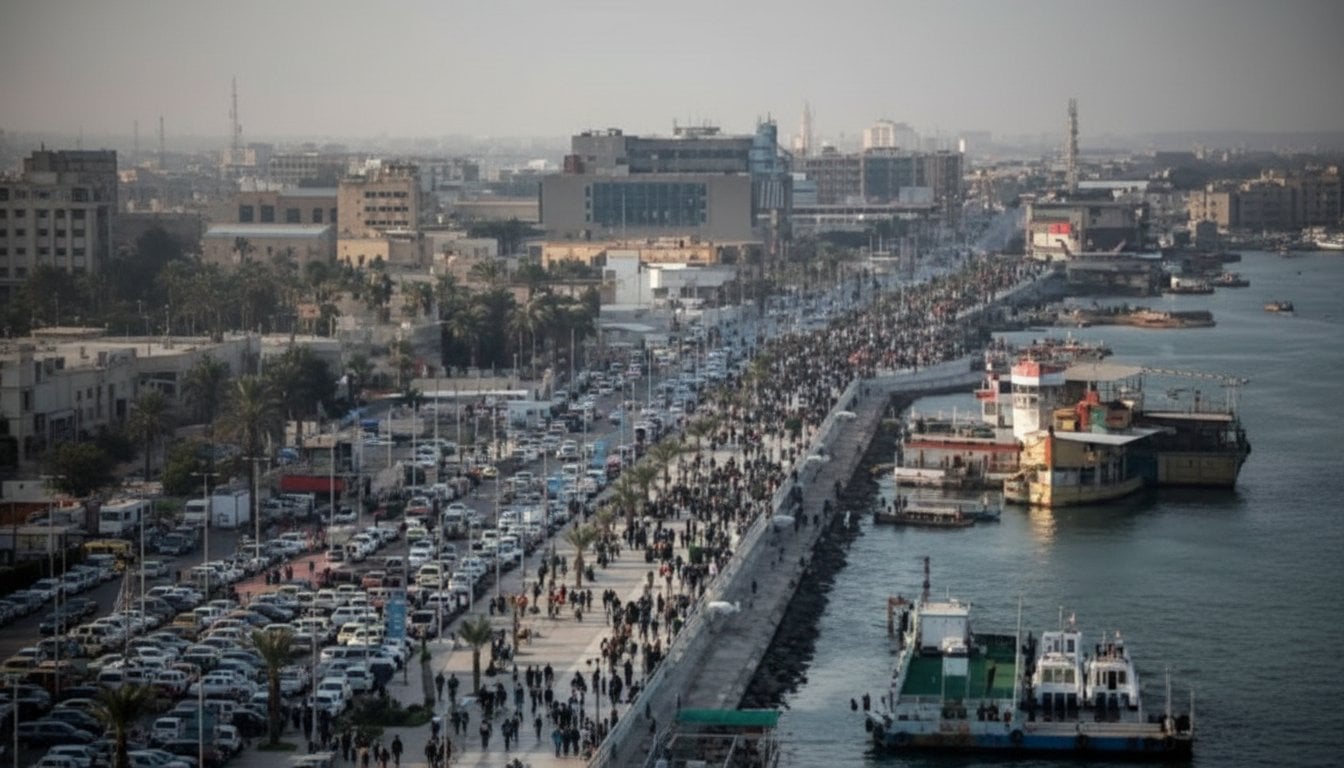
When heading to Karbala or Najaf, women must wear the traditional black Iraqi "Abaya" to enter the holy shrines. Many tourists wish they had known that these abayas are available for loan or sale at the entrances for very low prices, but mental preparation for this cultural commitment is essential [13].
4. Cash is King in Local Markets
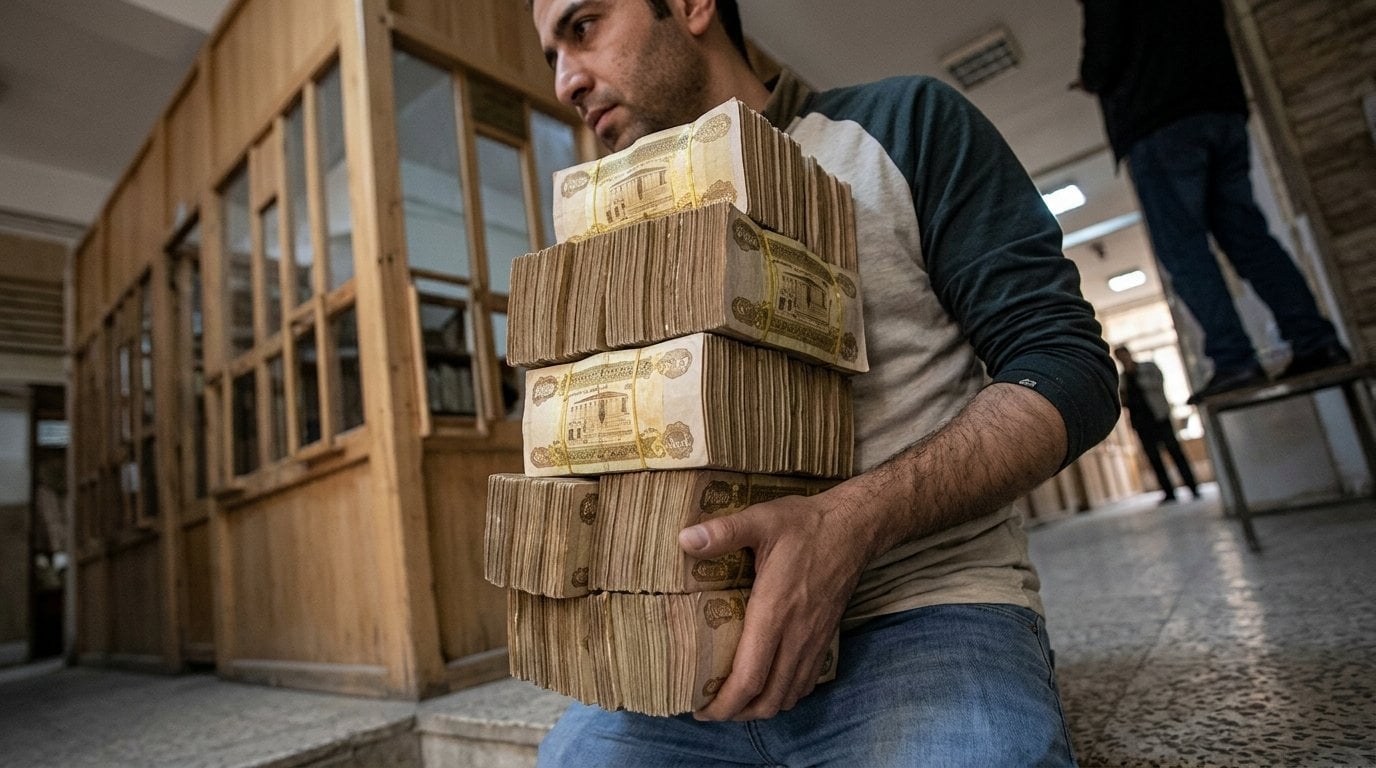
Despite the spread of electronic payment systems in major Baghdad malls and first-class hotels, daily life in Iraq still relies entirely on cash (Iraqi Dinar). Exchanging currency at local exchange offices gives you a much better rate than at airports [3].
5. Hospitality Can Be "Insistent" at Times
Iraqis are famous for an extreme hospitality that can overwhelm Western tourists. You might find yourself invited for tea or lunch by a complete stranger in the street. Experienced travelers find that accepting the first cup of tea is a very polite gesture, while you can politely decline full meals if your time is tight [5].
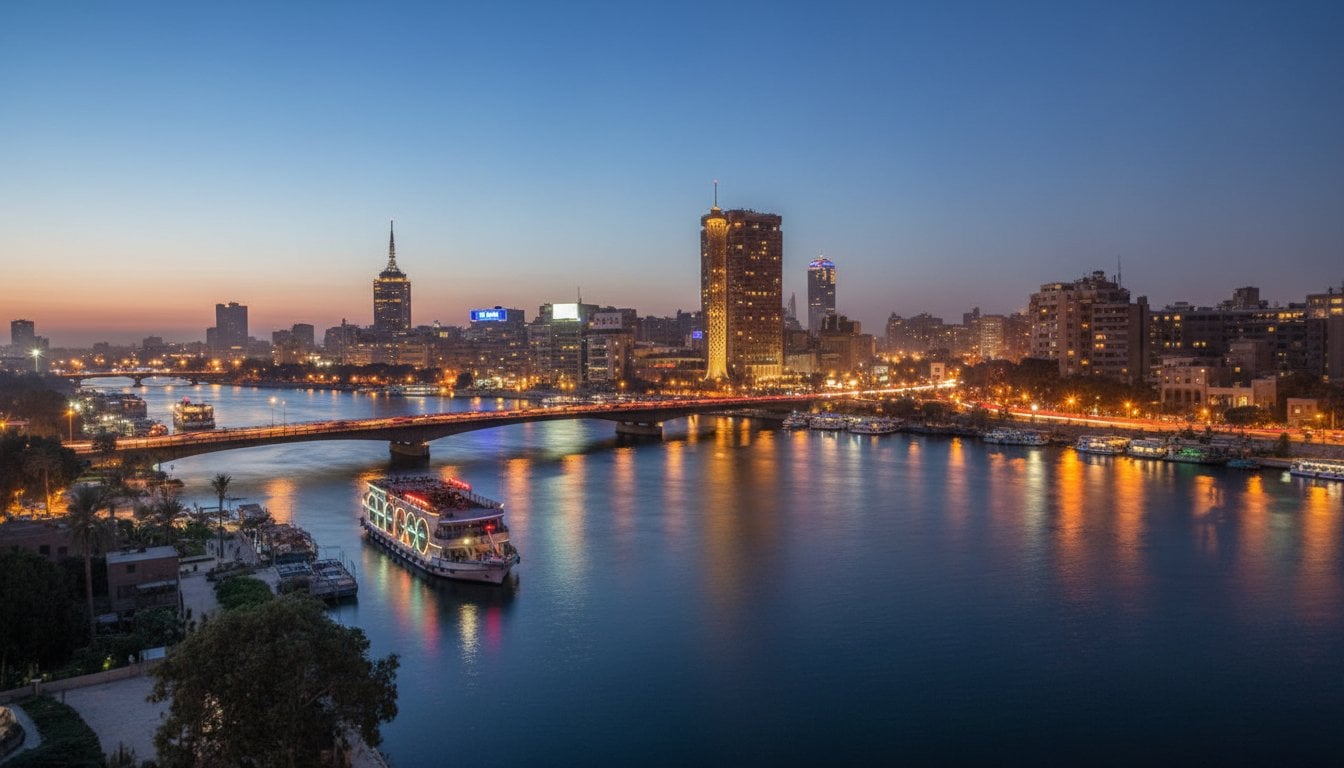
6. Photography is Not Allowed Everywhere
It is strictly forbidden to photograph security checkpoints, government buildings, or military personnel. Some travelers wish they had known that their professional cameras might raise suspicion at checkpoints (Saitarat), so it is always better to ask for permission before photographing people or official buildings [9].
7. SIM Cards and Internet
Getting a local SIM card (such as Zain or Asiacell) is very easy and only requires a passport. The internet is exceptionally fast in major cities, and 4G and 5G coverage is available at very competitive prices compared to international roaming services [2].
8. Security Checkpoints and Passports
Routine security checkpoints (Saitarat) between cities are normal. You should always keep your passport in your carry-on bag, not in the car trunk, as you will need to present it frequently when moving between provinces [17].
9. Avoid Intense Political and Religious Discussions
Iraq is a country with a complex social fabric. Tourists are always advised to enjoy the cultural and historical aspects and avoid engaging in political or sectarian discussions that might be sensitive for their hosts [15].
10. Drinking Tea (Istikan) is an Art in Itself
Tea in Iraq is not just a drink; it is a social ritual. You will find it strong and very sweet. Tourists wish they had known that placing a teaspoon over the "Istikan" (the small glass) means you have had enough and do not want more, otherwise the host will continue pouring tea for you endlessly!
Sources
- Official Iraqi e-Visa Portal — https://evisa.iq
- Travel Advice and Prevention - Jordanian Ministry of Foreign Affairs — https://mfa.gov.jo
- Iraq Travel Guide 2026 — https://travel2iraq.co.uk
- Iraqi Visa Policy Updates — https://wikipedia.org/wiki/Visa_policy_of_Iraq
- Cultural Etiquette in Iraq — https://commisceo-global.com/resources/country-guides/iraq-guide
Gallery
❓Frequently Asked Questions
Here are answers to frequently asked questions about the content above
The security situation has stabilized significantly, but it is always advised to follow official travel updates, avoid remote border areas, and adhere to security checkpoint instructions.
No, the hijab is not mandatory in Baghdad or general cities, but it is required only when entering mosques and holy shrines in Karbala, Najaf, and Kadhimiya.
Shared taxis (Chargers) or hiring a car with a driver are the most common and fastest methods, and domestic flights are also available between Baghdad, Erbil, and [Basra](/places/basra).
Some major shops accept Dollars, but it is always preferred to deal in Iraqi Dinars to ensure the best rate and avoid issues with small change.
You can apply via the official website evisa.iq by uploading a passport photo and a personal photo and paying the fees electronically. Processing usually takes 24 to 72 hours.
The period from October to April is best due to moderate temperatures, as the summer is extremely hot and temperatures can exceed 50 degrees Celsius.