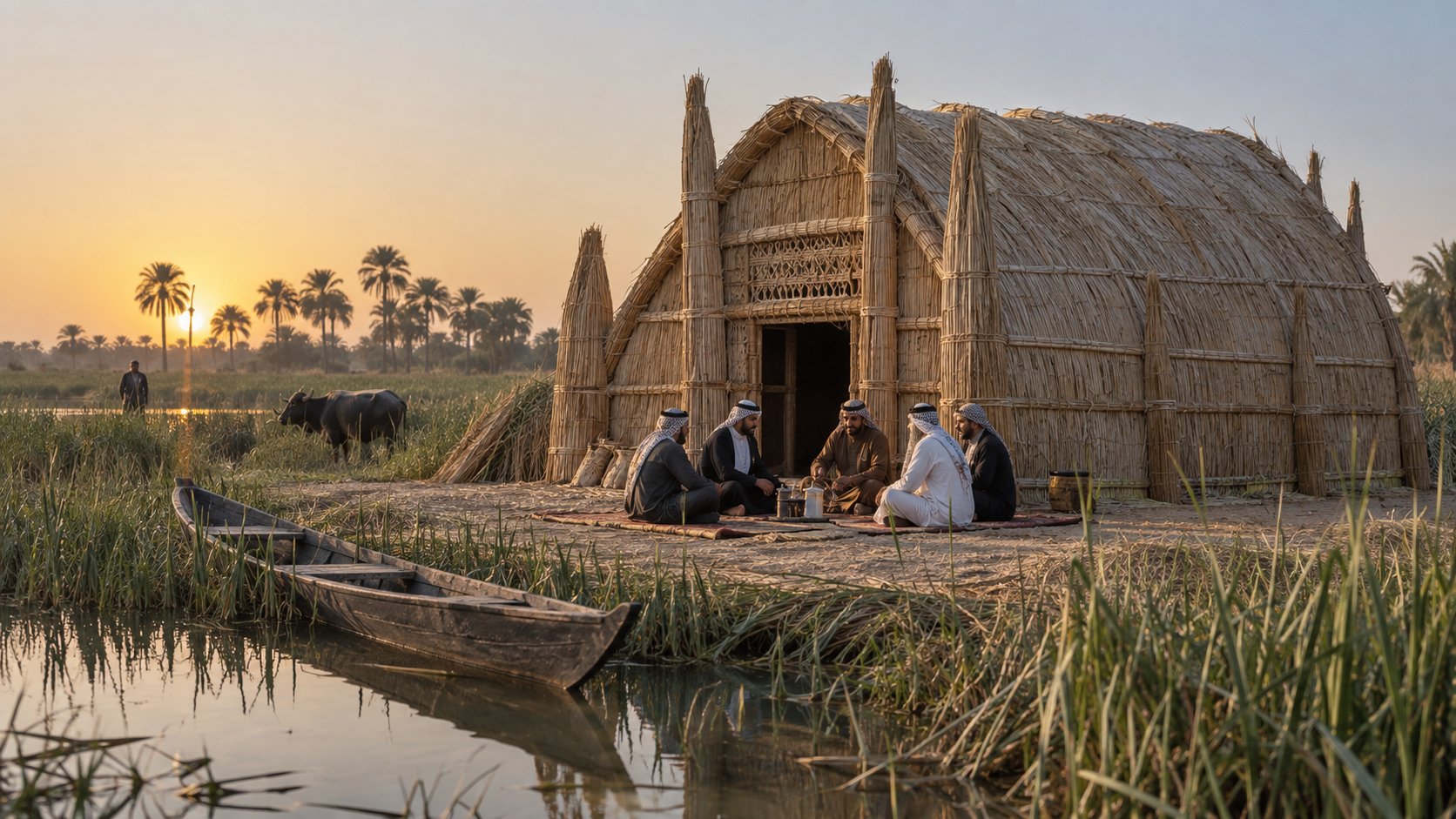
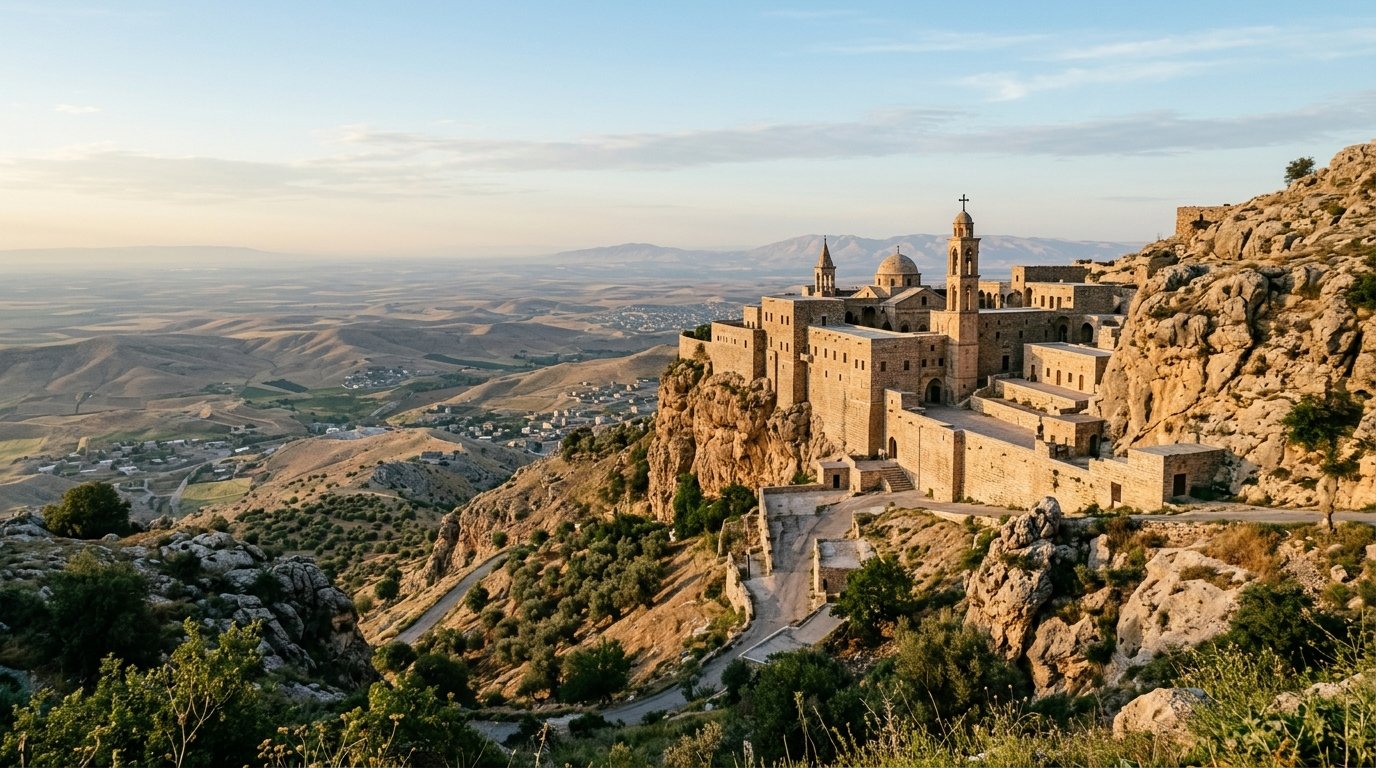
A practical starter guide to Iraqi cuisine: what to try first (Masgouf, Dolma, and Kubba) and simple etiquette tips for ordering and dining with confidence.
'## What dishes belong in an Iraqi “starter pack”?
Iraqi cuisine is a rich mix of history and heritage. If it's your first visit, three classics give you the best introduction: Masgouf, Dolma, and Kubba in their many forms. Together, they showcase Iraqi hospitality and the diversity of local ingredients [1].
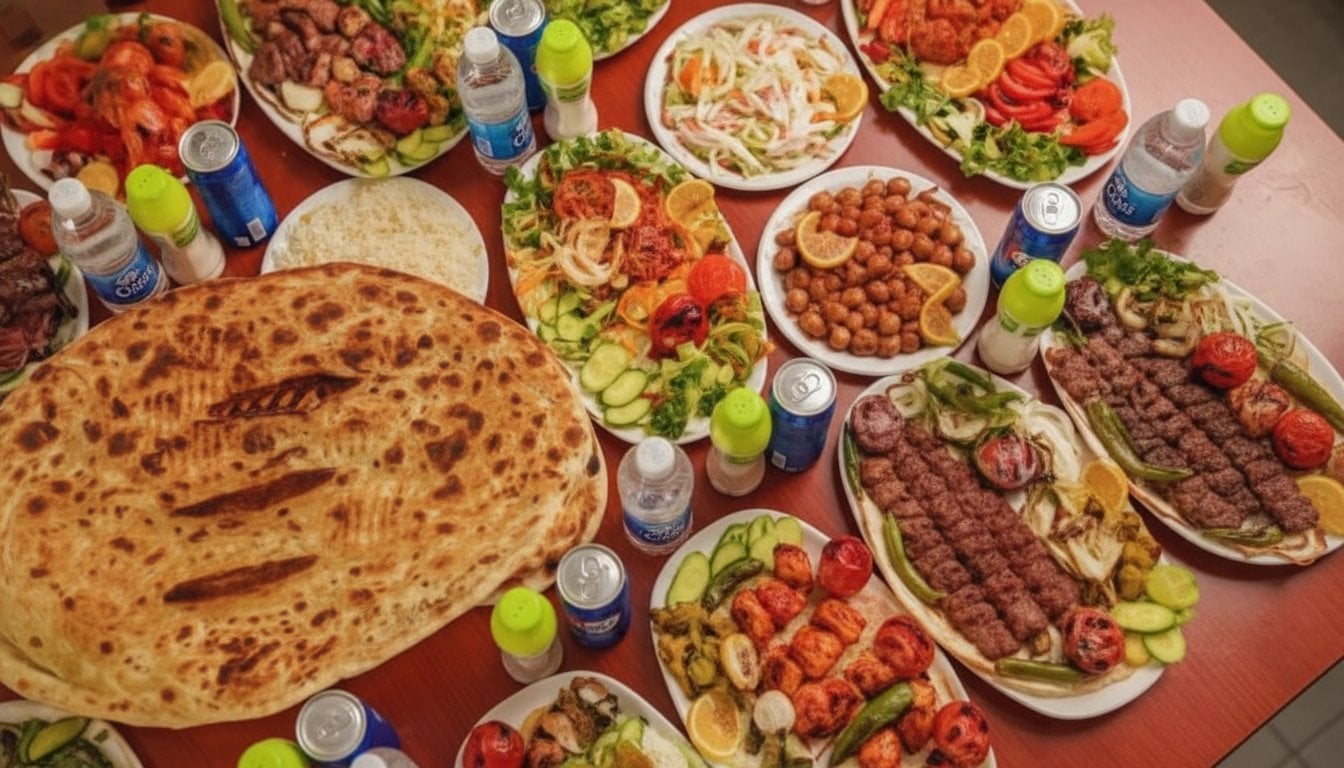
Masgouf: the king of the Iraqi table
No trip to Iraq feels complete without trying Masgouf—often considered the national dish. Traditionally, carp (such as shabout or bunni) is split from the back, salted, and slowly grilled over tarfaa wood, which gives it a distinctive smoky flavor [2]. Masgouf is typically served with hot bread, onions, and pickles (torshi) [4].
Iraqi dolma: a symphony of tang
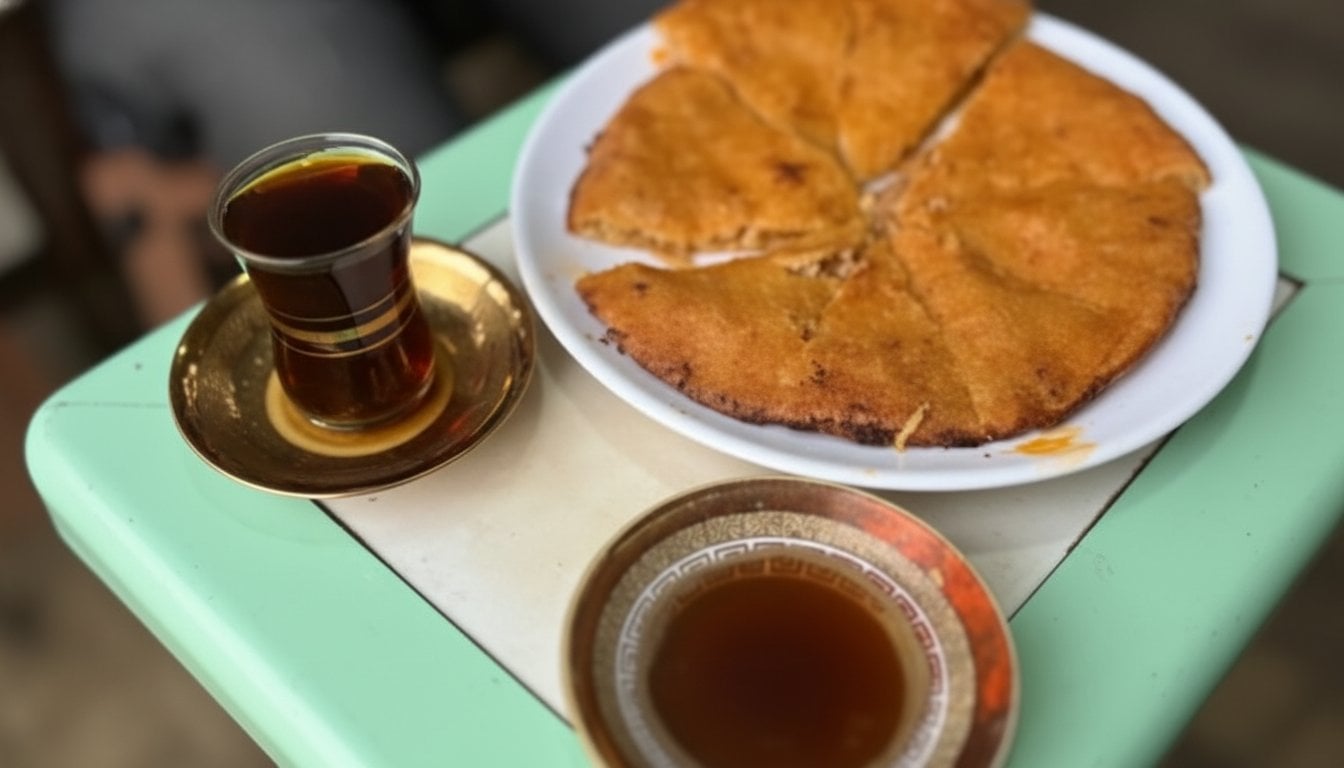
Iraqi dolma is usually richer and more tangy than other regional versions. It's made by stuffing vegetables (onions, eggplant, zucchini, and grape leaves) with a mix of rice and minced meat, seasoned with pomegranate molasses and tamarind [6]. One of the best parts is the crispy bottom layer that forms in the pot—often prized by locals.
Kubba: endless variety
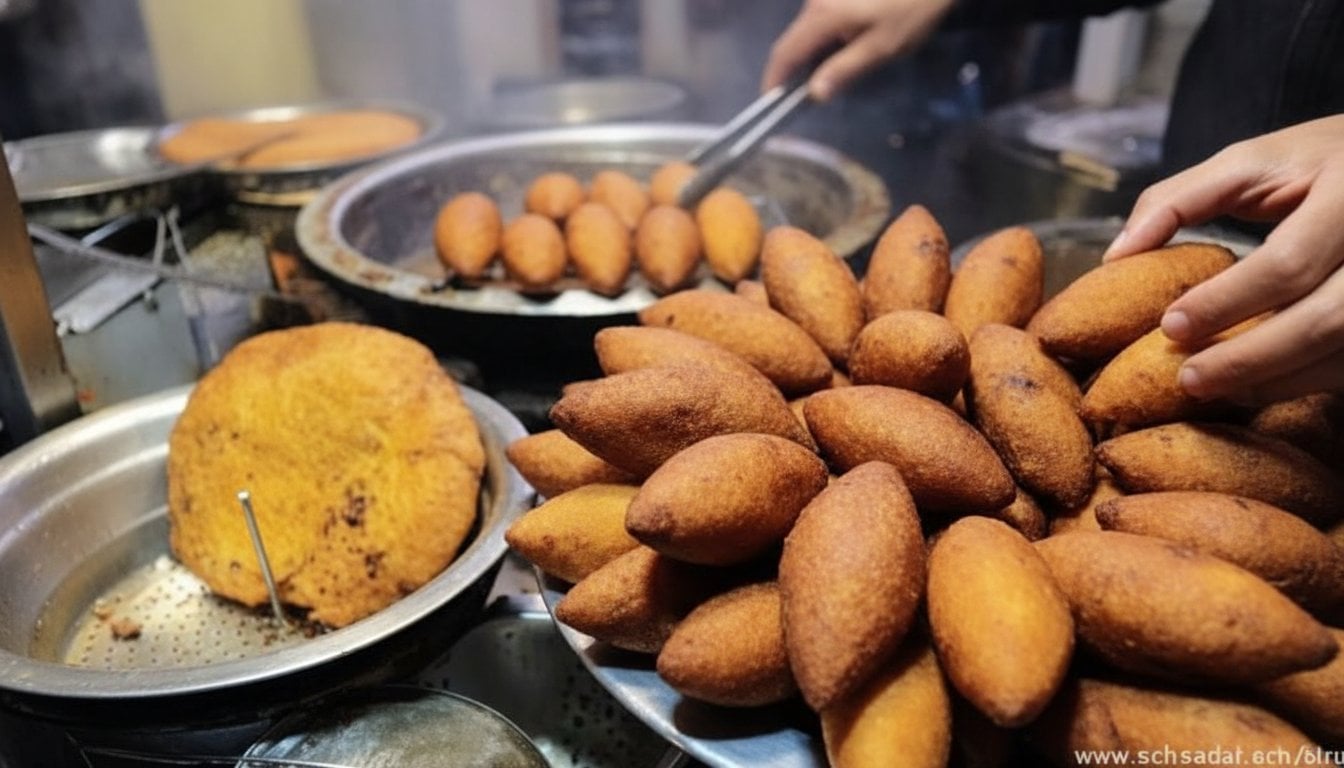
Kubba is a staple on Iraqi tables and comes in many shapes and styles:
- Kubba Halab: crispy fried rice kubba; the name is linked historically to trade routes.
- Kubba Mosul: a large, flat kubba made with cracked wheat and meat; it's commonly boiled and sometimes lightly fried.
- Kubba al-Saray: a well-known Baghdadi kubba often served with soup in older markets.
How to order politely in Iraq
Iraqis are famous for warm hospitality. In restaurants you'll often hear tadallal (“you're very welcome—your request is our pleasure”) or ya hala (“welcome”), meant to put you at ease [1].
- Greeting: start with “As-salāmu ʿalaykum” or “Marhaba”.
- Ordering: use “I want…” / “Could I have…” and add “please”.
- Ask for recommendations: it's totally normal to ask what's best today.
- Complimenting the cook: saying something like “Great hands!” is a friendly way to show appreciation.
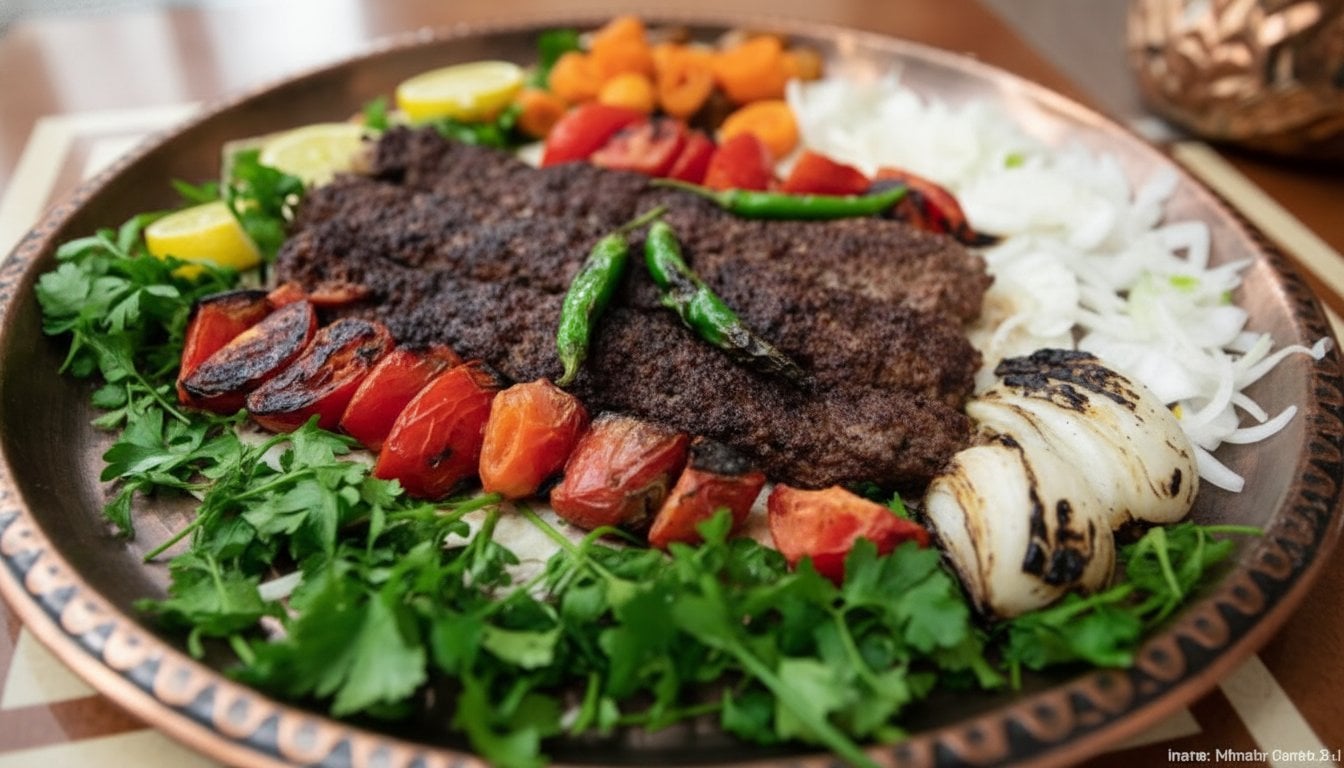
Table manners to know
A few simple habits show respect for local culture:
- Washing hands before and after eating is common and usually easy to do.
- In traditional settings, eating with the right hand is the norm.
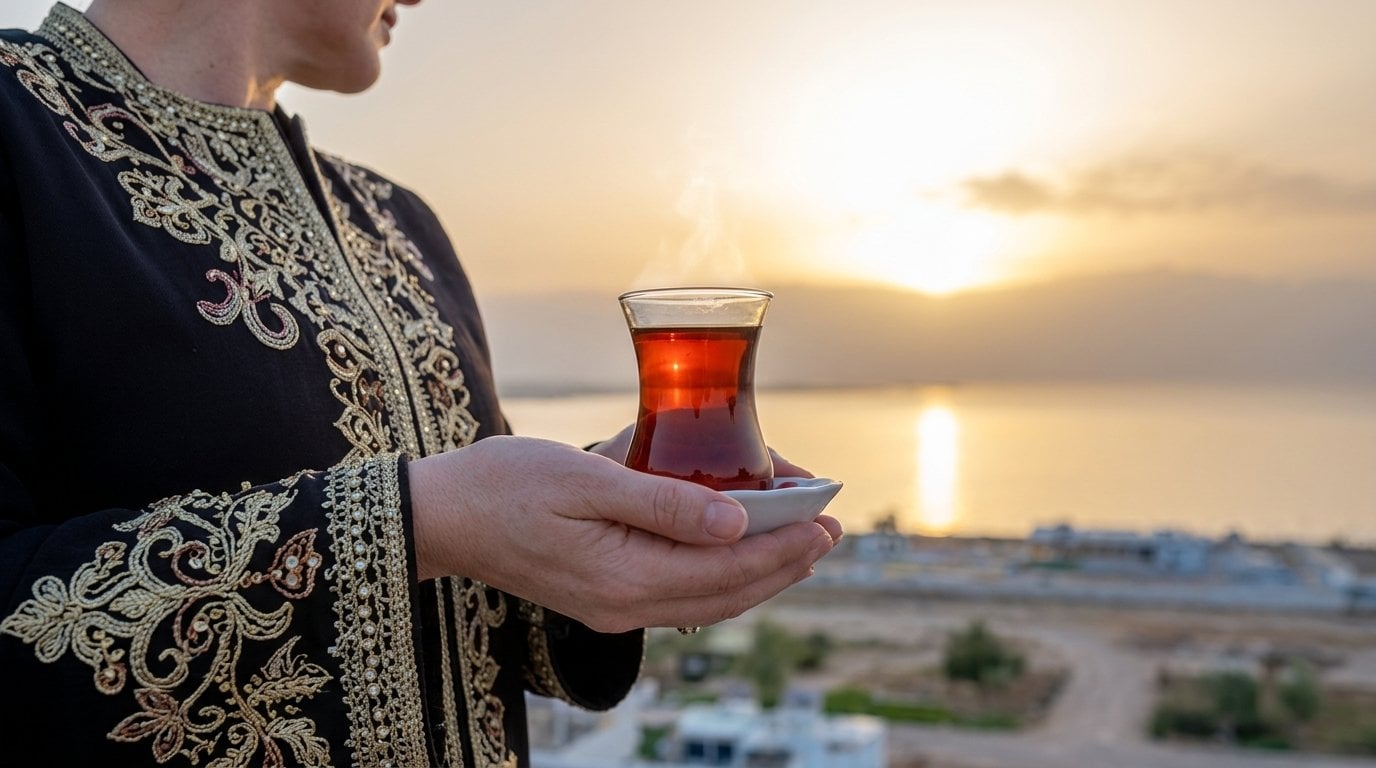
- You may be offered Iraqi cardamom tea after the meal; accepting it is often part of enjoying the moment.
{
  "faqs": [
    {
      "id": "faq_1",
      "question": "When is the best time to eat Masgouf in [Baghdad](/places/baghdad)?",
      "answer": "Evenings are ideal—especially along the Tigris River around Abu Nuwas Street,