Discover the magic of the month of Ramadan in Iraq, from daily fasting rituals and the traditional 'Mheibes' game to vibrant markets and restaurants that stay open all night.
When does Ramadan start in Iraq?
The month of Ramadan in Iraq begins based on the sighting of the crescent moon, and the timing may differ by a day or two between different religious schools [1]. This variation reflects the cultural and religious diversity in Mesopotamia, as families await statements from religious authorities in Najaf and the Sunni Endowment Office to determine the fasting date. For 2026, Ramadan is expected to begin in mid-February, but the final confirmation remains subject to the "Istihlal" (moon sighting) on the preceding night.
How does daily life and work pace change?
During the day in Ramadan, an atmosphere of calm and tranquility prevails in Iraq. Government and private institutions adhere to reducing working hours to ease the burden on those fasting [2]. Most restaurants and cafes also close their doors from dawn until sunset, in adherence to the sanctity of the month. However, you may find some restaurants that open partially for travelers or those not fasting, often with their facades covered with white curtains out of respect for public sentiment [3].
What are the secrets of the Iraqi Iftar table?
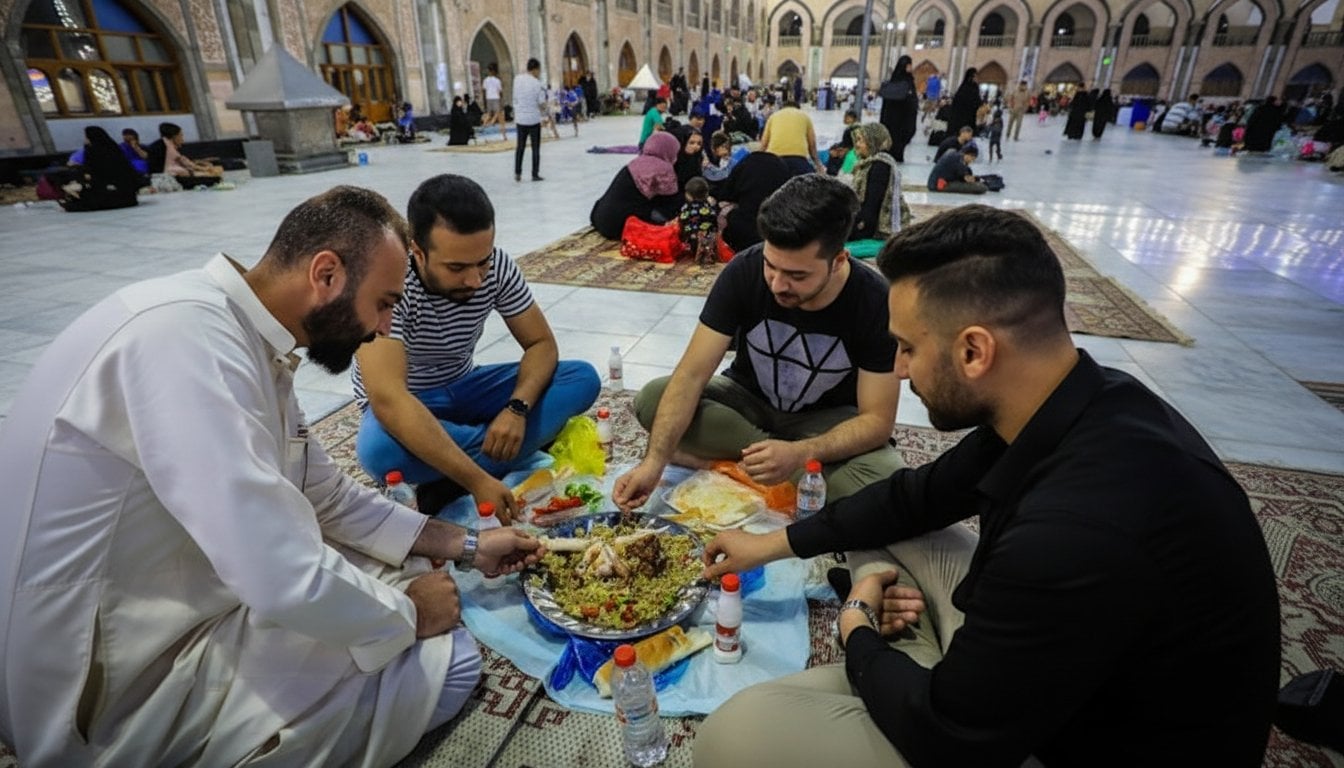
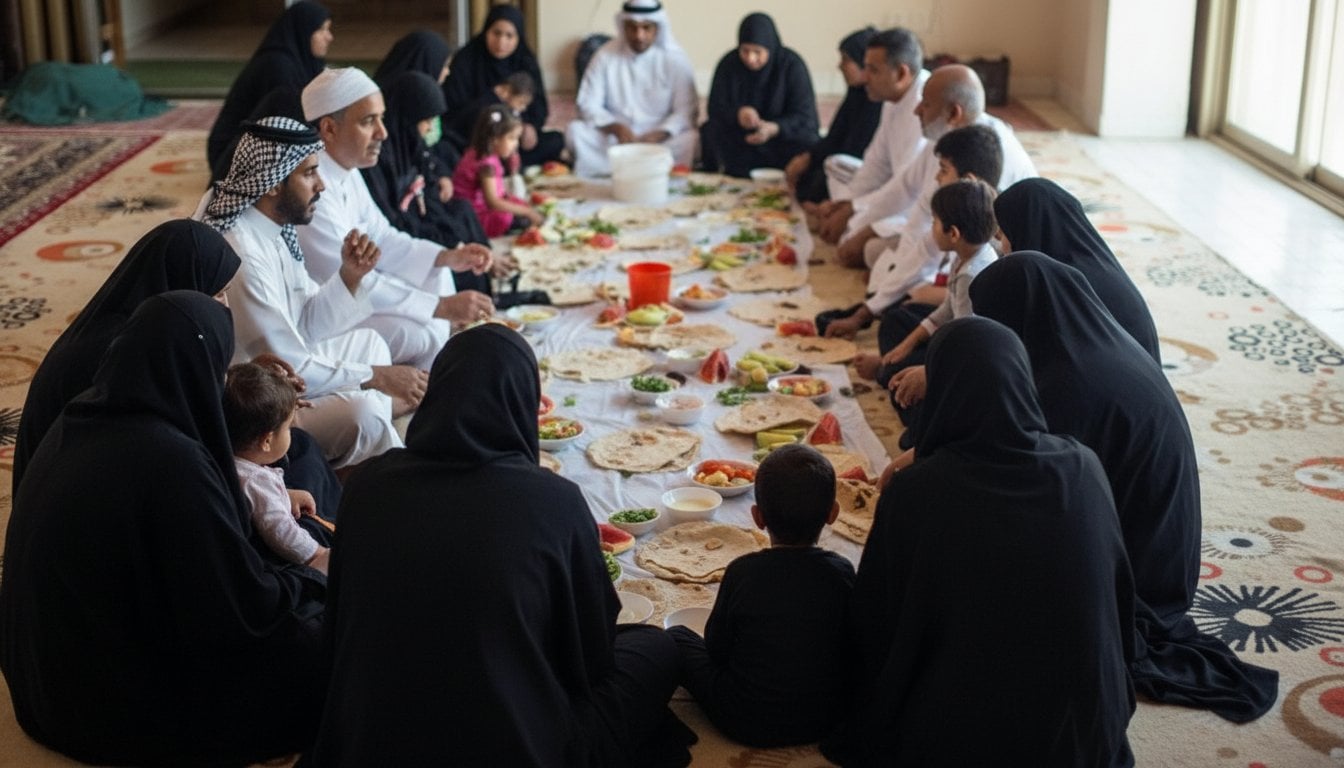
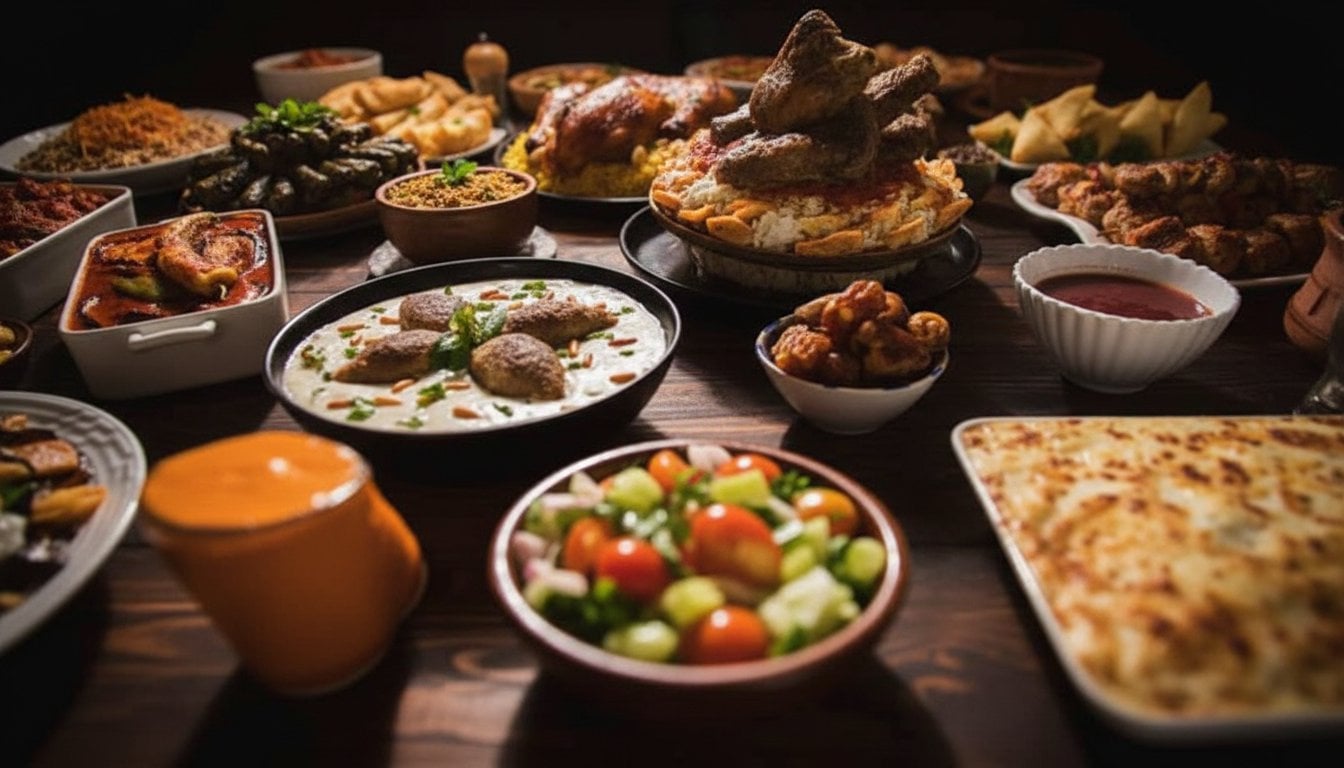
The Iraqi Iftar table is a symbol of generosity, where rituals begin by breaking the fast with dates and "Labneh Erbil" or the famous raisin juice. No Iraqi table is complete without "Lentil Soup" and the main dish which might be "Dolma", "Biryani", or "Quzi" [4]. These moments are not just about eating, but they are family gatherings that reinforce values of love and solidarity.
Do Iraqi cities wake up at night?
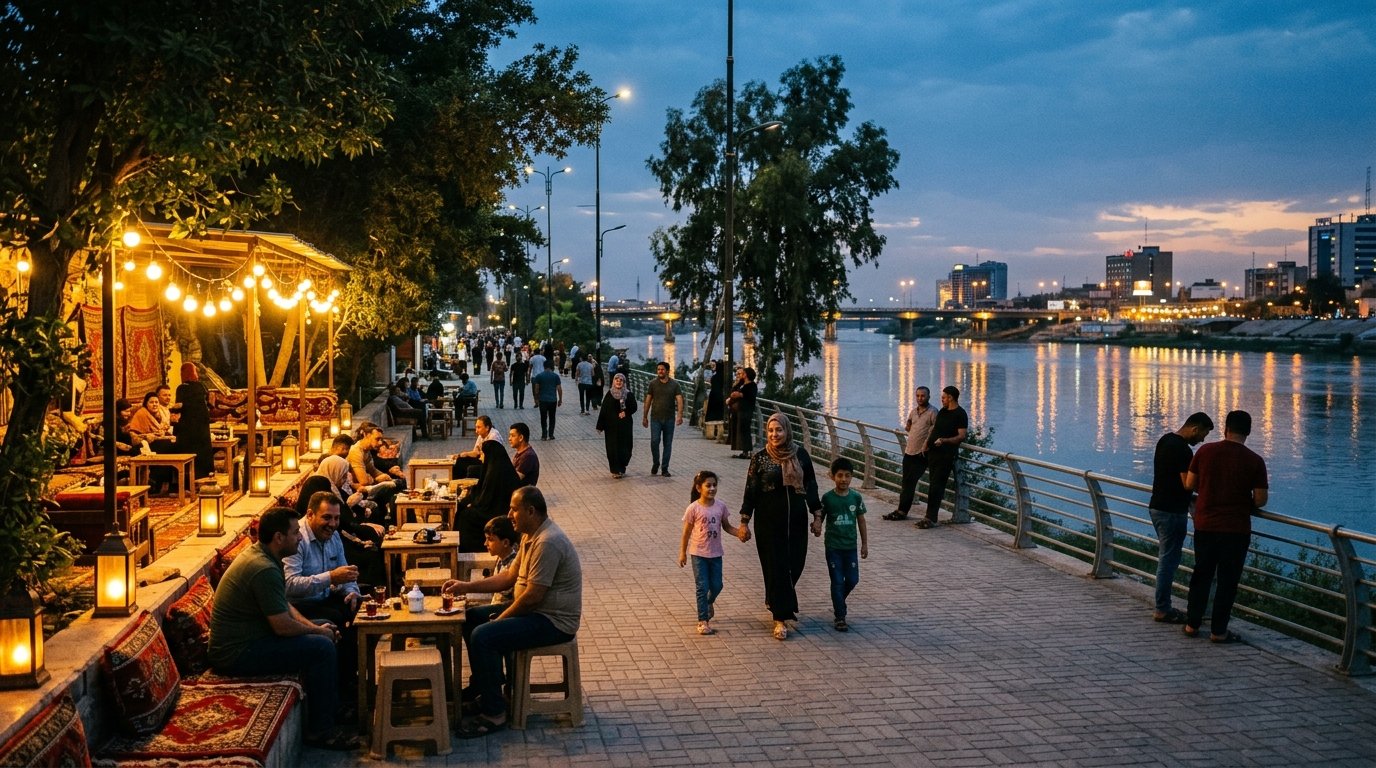
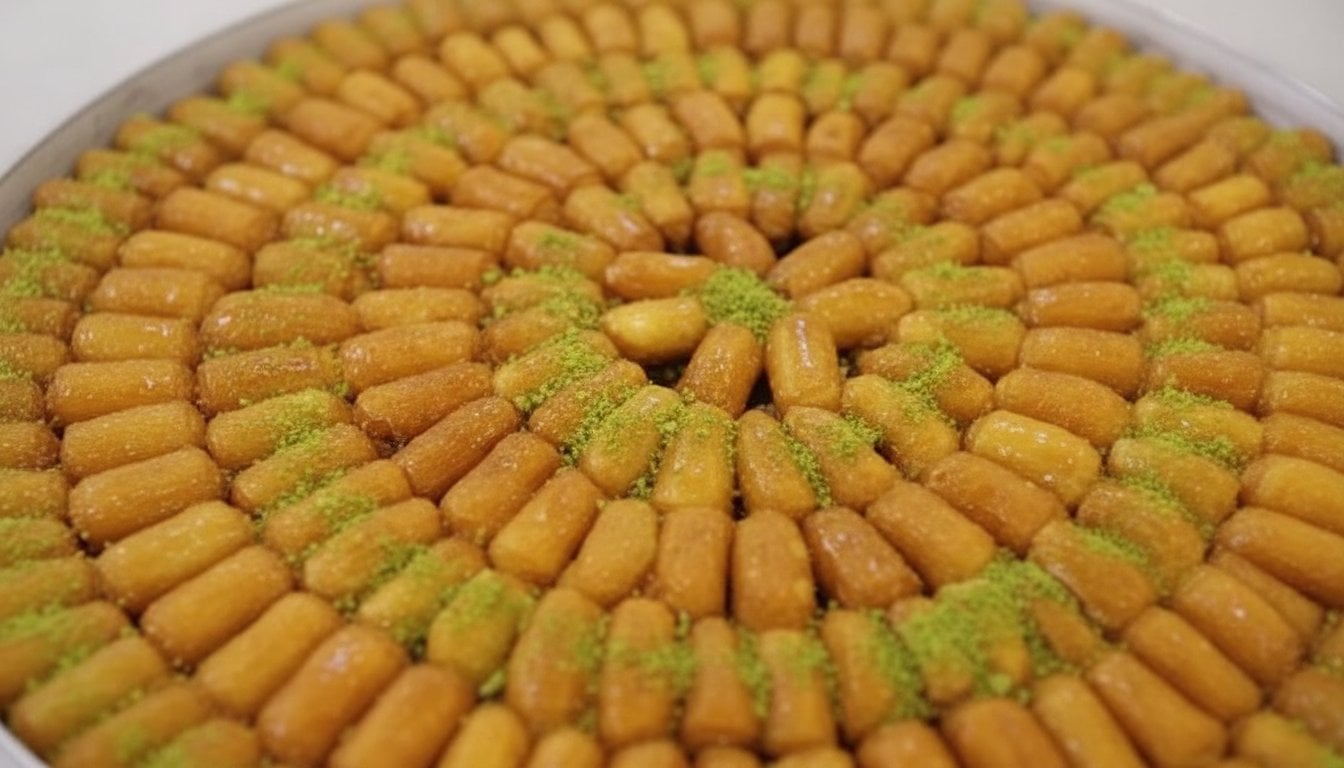
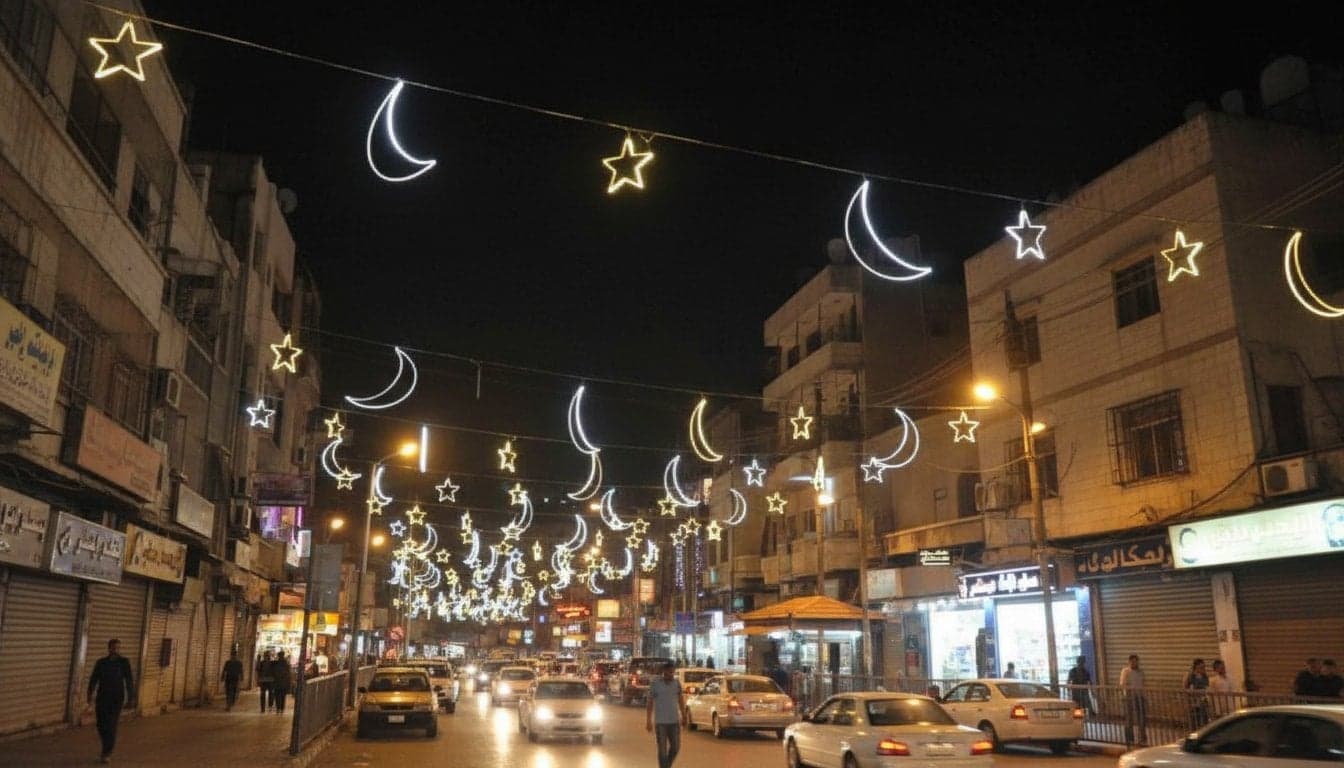
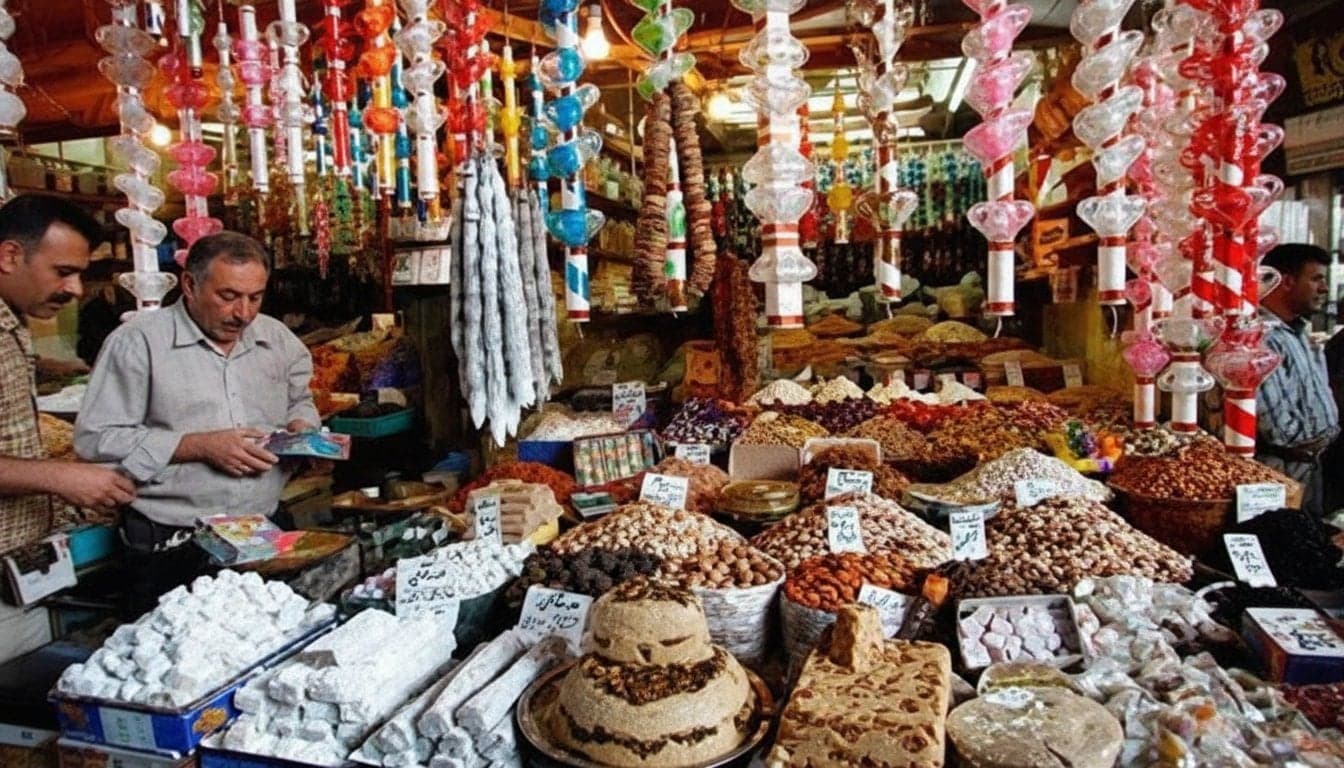
Yes, what distinguishes Ramadan in Iraq is the beautiful shift in lifestyle, as cities pulse with new life after Iftar and Taraweeh prayers. Major markets such as "Shorja Market" in Baghdad and markets in Mansour and Karrada open their doors until the early morning hours [1]. Cafes are crowded with youth and men playing the famous "Mheibes" game, a traditional game relying on intelligence, which gathers teams from different areas in an enthusiastic atmosphere accompanied by folk chants and the distribution of "Zalabia and Baklava" sweets [4].
Tips for travelers during Ramadan
If you plan to visit Iraq during Ramadan 2026, here are some important tips:
- Respect those fasting: Avoid eating or drinking publicly in the streets during daylight hours.
- Explore the nights: Dedicate your time to going out after Iftar, when the atmosphere is at its peak.
- Night shopping: Markets at night are a magical experience, completely different from the day.
- Taste the sweets: Do not miss trying authentic Iraqi Ramadan sweets in popular cafes.
Sources
- Al Jazeera: Ramadan Traditions in Iraq — https://www.aljazeera.net
- Al-Sabah Iraqi Newspaper: Ramadan Atmosphere — https://alsabaah.iq
- Qatar News Agency: Ramadan in Mesopotamia — https://qna.org.qa
- IslamWeb: Fasting Customs and Traditions in Iraq — https://islamweb.net
- The National: Iraqis Prepare for Ramadan — https://www.thenationalnews.com
Gallery
❓Frequently Asked Questions
Here are answers to frequently asked questions about the content above
Astronomically, it is expected to start on February 18, 2026, but the exact date is determined by moon sighting and may differ by a day between different sects.
Most restaurants close during the day, but some open with special permits while covering facades with curtains, while all open after Iftar until Suhoor.
It is a famous Iraqi folk game played in Ramadan, where two teams compete to find a hidden ring (Mheibes) in the hand of a member of the opposing team.
Official working hours are usually reduced by an average of one or two hours daily in government offices and many private sector companies.
Yes, absolutely. Iraq welcomes everyone, and it is only advised to respect the month's traditions and avoid eating and drinking publicly during fasting hours.
The Iraqi table is famous for Dolma, Quzi, Lentil Soup, and Raisin and Qamar al-Din juices, in addition to Baklava and Zalabia sweets.