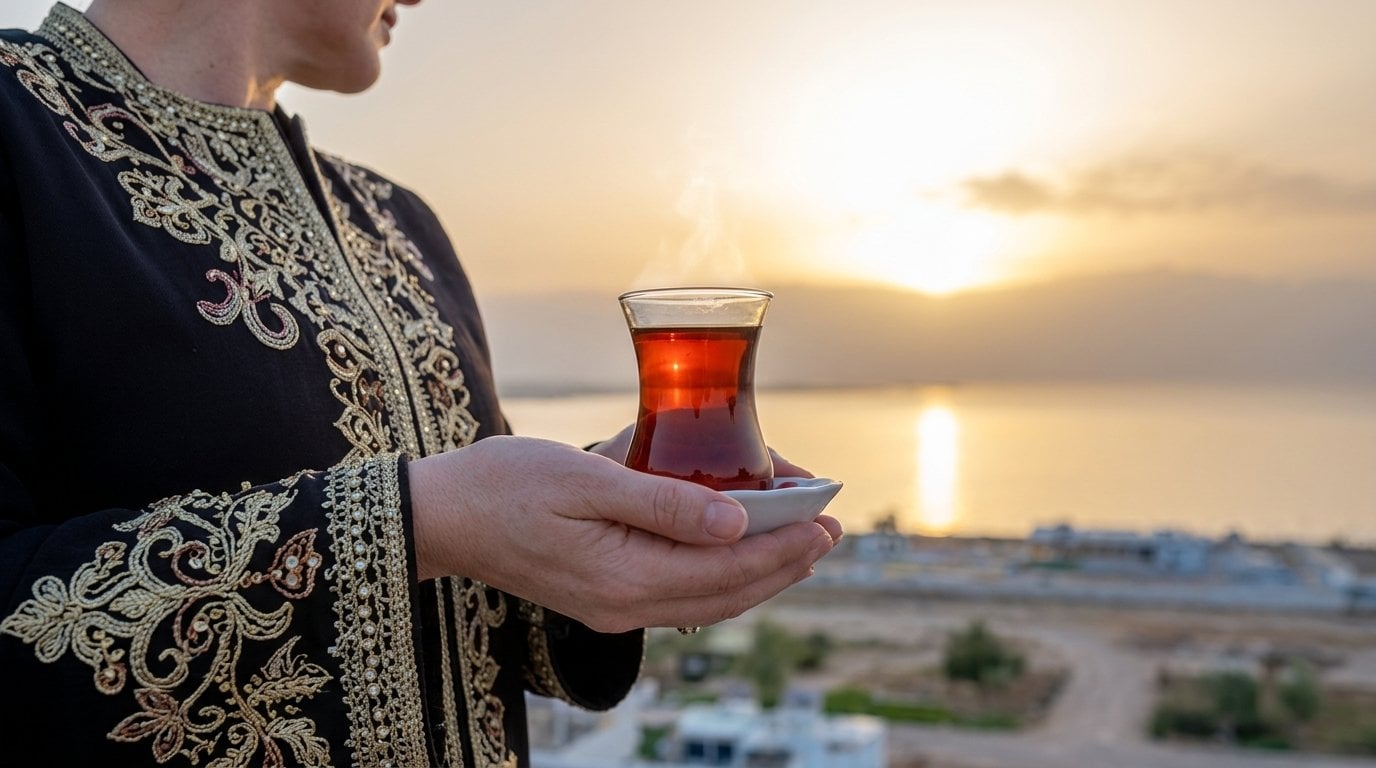
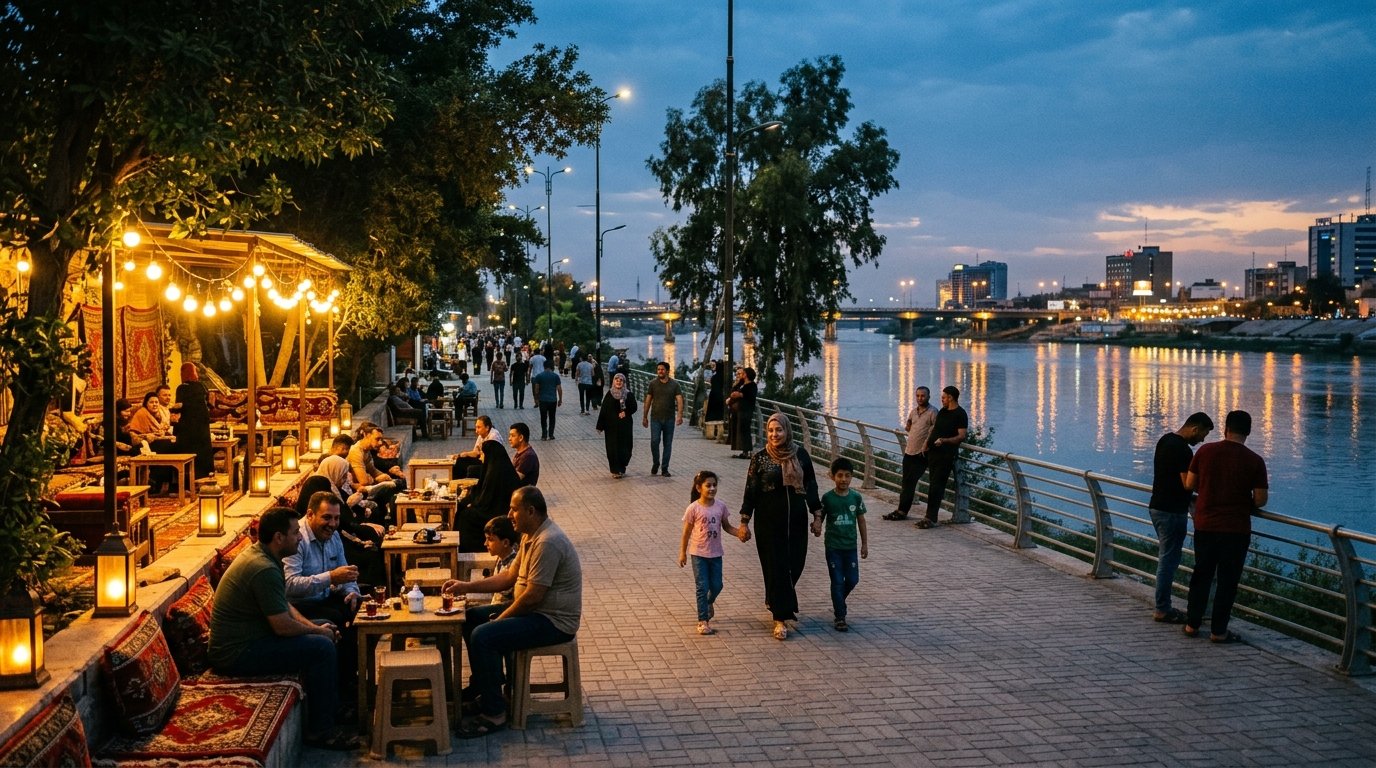
Discover the atmosphere of the Ziyarat of Imam al-Kadhim in Baghdad, where Iraqi generosity is manifested in processions offering free food and drink, and learn about the visit date and how to undergo this unique cultural experience.
The Ziyarat (pilgrimage) of Imam al-Kadhim (peace be upon him) in Baghdad is one of the city's largest annual religious gatherings, centered around the shrine in the Kadhimiya district. [1] During the peak days, many pilgrims walk on foot through Baghdad, and local volunteers (including Mawakeb service processions) provide food, drinks, and rest along the routes. [2]
If you’re visiting as a traveler (religious or not), this guide focuses on what you actually need: what the event is, when it usually happens, what to wear, how to move around during road closures, and basic etiquette.
Key facts (quick overview)
- What it is: A major Shia Muslim commemoration and pilgrimage to the shrine of Imam Musa ibn Ja'far al-Kadhim in Baghdad. [1]
- Where: Al-Kadhimiyah / Kadhimiya district, Baghdad (around the golden-domed shrine). [1]
- When (Hijri date): The peak is on 25 Rajab (Islamic lunar calendar).
- When (2026 estimate): Calculated calendars commonly place 25 Rajab 1447 on January 14, 2026 in Iraq (+/- 1 day depending on moon sighting and local announcements). [3]
- Cost: Many Mawakeb offer free food and drinks, but still carry cash for taxis, snacks, and emergencies.
- Dress code: Modest clothing; many pilgrims wear black as a sign of mourning. [5]
- Transport: Expect heavy congestion and road closures near Kadhimiya on peak days. [2]
- Photos: Street photos are often fine; inside sacred areas, rules can change—ask staff and avoid photographing people up close without consent.
Note: This is a practical travel overview, not an official announcement. Details like dates, road closures, and shrine rules can change—verify locally when you arrive.
Quick glossary (local terms)
- Ziyarat: A pilgrimage/visit to a holy site.
- Kadhimiya (Al-Kadhimiyah): The Baghdad district where the shrine is located.
- Mashaya: The custom of walking on foot (often in groups) towards the shrine.
- Mawakeb (singular: Mawkeb): Service and rest points organized by volunteers to welcome and support pilgrims. [2]
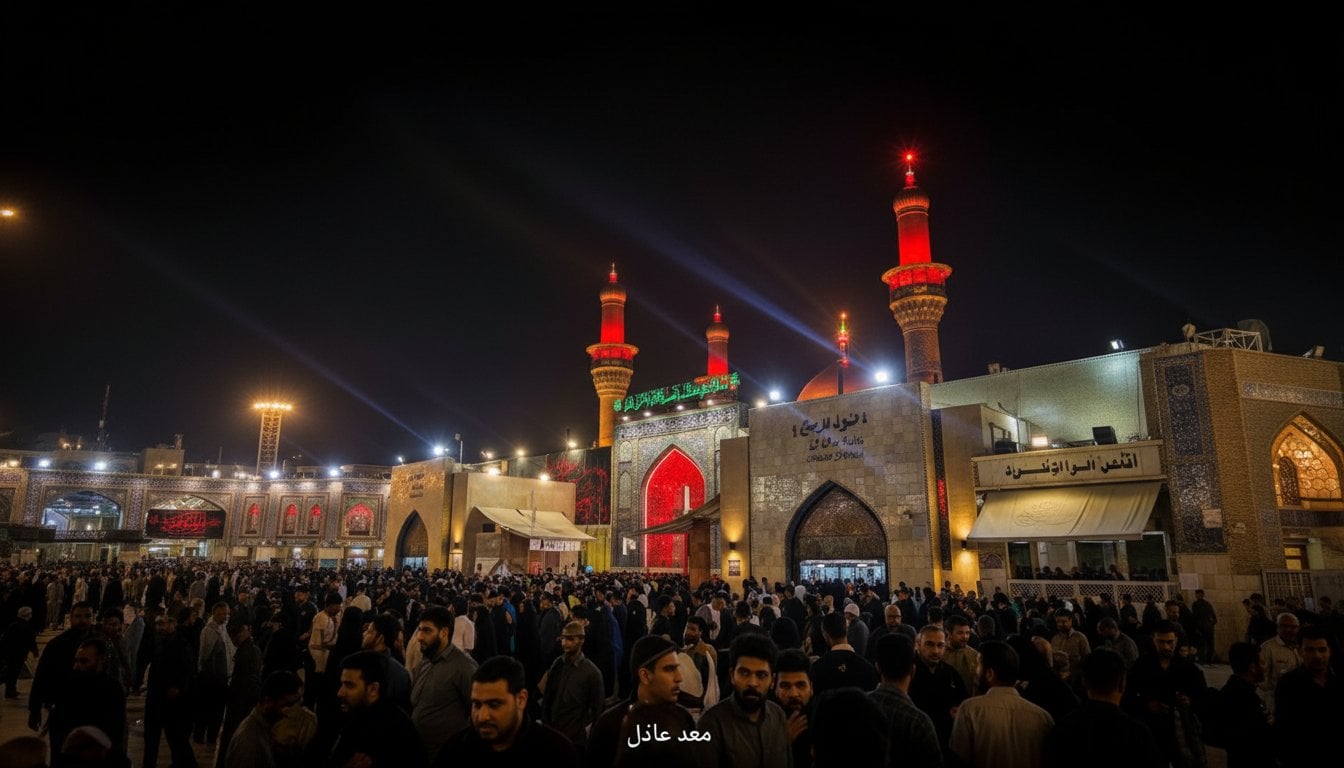
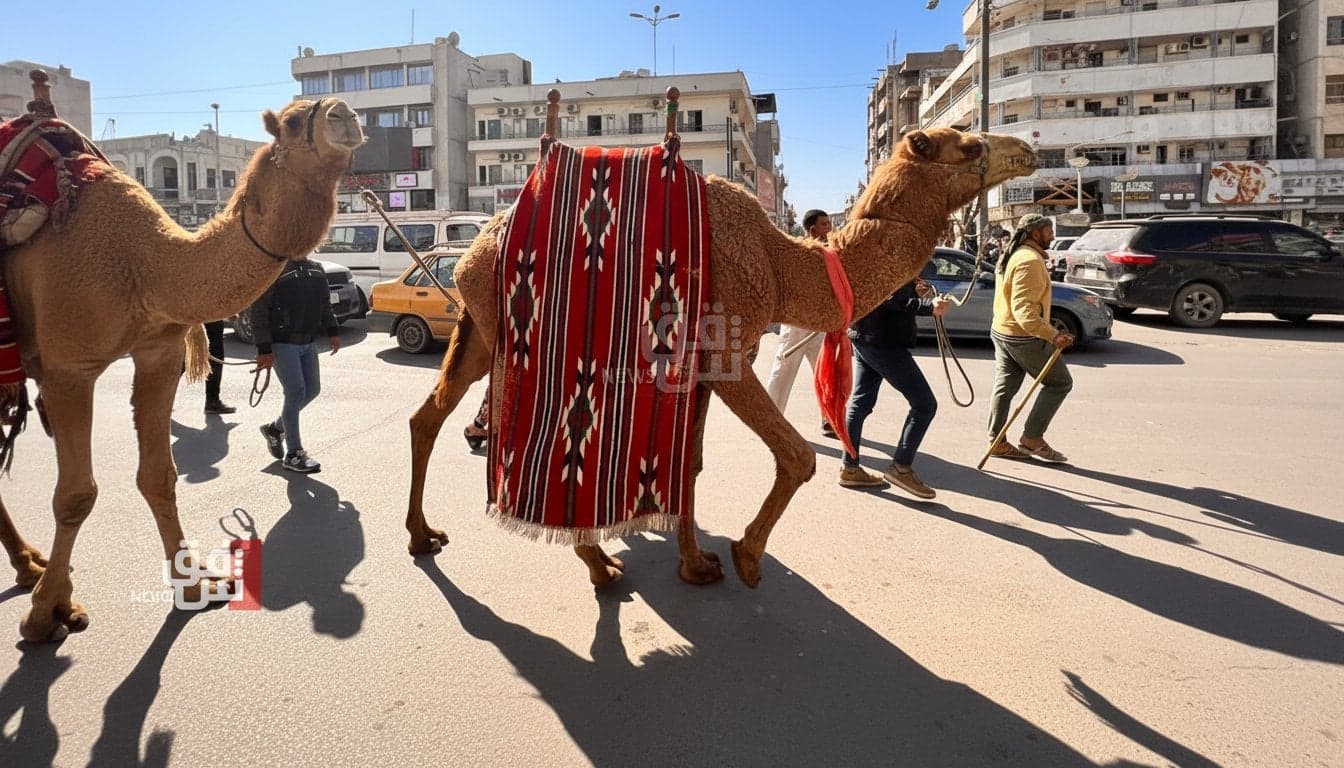
In the month of Rajab, Baghdad turns into a city of pedestrians. Major roads near the shrine may close, and processions line the paths to offer hospitality and services. [2]
What is the Ziyarat of Imam al-Kadhim and why is it special?
The Ziyarat commemorates the death/martyrdom of Imam Musa ibn Ja'far al-Kadhim (peace be upon him), the seventh Imam of Twelver Shia Islam. The visit centers on the shrine in Kadhimiya, but the experience is broader than just "ceremonies inside the shrine": walking paths through the region, procession services on the road, and service and security plans on peak days. [1] [2]
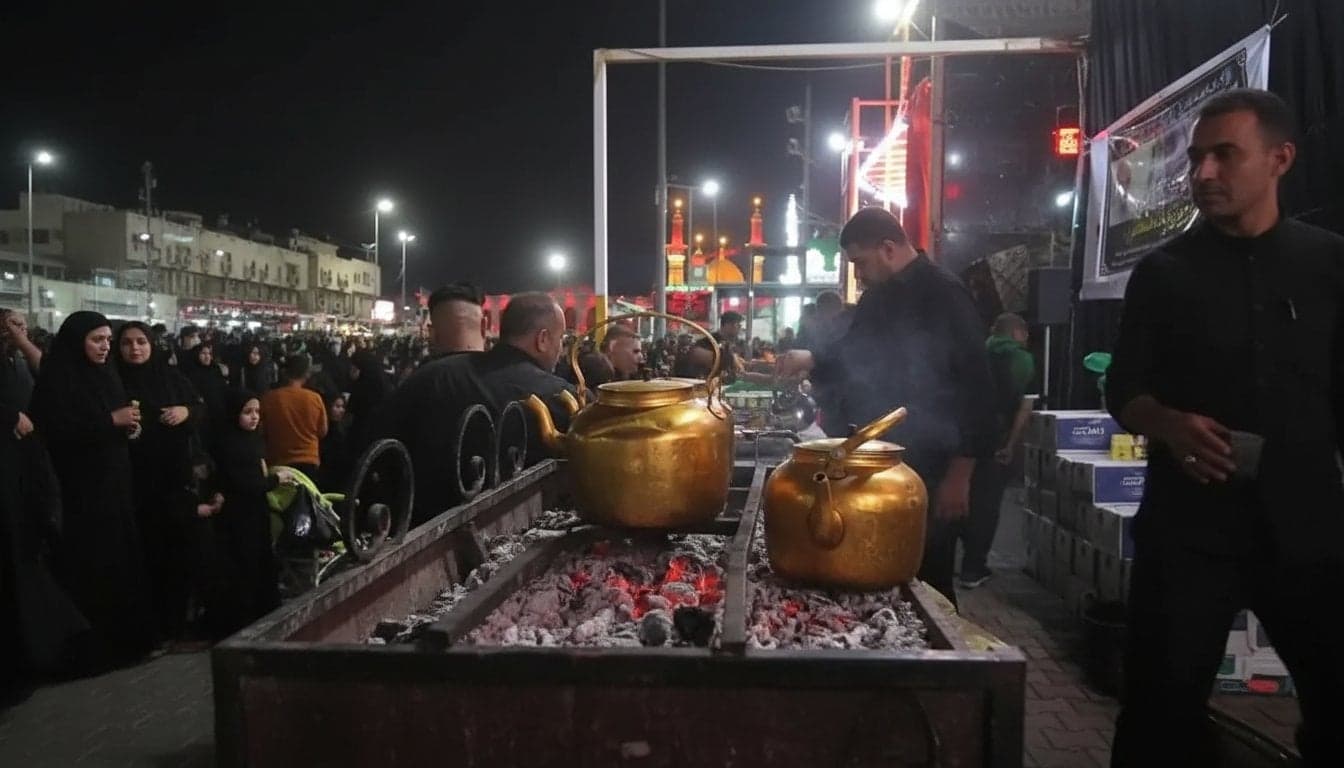
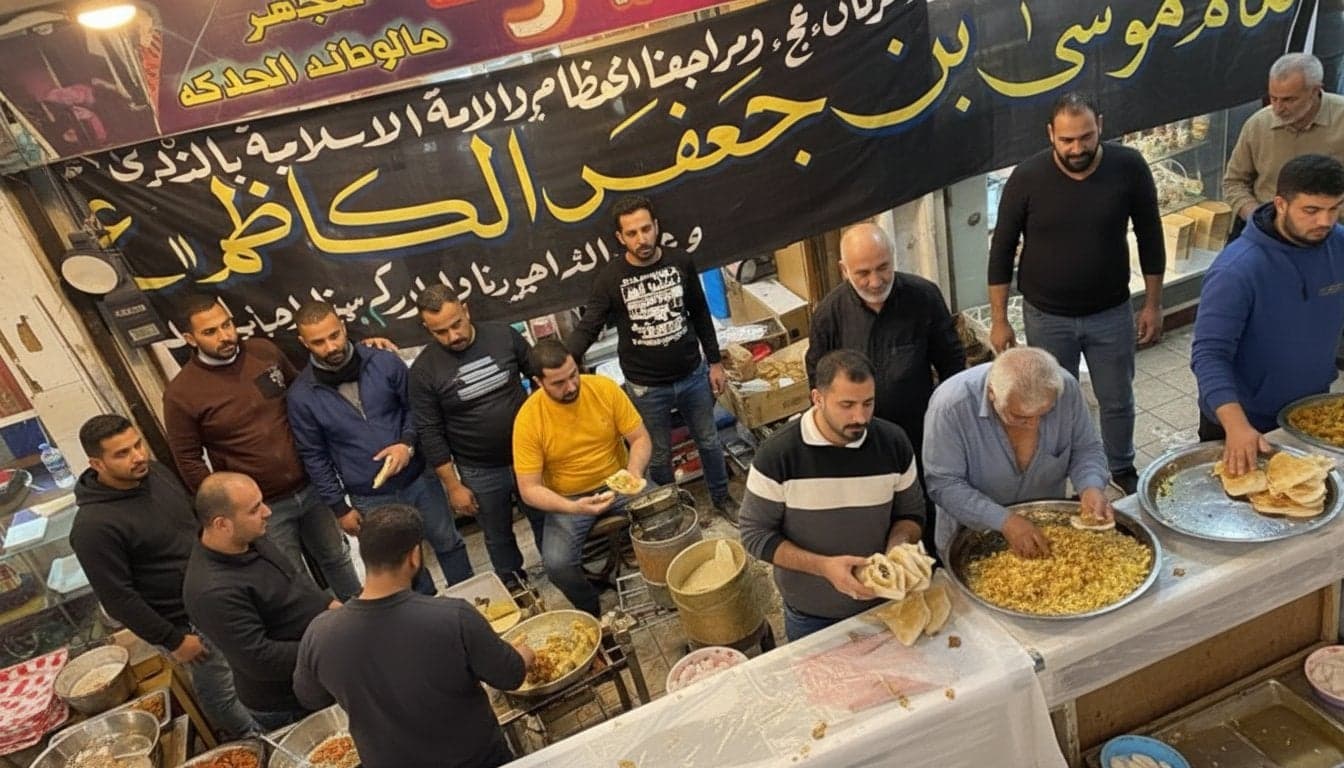
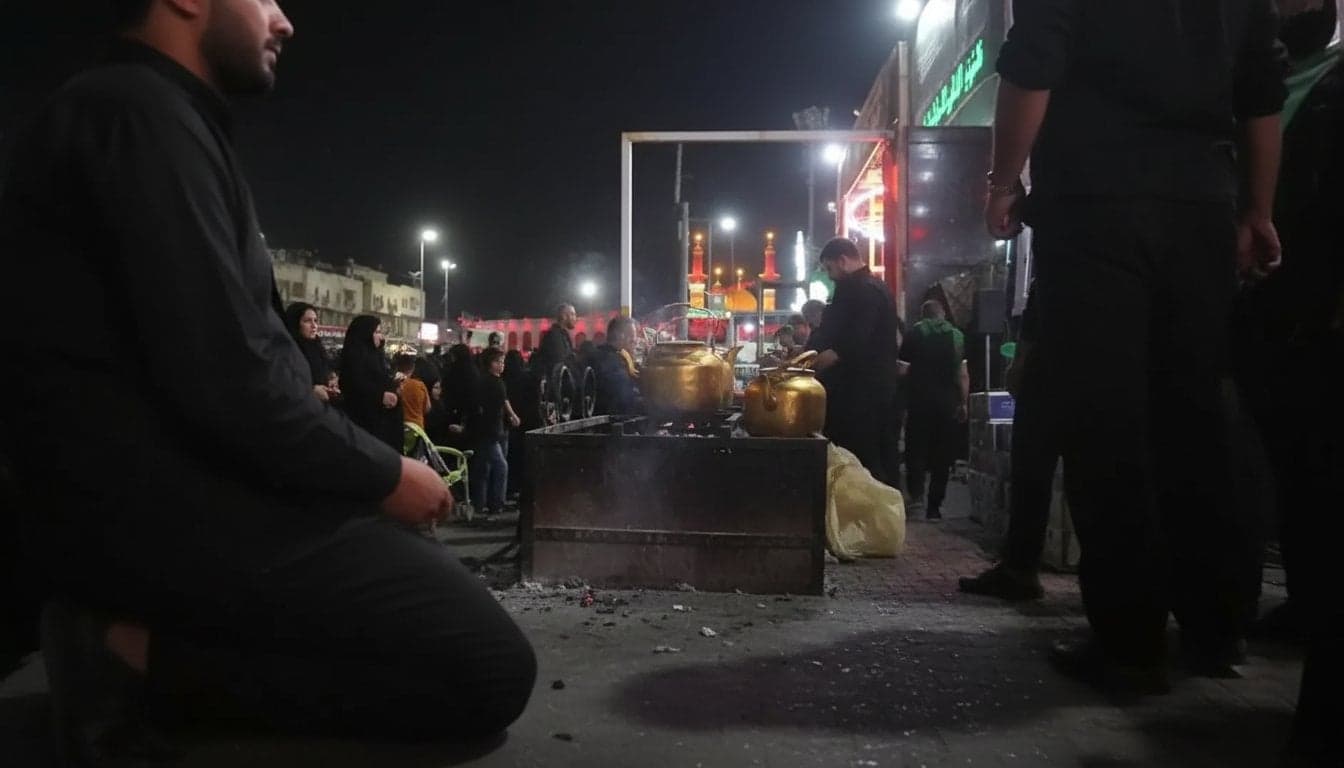
For a traveler, what stands out is the scale of solidarity and hospitality; along walking paths you will see processions offering tea, water, meals, and places to rest—often free of charge. [2]
When is the Ziyarat in 2026?
The peak is on the 25th day of Rajab according to the Hijri calendar. Because the Hijri calendar is lunar, the Gregorian date may differ by about one day depending on moon sighting and local announcements.
For 2026, many calculated calendars indicate that 25 Rajab 1447 corresponds to January 14, 2026 within Iraq (and may be observed in some areas a day before/after). [3]
Usually, the atmosphere begins several days before the peak. If you wish to experience the paths with relatively lighter crowds, consider visiting several days before the peak while being prepared for road closures and heavy movement. [2]
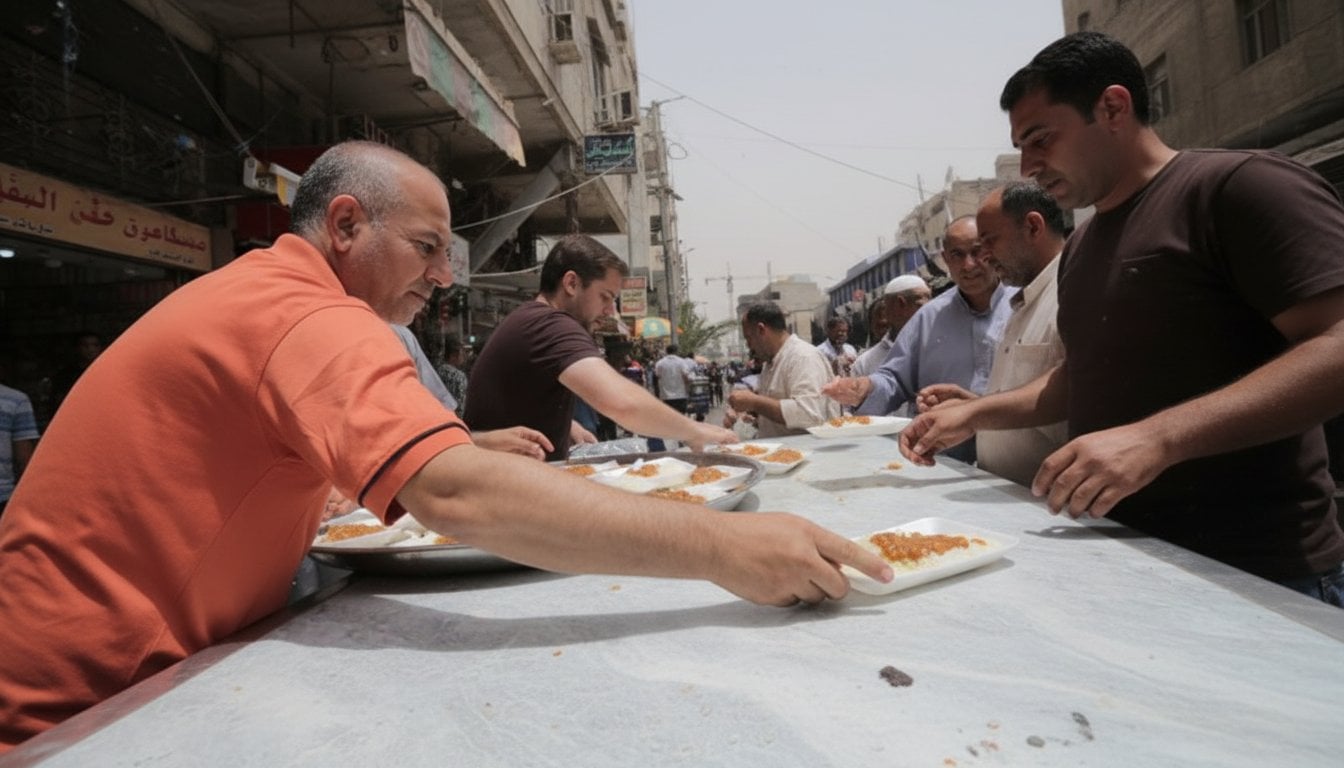
The Mawakeb Experience: Mostly Free Hospitality
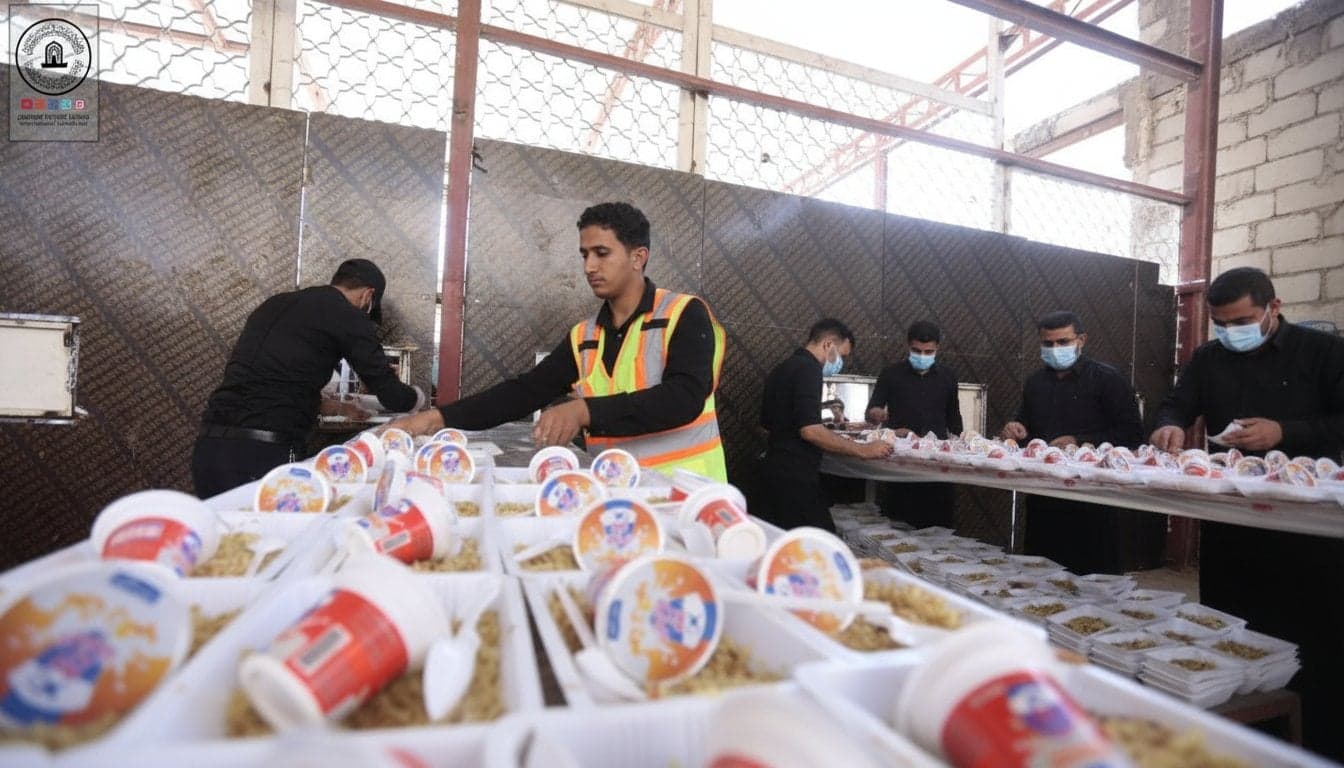
One of the most distinctive features of the Ziyarat is the spread of Mawakeb on roads leading to Kadhimiya. These are service and rest points organized by locals and volunteers with love and dedication.
As you walk through the streets of Baghdad during these days, you will often find:
- Free Food: Lunch and dinner meals, most famously Qeema with rice, in addition to Hareesa, some grills, and sandwiches.
- Drinks (often all day): Iraqi cardamom tea, coffee, juices, and cold water.
- Rest Services: Seating areas, massage for tired feet, and sometimes places to sleep.
Many pilgrims can spend hours without buying food or drink due to the abundance of Mawakeb, but it remains better to carry a small amount for transport and emergencies.
How do I participate and experience the walking procession?
You don't need a complex plan; the event takes place on public roads. Here is a practical way to start:
- Choose a starting point (flexible): People join from many neighborhoods, and routes may vary by day and year. As an example only, you can start from an active street/area towards Kadhimiya (like Karrada, Palestine Street, or Mansour) then follow the flow of pedestrians and signs on the ground towards the shrine perimeter.
- Walking is key: Many roads and bridges towards Kadhimiya may be closed to cars to facilitate pedestrian movement. Wear very comfortable shoes.
- Enjoy the atmosphere respectfully: Walk leisurely, stop at Mawakeb for tea, and exchange greetings with people. Many visitors describe the atmosphere as welcoming, especially on service paths. [2]
- Maintain Respect: This is a mourning occasion for many participants; lower your voice near the shrine, wear modest clothing, and avoid exaggerated "touristy" behaviors (like posing in front of mourners).
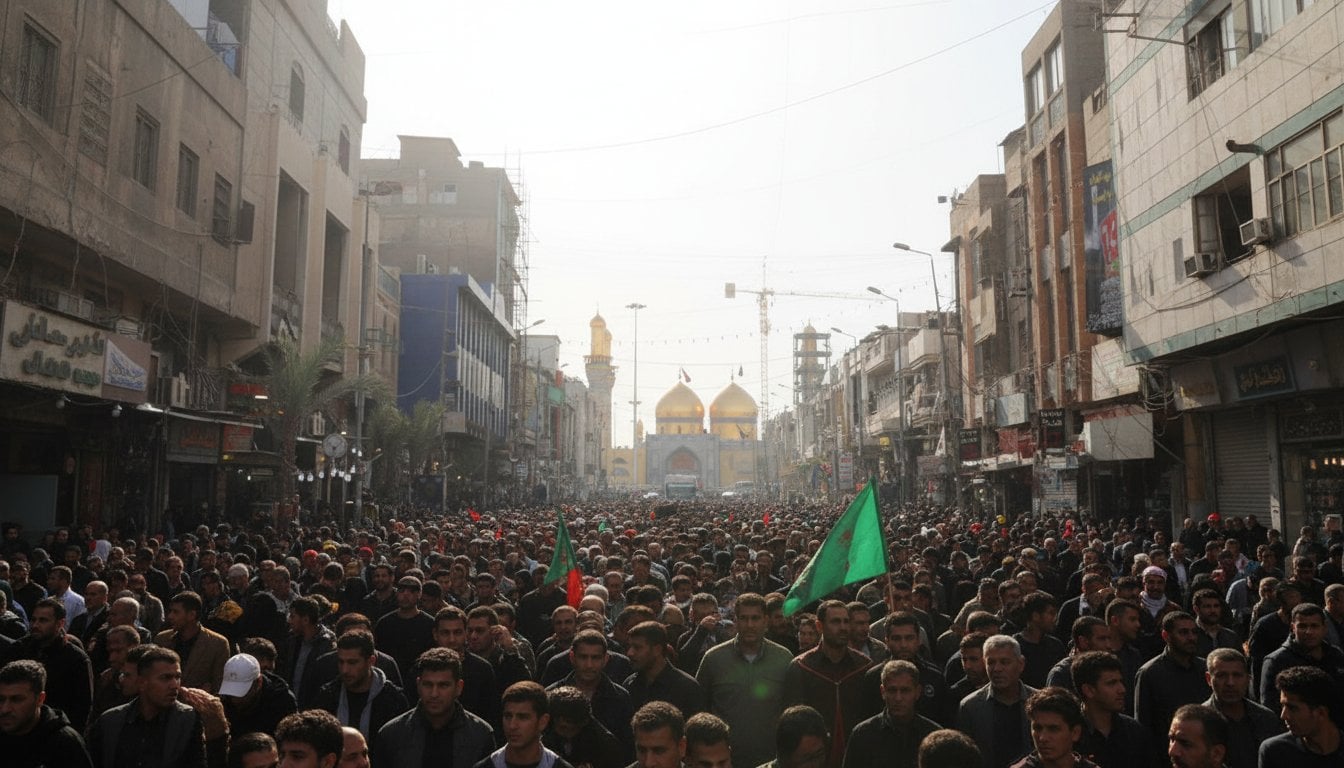
What should I wear? (Dress Code Tips)
Because it is a mourning occasion, modest clothing is expected in the shrine perimeter. Many pilgrims wear black or dark colors, but don't treat black as a strict rule if you don't have it available.
- For Men: Many wear a dark shirt/t-shirt with comfortable trousers. Avoid loud colors or shorts out of respect for the occasion.
- For Women: Many wear the Abaya with Hijab, or Hijab with loose modest clothing. Dark colors are common in Rajab occasions.
- Weather: Baghdad weather in January is relatively cold especially at night and morning—carry a warm jacket.
Practical Tips for Visitors
- Transport: Expect severe road closures and congestion near Kadhimiya on peak days. Taxis might not reach the nearest streets, so plan to walk extra distance. [2]
- Crowds: Charge your phone, set a meeting point if you are with a group, and avoid pushing inside bottlenecks—move slowly and follow directions of organizers/security.
- Security Checks: Expect checkpoints and sometimes route changes near the shrine. Carry ID, pack light (small bag), and follow instructions on the ground. [2]
- Photos: Street photos are often possible, but ask before photographing people up close. Inside sacred places rules might be stricter—ask and comply immediately if asked to stop.
- Emergency (Iraq): The Ministry of Interior launched 911 as a unified emergency number. Reports indicate the service is available in five languages: Arabic, Kurdish, English, Persian, and Turkish. Coverage and routing may vary—verify locally (Hotel/Host or trusted authorities) upon arrival. [4] [6]
Inside the Shrine: Etiquette and Practical Points
- Follow Signs and Staff Instructions: Entry rules and movement paths may change on peak days.
- Quiet and Respect: Lower your voice, do not block walkways, and step aside if you need to stop.
- Shoes and Belongings: You may need to remove shoes or use shoe storage in some areas—pay attention to designated shelves/staff.
- Photography: Assume strict rules inside the shrine; ask first and stop immediately if requested.
Quick Logistics: Timing and Needs
- Best Time: Early morning might be quieter; evening has more "atmosphere" but is more crowded—choose according to your comfort with crowds.
- Duration: Allocate extra time due to walking, inspections, and slow movement in crowds.
- Facilities: Restrooms and ablution places may be available inside the area, but lines can be long—use them when you find them.
- Connectivity: Internet/Network might weaken in crowds; carry a power bank and keep offline maps/screenshots.
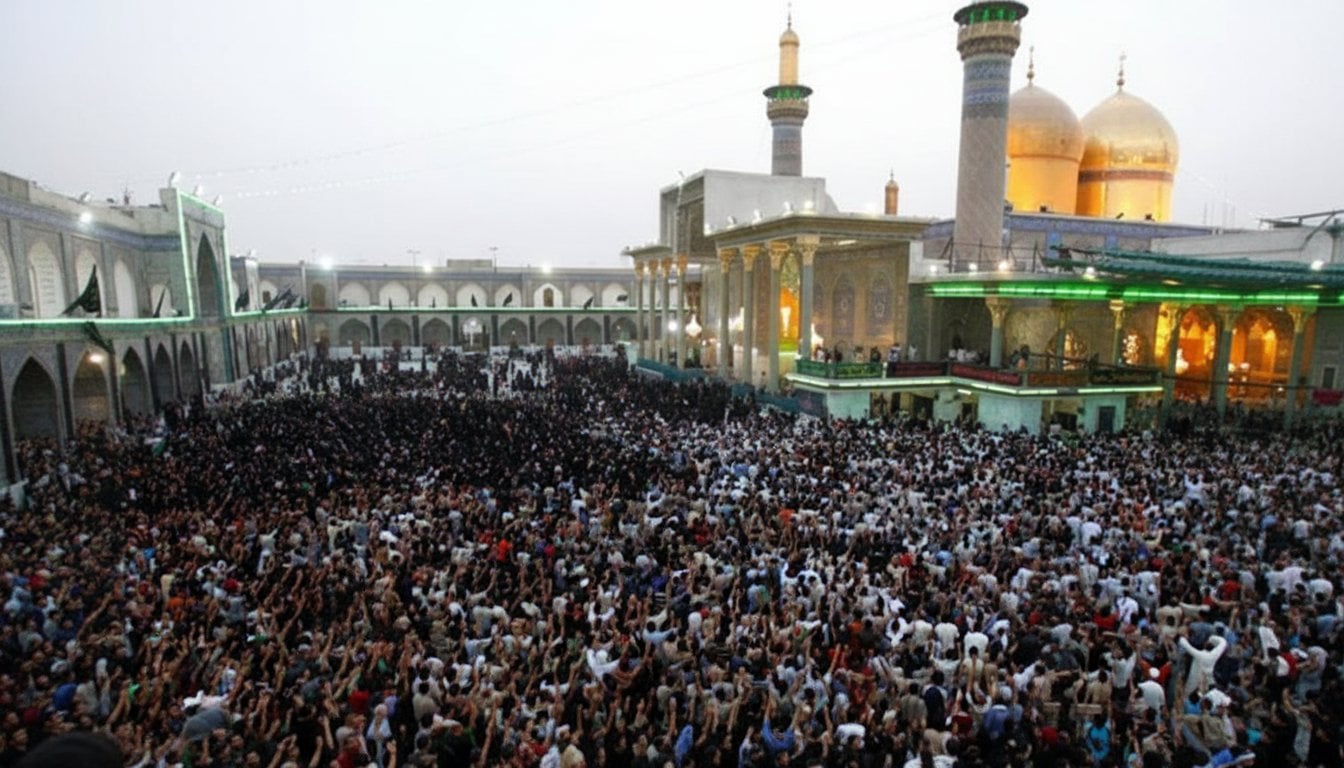
Visitor Impressions (Personal Experiences)
The following quotes are personal impressions received by Visit Iraq (via email and DMs). We present them to illustrate the atmosphere only and are not documented evidence, and experiences may vary.
"Walking towards Kadhimiya is an experience hard to describe. People's generosity in the street was amazing; everyone offers you food and drink as if you are family."
- Visitor participation (2024)
"I didn't expect this level of organization nor this huge number. Despite the crowds, I felt a strange serenity. And the cardamom tea in the Mawakeb really tastes different!"
- Travel blogger participation (2023)
"The most beautiful thing about the visit is the spirit of the people. I saw poor people feeding others, and rich people serving walkers. A lesson in humility and giving."
- Local visitor participation (2025)
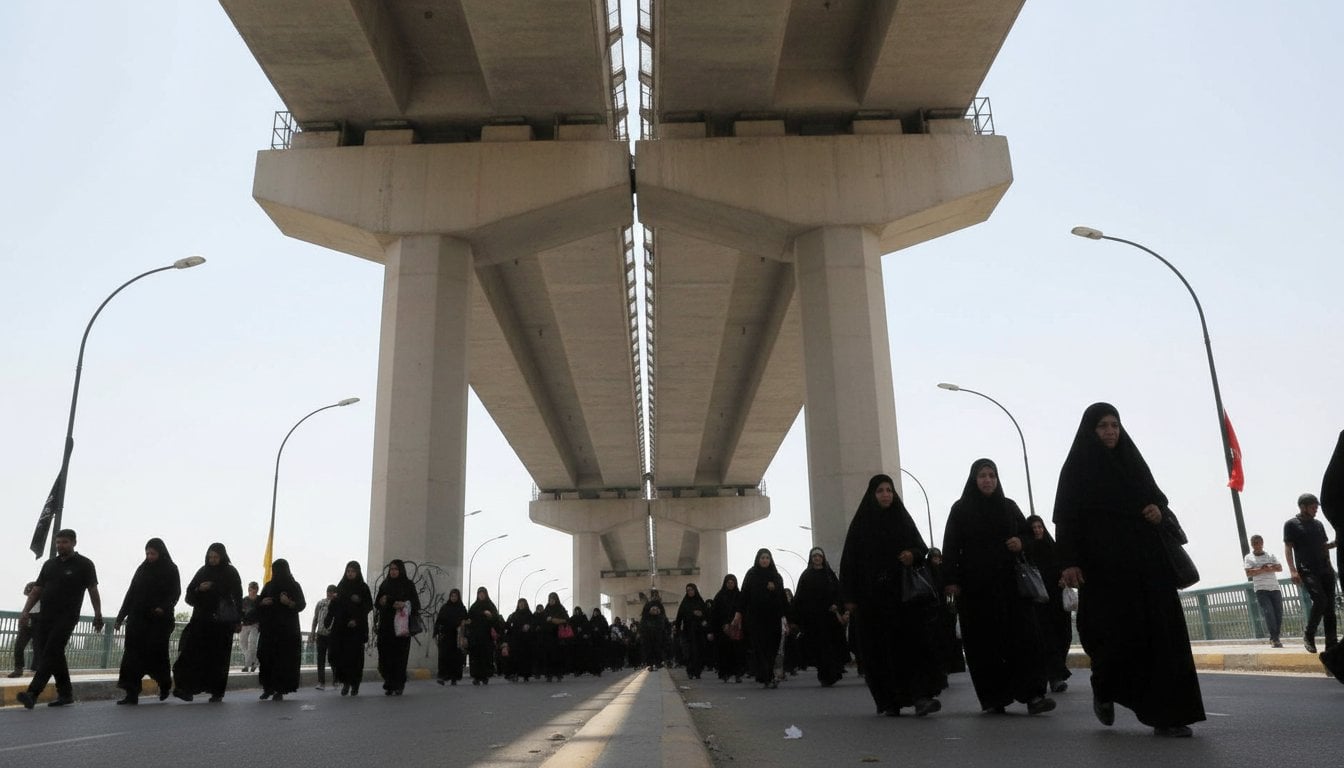
FAQs about Imam al-Kadhim Ziyarat
Sources (For Basic Facts)
- Holy Kadhimiya Shrine (Official Website) — Information on Imam al-Kadhim and Shrine location: https://aljawadain.iq/alkadhum/
- Iraqi News Agency (INA) — Service Plan/Coordination for Rajab Visit and Kadhimiya and Mawakeb: https://ina.iq/ar/local/226079
- IslamicCal (Iraq) — 1447 Calendar in Iraq (25 Rajab 1447 = January 14, 2026): https://www.islamiccal.com/en/hijri-calendar/iraq/1447/
- Iraqi News Agency (INA) — Unified Emergency Number 911 (Ministry of Interior): https://ina.iq/ar/political/225391
- Associated Press (AP News) — Context and background on the visit and popular participation: https://apnews.com/article/d468ee385e6c8c6e0c30c89fb73cee24
- NRT (NRTTV) — 911 Service Languages (Arabic, Kurdish, English, Persian, Turkish): https://nrttv.com/Ar/detail3/40060
<! [1]: https://aljawadain.iq/alkadhum/ [2]: https://ina.iq/ar/local/226079 [3]: https://www.islamiccal.com/en/hijri-calendar/iraq/1447/ [4]: https://ina.iq/ar/political/225391 [5]: https://apnews.com/article/d468ee385e6c8c6e0c30c89fb73cee24 [6]: https://nrttv.com/Ar/detail3/40060
Gallery
❓Frequently Asked Questions
Here are answers to frequently asked questions about the content above
The peak of the visit is on 25 Rajab (Hijri). Many calculated calendars place 25 Rajab 1447 on January 14, 2026 in Iraq, and this may vary by a day depending on sighting and local announcements.
Many Mawakeb offer free food, drink, and rest on the paths, but availability varies by place and time, so it is better to carry a small amount.
Modest clothing is expected, and many pilgrims wear black or dark colors as a sign of mourning.
Expect road closures and vehicle restrictions near Kadhimiya on peak days to manage crowds. Closure details vary by year and day.
Security conditions can change quickly. Expect checkpoints, follow instructions on the ground, check official travel advice for your country, and apply usual safety precautions in crowds.
It depends on your starting point, but many people walk approximate distances between 5 and 20 kilometers or more.