Shop for contemporary Iraqi crafts and food, learn where to look in Baghdad, and understand the strict rules on antiquities and exports.
Iraqi souvenir and shopping guide
What to buy in Iraq, and what to leave behind
Choose contemporary crafts and food from working markets, and ask who made them. Treat anything described as ancient with caution. Iraq protects antiquities under Law No. 55 of 2002, and a shop receipt does not make an archaeological object legal to export.
UNESCO records Iraqi traditions in metal engraving, Al-Mudhif building, date-palm knowledge and other living heritage. These are practices, not proof that every item sold as traditional was made by hand. Ask who made a piece, where it was made and whether the seller can provide a receipt. UNESCO’s Iraq heritage listing is a useful guide to craft traditions worth learning about.
Souvenir ideas with a clear provenance
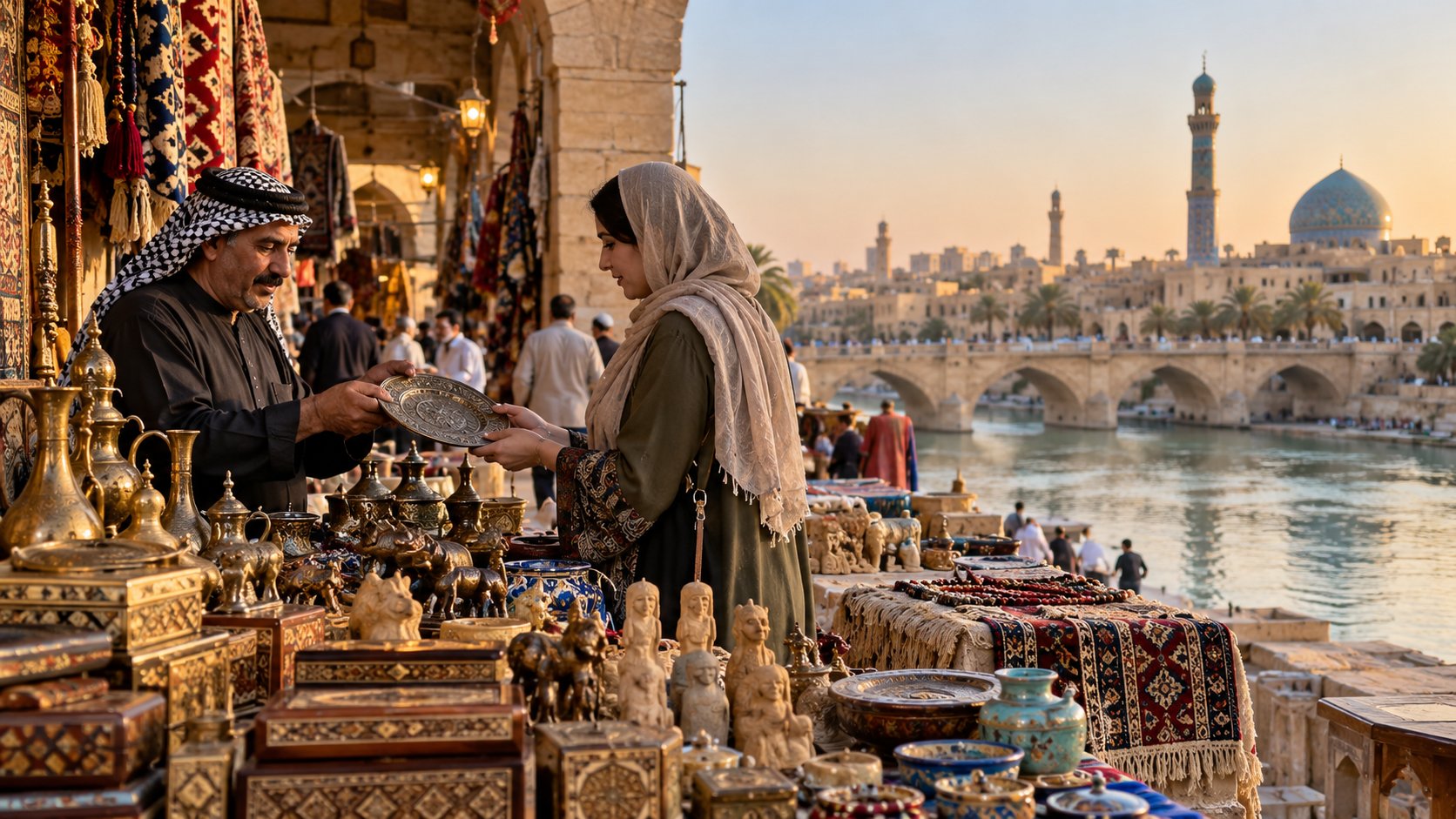
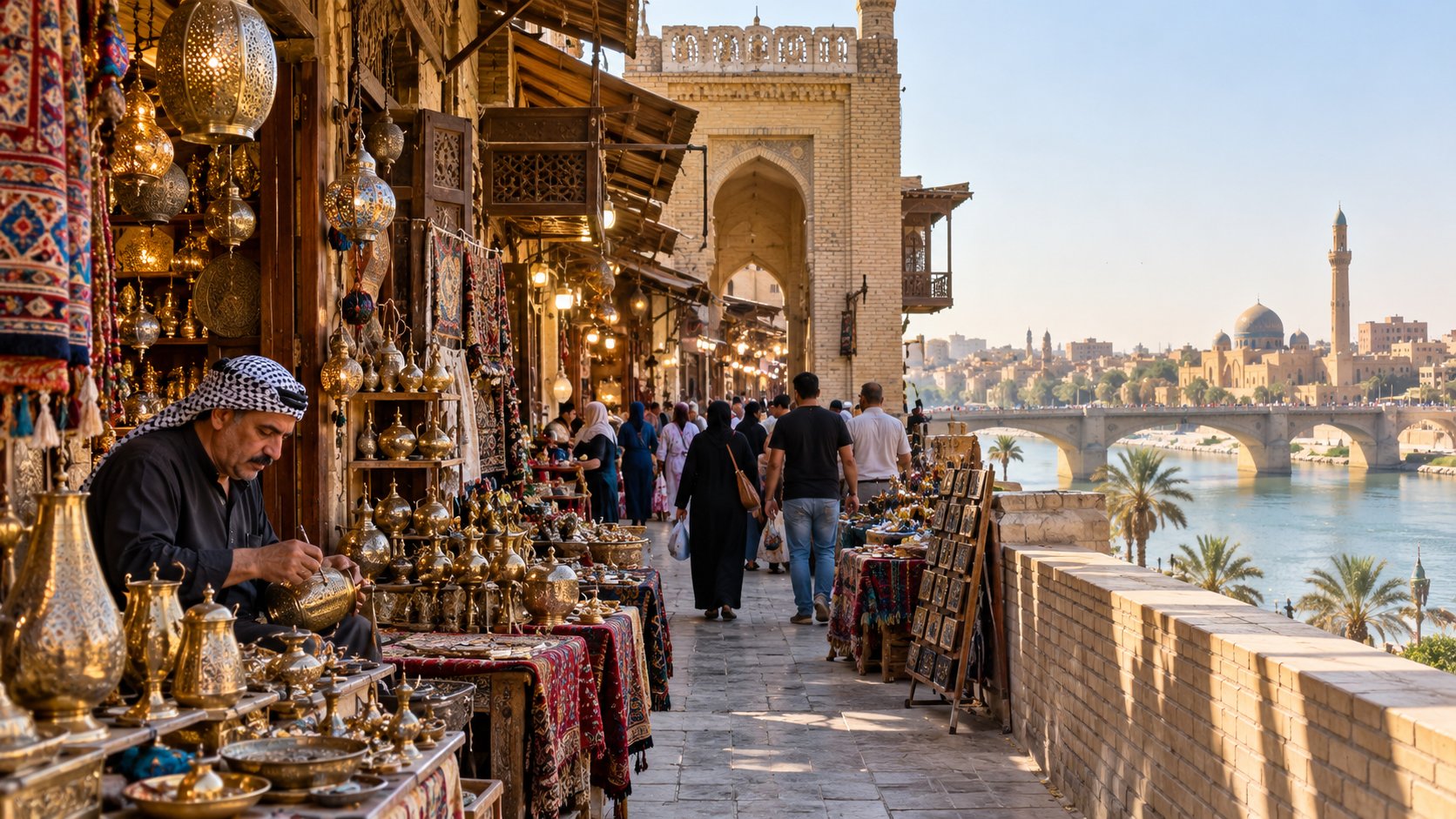
Engraved copper. Copper engraving is among the skills UNESCO lists for Iraq. In Baghdad, Souk al-Safafeer is associated with copperware, though the mix of goods and active workshops can change. Look for contemporary trays, small bowls or decorative pieces. Ask whether the seller or a named workshop made it. Handwork may show small variations in the marks. A uniform design is not automatically machine-made, so treat the seller’s account and documentation as more useful than a quick visual test.
If you plan to use copper for food or drink, ask about the inner surface and intended use. Buy cookware only when the maker can explain its lining and care. Decorative pieces are the simpler choice if you cannot confirm that information.
Woven textiles. Rugs, runners and flatweaves are practical keepsakes, but quality and origin vary. Ask what fiber the piece uses, where it was woven and whether the seller knows the maker or cooperative. Inspect both sides and the edges. A clear answer matters more than a broad label such as “Kurdish” or “handmade.” For a larger purchase, get the material, dimensions and price written on the receipt.
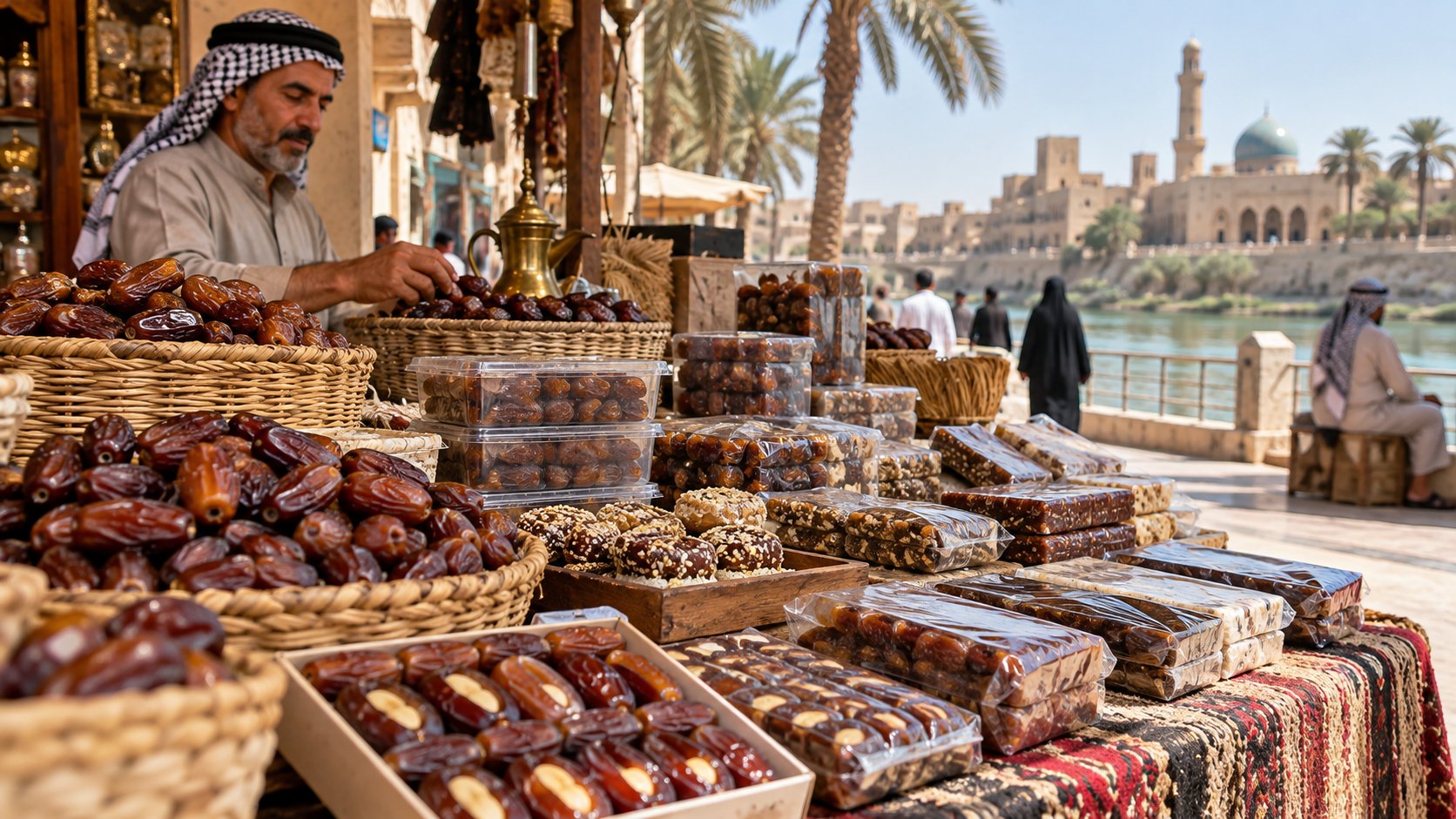
Date products. Date palm knowledge and related traditions are on UNESCO’s list of Iraqi intangible heritage. Dates and sealed date products make an easy-to-pack gift. Choose intact commercial packaging, check ingredients and expiry information, and confirm your destination country’s food import rules before you travel. Fresh produce, seeds and plant products may face separate restrictions.
Calligraphy, prints and contemporary crafts. Contemporary artwork, notebooks, textiles and household objects are straightforward alternatives to items with uncertain age or origin. Buy from a named artist, workshop or established shop when possible. Ask for a receipt that identifies the item as newly made.
Where to look
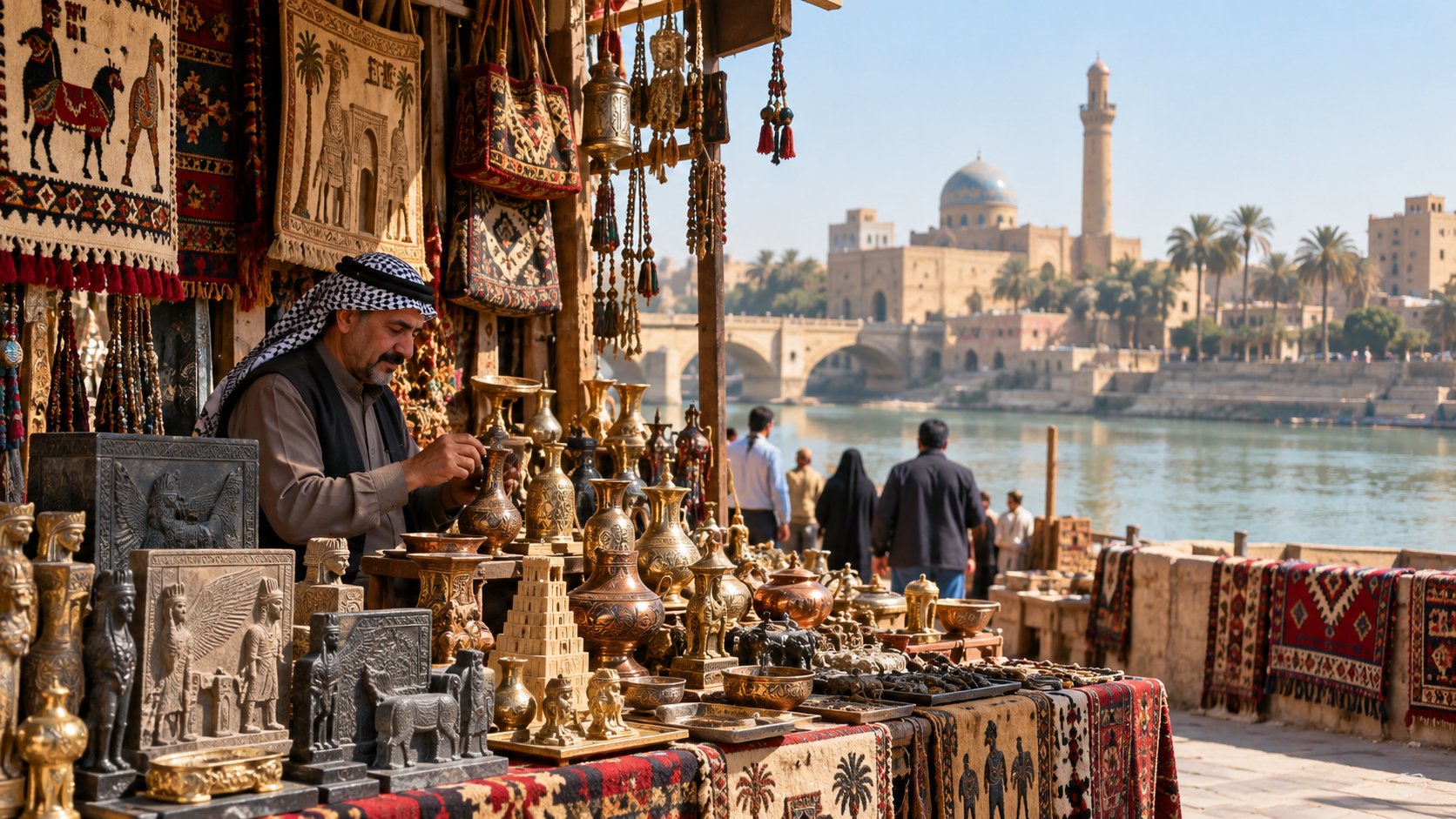
In Baghdad, start with the market area around al-Rashid Street and ask locally which lanes currently sell the craft you want. Souk al-Safafeer is the traditional copper-market name; nearby markets may have a wider mix of goods. Mutanabbi Street and Souk al-Saray are better suited to books, paper and printed matter than craft shopping. ArrivalGuides’ Baghdad market overview notes that many of the city’s traditional markets sit off Rashid Street, especially between Shuhada and Ahrar bridges.
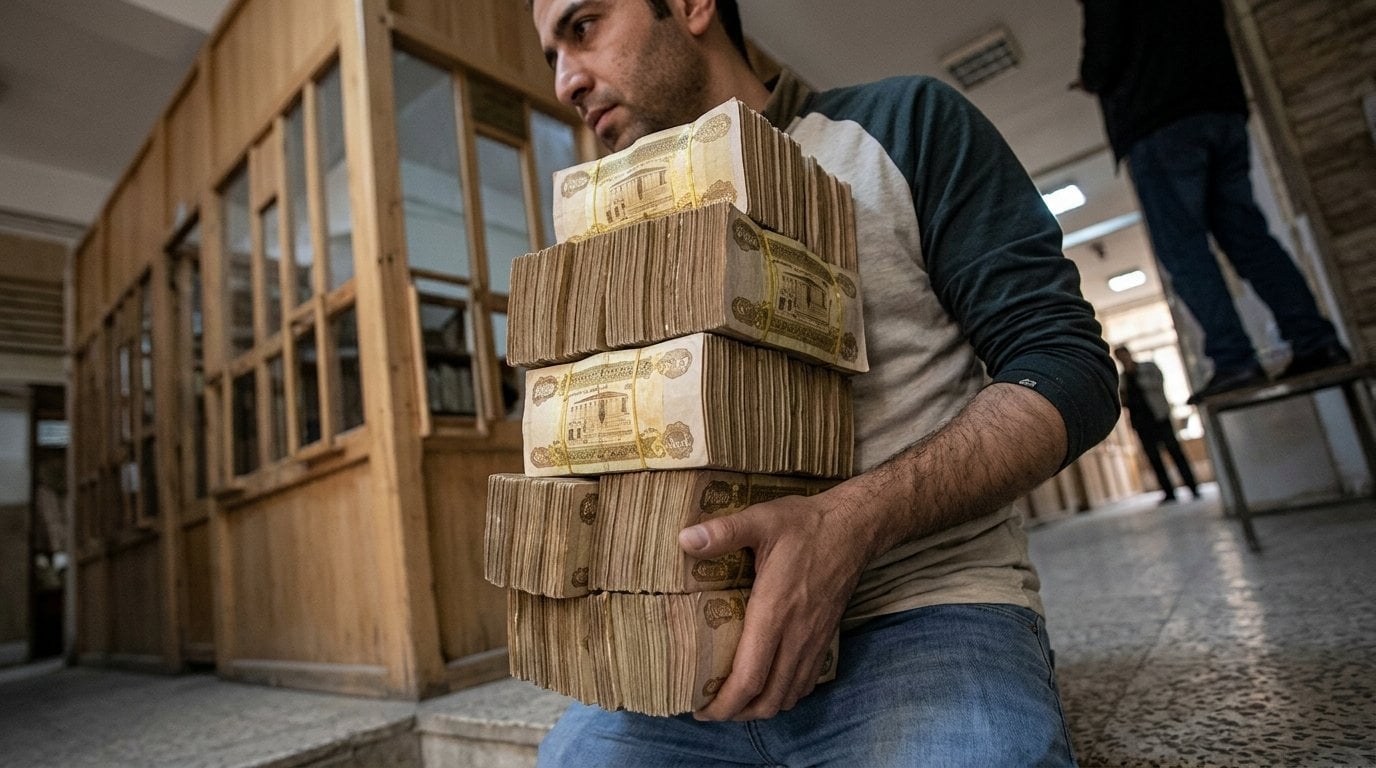
Markets differ by city and stock changes. Ask your hotel or a trusted local guide about current market access and opening patterns before setting out. Do not assume every souq is a tourist market or that every vendor accepts cards. Carry small Iraqi dinar notes, keep your belongings secure in crowded lanes and ask before photographing people or workshops.
Bargaining may be part of buying a craft, but keep it friendly. Ask the price first, then make a measured counteroffer. For a costly piece, compare several sellers and agree on the currency and total before paying. A polite “thank you” and a decision to walk away are both fine.
Antiquities: take the cautious route
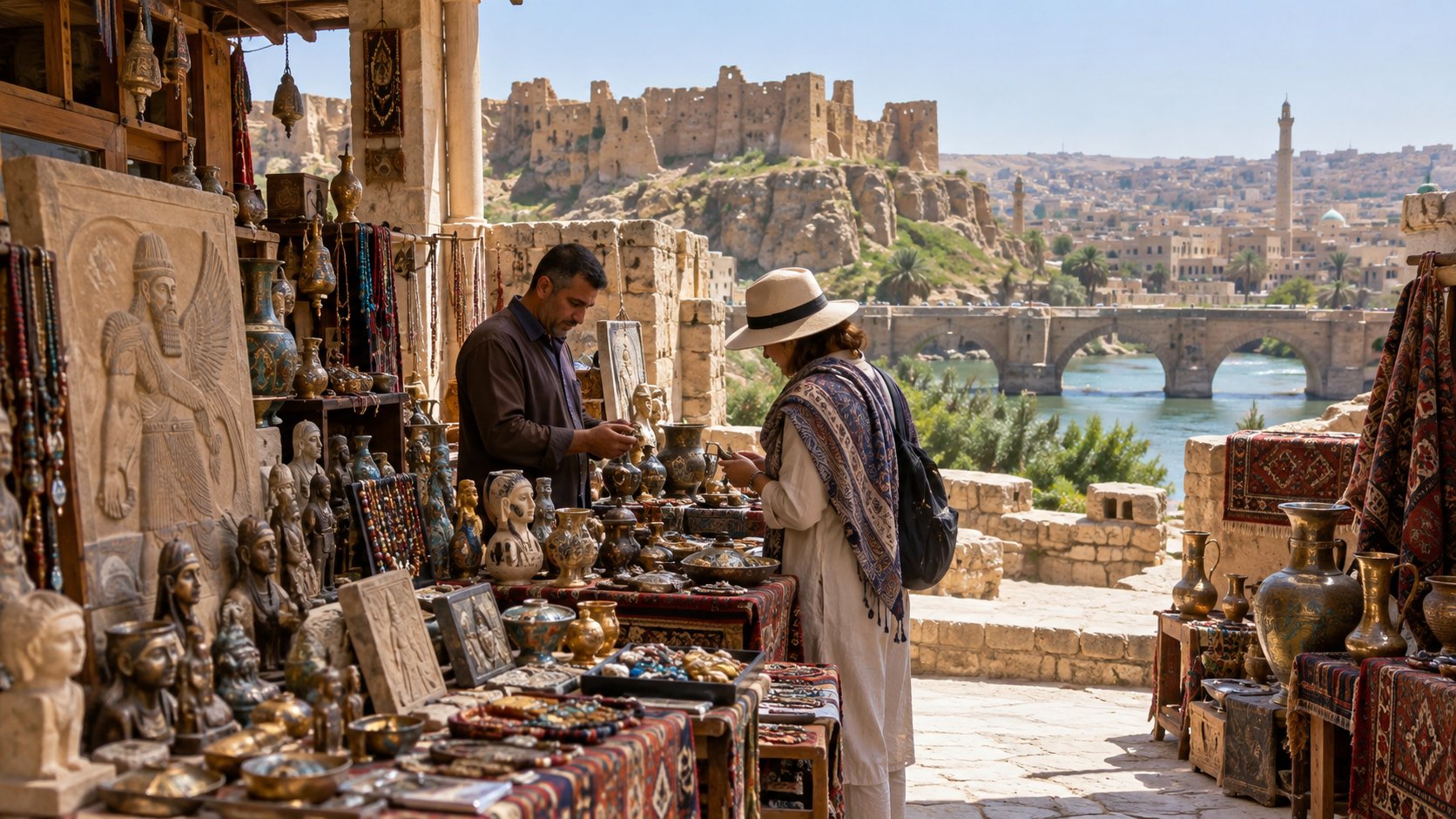
Iraq’s Law No. 55 of 2002 governs antiquities and heritage. The WIPO Lex record for the law identifies its purpose as protecting and managing those resources. Iraq’s legal distinction is not the same as a seller’s distinction between “old” and “new.” An object may be protected even if it looks ordinary, and a claim that it was found in a market is not evidence of lawful ownership or export permission.
Do not buy or carry objects presented as archaeological, excavated, ancient, or recovered from a historic site. Avoid old coins, tablets, carved fragments, pottery shards, seals and objects with no credible proof of recent manufacture. Do not pick up artifacts from ruins or archaeological areas. Leave them where they are and tell the responsible site staff or authorities.
For any object that could plausibly be cultural property, do not rely on a vendor’s assurance, a handwritten receipt or an export certificate you cannot verify. Ask the relevant Iraqi antiquities authority and the customs office for written guidance before purchase or departure. If you cannot confirm that it is a lawful contemporary product, leave it in Iraq. Destination countries may also restrict the import of cultural property, so check their rules as well.
Choose recent work, request a detailed receipt and keep the maker’s details. These records can help establish an item’s provenance, but they do not replace any export permission required by Iraqi law or the rules of your destination country.
Frequently asked questions
Sources
- UNESCO, Iraq: Elements on the Lists of Intangible Cultural Heritage. Accessed June 16, 2025.
- WIPO Lex, Law No. 55 of 2002 on Antiquities and Heritage, Iraq. Accessed June 16, 2025.
- ArrivalGuides, Souqs and Bazaars in Baghdad. Accessed June 16, 2025.
❓Frequently Asked Questions
Here are answers to frequently asked questions about the content above
Consider contemporary engraved copperware, woven textiles, calligraphy or prints, and packaged date products. Ask who made the item and request a receipt that records its description and price.
Do not buy or carry objects presented as archaeological or ancient. Iraq protects antiquities under Law No. 55 of 2002, and a seller’s receipt does not prove export permission.
Souk al-Safafeer is associated with copperware. The stock and number of active workshops can vary, so ask locally about current conditions and look for a seller who can identify the maker.
Ask where and when it was made, who made it, and whether the seller can provide a detailed receipt. If the answers are unclear or the item is described as excavated or ancient, do not buy it.
It can be appropriate for crafts and other non-fixed-price goods. Ask the price, make a polite counteroffer, and walk away calmly if you do not agree.
Rules depend on the product and your destination. Prefer sealed commercial packaging, check the ingredients and expiry date, and confirm your destination country’s food import rules before travelling.