Practical advice for visiting Karbala, including the best seasons to travel, shrine etiquette, crowd peaks, and common mistakes to avoid.
Best time to visit Karbala
Winter, from November through March, brings the mildest weather to Karbala. Temperatures stay moderate, making walking between sites much more comfortable than during other seasons. Summer (June to August) routinely tops 40°C (104°F), which makes daytime travel grueling. If you want to experience the pilgrimage at its most intense, visit during Arbaeen, held 40 days after Ashura. Just prepare for massive crowds, with attendance reaching up to 21 million pilgrims in peak years.
How to visit Karbala's shrines respectfully
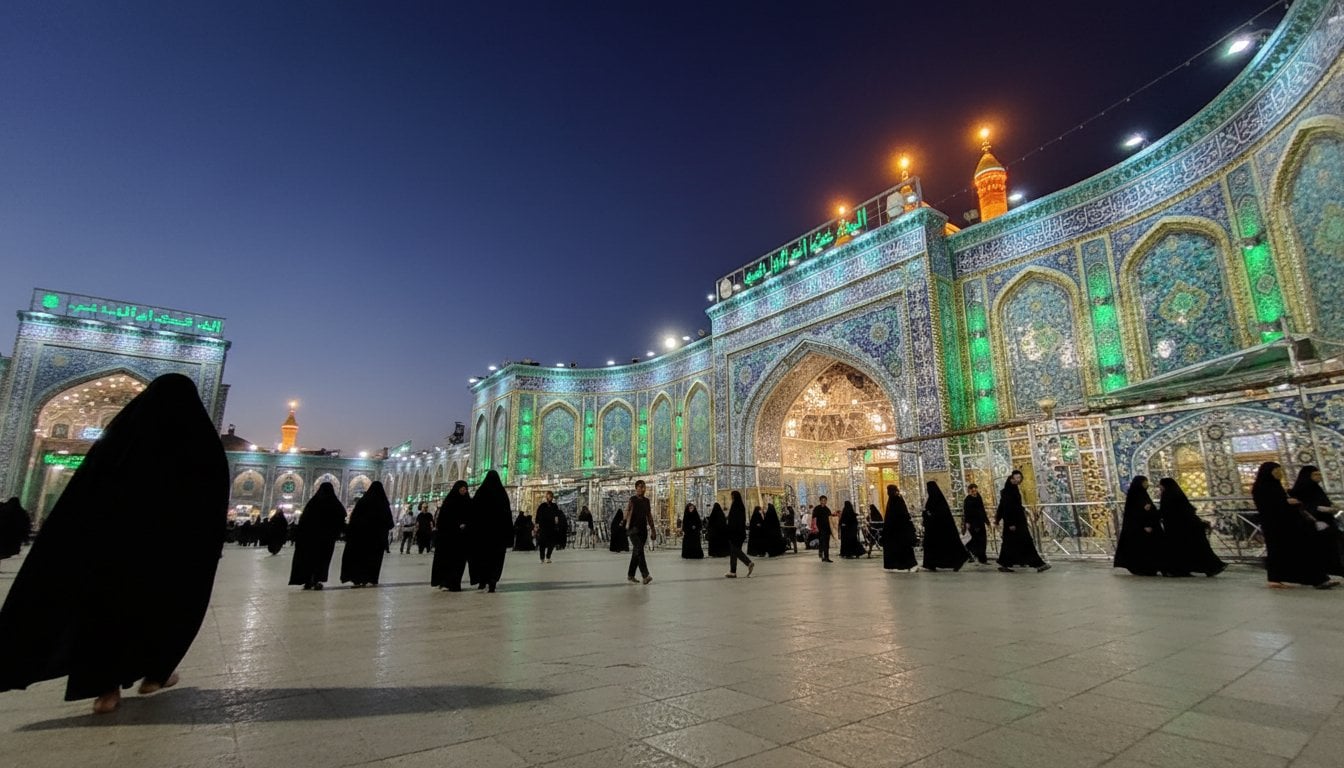
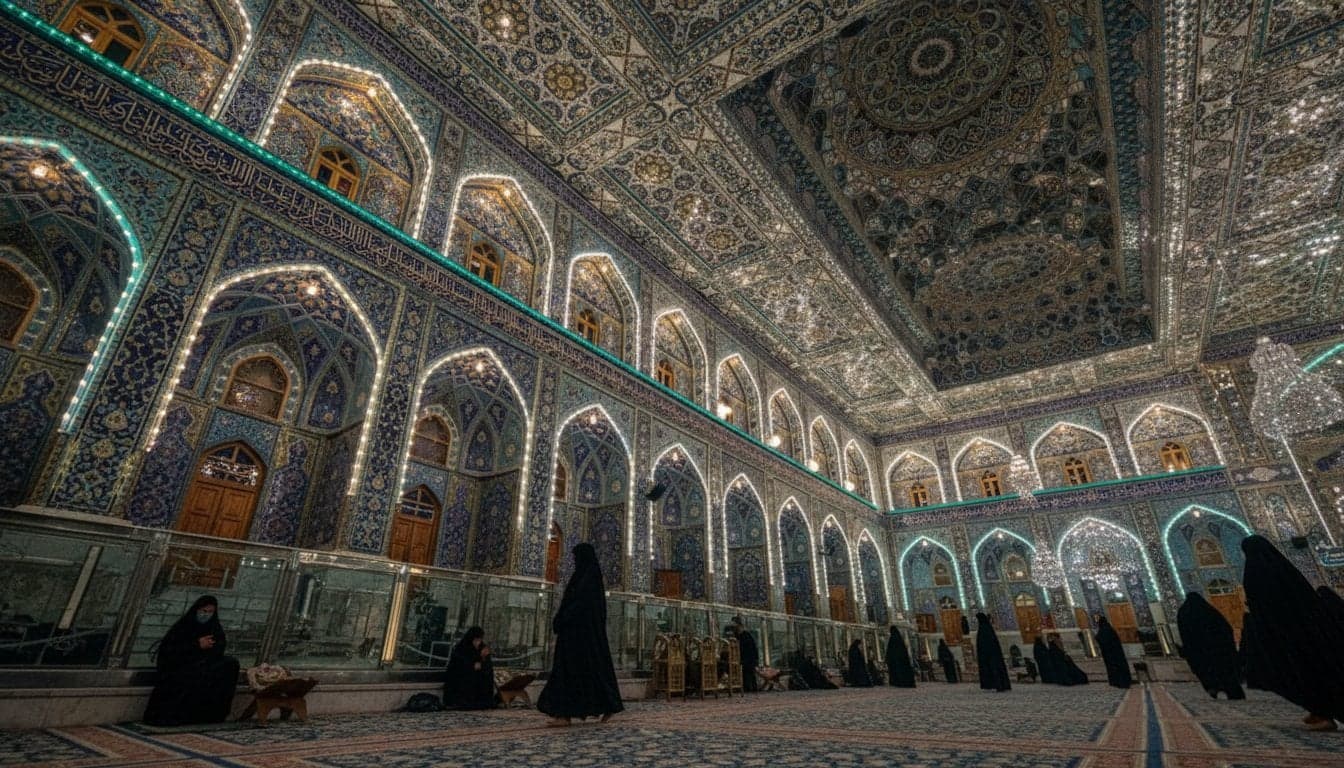
When visiting the holy shrines in Karbala, observing local religious customs shows basic courtesy to worshippers. Remove your shoes at the designated counters before entering the shrine complex. Modest dress that covers the body completely is required. Women wear a simple black abaya and a headscarf, while men should wear long trousers that cover the knees.
Upon entering, visitors customarily pause to ask permission at the threshold before reciting the ziyarah prayers. The atmosphere inside is deeply reverent and solemn; keep voices down, move gently through crowded halls, and avoid anything that might interrupt people in prayer.
How to avoid common visitor mistakes
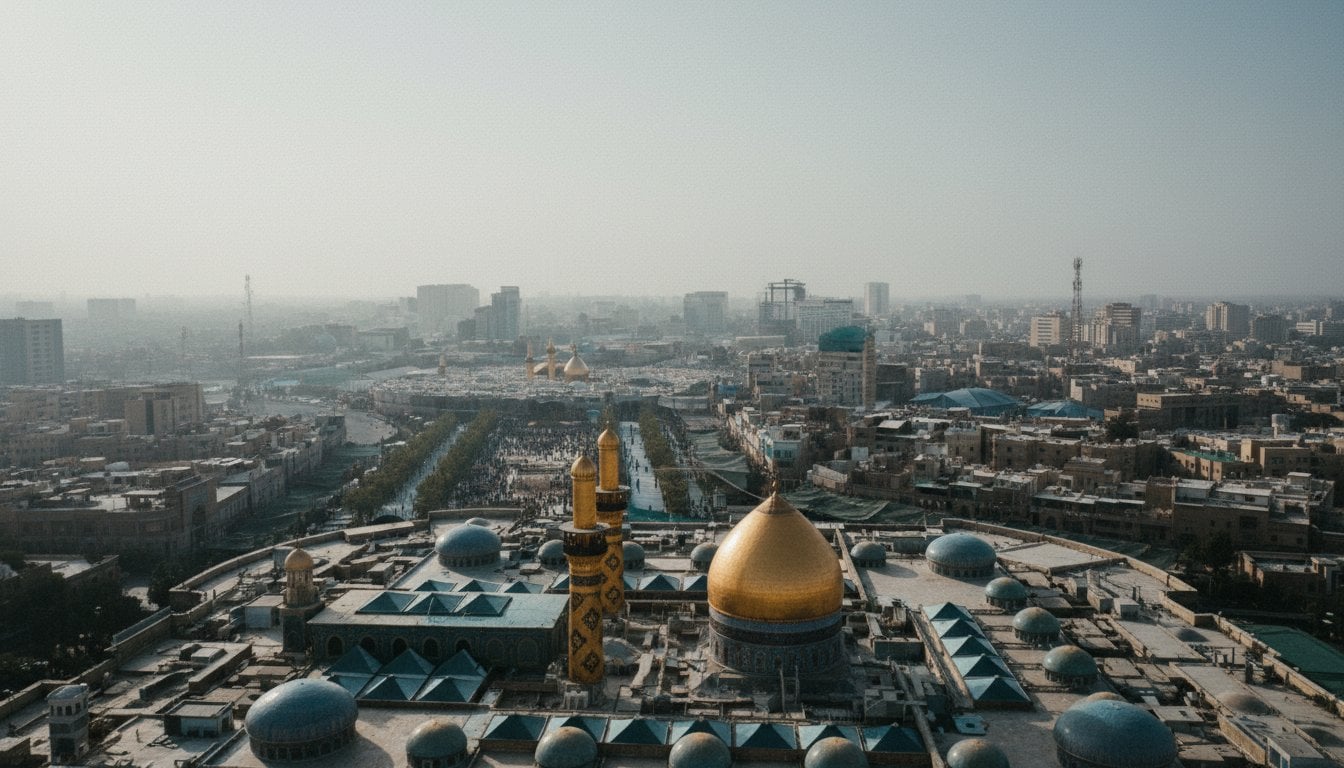
Most difficulties come from arriving unprepared for checkpoint rules and local expectations. Security teams inspect all bags at perimeter gates. They regularly confiscate cameras, professional audio gear, and cosmetics, so leave makeup, nail polish, and photography equipment at your hotel.
Keep your clothing plain and understated, avoiding bright neon shades, flashy designs, or loud graphics. Inside the shrines, keep conversation quiet and put mobile phones on silent. Never take photos or videos inside the courtyards or prayer halls without explicit staff permission. Having a clear plan for your route, luggage storage, and meeting points prevents unnecessary stress in the crowded central district.
Peak times and major pilgrimage crowds
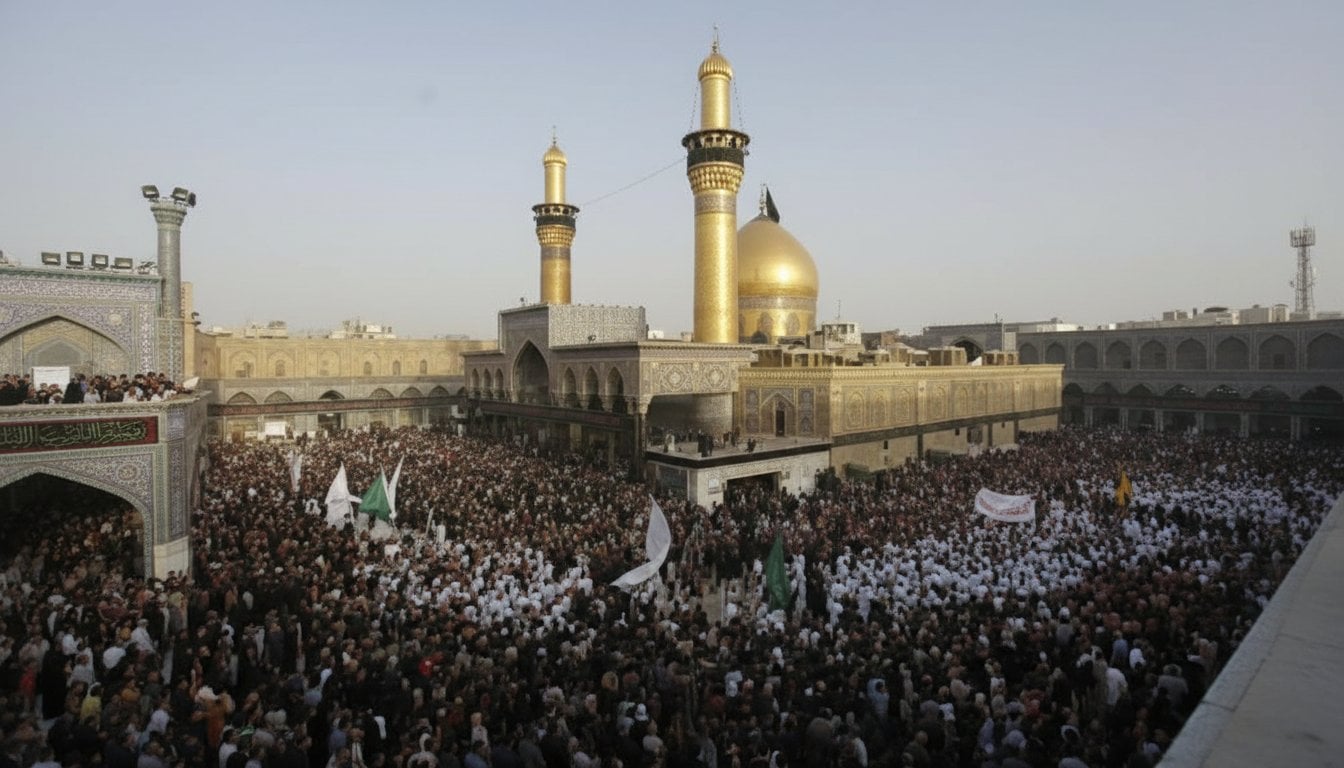
Karbala sees its largest crowds during the Arbaeen pilgrimage of Imam Hussein, when attendance has topped 21 million visitors in peak years. The rush starts about a week before the main day and continues through the return journeys. In 2025, the peak fell on August 15.
During Arbaeen, highways leading into Karbala close to regular vehicles, city roads bottleneck, and public transportation fills to capacity. If you want a quiet visit with space to reflect, schedule your trip well outside Arbaeen and Ashura. If you do choose to attend, plan your transit, lodging, and walking routes well ahead of time.
Security and safety precautions
Keep paper copies of your passport and ID with you, alongside saved offline maps of the central district. If you travel with companions, stay together in small groups and check official visitor apps for live updates on crowd flow and road access.
Keep close watch on your bags, especially in crowded squares and while charging phones at public rest stations. Drink plenty of water (around one liter every two hours in warm weather), and protect your feet with comfortable socks and blister care to prevent cracks or sores. If you visit during the summer months, stay out of the direct sun between 11:00 AM and 3:00 PM, when temperatures peak.
Cultural etiquette to know before you visit
Karbala is a sacred city and an active center of worship, not an ordinary tourist stop. Treating the city and its residents with courtesy makes travel smoother for everyone. A few polite Arabic words go a long way; knowing phrases like "shukran" (thank you) helps you connect with locals and gracious volunteers serving food at community kitchens.
If you visit during Ramadan or religious fasting periods, refrain from eating, drinking, or smoking in public during daylight hours. Be mindful of the daily calls to prayer, when shops may briefly close and shrine courtyards fill quickly.
Sources
- Karbala Tourism Guide - https://www.takeyourbackpack.com/backpacking-in-iraq/visit-karbala/
- Arbaeen Visit Guidelines - https://arbaeenwalk.info/arbaeen-pilgrimage-dos-and-donts/
- Crowd Management During Arbaeen - https://shafaq.com/en/Report/Between-devotion-and-drought-Karbala-braces-for-Arbaeen-under-strain
- Common Visitor Mistakes - https://doseoftravel.co/everything-you-need-to-know-about-visiting-karbala-as-a-non-muslim-or-sunni-muslim-solo-traveler/
- Visitor Numbers During Arbaeen - https://www.almanar.com.lb/article/124932/
Gallery
❓Frequently Asked Questions
Here are answers to frequently asked questions about the content above
In most cases, visitors can tour the city freely, though entry to certain areas inside the shrines may be restricted depending on regulations on the day. Follow posted signs at the gates and directions from security staff and shrine custodians.
The quietest period is generally between November and March outside major religious dates, particularly Arbaeen and Ashura. During peak pilgrimage seasons, the city fills to capacity and checkpoint waits increase significantly.
Wear conservative, loose-fitting clothes. Women must wear an abaya and headscarf inside religious precincts. Men should wear pants covering the knees and avoid sleeveless tops, bright neon colors, or large logos in sacred spaces.
Photography inside the shrines is heavily restricted and often prohibited. Always ask permission before taking photos, never photograph worshippers up close, and respect the quiet atmosphere.
Keep your passport or identity document handy and allow extra time for travel. Leave restricted items like large camera setups at your hotel, and follow instructions from security teams calmly.
Wear well-broken-in walking shoes, protect your feet with blister pads or petroleum jelly, and drink water regularly. Take frequent rests along the way and avoid walking during peak afternoon heat.