Tourists can legally rent and drive cars in Iraq, but navigating the country requires specific documentation, checkpoint etiquette, and defensive driving habits. Here is what you must prepare regarding international driving permits, rental contracts, road conditions, and security stops.
Can tourists rent a car in Iraq?
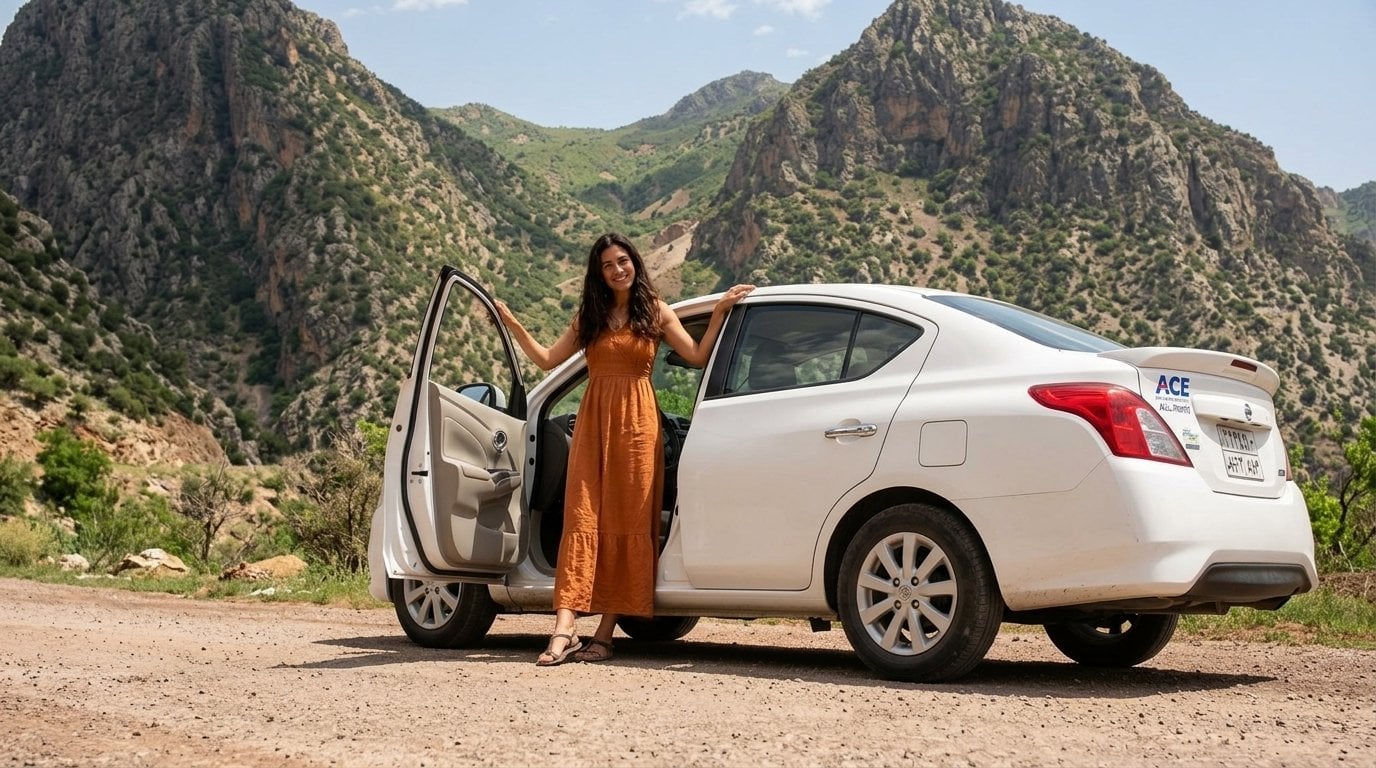
Foreign tourists can rent and drive a car in Iraq, provided they meet legal documentation requirements and prepare for distinct regional operating environments. International rental agencies such as Europcar Iraq maintain branches at major transport hubs, including Baghdad International Airport, Erbil International Airport, Najaf, and Karbala. Regional conglomerates like Cihan Motors manage franchises in Iraqi Kurdistan.
Driving in Iraq splits into two administrative and logistical territories. The northern Kurdistan Region of Iraq (KRI), covering Erbil, Sulaymaniyah, and Duhok, offers established car hire infrastructure, smoother mountain highways, and a stable security environment. Federal Iraq, stretching from Mosul through Baghdad to Basra, is also accessible for independent motorists, but demands greater vigilance due to heavier urban gridlock, strict security cordons, and complex intercity checkpoint networks.
What documents and permits do you need?
To pick up a rental vehicle and pass inspection at roadside stops, foreign drivers must carry a complete set of physical documents. Rental counters and traffic officers do not accept digital phone screenshots.
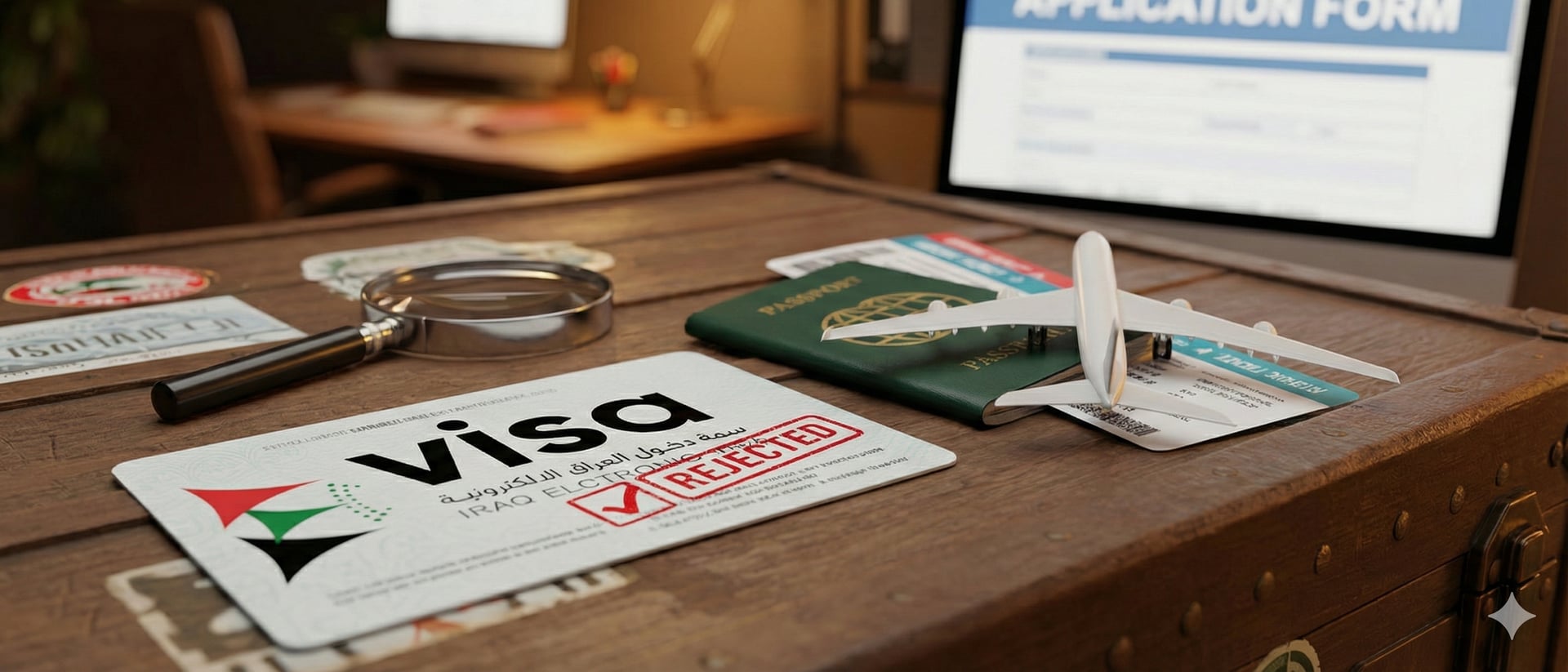
- Valid physical passport and visa. You must carry your passport with you inside the vehicle at all times, as noted by GOV.UK Travel Advice. If you are driving in Federal Iraq, you need a valid Federal Iraq e-visa or entry sticker. A regional visa issued solely for Iraqi Kurdistan is not valid for travel into Federal territory.
- Original domestic driving license. You must have held a full, valid driver's license from your home country for at least one to two years.
- International Driving Permit (IDP). According to Europcar Iraq and International Travel Permits, an IDP is mandatory for foreign visitors whose national licenses are not printed in Arabic or Kurdish. The IDP serves as an official multilingual translation that checkpoint officers and traffic police (Murur) rely on.
- Physical credit card. International rental agencies require a major credit card (Visa or Mastercard) in the name of the primary driver to block a security deposit. Local cash-only agencies exist, but reputable suppliers operate strictly on card pre-authorizations for insurance guarantees.
- Vehicle registration and rental agreement. The rental company must supply the official vehicle registration card (known locally as the sanawiya) along with the signed rental contract. Keep both papers inside the glove box.
Most rental companies set a minimum driver age of 21 years for economy sedans, as detailed by 1st UK Car Rentals. If you want to rent a larger four-wheel-drive SUV, such as a Toyota Land Cruiser or Nissan Patrol, rental agencies generally require drivers to be at least 25 years old.
How to navigate checkpoints in Iraq
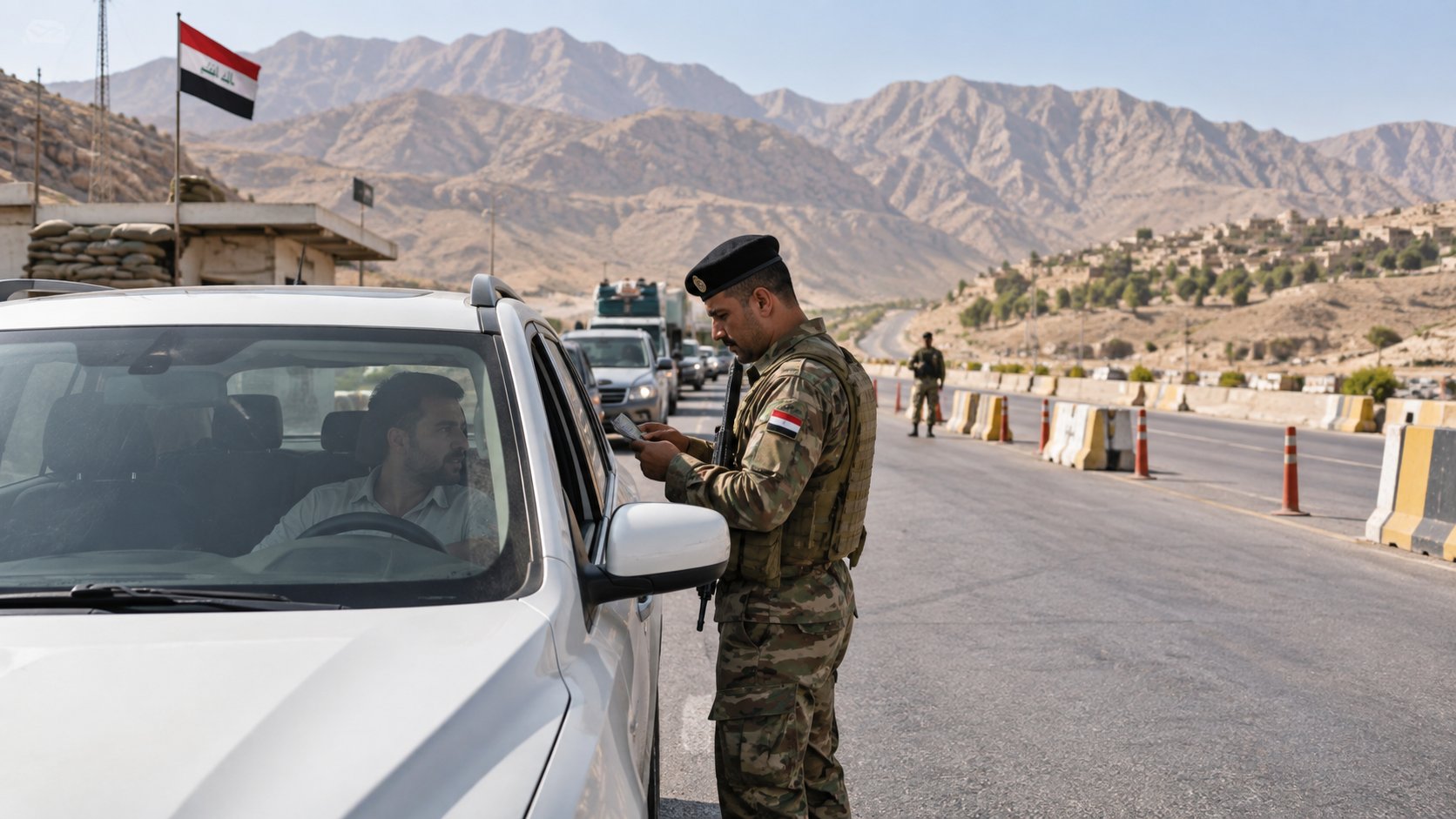
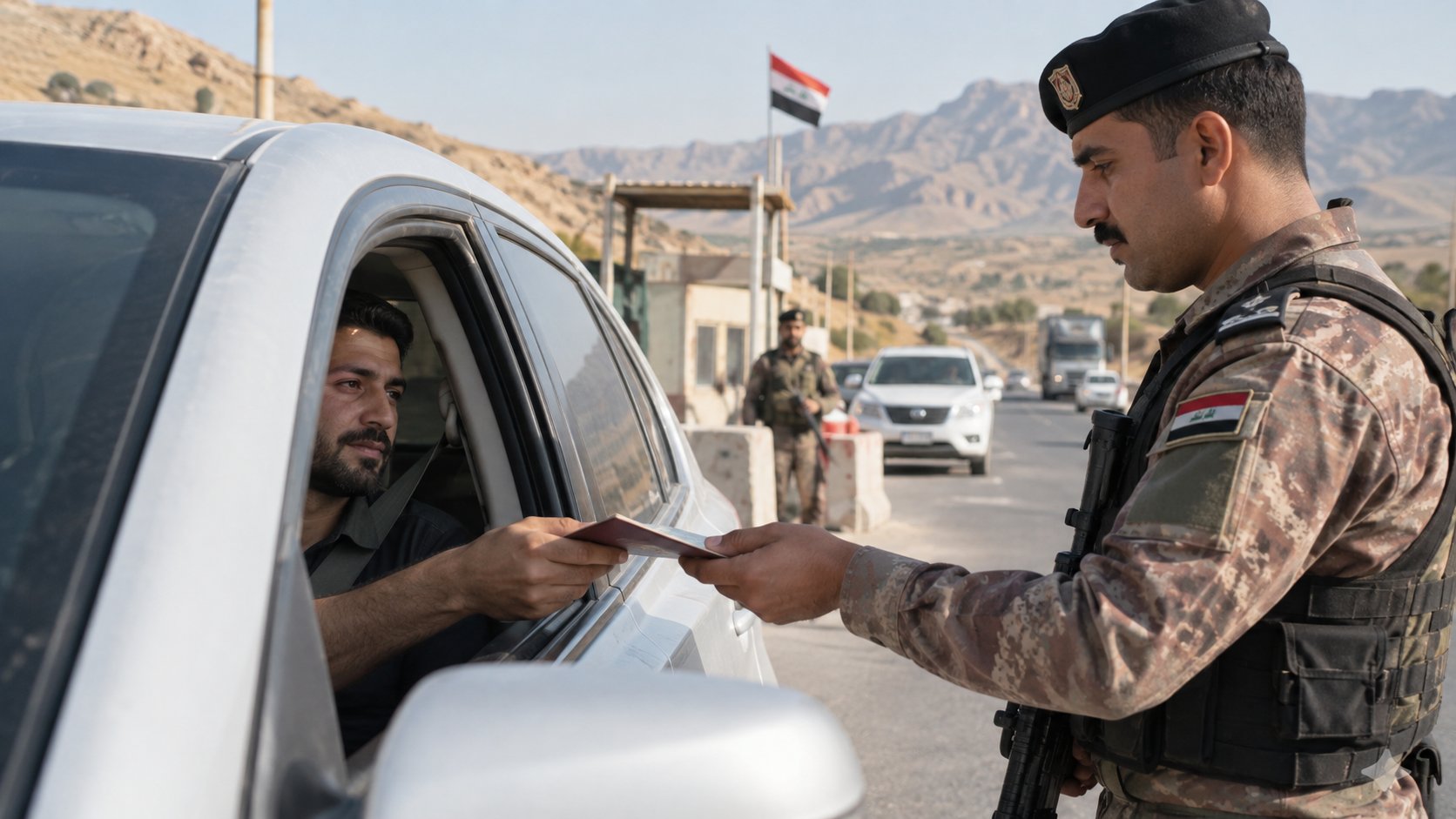
Checkpoints, known in Arabic as saytaras, are a standard part of road travel across both Federal Iraq and Iraqi Kurdistan. You will encounter them at provincial borders, bridge crossings, city entrances, and along major national corridors.
Different security forces manage these checkpoints depending on the region. In Iraqi Kurdistan, checkpoints are staffed by the Peshmerga army or the Asayish internal security service, as documented by Against the Compass. In Federal Iraq, checkpoints are operated by the Federal Police, the Iraqi Army, or units of the Popular Mobilization Forces (Hashd al-Shaabi), as outlined by Against the Compass.
To move through checkpoints smoothly, follow standard local etiquette:
- Slow down and dim lights. Reduce your speed well before the barrier. At night, switch off your high beams, leave your parking lights on, and turn on the interior dome light so officers can clearly see inside the cabin.
- Lower the driver window. Roll down your window fully. Remove your sunglasses and take off any hats.
- Prepare your papers. Have your passport, international driving permit, vehicle sanawiya, and rental contract ready on the passenger seat or center console.
- Stay calm and polite. Greet the officers with a standard Arabic greeting like Salam Alaykum (peace be upon you). Hand over your documents if requested. Officers frequently ask where you are heading (rayeh wein?) and where you are from (mnein inta?).
- Strictly avoid photography. Never photograph or film checkpoints, armed personnel, communication towers, or military installations. Doing so can lead to immediate questioning and confiscation of your camera or phone.
If an officer does not speak English, keep a translation app ready or show your hotel booking details on paper. Security personnel are generally welcoming to foreign tourists, though administrative verification can take ten to twenty minutes at busier provincial border crossings.
Can you drive between Iraqi Kurdistan and Federal Iraq?
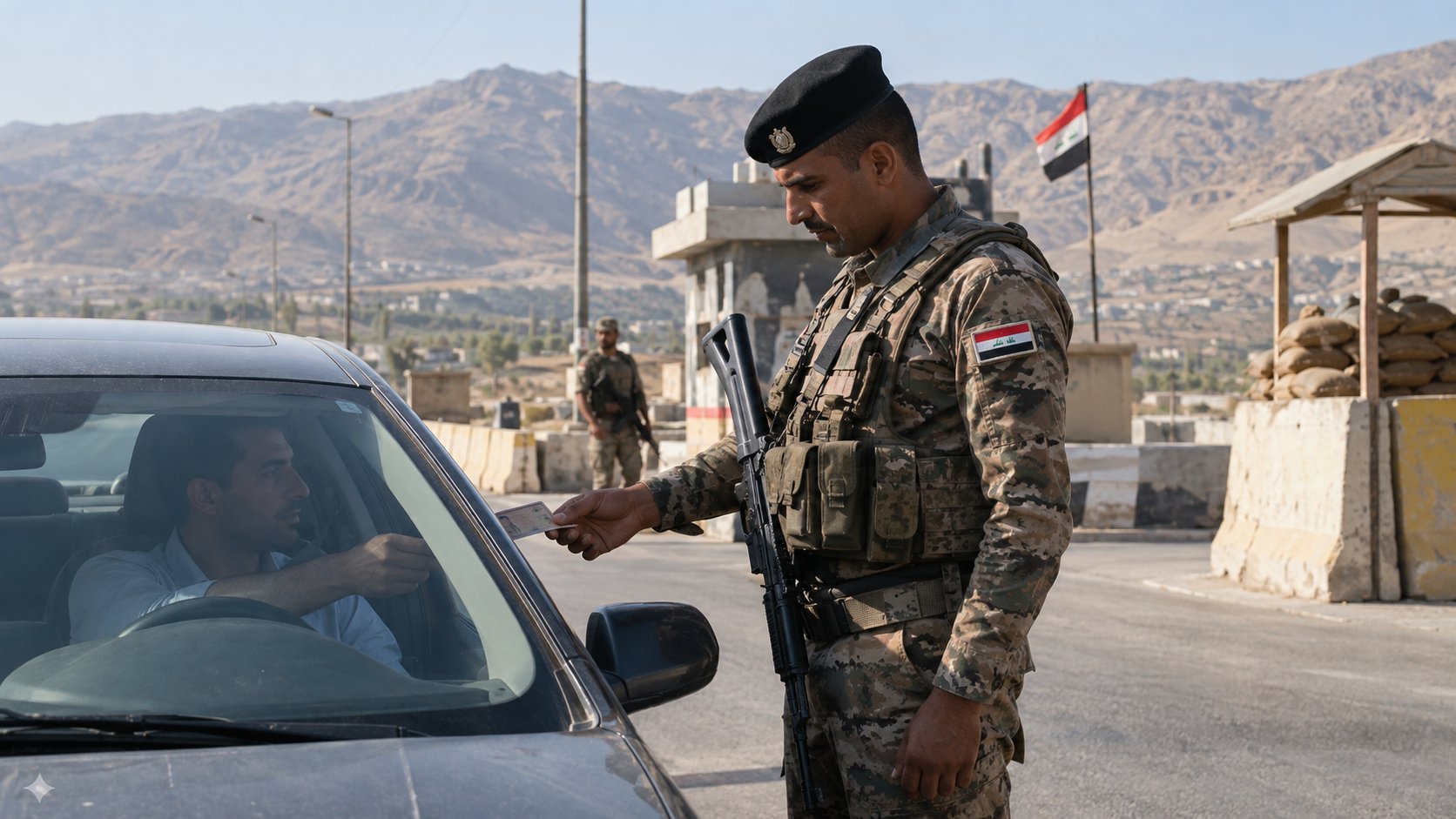
Driving a rental car between the Kurdistan Region and Federal Iraq requires careful planning because the two areas maintain separate administrative frameworks.
Most car rental companies in Erbil and Sulaymaniyah explicitly prohibit taking their vehicles into Federal Iraq (such as Kirkuk, Mosul, or Baghdad) unless you arrange special written authorization in advance. According to 1st UK Car Rentals, crossing internal regional boundaries with a rental car requires an official authorization letter (wakala) that names the driver and permits interstate transit.
Insurance coverage is another factor. Standard insurance policies purchased at a rental desk in Erbil might not cover accidents or mechanical breakdowns that happen south of the regional boundary. Always confirm cross-border permissions in writing with your rental supplier before departing.
You must also verify that your visa status matches your travel route. As explained by Against the Compass, travelers who enter Iraq via Erbil on an Iraqi Kurdistan regional visa cannot travel south into Federal Iraq by land, because internal checkpoints turn back travelers who lack a Federal visa.
Road conditions and driving safety
Driving standards in Iraq differ significantly from Western Europe or North America. Motorists must practice assertive, defensive driving at all times.
Vehicles drive on the right-hand side of the road. Speed limits are set at 50 to 60 km/h in urban zones, 80 to 100 km/h on rural main roads, and up to 120 km/h on designated multi-lane highways, according to International Travel Permits. Speed cameras operate along primary expressways in Baghdad and Erbil, and fines are charged directly back to your rental company account.
Expat driver Chris Oberman at Moving Jack notes several distinct hazards on Iraqi roads:
- Informal lane discipline. Drivers frequently drift across lane markings, create informal middle lanes during traffic congestion, or turn left from outer lanes. Check your blind spots over both shoulders before changing direction.
- Aggressive U-turns. Iraqi road design relies heavily on major median cutouts (istidara) for directional changes. Traffic entering and exiting these U-turn bays often cuts abruptly across multiple travel lanes.
- Pedestrians and animals on highways. In towns and rural stretches, pedestrians cross multi-lane highways on foot due to a shortage of pedestrian bridges. In agricultural areas, stray dogs, goats, and sheep may wander onto the asphalt without warning.
- Unmarked speed humps. High asphalt speed humps (matab) are installed before small villages and police posts. Many lack reflective yellow paint or advance warning signs, making them difficult to spot at high speed.
- Avoid night driving. Avoid long-distance highway travel after sunset. Poor street lighting, unlit heavy trucks, broken asphalt, and unlit construction ditches make night driving hazardous outside major metropolitan limits.
Fuel, navigation, and emergency protocols
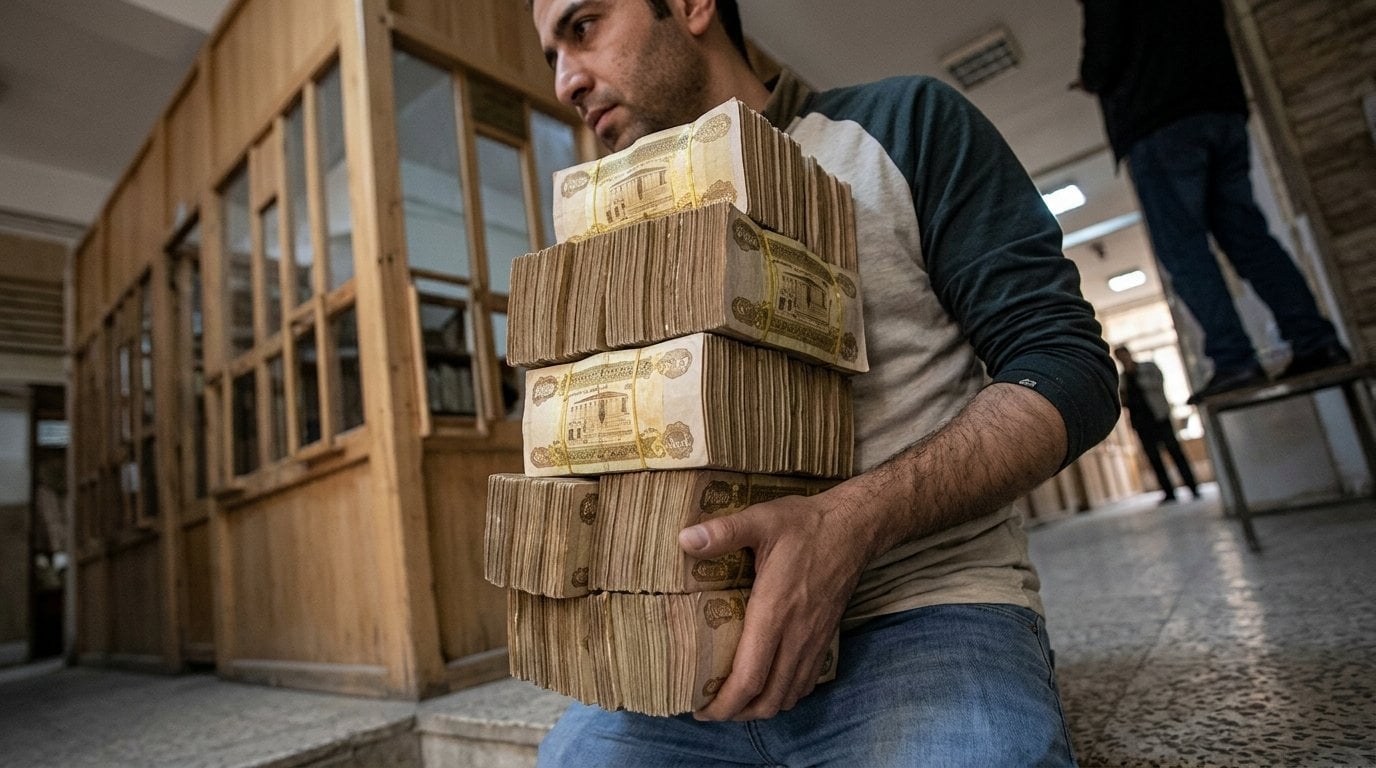
Fuel is widely available and affordable across Iraq, but engine maintenance requires careful fuel selection. Service stations offer multiple petrol grades: regular (adi, around 85 to 88 octane) and high-octane or super (mohassan, 95 octane). Modern rental cars and turbo engines require mohassan fuel to prevent engine knocking and valve carbon buildup. Most gas stations outside major international chains accept cash only, paid in Iraqi Dinars (IQD).
Navigation across Iraq is straightforward using Google Maps for primary city navigation and highway corridors. When traveling in rural or mountainous sectors of Iraqi Kurdistan, download offline maps through Maps.me or Organic Maps to maintain navigation if cell coverage drops. Purchase a local physical SIM card from providers like Zain, Asiacell, or Korek at the airport for real-time traffic updates.
If you are involved in a traffic collision, follow standard legal procedures:
- Do not move the vehicle. Keep the car in position until the traffic police (Murur) arrive on the scene to complete an official collision report (mukhatat al-hadith).
- Contact your rental provider. Call the 24-hour roadside assistance number provided in your rental folder immediately.
- Use emergency numbers if required. Call 104 or 122 for emergency police assistance, and 123 for ambulance medical response, as listed by International Travel Permits.
Sources
- 1st UK Car Rentals — Car Hire in Iraq: 2026 Driving & Rental Guide — https://www.1st-ukcarrentals.com/car-hire/iraq/ — Accessed March 2026
- Europcar — Car rental in Iraq — https://www.europcar.com/en-iq/places/car-rental-iraq — Accessed March 2026
- International Travel Permits — Iraq Driving Guide: Road Rules, Safety & IDP Requirements — https://internationaltravelpermits.com/international-driving-guides/iraq-driving-guide/ — Accessed March 2026
- Moving Jack — Driving a Car in Iraq: Tips, Rules, and Surprising Challenges — https://moving-jack.com/driving-in-iraq/ — Accessed March 2026
- Against the Compass — A guide to traveling in Iraq in 2026 — https://againstthecompass.com/en/travel-iraq-federal/ — Accessed March 2026
- Against the Compass — Tips and how to travel to Iraqi Kurdistan in 2026 — https://againstthecompass.com/en/iraqi-kurdistan-travel-guide/ — Accessed March 2026
- GOV.UK — Foreign travel advice: Iraq safety and security — https://www.gov.uk/foreign-travel-advice/iraq/safety-and-security — Accessed March 2026
❓Frequently Asked Questions
Here are answers to frequently asked questions about the content above
No. Foreign tourists must carry a valid International Driving Permit (IDP) alongside their original domestic driver's license. The IDP provides an official multilingual translation required by rental companies and checkpoint security personnel.
The minimum legal age to rent a car is generally 21 years old for economy sedans, provided you have held your license for at least one to two years. For large four-wheel-drive SUVs, rental agencies usually require drivers to be at least 25 years old.
Most car rental companies in Iraqi Kurdistan prohibit taking their vehicles into Federal Iraq without prior written authorization (a wakala). You also need a valid Federal Iraq visa, as a Kurdistan regional visa does not permit entry into Federal checkpoints.
When approaching a checkpoint, slow down, turn off high beams, turn on the interior cabin light at night, and lower your window. Present your physical passport, driving license, IDP, and vehicle registration card (sanawiya). Photography is strictly prohibited.
Always choose high-octane or super petrol (known locally as mohassan, 95 octane) rather than regular petrol (adi) to avoid engine knocking and fuel system problems. Gas stations generally accept cash payments in Iraqi Dinars (IQD).
Night driving between cities is strongly discouraged. Rural highways often lack lighting, unpainted speed humps, and reflective markers, while unlit trucks, pedestrians, and livestock create significant hazards.