Traveling solo in Iraq as a woman is practical and increasingly common, yet it requires careful preparation around regional customs, transport networks, and attire. From navigating shrine dress codes in Najaf to hailing Careem rides in Baghdad, this guide covers what to expect on the ground.
The reality of solo female travel in Federal Iraq and Kurdistan
Solo female travel in Iraq surprises many visitors because the day-to-day challenges rarely match common preconceptions. Foreign women visiting the country consistently report that overt street harassment, catcalling, and physical intimidation are significantly lower than in many other popular travel destinations across the Mediterranean and North Africa. This observation is documented in detailed field accounts by Against the Compass and the Iraq Tourism Guide.
This lower rate of harassment stems largely from cultural codes surrounding hospitality. In Iraqi society, an unaccompanied foreign woman is perceived primarily as an honored guest (dhayf). Iraqi cultural norms impose strong social obligations on hosts and bystanders to protect guests from disrespect. If an uncomfortable situation arises in a bazaar or public street, local men and store owners will frequently step in to admonish the offender.
However, the experience of a solo female traveler varies substantially depending on whether you are in the autonomous Kurdistan Region or Federal Iraq:
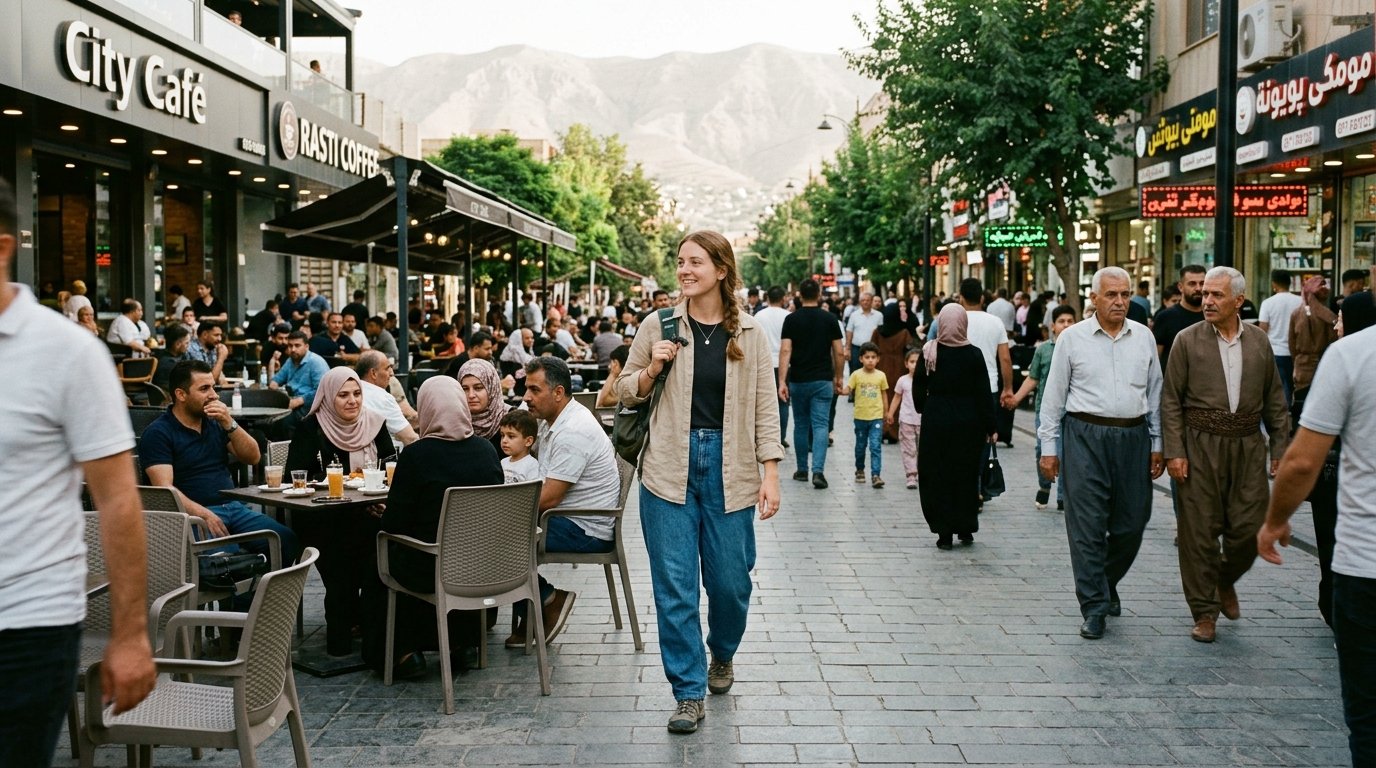
- Iraqi Kurdistan (Erbil, Sulaymaniyah, Duhok): Operating under its own regional government and security apparatus, Kurdistan has a well-established track record of welcoming independent solo travelers. English is widely spoken in the main cities, women move freely through cafes and street markets, and modern infrastructure makes independent navigation straightforward.
- Federal Iraq (Baghdad, Basra, Mosul, and the Southern Governorates): Federal Iraq is deeply rewarding for its history and warmth, but it has less conventional tourism infrastructure. Independent travel is possible, but navigating frequent military checkpoints, securing proper permits, and communicating in Arabic require patience and flexibility. Many solo women choose to hire local drivers or work with experienced local guides, as highlighted by Ali Babylon Tours, to smooth logistical friction.
The main daily challenge is the cumulative fatigue of constant curiosity rather than physical safety threats. You will often be the only woman in male-dominated public spaces like teahouses, and you will receive frequent requests for selfies, friendly questions about your marital status, and stares. Mental preparation for constant attention makes the trip much easier.
Regional dress codes from Erbil to Najaf
Dress codes in Iraq are not uniform. What is completely acceptable in downtown Erbil or central Baghdad would be deeply inappropriate in the holy city of Najaf. As travel writer Laure Wanders notes in her Iraq dress guide, packing adaptable layers that can transition between secular and conservative areas is the best strategy.
Iraqi Kurdistan: casual and relaxed
In Erbil, Sulaymaniyah, and Duhok, dress standards are the most relaxed in the country. Local Kurdish women wear a mixture of Western clothing, colorful traditional dresses, and headscarves. Foreign women can comfortably wear:
- Jeans, loose trousers, or linen pants.
- T-shirts that cover the shoulders and chest.
- Mid-calf or maxi skirts.
- You do not need to cover your hair in public streets, restaurants, or shopping malls. A headscarf is only required when stepping inside active mosques like the Jalil Khayat Mosque in Erbil.
Baghdad, Mosul, and Central Iraq: modest Western wear
In major metropolitan hubs like Baghdad, Mosul, and the archaeological sites of Babylon, the rule of thumb is modest coverage without needing full religious garments:
- Loose-fitting long trousers or ankle-length maxi dresses made of breathable fabrics like cotton or linen.
- Tops that reach at least past the elbows and have high necklines.
- You do not legally or socially need to wear a hijab on public streets in Baghdad or Mosul. However, keeping a lightweight scarf in your daypack is essential, as you will need it when entering religious monuments, historical mosques, or conservative neighborhoods.
- Baghdad's sacred district of Kadhimiya requires an abaya to enter the Al-Kadhimiya Shrine complex.
The holy cities of Najaf and Karbala: full abaya required
Najaf and Karbala are two of the most significant pilgrimage centers in the Shia Muslim world. The dress code here is non-negotiable and strictly enforced:
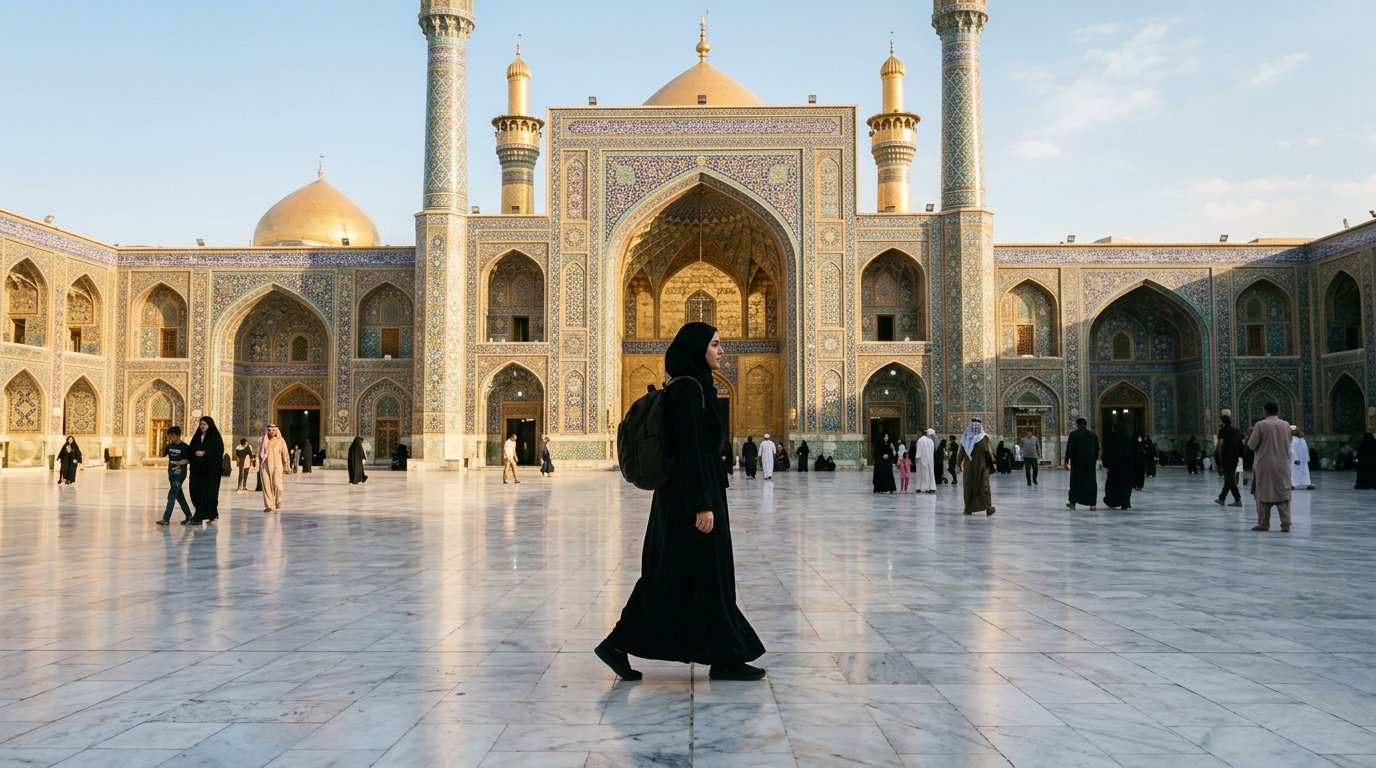
- All women must wear a traditional black abaya (a loose, full-length robe) along with a black headscarf covering all hair and the neck.
- This rule applies throughout the shrine precincts and across the old city centers surrounding the shrines of Imam Ali in Najaf and Imam Hussein in Karbala.
- You do not need to buy an expensive abaya before your trip. Local souks and stalls outside the shrine gates sell simple abayas for 10,000 to 20,000 Iraqi Dinars (roughly 7 to 15 US dollars). You wear the abaya directly over your standard clothes.
Street etiquette, social interactions, and hospitality
Understanding social cues helps avoid misunderstandings and allows you to enjoy Iraqi hospitality comfortably.
Greetings and physical touch
In traditional Iraqi culture, unrelated men and women often avoid physical contact. When meeting a local man, wait to see if he extends his hand for a handshake. If he places his right hand over his heart with a slight nod, return the gesture. This is a sign of deep religious respect, not coldness. When interacting with local women, handshakes and warm embraces are common.
Male spaces and family sections
In traditional Iraqi restaurants, you may notice distinct dining areas. Establishments often have a ground-floor section predominantly filled with men, and a designated "family section" (qism al-a'ilat) upstairs or behind a partition for women, couples, and families. While foreign women are frequently welcomed in male dining areas, choosing the family section often provides a quieter and more relaxed meal.
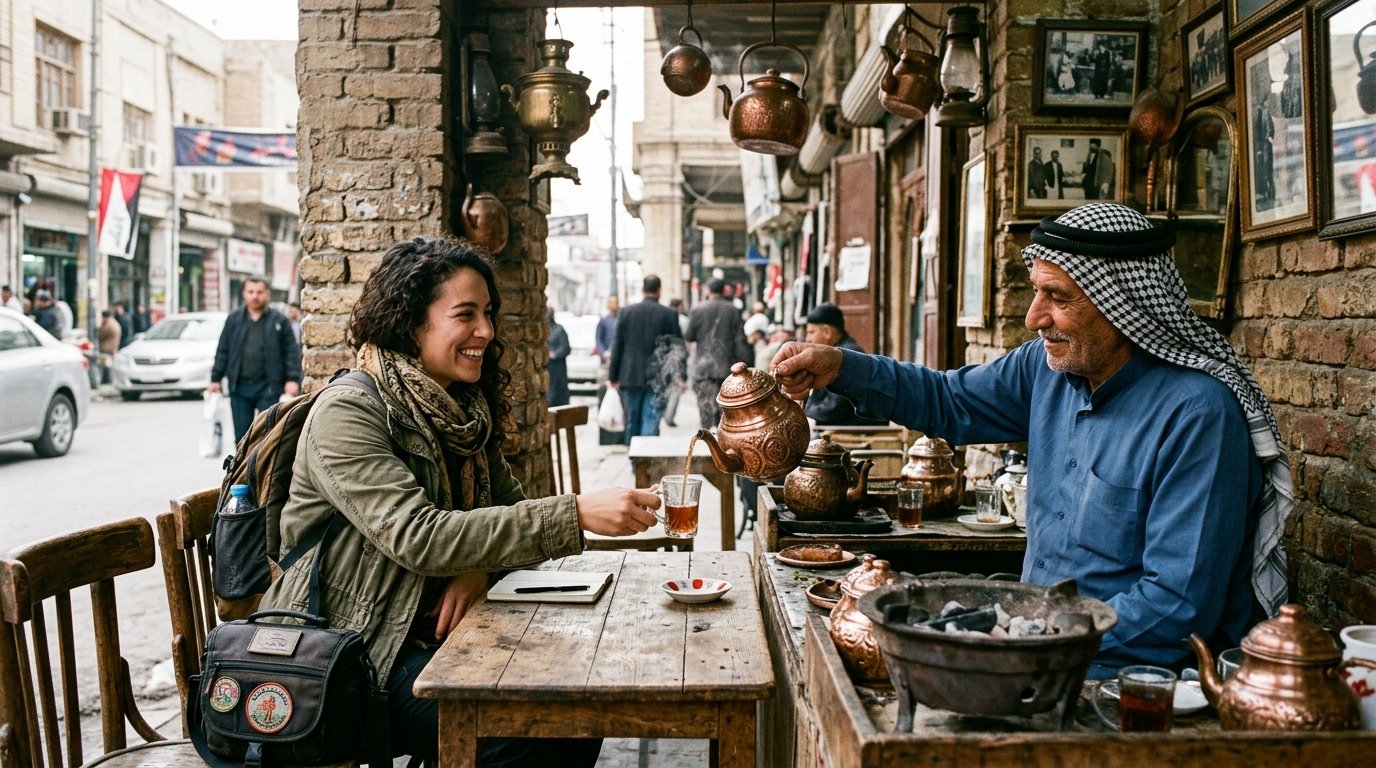
Traditional street-side teahouses (chai khanas) are traditionally male spaces. In Baghdad's historic Al-Mutanabbi Street on Fridays, teahouses are mixed and welcoming to everyone. In smaller towns, sitting in a roadside teahouse as a solo woman will draw stares, though locals will gladly serve you sweet black tea infused with cardamom (chai hamoud).
Handling hospitality and setting boundaries
Hospitality is standard across Iraq. Strangers will offer you tea, fruit from market stalls, and invitations to dine in family homes. Accepting an invitation to drink tea in a public shop or family home is a wonderful cultural window. However, maintain clear personal boundaries:
- Be cautious with sharing personal phone numbers. Many solo female travelers report that giving out WhatsApp numbers leads to relentless late-night messages and friendly marriage proposals. If you want to stay in touch, offering a public Instagram handle is a safer boundary.
- If anyone crosses a boundary or makes you uncomfortable, speak up firmly and loudly. A direct "La, aib!" (No, shame!) or stating "Haram" will immediately alert surrounding locals, who will intervene on your behalf.
- Inquiries about your marital status are standard small talk. If you feel uncomfortable explaining that you are unmarried and traveling alone, stating that your husband is resting at the hotel or meeting you in the next city is an easy way to avoid repetitive questioning.
Photography etiquette
Always ask for permission before taking portraits of women or children. While Iraqi men and youth will actively ask you to take photos with them, photographing conservative women without explicit consent is considered disrespectful. Never photograph military personnel, police checkpoints, or government security buildings.
Navigating transport across Iraq
Moving between and within Iraqi cities is manageable once you understand how local transport operates. As detailed in the Iraq Tourism Guide transport overview, there is little formal tourist transit, but the local network is frequent and inexpensive.
City transport and ride-hailing apps
In Baghdad, Erbil, Basra, and Najaf, the easiest and safest way to move around is using ride-hailing apps:
- Careem: The most reliable ride-hailing app in Baghdad and Erbil. It tracks the route via GPS, sets fixed upfront fares in Iraqi Dinars, and avoids the need to negotiate pricing with street drivers.
- Baly: Another popular Iraqi on-demand transport app active in Baghdad and other major cities.
- Local yellow taxis: Available everywhere. Agree on the fare before stepping into the vehicle. As a solo woman, sitting in the back seat on the passenger side is standard etiquette.
Intercity travel: the garage system
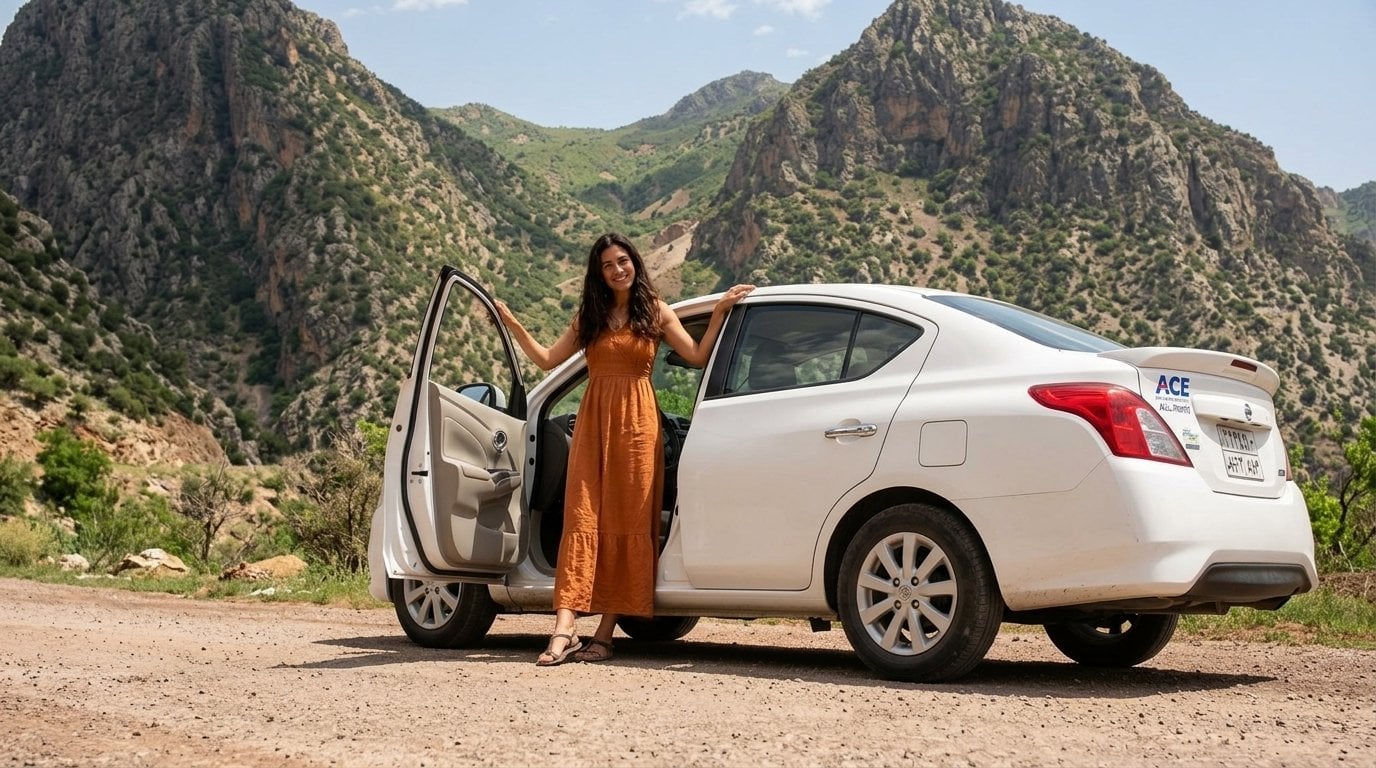
Intercity transit runs out of bustling transit hubs known as garages (garaaj). Shared saloon taxis (typically modern four-door sedans) and minivans (kia) line up according to their destination and depart once all seats are filled.
- Shared taxis cost between 7,000 and 20,000 IQD (5 to 15 US dollars) per seat depending on distance.
- In Iraq, women can sit next to men in shared taxis, which is more flexible than in several neighboring countries. However, for maximum comfort and personal space on a multi-hour journey, you can simply purchase two seats or pay for the entire front passenger seat.
The overnight Baghdad to Basra train
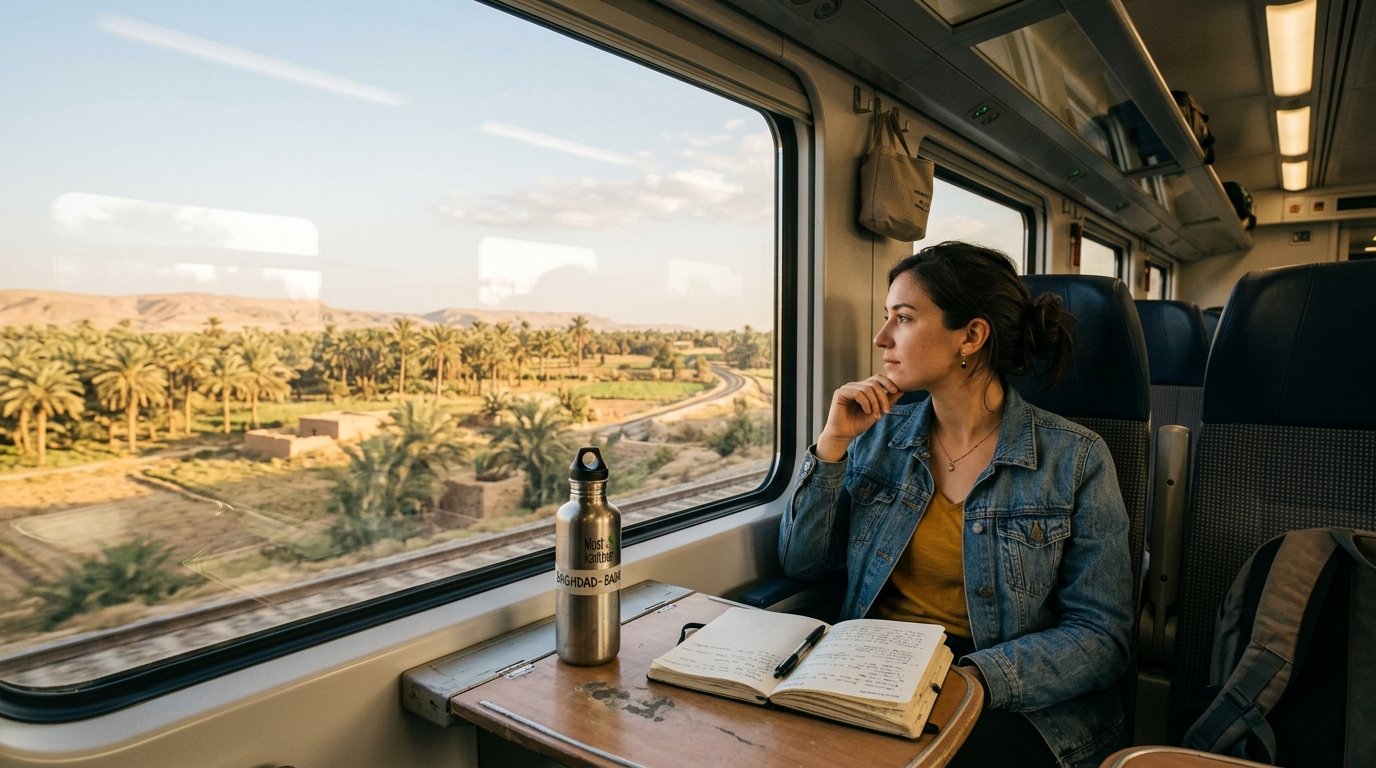
Iraq operates a daily overnight passenger train connecting Baghdad Central Station to Basra, with intermediate stops in Babylon, Diwaniyah, and Nasiriyah.
- The Chinese-built modern trains offer private sleeper compartments and air-conditioned seating.
- Fares range from approximately 10,000 IQD for a seat to 35,000 IQD (around 25 US dollars) for a private first-class sleeper berth.
- It is a secure, scenic, and restful way for solo travelers to cover the southern corridor without dealing with road checkpoints.
Checkpoints, connectivity, and essential preparation
Traveling smoothly through Federal Iraq requires attention to a few practical logistics:
- Carrying your passport: Federal Iraq has routine military, federal police, and provincial security checkpoints every 20 to 50 kilometers. Keep your passport and valid visa paperwork in your daypack at all times. Checkpoint officers are generally courteous to foreign tourists; a polite smile and presenting your passport is all that is required.
- Mobile SIM cards: Buy a local physical SIM or eSIM upon arrival at Baghdad International Airport or Erbil International Airport. Zain and AsiaCell provide reliable 4G coverage across central and southern Iraq, giving you access to maps, translation apps, and ride-hailing services.
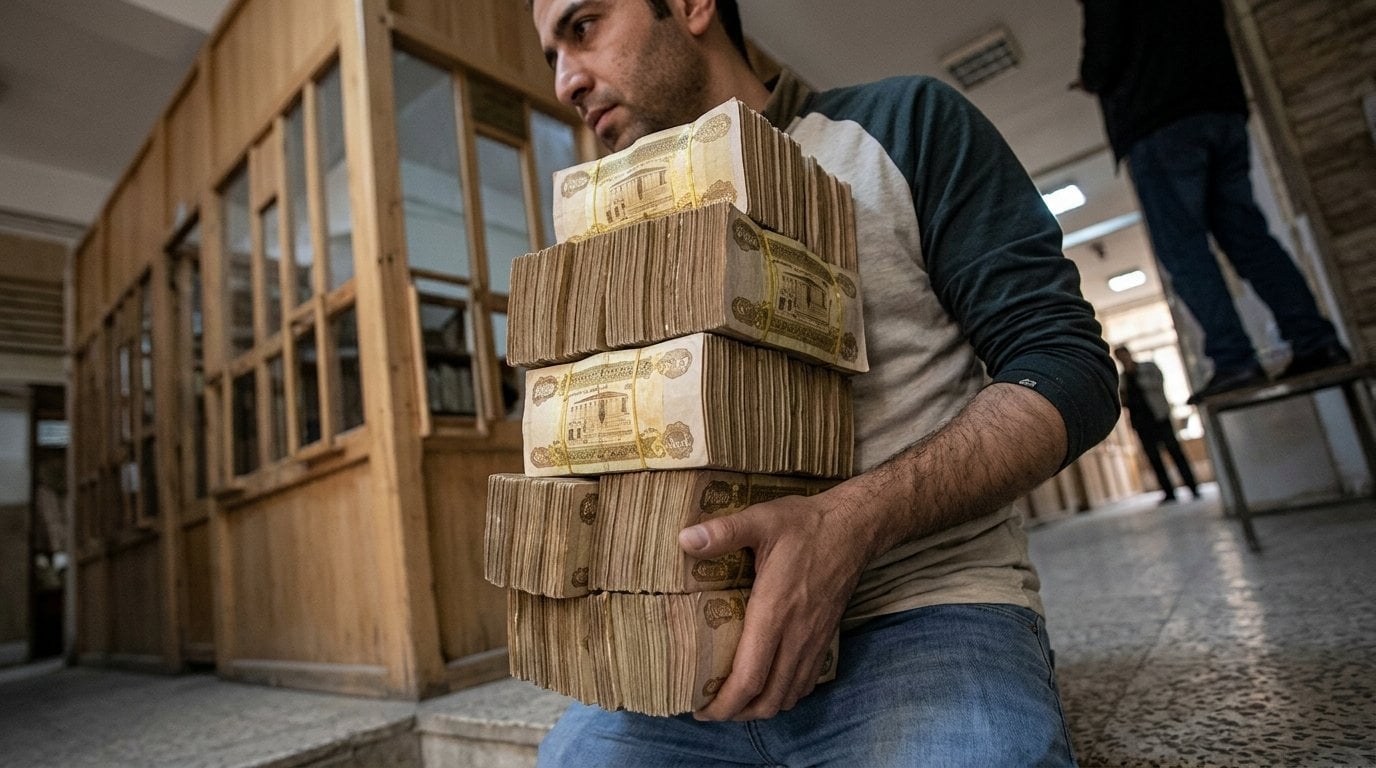
- Cash economy: Iraq runs almost entirely on cash. Credit cards are only accepted at luxury international hotels in Baghdad and Erbil. Carry sufficient Iraqi Dinars for daily expenses and crisp, unblemished US Dollar notes (issued after 2013) to exchange at licensed exchange offices.
- Feminine hygiene products: While sanitary pads are widely available in every neighborhood convenience shop, tampons are rarely stocked outside upscale international supermarkets in Erbil or affluent Baghdad districts like Mansour and Karrada. Bring an adequate personal supply with you.
Sources
- Against the Compass — A Guide to Solo Female Travel in Iraq, https://againstthecompass.com/en/female-travel-iraq/ (Accessed March 2026)
- Iraq Tourism Guide — Solo Female Travel in Iraq: What to Expect, https://www.iraqtourism.org/solo-female-travel-iraq/ (Accessed March 2026)
- Laure Wanders — Solo Travel in Iraq: A Solo Female's Practical Guide, https://www.laurewanders.com/solo-travel-in-iraq/ (Accessed March 2026)
- Laure Wanders — What to Wear in Iraq: Dress Code and Outfit Ideas, https://www.laurewanders.com/what-to-wear-in-iraq/ (Accessed March 2026)
- Ali Babylon Tours — Solo Female Travel in Iraq: What to Know, https://alibabylon.com/solo-female-travel-iraq/ (Accessed March 2026)
- Iraq Tourism Guide — Getting Around Iraq: Transport Guide, https://www.iraqtourism.org/getting-around-iraq/ (Accessed March 2026)
❓Frequently Asked Questions
Here are answers to frequently asked questions about the content above
Yes, many women travel solo in both Federal Iraq and Iraqi Kurdistan. Interpersonal street harassment is low because foreign visitors are treated under traditional hospitality codes. The main considerations are navigating language barriers, checkpoints, and regional dress requirements.
No. In Iraqi Kurdistan (Erbil, Sulaymaniyah) and cosmopolitan parts of Federal Iraq (Baghdad, Mosul, Basra), women do not need to cover their hair on public streets. A headscarf is only required when visiting mosques and the holy cities of Najaf and Karbala.
In Najaf and Karbala, all women must wear a full-length black abaya and a black headscarf covering hair and neck. This rule applies inside the shrine complexes and throughout the surrounding historic quarters. Inexpensive abayas can be bought near shrine gates.
Ride-hailing apps like Careem and Baly are available in Baghdad, Erbil, Basra, and Najaf. They provide GPS route tracking and fixed upfront pricing. When taking regular yellow street taxis, negotiate the price before getting in and sit in the rear seat.
Iraqi Kurdistan operates with its own border controls and has a more relaxed, Westernized social environment where independent solo travel is very simple. Federal Iraq involves more security checkpoints and conservative norms, where hiring a local driver or guide is often helpful.
Wait to see if a man extends a hand. If he places his right hand over his heart with a nod, return the gesture. This is a traditional sign of respect in conservative areas. It is also wise to set boundaries by sharing social media profiles rather than private phone numbers.