A complete guide to traveling overland from Erbil to Baghdad. Learn about shared taxis at Garage Baghdad, Highway 2 checkpoints, travel times, and essential federal visa rules.
Traveling from Erbil to Baghdad by Road: Checkpoints, Shared Taxis, and Visa Rules
Traveling overland between Erbil and Baghdad covers roughly 360 to 370 kilometers through central Iraq. The route takes travelers from the autonomous Kurdistan Region into Federal Iraq, descending from the rolling foothills of the north through Kirkuk, Salah al-Din, and Diyala before entering the capital.
For independent travelers, backpackers, and visitors wanting to see the landscape between Iraq's two largest cities, the highway provides an authentic look at daily life. However, this journey crosses internal administrative borders and security zones. Understanding the legal visa requirements, knowing how shared taxis operate out of Erbil, and preparing for military checkpoints are essential steps before setting out.
The Essential Visa Rules: Federal vs Kurdistan Region
Before planning any road trip between Erbil and Baghdad, you must verify your visa type. Iraq operates two distinct visa frameworks, and confusing them will cause you to be turned back at the first federal checkpoint outside the Kurdistan Region.
1. Federal Iraq eVisa
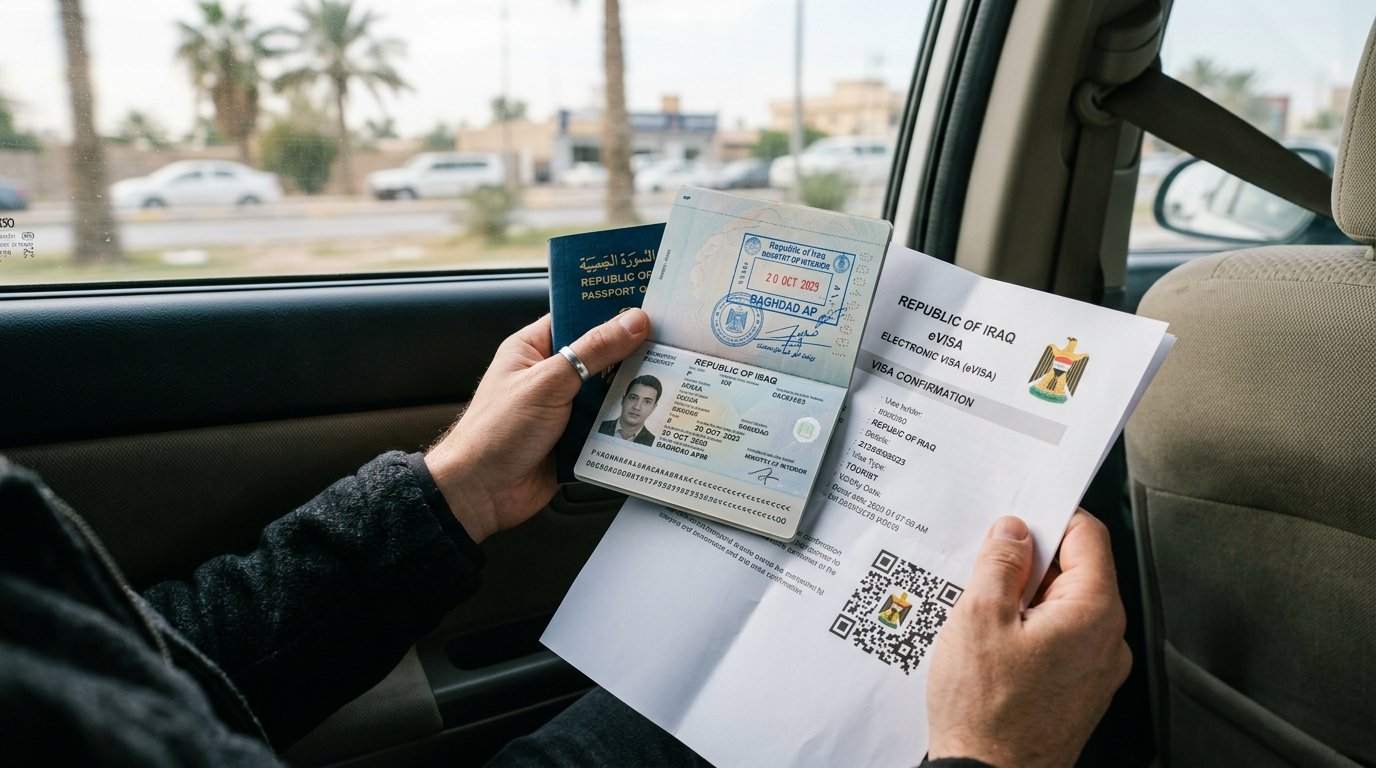
The Federal Iraq eVisa, issued through the official Iraq eVisa Portal, covers all territory administered by the Federal Government of Iraq as well as the Kurdistan Region of Iraq (KRI). An Ordinary Federal eVisa costs 206,000 IQD (roughly $160 USD), plus card processing fees, and grants a single-entry stay of up to 60 days, as documented by Ali Babylon Tours.
If you fly directly into Erbil International Airport (EBL) or Sulaymaniyah International Airport (ISU) and intend to travel south to Baghdad by road, you must ensure your application through the federal portal selects the Kurdistan entry permission box ("Visa and entry authority from the Kurdistan Region of Iraq"). When entering through Erbil airport with this approval, immigration officers collect an additional 100,000 IQD (approximately $76 USD) entry processing fee in cash, after which you receive the standard entry clearance required to cross internal checkpoints into Federal Iraq.
If you arrive via Baghdad International Airport (BGW), your federal visa sticker is pasted directly into your passport at immigration. This stamp allows unrestricted overland travel between Baghdad and Erbil in either direction.
2. Kurdistan Region eVisa (KRG Visa)
The regional eVisa issued through the Kurdistan Regional Government Portal costs $80 USD. This visa is valid only within the three governorates of the Kurdistan Region: Erbil, Sulaymaniyah, and Duhok.
A KRG visa does not grant entry into Federal Iraq. If you hold only a KRG regional visa and attempt to take a shared taxi south toward Kirkuk or Baghdad, federal security forces will deny you passage at the internal boundary checkpoints and send you back to Erbil.
Note on Visa on Arrival: Iraq suspended its unannounced visa-on-arrival scheme in March 2025 according to Ali Babylon Tours. All eligible nationalities must obtain an approved electronic visa online before boarding flights to Iraqi airports.
Transportation Options from Erbil to Baghdad
Travelers can choose between shared taxis, private vehicle charters, long-distance buses, or domestic flights.
Shared Taxis (The Local Method)
Shared taxis are the standard mode of intercity transit for Iraqi citizens, as outlined in the Iraq eVisa Intercity Transportation Guide. Drivers operate large four-door sedans (often Toyota Avalons, Toyota Camrys, or Dodge Chargers) that depart as soon as all four passenger seats are filled.
- Departure Station in Erbil: Shared taxis to Baghdad depart from Garage Baghdad (also known locally as Garaj Baghdad or Terminal Baghdad), located along the southern arterial exit of Erbil heading toward Kirkuk.
- Arrival Station in Baghdad: Most taxis from the north terminate at Garage Al-Nahda (Karaj Al-Nahda) in central-eastern Baghdad, though some drivers use Garage Al-Alawi or northern drop-off hubs.
- Cost: A single seat in a shared taxi typically costs between 25,000 and 35,000 IQD ($20 to $27 USD).
- Buying Out the Car: If you carry bulky luggage or want to depart immediately without waiting for other passengers, you can pay for all four seats, costing roughly 100,000 to 140,000 IQD ($76 to $108 USD).
Shared taxis offer speed and flexibility, but drivers rarely speak English. You must handle your own passport and visa paperwork at every checkpoint along the highway.
Private Drivers and Guided Transfers
Booking a private car with a dedicated driver or licensed guide offers a stress-free alternative. Private drivers handle communication with soldiers at checkpoints, manage luggage inspections, and can make stops at historical sites along the corridor, such as the Malwiya Minaret and Great Mosque in Samarra. Private long-distance day transfers generally range from $120 to $200 USD depending on the vehicle and itinerary.
Buses and VIP Minibuses
Public minibuses and long-distance coaches also run between Erbil and Baghdad. While fares are low (often under 20,000 IQD), buses stop frequently and require extra processing time at checkpoints because security forces inspect identity documents for dozens of passengers at once. A bus journey can take 7 to 9 hours.
Domestic Flights
For travelers short on time, Iraqi Airways and regional carriers operate multiple daily non-stop flights between Erbil International Airport and Baghdad International Airport. The flight time is 1 hour, with one-way tickets generally costing between $70 and $150 USD, as noted by fromto.travel. Flying skips all highway checkpoints, though it bypasses the scenery and cultural transition of central Iraq.
Route Breakdown and Highway Checkpoints
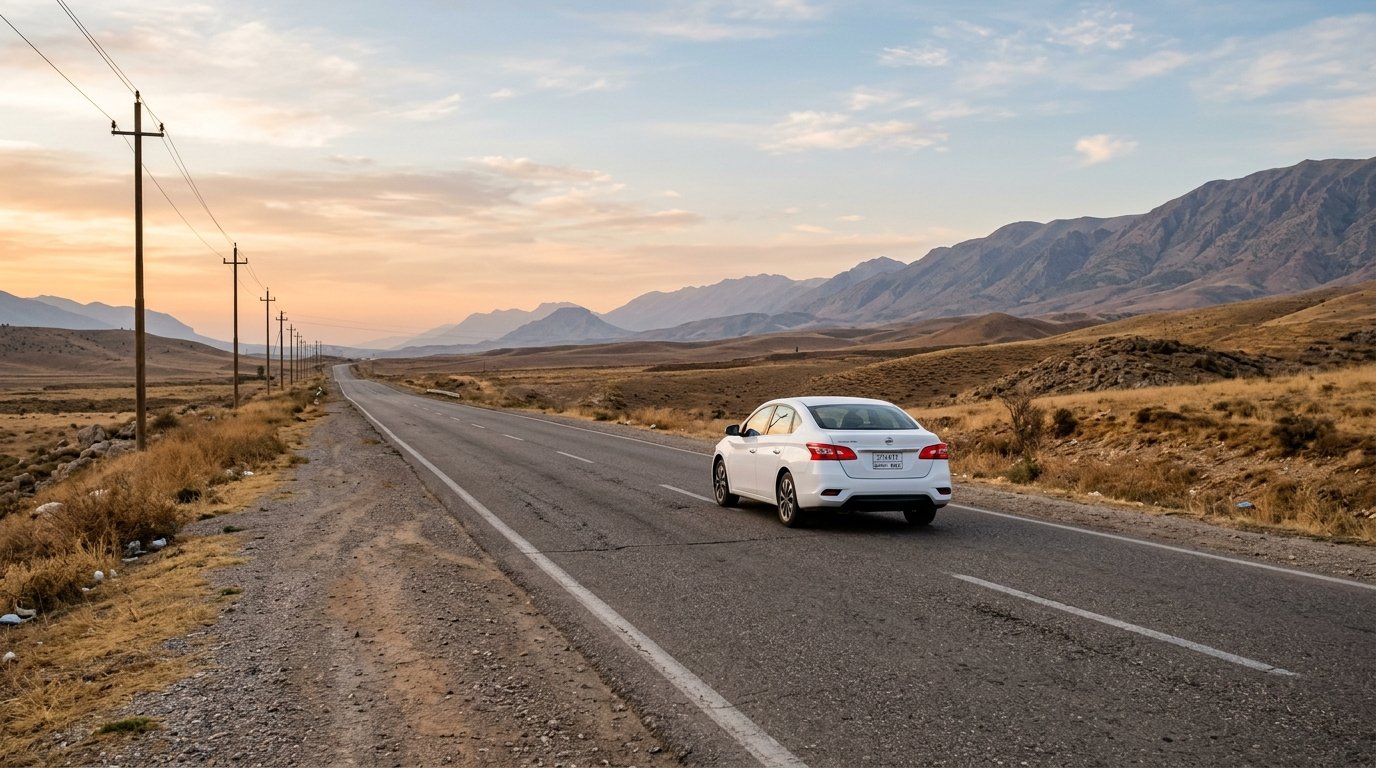
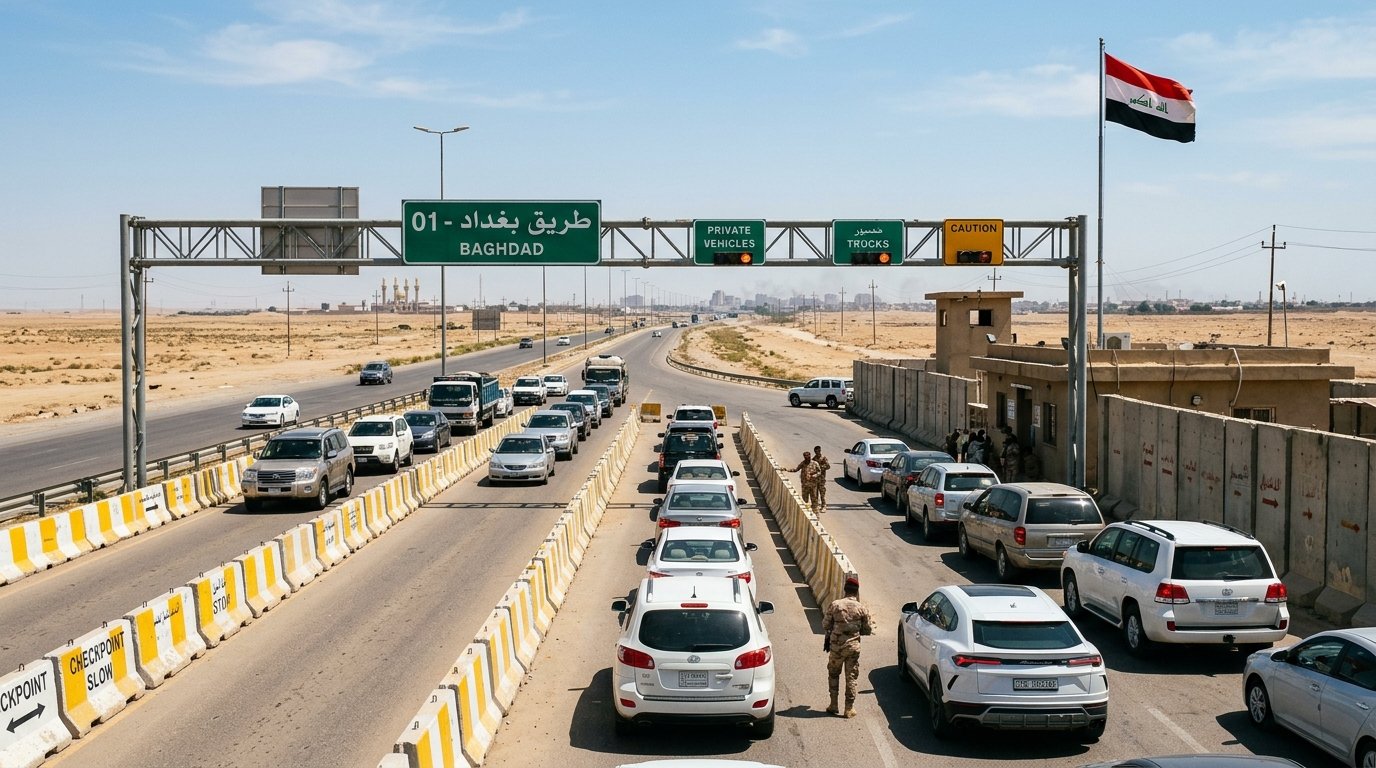
The road from Erbil to Baghdad follows National Highway 2 southward, connecting through the Kirkuk, Salah al-Din, and Diyala governorates before entering Baghdad province. The drive normally takes between 5 and 6.5 hours in clear conditions, though checkpoint queues and urban congestion can extend total travel time.
[ Erbil (Garage Baghdad) ]
           │
           ▼
[ Altun Kupri Checkpoint (KRI / Federal Border) ]
           │
           ▼
[ Kirkuk Bypass / Corridor ]
           │
           ▼
[ Tuz Khurmatu / Al-Udhaim Route ]
           │
           ▼
[ Khalis / Diyala Approach ]
           │
           ▼
[ Baghdad Northern Checkpoints (Al-Shaab / Taji) ]
           │
           ▼
[ Baghdad (Garage Al-Nahda) ]
Key Checkpoints Along the Road
- Altun Kupri (Pirde) Checkpoint: Located on the border between Erbil and Kirkuk governorates, this is the primary border crossing separating Kurdish regional jurisdiction from federal territory. Travelers pass from Kurdish Asayish control to Federal Police and Iraqi Army control. Officers verify passports, review federal visa paperwork, and confirm identity stamps.
- Kirkuk Perimeter Checkpoints: Highway checkpoints monitor transit around the Kirkuk corridor. Traffic moves through designated inspection lanes where drivers present vehicle permits (sanad) and passenger IDs.
- Salah al-Din / Diyala Checkpoints: Passing towns like Tuz Khurmatu and Al-Udhaim, military and intelligence checkpoints monitor the main highway artery.
- Baghdad City Gateways: The northern entry checkpoints into Baghdad (such as Al-Shaab or the Taji corridor) process substantial freight and passenger volume. Expect vehicle lines during peak afternoon hours.
Checkpoint Etiquette and Inspection Procedures
Security checkpoints throughout Federal Iraq are part of routine civil administration, managed jointly by the Iraqi Army, Federal Police, and National Intelligence services, as detailed by Ali Babylon Tours. Officers are accustomed to processing civilian transit, but foreign passengers should follow standard protocols to avoid delays:
- Keep Documents in Hand: Have your physical passport, original visa receipt, and hotel reservations within arm's reach. Do not store your passport in luggage in the vehicle trunk.
- Carry Physical Printouts: Always present physical paper copies of your electronic visa. Border and checkpoint personnel retain or stamp physical sheets and rarely accept digital phone screens alone.
- Vehicle Protocol: When approaching a checkpoint at night, drivers switch on interior cabin lights and dip headlights. Remove hats and sunglasses so your face is clearly visible.
- Luggage Checks: Officers may ask the driver to open the trunk for a brief visual inspection. If requested, step out calmly, unlock your bags, and allow security personnel to inspect your belongings.
- Photography Ban: Photography and video recording at or near military checkpoints, police stations, and government infrastructure are strictly illegal. Keep cameras and smartphones put away when stopped.
- General Demeanor: Remain polite, calm, and respectful. Security officers are generally welcoming toward international tourists, often greeting travelers with "Ahlan wa Sahlan" (welcome) once documents are verified.
Practical Travel Tips for the Erbil to Baghdad Drive
- Depart Early in the Morning: Aim to leave Erbil between 6:00 AM and 7:30 AM. Starting early avoids morning congestion exiting Erbil, minimizes midday highway heat, and ensures you reach Baghdad before the heavy 4:00 PM rush hour.
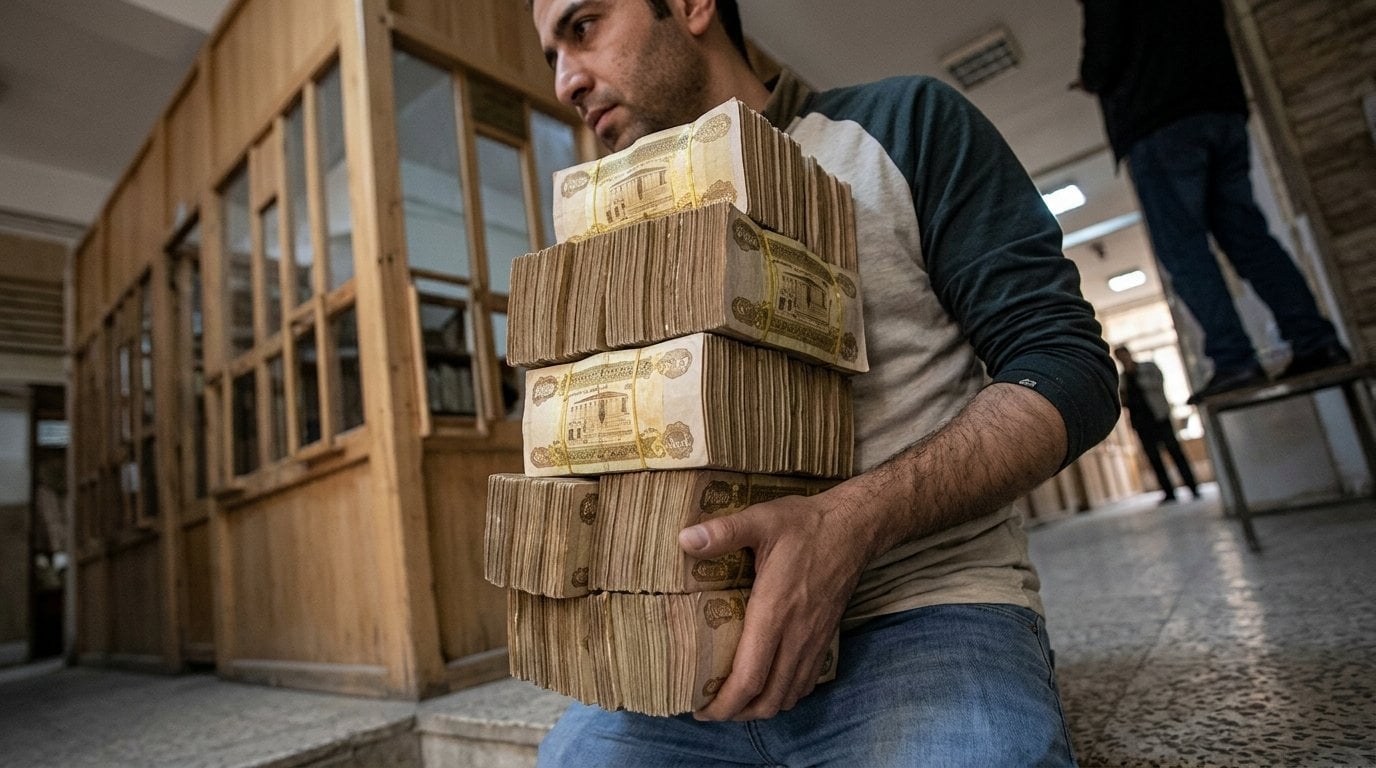
- Carry Iraqi Dinar Cash: Credit and debit cards are not accepted at taxi garages, highway fuel stops, or roadside rest stations. Bring sufficient cash in Iraqi Dinars (IQD) for your fare, meals, and incidental expenses, as highlighted in the Iraq Travel Guide.
- Download Offline Maps: Mobile data coverage can drop intermittently between governorates. Download offline maps via Google Maps or Maps.me to track your route.
- Prepare for Rest Stops: Shared taxi drivers usually make one brief stop at a roadside cafeteria (istiraha) near Kirkuk or Tuz Khurmatu for tea, restrooms, and fuel. Bottled water and snacks are widely available.
- Learn Basic Arabic and Kurdish Phrases: Knowing basic phrases such as "Garaj Baghdad" (Baghdad Garage), "Baghdad Karaj Al-Nahda" (Al-Nahda Garage), "Jawaz" (Passport), and "Fisa" (Visa) helps ensure smooth communication with drivers and station coordinators.
Sources
- Ali Babylon Tours, "Baghdad to Erbil - How to Travel Between Cities", https://alibabylon.com/baghdad-to-erbil/, accessed March 2026.
- Ali Babylon Tours, "Iraq eVisa 2026: How to Apply, Cost & Avoid Rejection", https://alibabylon.com/iraq-visa/, accessed March 2026.
- Ali Babylon Tours, "Iraq Travel Guide 2026: Everything You Need for Traveling in Iraq", https://alibabylon.com/iraq-travel-guide/, accessed March 2026.
- Ali Babylon Tours, "Is Iraq Safe to Travel? A Local Guide's Honest Answer", https://alibabylon.com/is-iraq-safe/, accessed March 2026.
- Iraq eVisa Service, "How to Travel Between Cities in Iraq: Best Transportation Options (2026 Guide)", https://evisa-iraq.org/blog/how-to-travel-between-cities-in-iraq/, accessed March 2026.
- FromTo Travel, "Erbil to Baghdad – Distance, Time, Fares", https://fromto.travel/en/iraq/erbil-arbil/baghdad-baghdad, accessed March 2026.
❓Frequently Asked Questions
Here are answers to frequently asked questions about the content above
No. The Kurdistan Region eVisa ($80 USD) is valid solely within Erbil, Sulaymaniyah, and Duhok governorates. To travel south to Baghdad, you must possess an approved Federal Iraq eVisa obtained via evisa.iq with appropriate entry authorization.
Driving between Erbil and Baghdad takes approximately 5 to 6.5 hours by private car or shared taxi under normal conditions. Heavy checkpoint queues or bus travel can extend the trip to 7 or 8 hours.
In Erbil, shared taxis depart from Garage Baghdad on the southern highway exit toward Kirkuk. In Baghdad, shared taxis from northern cities usually arrive at Garage Al-Nahda in the central-eastern district.
A single shared taxi seat costs between 25,000 and 35,000 Iraqi Dinars (roughly $20 to $27 USD). Buying out all four seats in the sedan costs approximately 100,000 to 140,000 IQD ($76 to $108 USD).
Yes. Security and military officers at federal checkpoints require physical paper printouts of your approved eVisa to verify your legal status. Do not rely solely on digital PDF copies on your phone.
Yes. The main Highway 2 corridor connecting Erbil, Kirkuk, and Baghdad is heavily patrolled by Iraqi federal and regional security forces and sees routine daily civilian traffic. Foreign tourists travel the route regularly provided they hold valid federal entry paperwork.