Découvrez Al-Amara, la capitale du gouvernorat de Maysan dans le sud-est de l'Irak, une destination touristique unique sur les rives du Tigre à la culture et l'histoire riches.
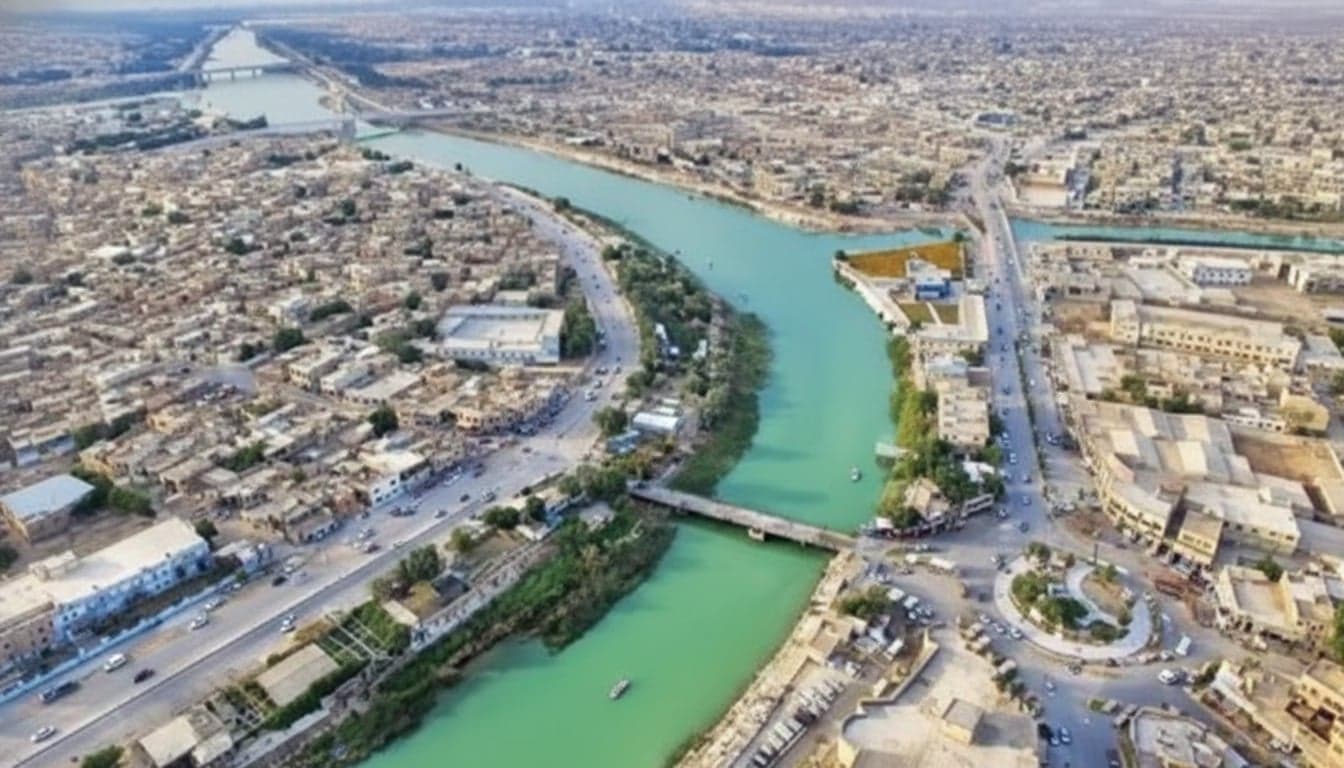
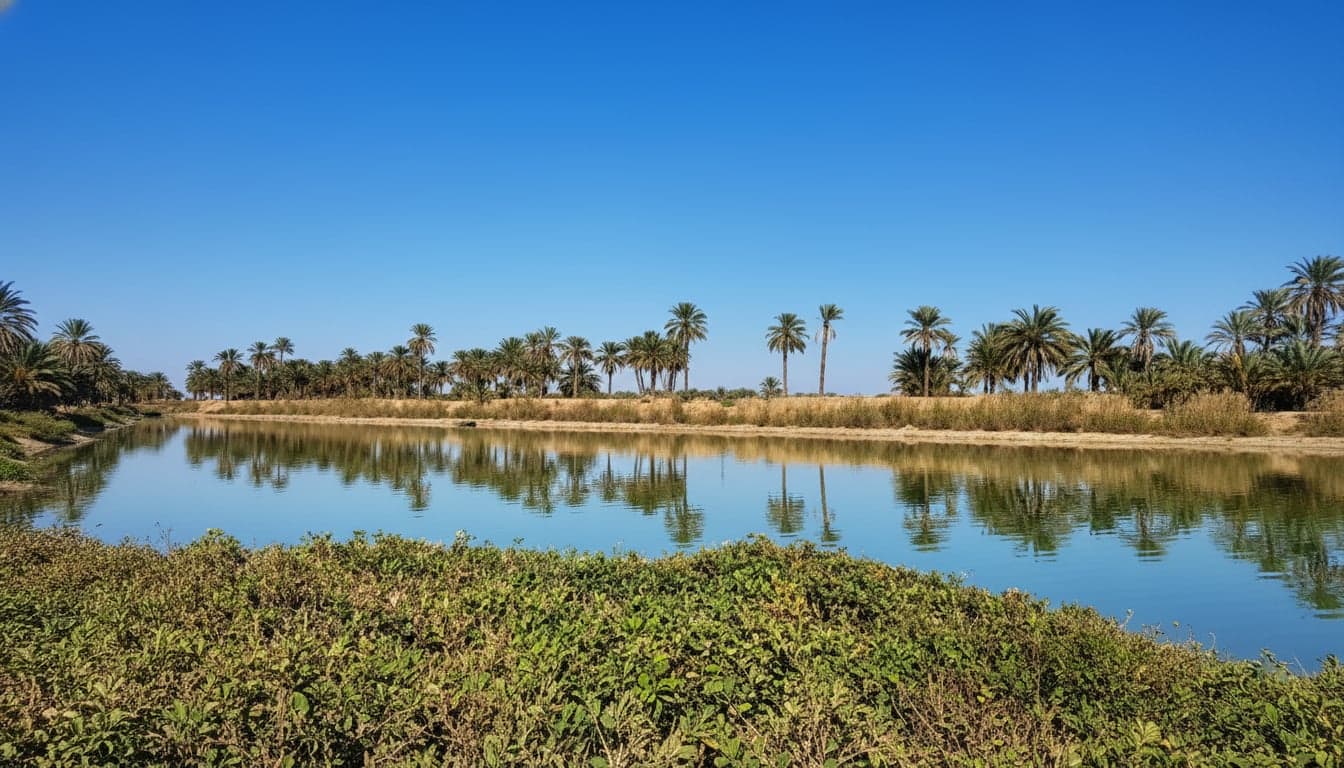
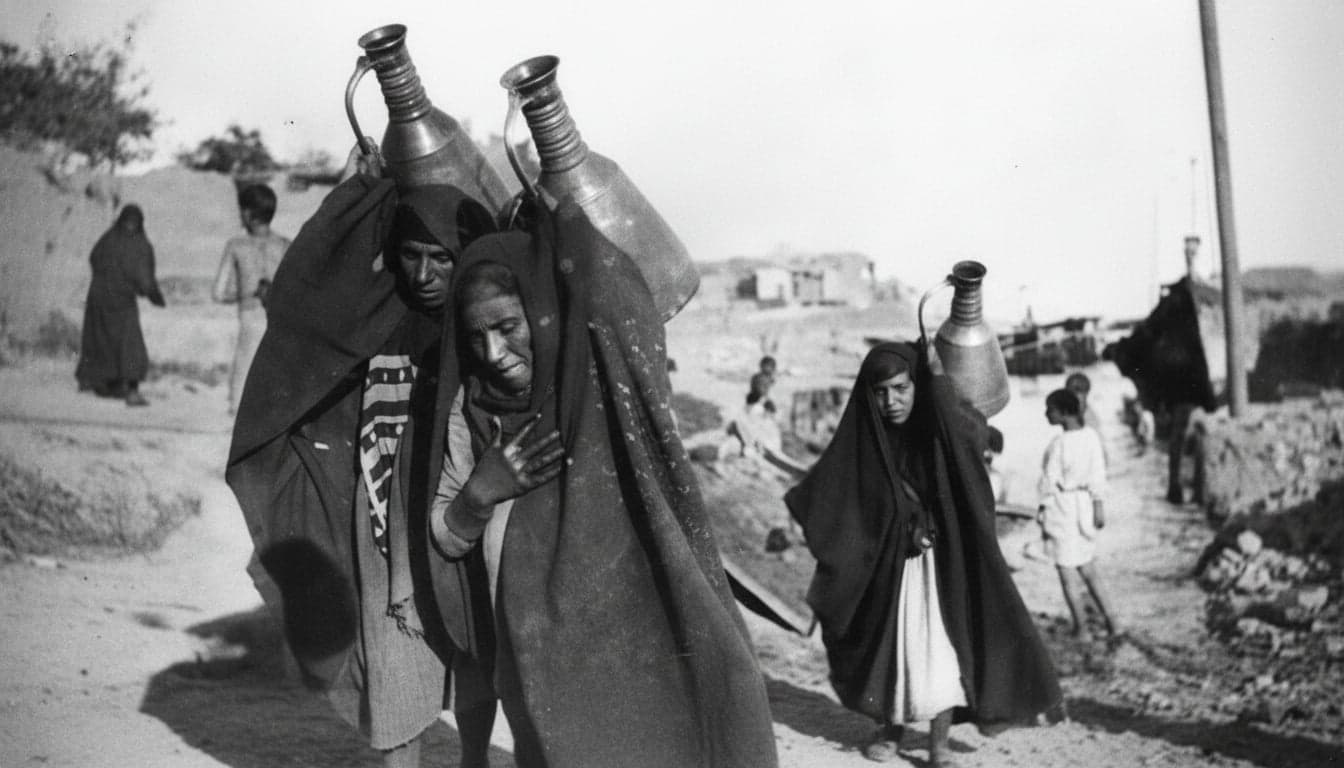
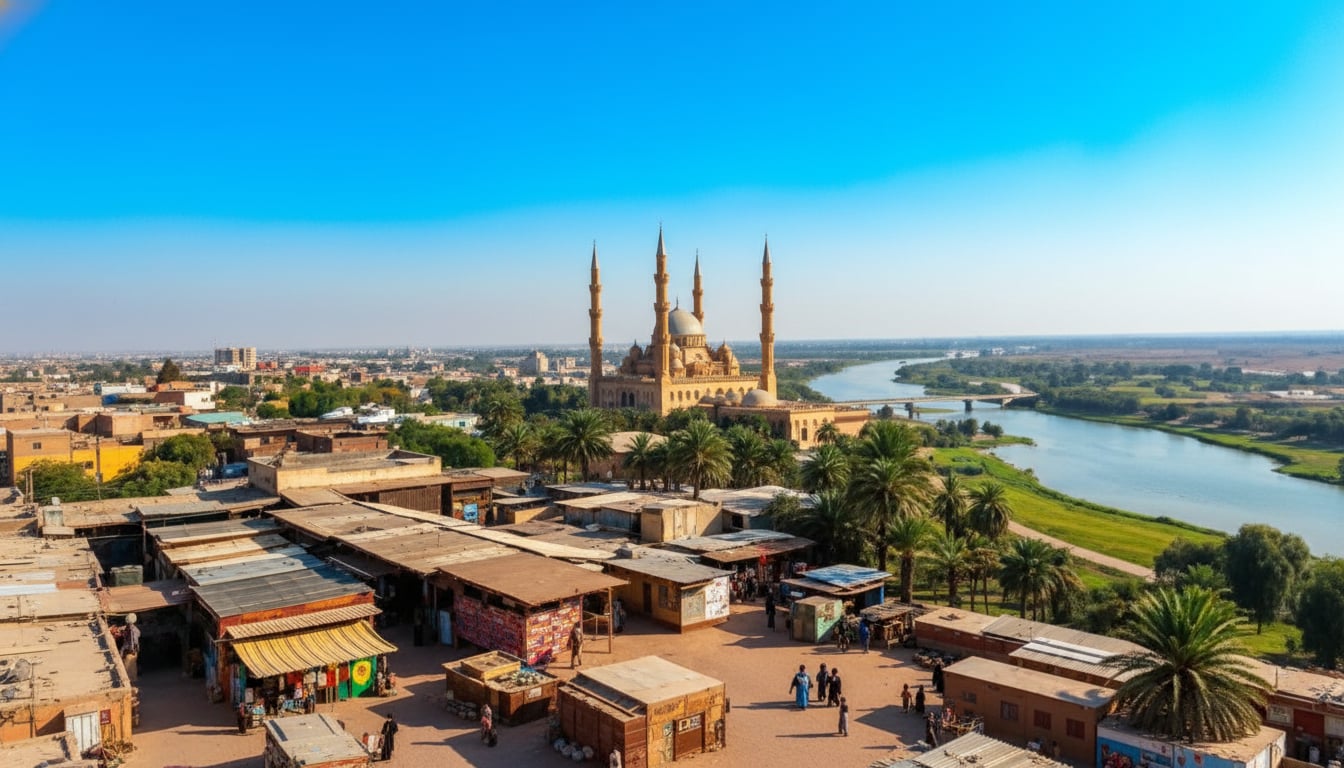
Al-Amara, la capitale du gouvernorat de Maysan dans le sud-est de l'Irak, est une destination touristique unique riche en histoire et en culture, surplombant le fleuve Tigre. Cette ville offre aux visiteurs une expérience distinctive qui allie tranquillité et patrimoine ancien, en faisant une "racine inconnue" qui mérite d'être explorée. Une visite ici est à la fois passionnante et stimulante, avec des monuments de l'ère ottomane et la superbe Grande Mosquée d'Al-Amara.
Quelles sont les principales attractions d'Al-Amara ?
Les principales attractions d'Al-Amara comprennent la Corniche le long du Tigre, le pont d'Al-Amara, le marché central (Souq), le campus de l'université de Maysan et les centres de chargement des bateaux sur le Tigre. La Corniche d'Al-Amara est une longue promenade le long du Tigre où les habitants s'assoient dans les cafés au bord du fleuve, regardent les bateaux décharger et profitent de la lumière du soir. Le pont est également un point central pour l'histoire et les vues de la ville.
Y a-t-il des frais d'entrée pour les attractions à Al-Amara ?
La plupart des monuments d'Al-Amara sont gratuits à visiter. Il y a très peu d'attractions touristiques payantes ; la plupart des activités consistent à voir des espaces publics, des zones riveraines et des mosquées gratuitement. Se promener dans les marchés et sur les berges du fleuve est une partie essentielle de l'expérience.
Combien coûte une visite à Al-Amara ?
Un voyageur à petit budget peut s'en sortir avec 15-25 USD par jour, tandis que le budget moyen (incluant une chambre privée, quelques transports et des extras) varie entre 25-60 USD par jour. Les auberges simples ou les chambres basiques coûtent environ 10-30 USD par nuit.
Quel est le meilleur moment pour visiter Al-Amara ?
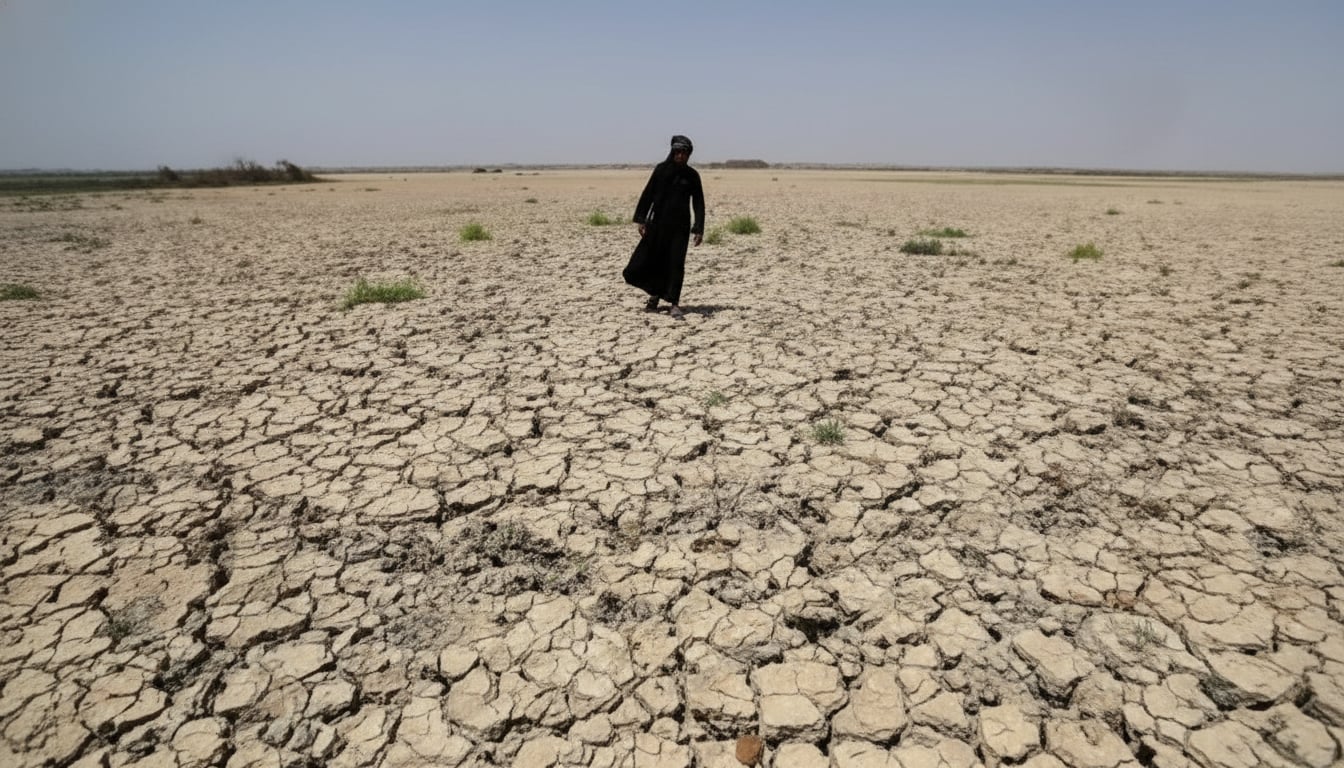
Le meilleur moment pour visiter Al-Amara est d'octobre à mars (de la fin de l'automne au début du printemps) lorsque les températures sont plus supportables, allant généralement de 10 à 20°C (50-68°F). L'été est excessivement chaud, avec des températures dépassant souvent 40°C (104°F), ce qui rend le voyage inconfortable.
La photographie est-elle autorisée à Al-Amara ?
La photographie est généralement autorisée dans les zones publiques, mais évitez de photographier les installations militaires, les bâtiments gouvernementaux ou les personnes sans autorisation. Si vous souhaitez documenter votre voyage, veillez à respecter la vie privée des résidents locaux.
Quelles sont les recommandations de transport à Al-Amara ?
Les options de transport à Al-Amara incluent les taxis, qui sont nombreux pour les déplacements locaux. Pour les distances plus courtes, la marche est une option pratique, surtout dans les zones centrales et le long de la Corniche du Tigre. En raison de la petite taille de la ville, de nombreux sites peuvent être explorés à pied.
Comment est la nourriture à Al-Amara ?
La cuisine locale à Al-Amara reflète un mélange de cultures arabe, kurde et turkmène, avec des épices, des dattes et de la nourriture de rue disponible sur les marchés. Les visiteurs peuvent goûter des collations locales au marché central, profiter de repas faits maison et essayer des plats irakiens traditionnels.
Un guide touristique est-il nécessaire pour visiter Al-Amara ?
Bien que ce ne soit pas strictement nécessaire, avoir un guide local peut enrichir votre expérience à Al-Amara en fournissant des informations culturelles et en vous aidant dans une infrastructure touristique moins développée. Les guides locaux peuvent aider à surmonter les barrières linguistiques et fournir un contexte plus profond sur l'histoire et les traditions de la ville.
Est-il sûr pour les touristes de visiter Al-Amara ?
La sécurité varie à Al-Amara, il est donc essentiel de rester conscient de votre environnement, bien que de nombreux visiteurs trouvent les habitants sympathiques. Il est important de vérifier les derniers conseils de voyage avant de visiter car la situation sécuritaire peut changer. "Visit Iraq" souligne que la ville est une destination unique pour les touristes à la recherche d'une expérience aventureuse.
Comment se rendre à Al-Amara depuis Bagdad ?
Il n'y a pas d'options de transport public direct de Bagdad à Al-Amara. Les meilleures options sont de voyager en voiture privée, en taxi ou en service de covoiturage, ce qui prend environ 4-5 heures de route.
Quelles informations sur la communication dois-je connaître ?
Des cartes SIM à bas prix sont disponibles à Al-Amara, et la plupart des hôtels et restaurants proposent le WiFi. Une carte SIM peut être achetée dans les magasins de téléphonie pour environ 10 USD pour 10 Go (opérateur mobile Asiasell). "Visit Iraq" fournit des informations de contact mises à jour pour chaque visiteur.
Le paiement par carte est-il accepté à Al-Amara ?
L'Irak est un pays où le liquide est privilégié ; les cartes ne sont acceptées que dans les hôtels de luxe et certains restaurants, il est donc essentiel de transporter des espèces. Comme les distributeurs automatiques peuvent être limités, les visiteurs doivent planifier en conséquence et emporter suffisamment de monnaie (dinars irakiens).
Existe-t-il des excursions d'une journée au départ d'Al-Amara ?
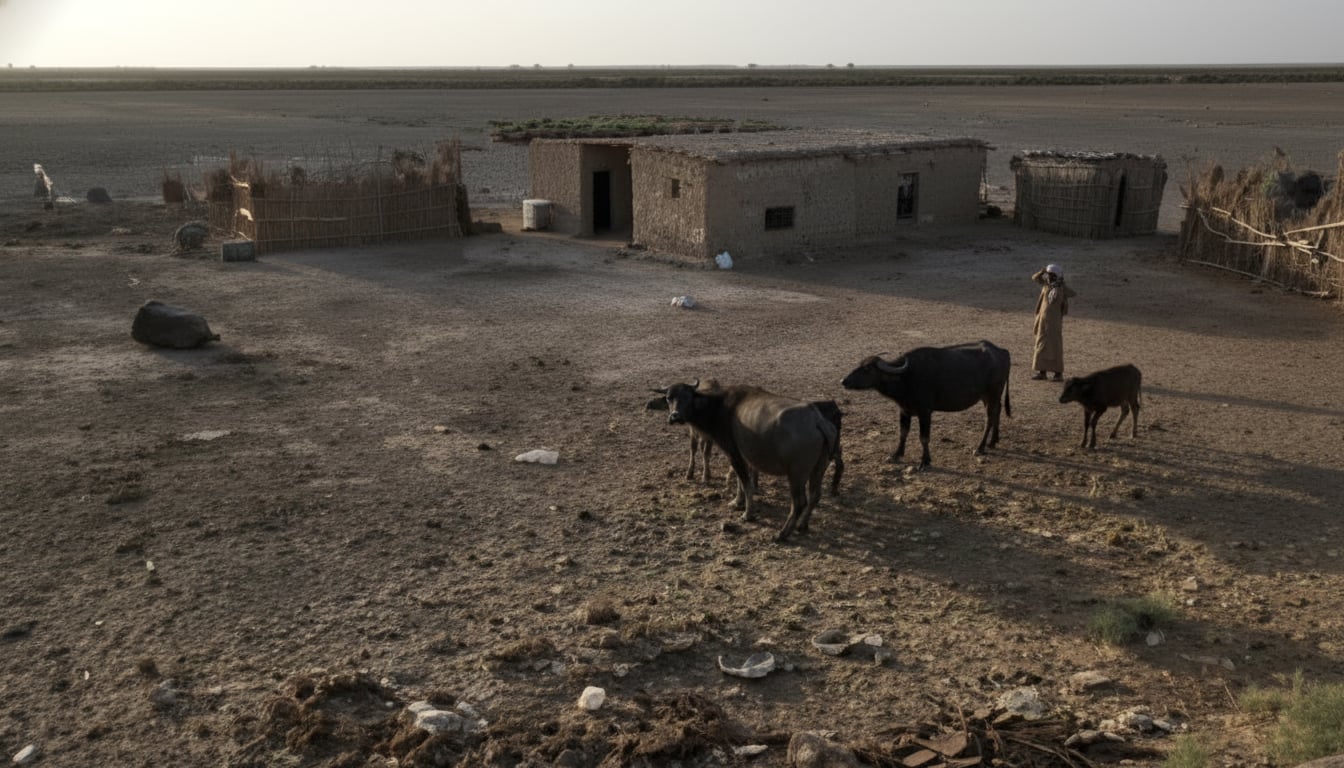
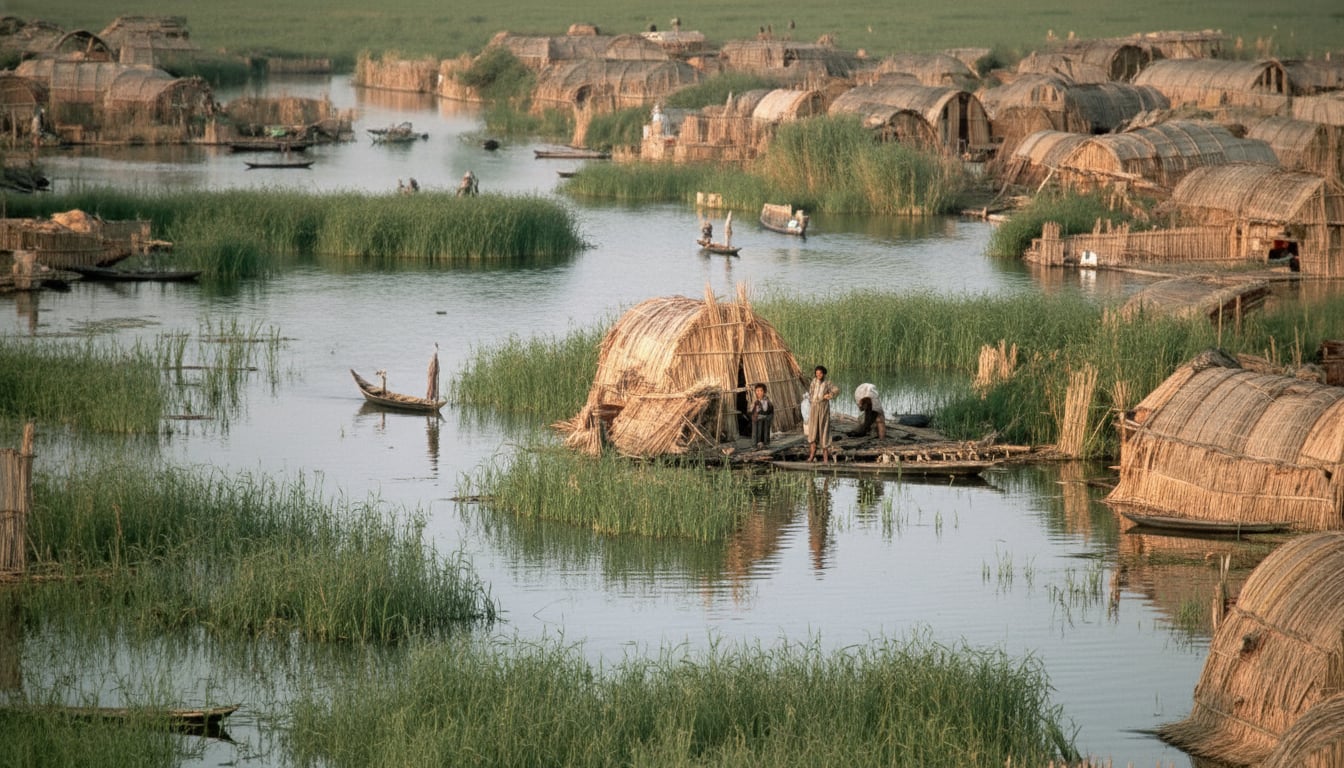
Oui, les excursions courantes incluent des balades en bateau dans les marais de Hawizeh, des visites de villages de marais mésopotamiens et des voyages plus longs vers d'anciens sites sumériens. Ces voyages offrent des expériences uniques dans les célèbres marais de Mésopotamie. "Visit Iraq" recommande ces excursions pour une expérience distinctive.
Quels sont les sites proches d'Al-Amara ?
Les sites près d'Al-Amara incluent les marais de Hawizeh (Al-Huwaiza), les villages de marais mésopotamiens et des voyages plus longs vers d'anciens sites sumériens comme Our près de Nassiriya.
Quels sont les détails du transport de Bagdad à Al-Amara ?
Il n'y a pas de transport public direct officiel de Bagdad à Al-Amara, il est donc préférable de louer une voiture ou de réserver un taxi privé. Le trajet prend environ 4-5 heures via les autoroutes. De nombreux voyageurs organisent le transport par le biais de contacts locaux ou d'opérateurs touristiques.
Est-il nécessaire de suivre un code vestimentaire spécifique à Al-Amara ?
Il est préférable de s'habiller de manière conservatrice, surtout pour les femmes, en couvrant les épaules et les jambes, et en respectant les coutumes et traditions locales. S'agissant d'une région conservatrice, les vêtements couvrant les bras et les jambes sont préférés, et peut-être un foulard lors de l'entrée dans les sites religieux.
Sections FAQ
1. Qu'est-ce qu'Al-Amara ? Al-Amara est la capitale du gouvernorat de Maysan dans le sud-est de l'Irak, située sur les rives du Tigre, avec un riche patrimoine culturel.
2. Y a-t-il des frais d'entrée pour les monuments d'Al-Amara ? La plupart des monuments d'Al-Amara sont gratuits, y compris les espaces publics, les marchés et les sentiers riverains.
3. Quel est le meilleur moment pour visiter Al-Amara ? Le meilleur moment est d'octobre à mars, lorsque les températures sont modérées.
4. Est-il sûr de visiter Al-Amara ? La prudence est de mise et les instructions de sécurité doivent être suivies, mais les habitants sont connus pour être accueillants.
5. Comment est la nourriture à Al-Amara ? La cuisine reflète un mélange de cultures arabe, kurde et turkmène.
6. Des moyens de transport sont-ils disponibles dans la ville ? Oui, les transports incluent les taxis et la marche pour se déplacer en ville.
7. Quel est le meilleur moyen d'explorer la ville ? La ville peut être explorée à pied ou en utilisant des taxis pour les plus longues distances.
8. Y a-t-il des hébergements à Al-Amara ? Oui, des options allant d'auberges simples à des hôtels de milieu de gamme sont disponibles.
9. Peut-on faire du shopping à Al-Amara ? Oui, le marché central est un excellent endroit pour le shopping, la promenade et la dégustation de nourriture.
10. La photographie est-elle autorisée à Al-Amara ? Oui, mais évitez la photographie sur les sites militaires ou gouvernementaux.
Gallery