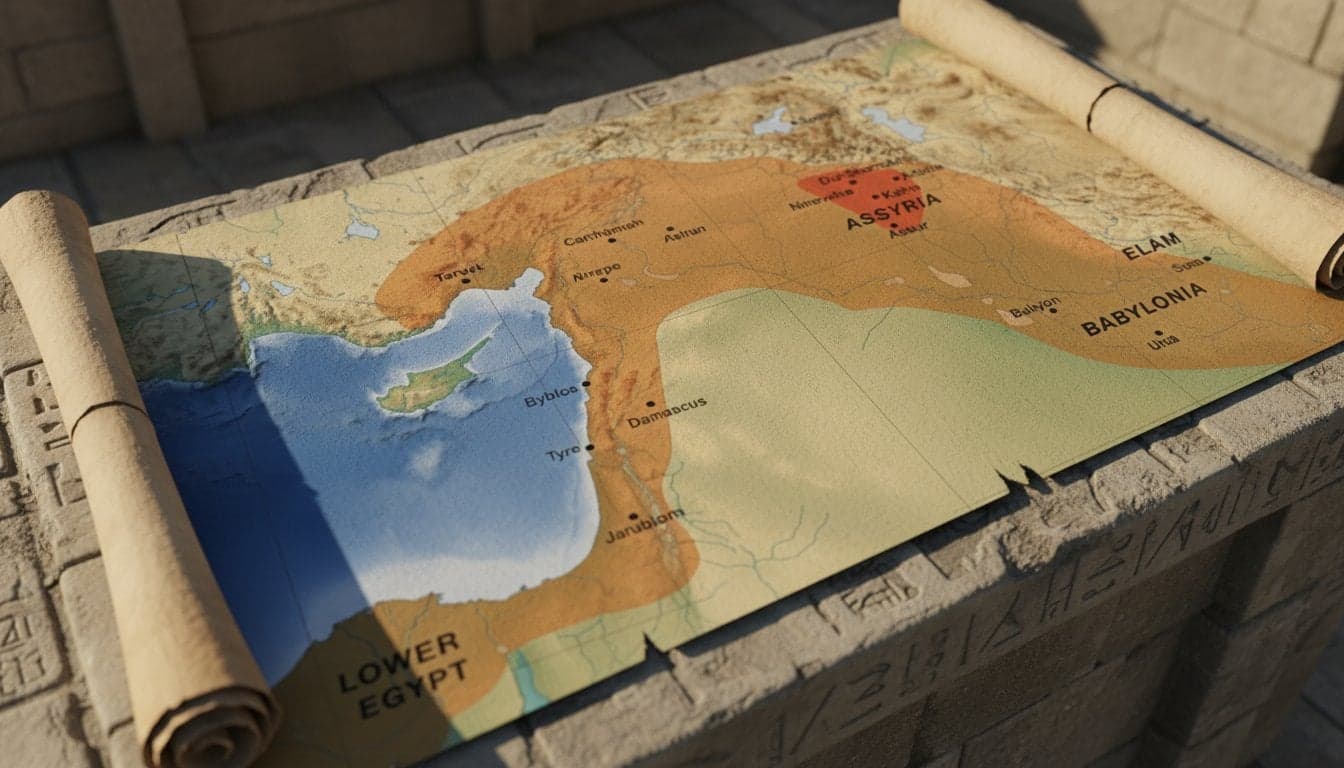
Erkunden Sie die Geschichte von Ashur (Qal'at Sherqat), der ersten Hauptstadt des Assyrischen Reiches und einer gefährdeten UNESCO-Welterbestätte. Dieser Leitfaden für 2025 erläutert die aktuellen Sicherheitsrisiken.
Die antike Stadt Ashur, lokal bekannt als Qal'at Sherqat, stellt eine der wichtigsten Stätten in der Geschichte Mesopotamiens dar. Diese Stadt war die erste religiöse und politische Hauptstadt des Assyrischen Reiches und gab der gesamten Zivilisation ihren Namen. Doch anders als bei anderen Stätten im Irak lautet die wichtigste Frage nicht „Was gibt es zu sehen?“, sondern vielmehr „Kann ich sie überhaupt besuchen?“.
Leider lautet die direkte Antwort für 2025 Nein. Ein Besuch in Ashur ist derzeit ein extrem risikoreiches und absolut nicht empfehlenswertes Unterfangen. Die Stätte befindet sich in einer Region mit instabiler Sicherheitslage, hat erhebliche Schäden erlitten und birgt ein reales Risiko durch nicht explodierte Kampfmittel und Minen. Dieser Artikel von Visit Iraq nimmt Sie mit auf eine historische Tour, um die Bedeutung dieses Ortes zu verstehen, während er gleichzeitig die Gefahren verdeutlicht, die einen Besuch heute verhindern.
Warum ist Ashur von außergewöhnlicher historischer Bedeutung?
Bevor Ninive oder Nimrud zu Hauptstädten wurden, war Ashur über tausend Jahre lang das Herz der assyrischen Welt.
1. Die erste Hauptstadt und das Zentrum des Gottes Ashur
Gegründet im dritten Jahrtausend v. Chr., wurde die Stadt die erste Hauptstadt des Assyrischen Reiches. Noch wichtiger war sie als religiöses Zentrum für die Verehrung des Nationalgottes „Ashur“, nach dem die Stadt und das Reich benannt wurden. Alle assyrischen Könige waren verpflichtet, seinen Tempel zu pflegen und zu erweitern.
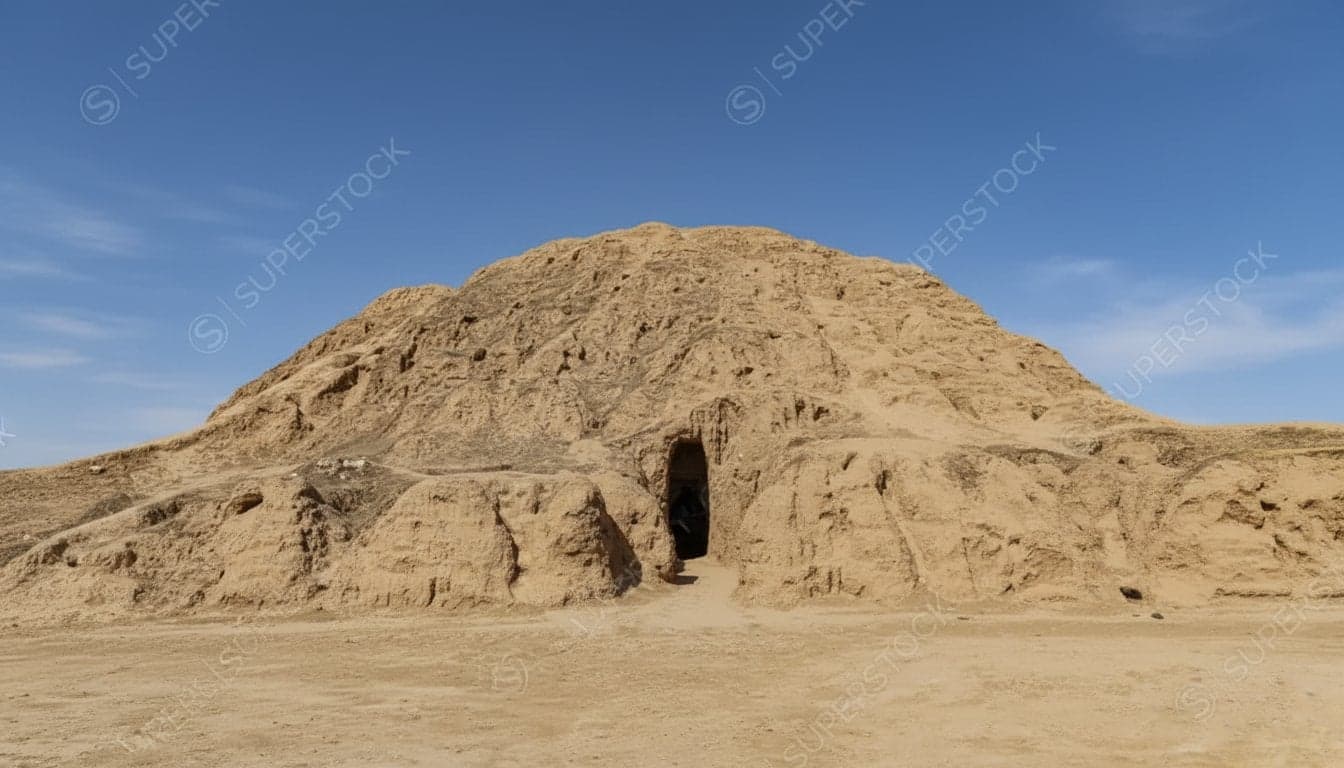
2. Die hochragende Zikkurat
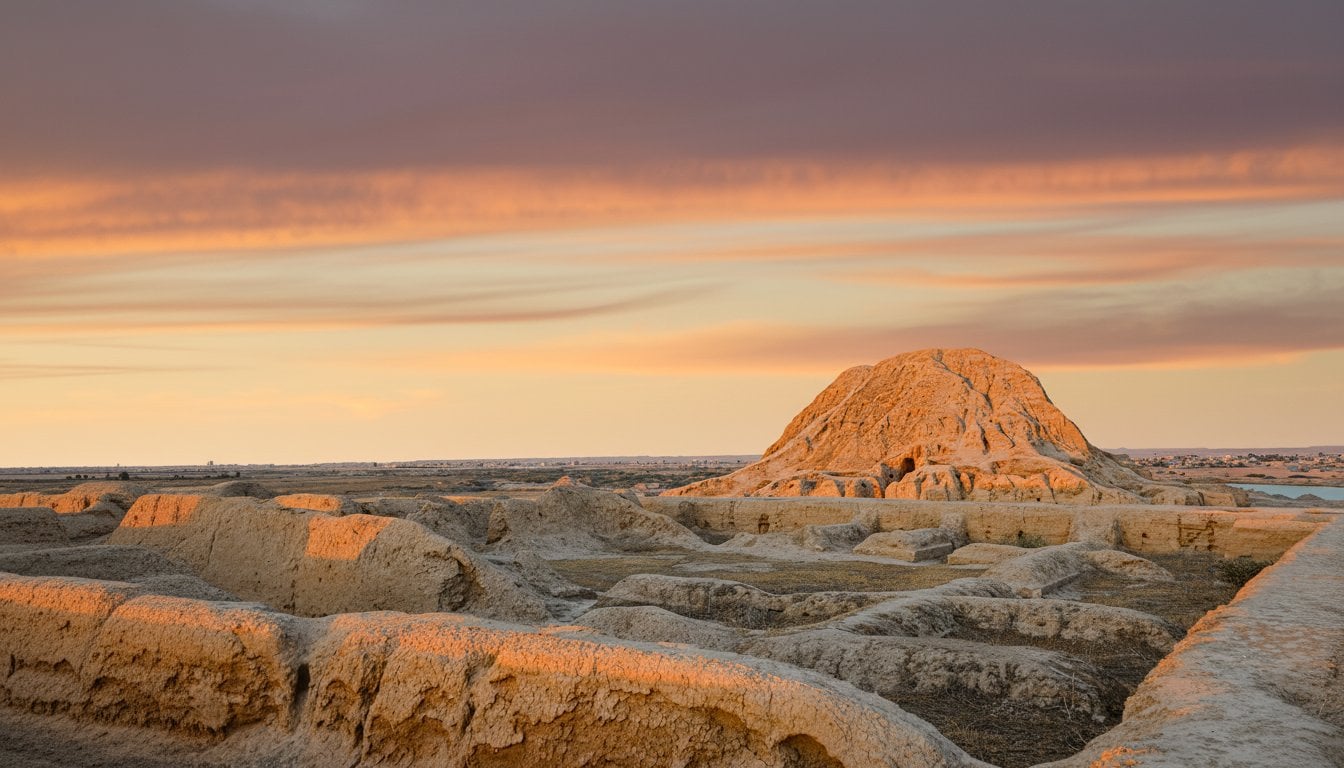
Das markanteste Merkmal am Horizont der Stätte sind die Überreste der massiven Zikkurat, die dem Gott Ashur gewidmet war. Trotz der Erosion im Laufe der Zeit lässt ihre immense Größe immer noch die Pracht erahnen, die sie einst besaß, als sie über der Ebene des Tigris aufragte.
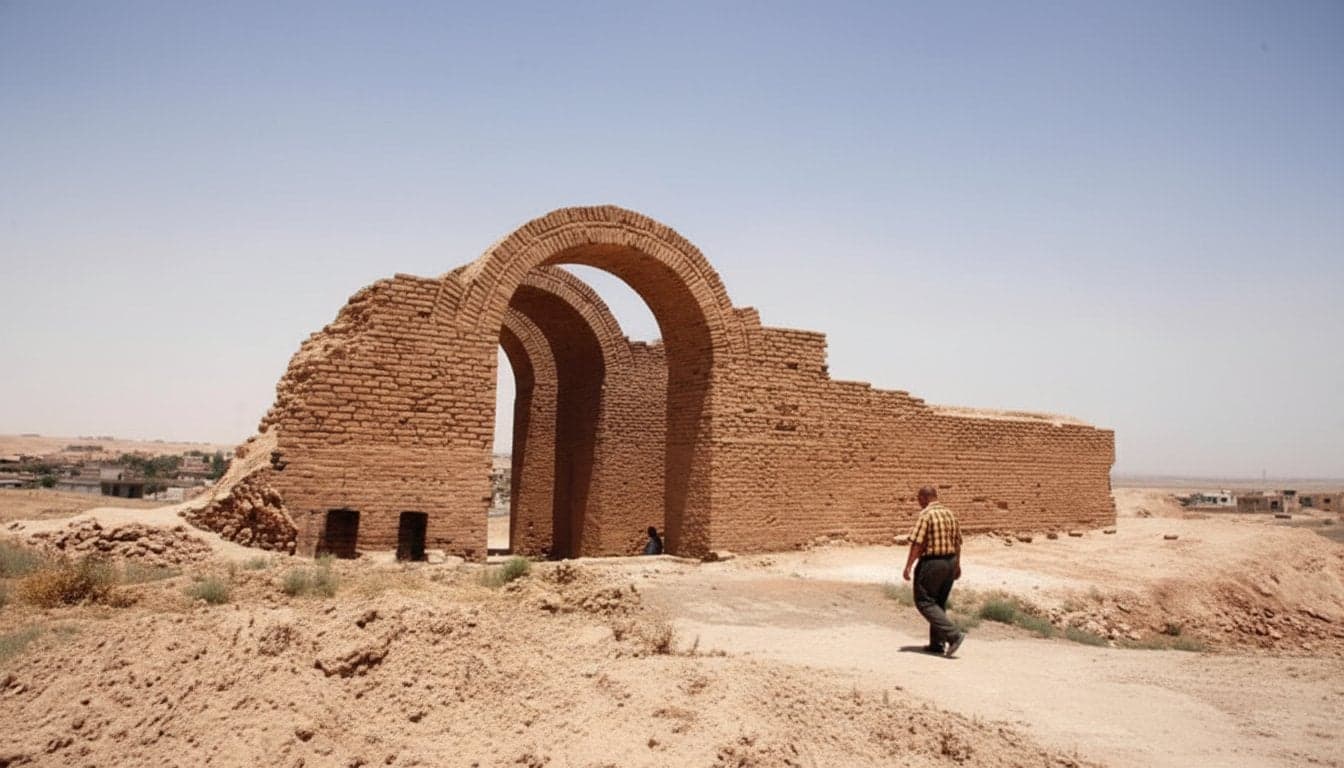
3. Eine Stadt voller Paläste und Tempel
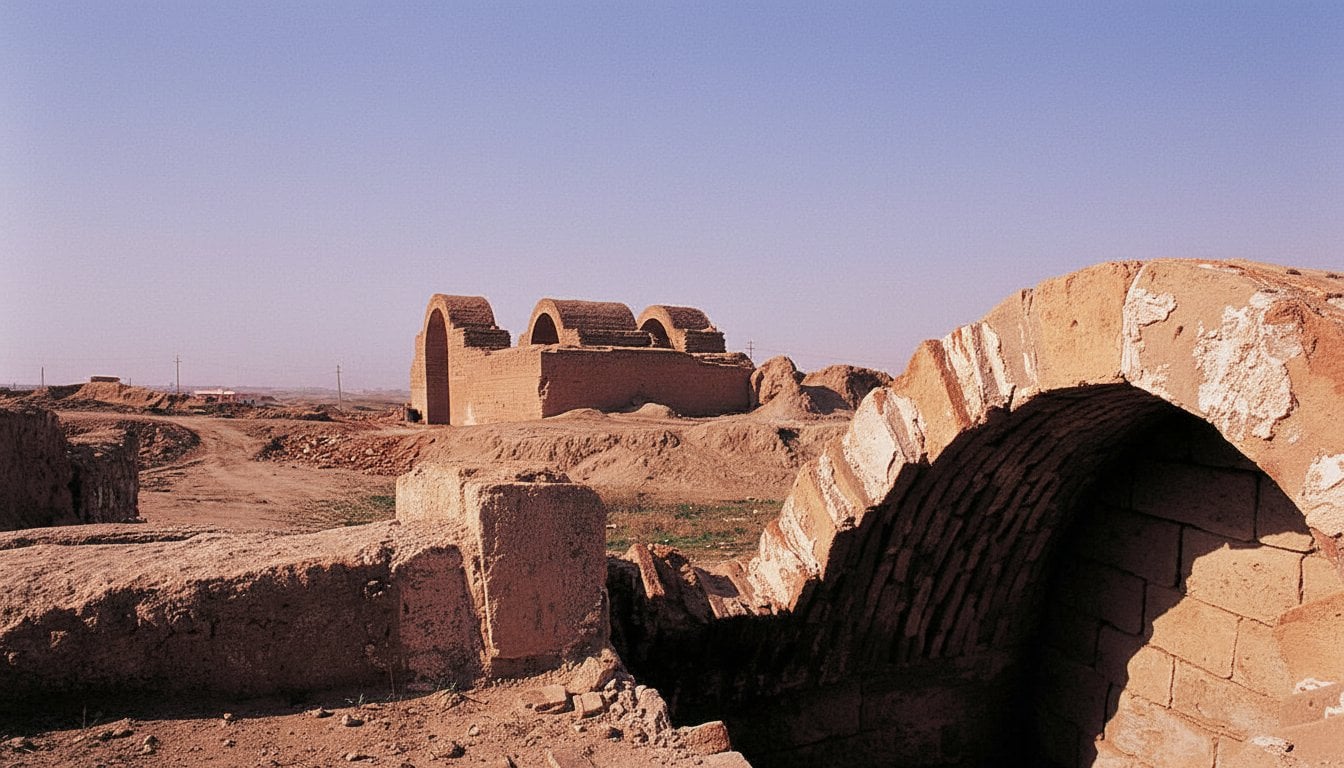
Die Stadt umfasste massive Mauern, Königspaläste, Bibliotheken und eine Sammlung weiterer wichtiger Tempel, wie den Doppeltempel von „Anu und Adad“. Sie diente als administratives und religiöses Zentrum, von dem aus die frühen Assyrer ihr weites Reich regierten.
Was sind die realen Gefahren, die einen Besuch in Ashur heute verhindern?
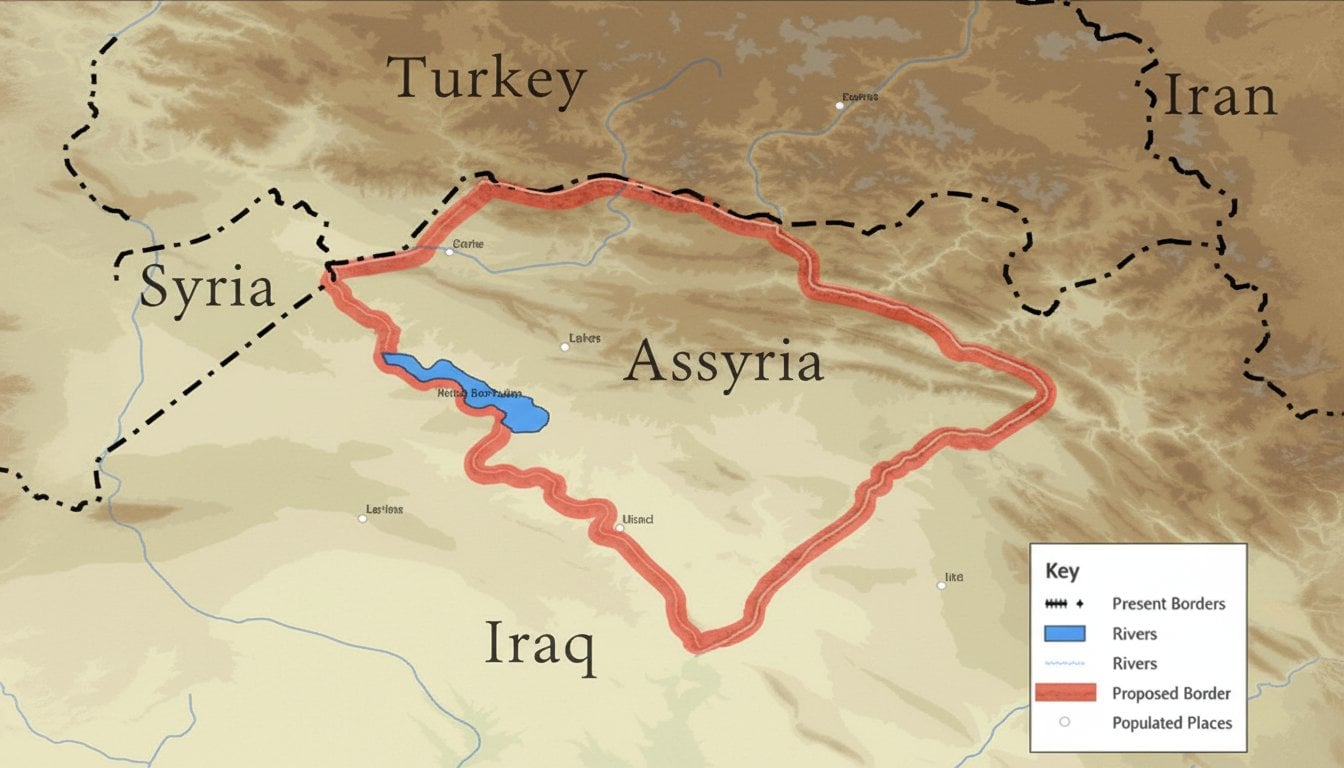
Es ist wichtig zu verstehen, dass die Situation in Ashur radikal anders ist als in Städten wie Bagdad oder Erbil. Qal'at Sherqat befindet sich im Gouvernement Salah ad-Din, einer Region, die sich sicherheitstechnisch noch nicht vollständig erholt hat.
| Risikoart | Details |
|---|---|
| Geografische Lage | Befindet sich laut den meisten internationalen Reisehinweisen in einer „roten Zone“, außerhalb der relativ sicheren Region Kurdistan. |
| Kriegsüberreste | Die Stätte war 2015 Sabotage und Zerstörung durch den IS ausgesetzt. Gefährlicher ist das Potenzial für nicht explodierte Kampfmittel (UXO) und Minen in und um die Stätte. |
| Fehlende Infrastruktur | Es gibt keine touristischen Dienstleistungen (Wachen, Tickets, markierte Wege). Die Stätte wurde seit Jahren nicht mehr von archäologischen Experten begutachtet, was bedeutet, dass der Zustand der Strukturen unbekannt und potenziell gefährlich ist. |
| Sicherheitslage | In der Region kommt es immer noch zu zeitweiligen Sicherheitsaktivitäten, was sie für ausländische oder sogar lokale Touristen ohne hochrangige Sicherheitskoordination völlig unsicher macht. |
Aus diesen Gründen organisieren weder Visit Iraq noch seriöse Reiseunternehmen derzeit Reisen nach Ashur, und wir raten dringend davon ab, zu versuchen, die Stätte unabhängig zu erreichen.
Was sagen maßgebliche Quellen über den Besuch von Ashur?
Da es keine „Besucher“ im traditionellen Sinne gibt, sind die nützlichsten „Bewertungen“ die Warnungen von Plattformen, die auf Reisen in Konfliktgebiete spezialisiert sind.
„Gefahr durch nicht explodierte Sprengkörper“
„Teile der archäologischen Stätte wurden Berichten zufolge 2015 von Terroristen zerstört. ... Besuchern wird dringend geraten, nicht von markierten Fußwegen abzuweichen, da die Gefahr von nicht explodierten Sprengkörpern besteht.“
— Wikivoyage (Der globale Reiseführer)
„Rote Zone“
„Die Sicherheitslage im Irak ist mit Ausnahme der Region Kurdistan immer noch mit einer ‚Reisewarnung der roten Zone‘ belegt. Die Stätte wird pro Jahr von knapp ‚tausend oder weniger‘ Besuchern besucht.“
— World Heritage Site
„Reisen Sie nicht in den Irak“
„Wir raten von Reisen in den Irak ab, da die Sicherheitslage instabil ist und die Gefahr von Terroranschlägen, bewaffneten Konflikten, Entführungen und Gewaltverbrechen besteht.“
— Reisehinweise der australischen Regierung (Smartraveller)
Häufig gestellte Fragen zu Ashur
Wann wird es sicher sein, Ashur zu besuchen?
Es gibt keinen klaren Zeitplan. Dies hängt von der vollständigen Stabilisierung der Sicherheitslage im Gouvernement Salah ad-Din, Entminungsbemühungen sowie der Schadensbegutachtung und Rehabilitation der Stätte ab. Dies könnte viele Jahre dauern.
Gibt es sichere Alternativen, um assyrische Architektur zu sehen?
Ja. Der beste Ort, um assyrische Kunst und Architektur sicher zu sehen, ist das Irak-Museum in Bagdad, das über ganze Säle verfügt, die assyrischen Altertümern gewidmet sind. Sie können auch die restaurierten Tore von Ninive in Mosul besuchen.
Gallery