A practical 48-hour itinerary for Sulaymaniyah covering verified museum timings, local transport from Erbil, Mount Goyzha sunsets, and Kurdish cultural heritage.
A weekend in Sulaymaniyah
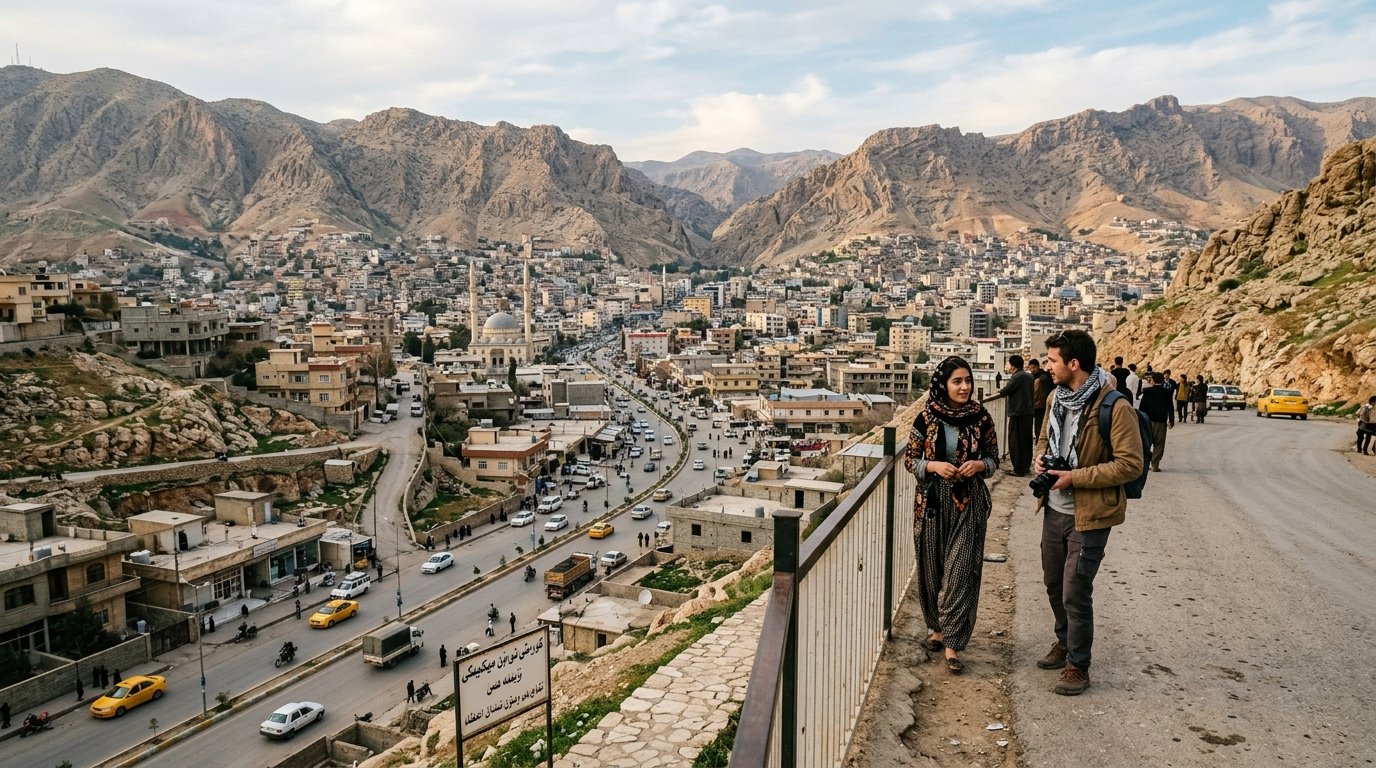
Sulaymaniyah—frequently known across Iraqi Kurdistan as Slemani—carries a different pulse from Erbil. While Erbil centres on its ancient citadel and commercial avenues, Sulaymaniyah is defined by intellectual debate, Kurdish literature, open public gathering places, and an amphitheatre of mountains rising directly above its skyline.
This practical weekend itinerary structures 48 hours around verified operational details, realistic transport options, and essential cultural landmarks.
Getting there and local transport
Regional connections
- From Erbil: The highway between Erbil and Sulaymaniyah spans approximately 198 kilometres. Shared taxis depart continuously from Erbil’s Sulaymaniyah Garage (Baghdad Garage area) once all four passenger seats fill. Shared seats cost between 15,000 and 20,000 IQD per passenger, while a private hire costs around 60,000 to 80,000 IQD. Travel time ranges from 2.5 to 3 hours depending on regional checkpoint queues.
- Flight arrivals: Jalal Talabani International Airport (ISU) sits roughly 15 kilometres outside the city centre. Airport taxis into central Sulaymaniyah operate on fixed or semi-negotiated fares, usually ranging between 20,000 and 30,000 IQD ($15–$25 USD).
Getting around the city
Local taxis handle most inner-city travel. Short trips across central neighbourhoods cost between 3,000 and 5,000 IQD ($2–$4 USD). While app-based rides like Careem operate intermittently, standard street taxis are abundant and quick to hail. Agree on fares beforehand when drivers do not use meters.
Friday: Arrival, historical gravity, and evening panoramas
Morning: Amna Suraka (The Red Security Museum)
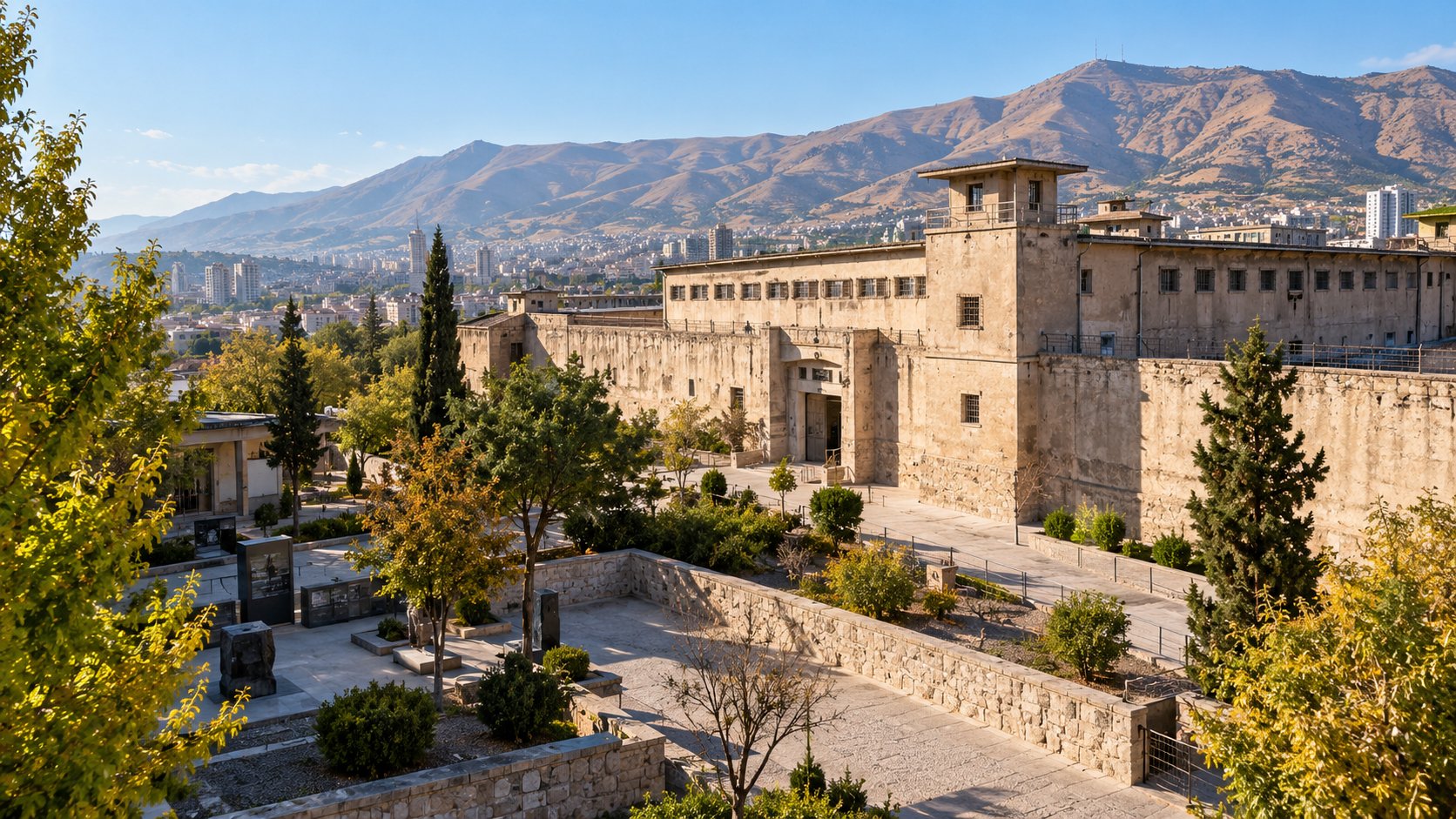
Begin your Friday at Amna Suraka ("Red Security" in Kurdish), located in the northern Goizha district. Once the regional headquarters of the Ba'athist General Security Directorate, the complex served as a detention and interrogation centre until its liberation during the Kurdish uprising in March 1991.
Rather than razing the site, the Kurdistan Regional Government left the compound structurally intact, complete with bullet marks and mortar damage. Key sections include:
- The Hall of Mirrors: A memorial lined with approximately 182,000 shards of broken mirror—each shard honoring an individual killed during the Anfal campaign—illuminated by 4,500 hanging bulbs marking destroyed Kurdish villages.
- The Prison Wings: Preserved interrogation rooms, solitary confinement blocks, and communal cells that retain inscriptions and calendars carved into plaster by detainees.
- Courtyard Exhibits: Captured Soviet-era Iraqi military hardware, including T-55 tanks and anti-aircraft weaponry.
Visiting details: Admission is free. While government offices close on Fridays, Amna Suraka commonly admits visitors across weekend mornings. Verify opening hours at your hotel reception for public holiday adjustments. Budget 1.5 to 2 hours.
Afternoon: Central market and traditional lunch
Head south into the historic heart of Sulaymaniyah around the Grand Mosque. Explore the lanes of Sulaymaniyah Grand Bazaar (Qaysari), an energetic covered market selling Kurdish spices, sumac, wild mountain pistachios, dried fruits, textiles, and handcrafted tailoring.
For lunch, sample regional charcoal-grilled kebabs and fresh flatbread from longstanding grill houses tucked along Mawlawi Street and inside the bazaar lanes. Follow lunch with cardamom-infused Kurdish black tea at a traditional local tea house (Chaikhana).
Late afternoon to sunset: Mount Goyzha (Goizha)
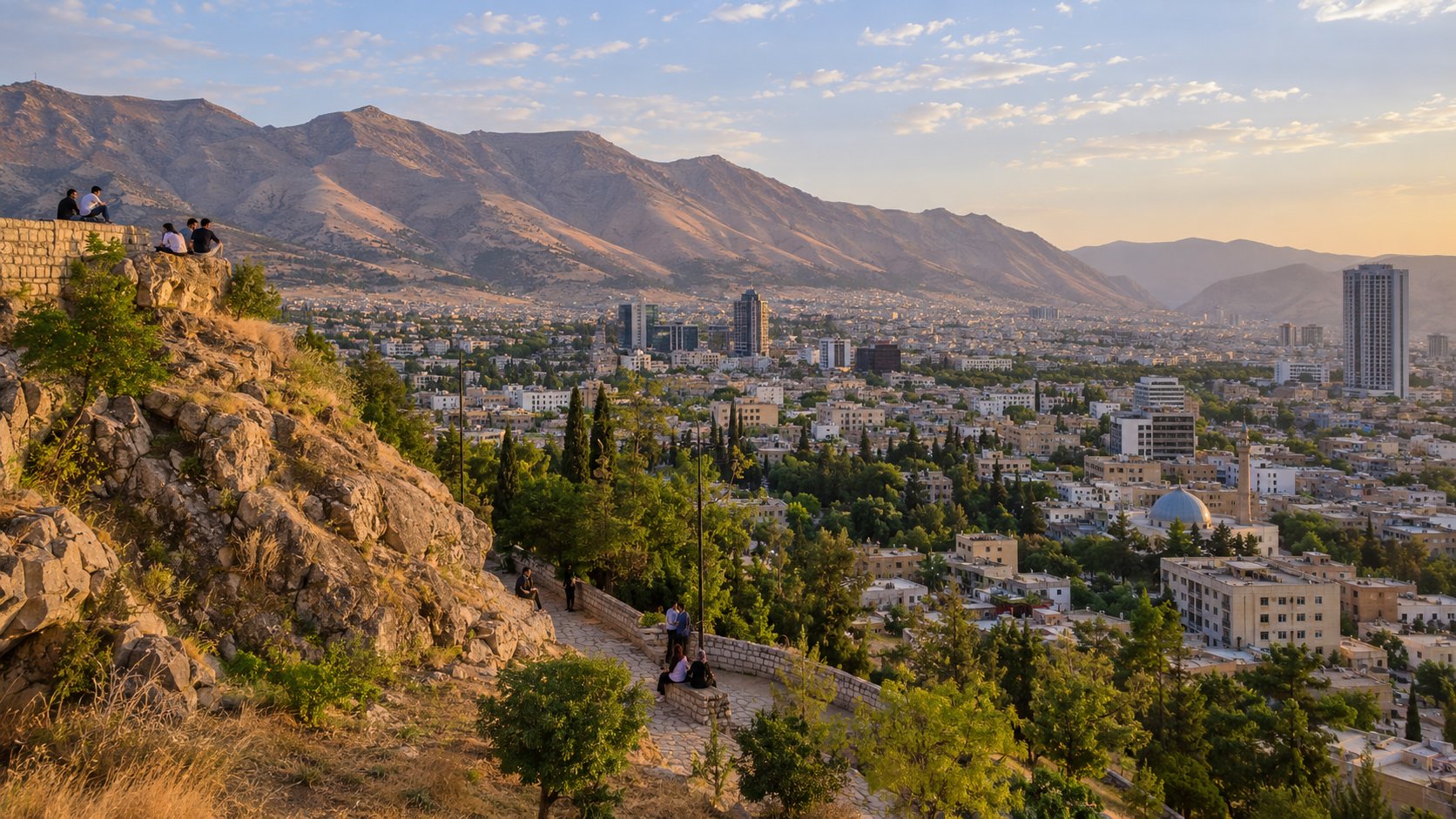
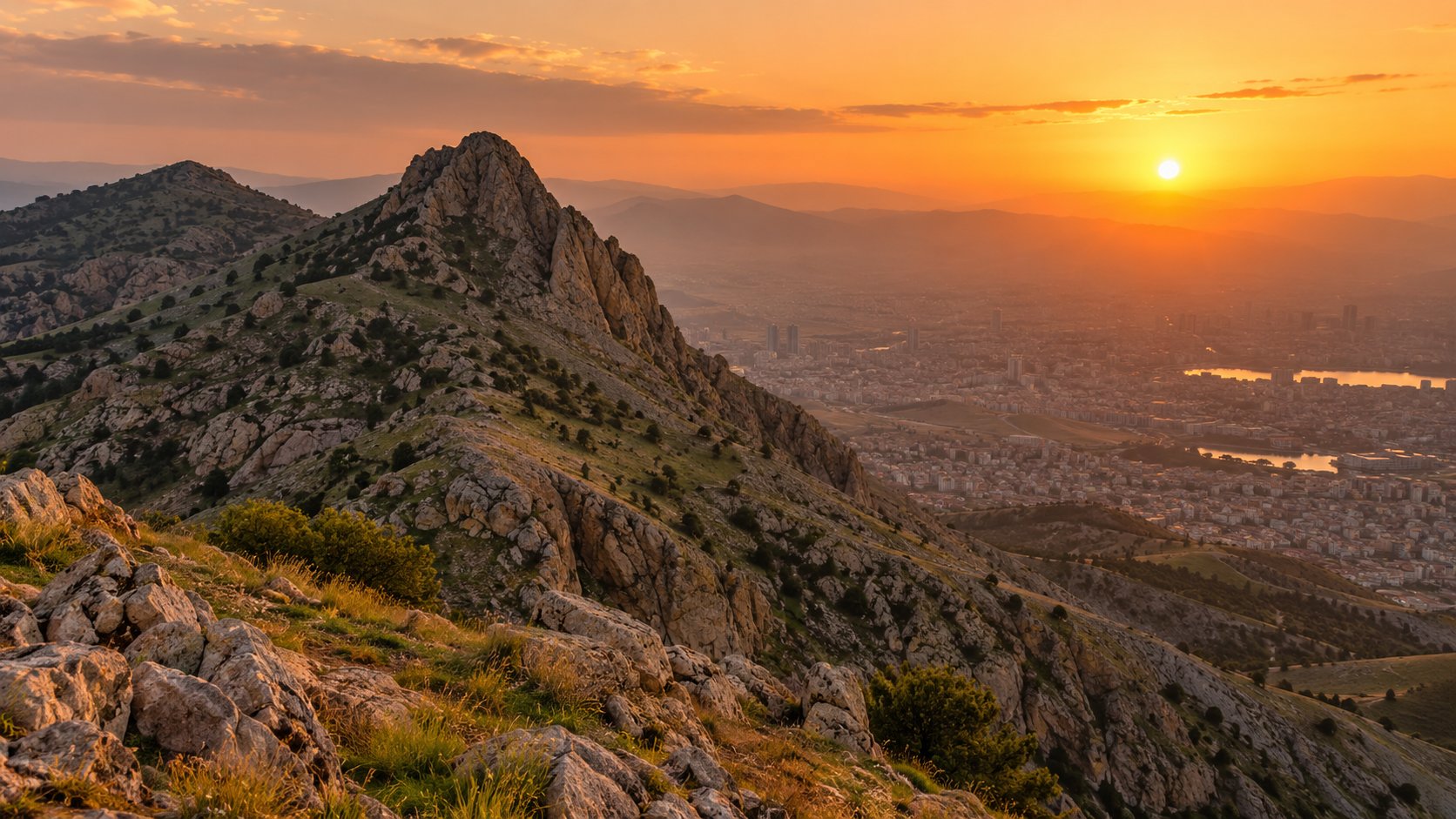
As the afternoon cools, take a taxi up the winding road ascending Mount Goyzha (also spelled Goizha or Azmar range). Rising directly along the northeastern rim of the city, Goyzha is the focal point of Sulaymaniyah's social life at dusk.
Vendors set up plastic chairs along the scenic rim, serving freshly brewed sweet tea in tulip glasses, grilled corn, and roasted seeds. Watching the sunset cast shadows across the Zagros mountains while city lights illuminate the valley below offers a clear perspective on Slemani's geography.
Saturday: Ancient Mesopotamian roots and café culture
Morning: The Slemani Museum (Sulaymaniyah Museum)
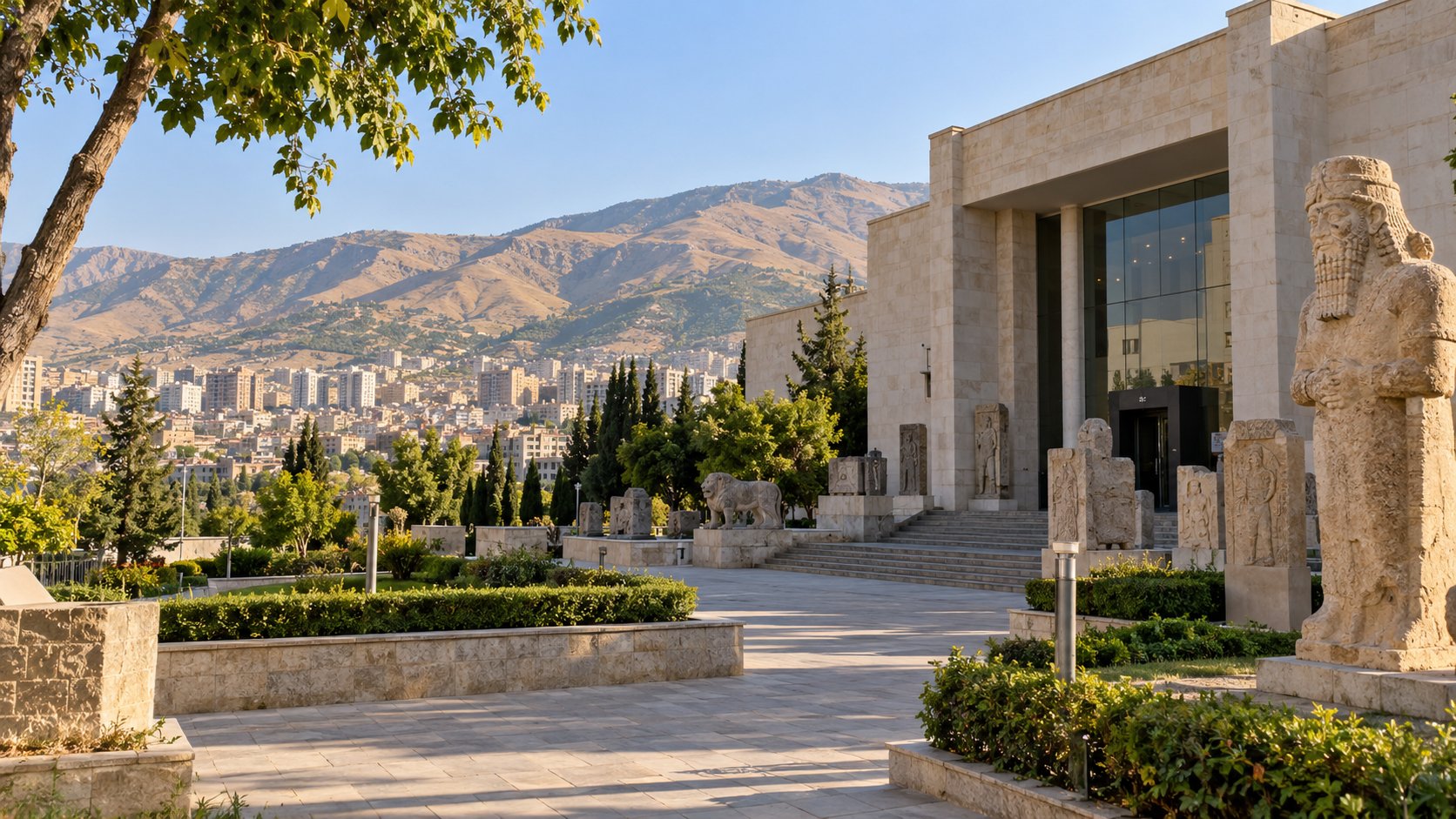
Begin Saturday morning considering opening schedules: The Slemani Museum, situated along Salim Street, is the second-largest archaeological museum in Iraq after the National Museum in Baghdad, established in 1961.
The museum curates millennia of continuous Mesopotamian and Zagros settlement, ranging from Paleolithic flint tools to Neolithic pottery from Jarmo, Urartian bronze work, Old Babylonian administrative tablets, and Neo-Assyrian cylinder seals. The collection also holds inscribed Paikuli stone blocks from the Sasanian era.
Verified opening arrangements:
- Operating schedule: Open Sunday through Thursday, 9:00 AM to 1:00 PM.
- Weekend note: The museum observes standard government institutional hours and is closed on Fridays and Saturdays. If your weekend visit includes Sunday morning or starts on Thursday, schedule the galleries during those open mornings. If you travel strictly across Friday and Saturday, explore Azadi Park and literary sites during this time window instead.
- Admission: Free of charge.
Midday: Azadi Park and literary heritage
Walk or ride to Azadi Park ("Freedom Park"), an expansive public green space transformed from a former military garrison into gardens, rose beds, and walking paths.
Sulaymaniyah is recognized as a UNESCO City of Literature, honouring poets such as Nalî, Mahwi, Piramerd, and Abdulla Goran. Azadi Park houses monuments and memorials to literary pioneers, offering an open window into modern civic pride.
Evening: Salim Street and dining
Spend your final evening walking down Salim Street (Shara Salim), the lively modern spine of the city. Lined with independent bookshops, art venues, modern bakeries, and cafes, Salim Street fills with pedestrians after dark.
Dine on classic Kurdish dishes—such as qozy (slow-braised lamb on spiced rice), dolma (stuffed vegetables with sour pomegranate syrup), and bamiya (okra stew)—before picking up fresh manna (Kurdish gaz nougat) from sweet vendors near the square.
Practical weekend travel checklist
- Currency and payments: Cash is strictly required. ATMs accepting international debit or credit cards (Visa/Mastercard) exist at select international hotel chains, but local restaurants, markets, and taxis deal solely in Iraqi Dinar (IQD). Carry sufficient physical banknotes.
- KRG entry permissions: Visitors entering Iraqi Kurdistan through Jalal Talabani International Airport or Erbil International Airport receive a dedicated KRG electronic visa or visa-on-arrival (100,000 IQD for eligible passports). Keep your passport and stamped visa slip accessible at all highway checkpoints between provinces.
- Appropriate etiquette: Casual and respectful clothing is standard across Slemani. When visiting solemn sites like Amna Suraka, modest attire covering shoulders and knees is appropriate.
Sources
- Slemani Museum Official Portal, Welcome to the Slemani Museum, accessed March 2026.
- Slemani Museum, Amna Suraka: Sulaymaniyah's Red Museum Explained, accessed March 2026.
- Visit Iraq, Amna Suraka - Red Museum Profile and Visitor Information, accessed March 2026.
- KurdOff Travel, Amna Suraka Museum (Red Security), Sulaymaniyah Visitor Guide, accessed March 2026.
- Iraq Tourism Guide, Sulaymaniyah Travel Guide: What to See & Know, accessed March 2026.
❓Frequently Asked Questions
Here are answers to frequently asked questions about the content above
The Slemani Museum is open Sunday through Thursday from 9:00 AM to 1:00 PM and is closed on Fridays and Saturdays. General admission to the archaeological galleries is free.
Admission to Amna Suraka is free to the public. The site generally operates six days a week from 9:00 AM to 5:00 PM, though visiting hours around Fridays and national holidays should be re-verified locally.
Shared taxis operate between Erbil's Sulaymaniyah Garage and central Sulaymaniyah, costing between 15,000 and 20,000 IQD per seat. Private car hire costs approximately 60,000 to 80,000 IQD, with travel time taking about 2.5 to 3 hours.
Jalal Talabani International Airport sits approximately 15 kilometres outside the city centre. Official airport taxis into central hotels cost between 20,000 and 30,000 IQD ($15–$25 USD) and take 20 to 25 minutes.
Credit and debit cards are rarely accepted in Sulaymaniyah outside major international hotels. Cash in Iraqi Dinar (IQD) is essential for taxis, bazaars, cafes, and restaurants.
Designated a UNESCO City of Literature, Sulaymaniyah has historically served as the epicenter of Kurdish poetry, independent publishing, fine arts, and cinema, fostered by icons like Nalî, Goran, and Sherko Bekas.