A cautious two-week route linking Iraqi Kurdistan, Baghdad and the south, with practical advice on flights, checkpoints and changing conditions.
A 14-day Iraq itinerary: Kurdistan, Baghdad and the south
Fourteen days can connect Iraqi Kurdistan with Baghdad and the south, but this is not a route to improvise. Security advice can change quickly, and several governments advise against travel to parts of Iraq or all but essential travel to others. Read your own government's current advice before you book. If it advises against a place or journey on this route, leave it out. No itinerary is worth overriding that warning.
This plan uses a local operator and driver for ground travel, with a flight between Erbil and Baghdad if a suitable service is operating. That avoids treating the long road between the regions as a routine transfer. The British government's Iraq advice warns of serious security risks and says the situation can change at short notice. Its road safety guidance notes that road travel is dangerous, checkpoints are common, and fake checkpoints have been used in attacks.
Before you set out
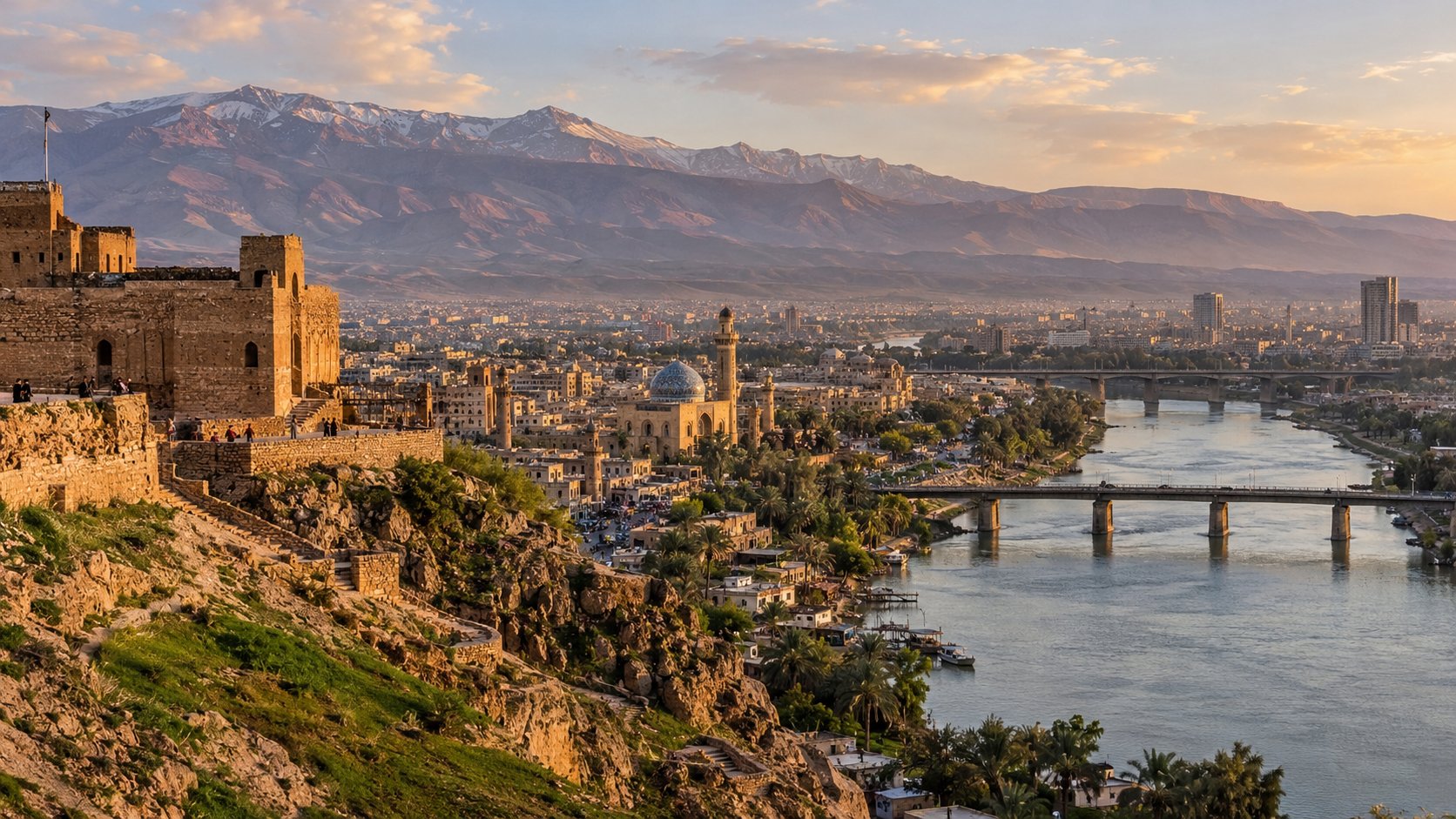
Check entry rules for your nationality and the exact regions you plan to visit. Visa arrangements for federal Iraq and the Kurdistan Region are not interchangeable. The UK government's entry requirements page describes separate visa processes for Iraq and the Kurdistan Region for British passport holders. Rules change, so confirm them with official portals and your airline before departure.
Book a licensed local guide or established operator before committing to hotels and transport. Ask who will check road conditions, arrange permissions, and decide whether to cancel or reroute. Keep your passport with you: authorities may check identification at checkpoints. Keep a flexible day in the schedule, avoid photographing security sites, and do not travel after dark unless your operator has confirmed it is appropriate.
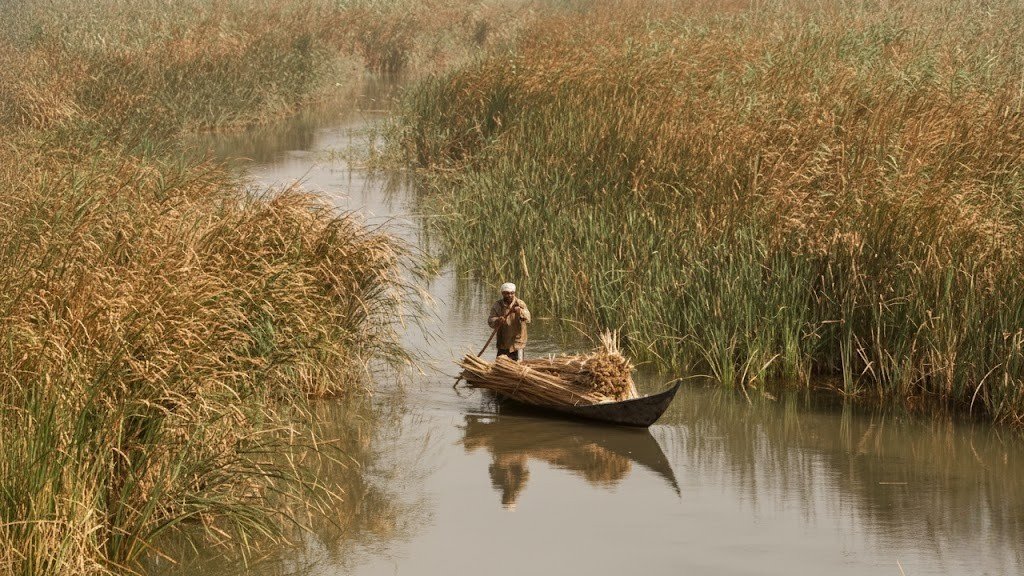
This route leaves out Samarra, Mosul, Hatra, and the marshes. They are worthwhile destinations, but adding them creates more long road transfers and security decisions than this two-week plan needs. A published nine-day operator itinerary shows the scale of the Baghdad-to-Erbil loop and includes those northern sites. Use it as evidence of distance and pacing, not as a guarantee that any leg is currently safe or open.
Days 1–4: Erbil and Iraqi Kurdistan
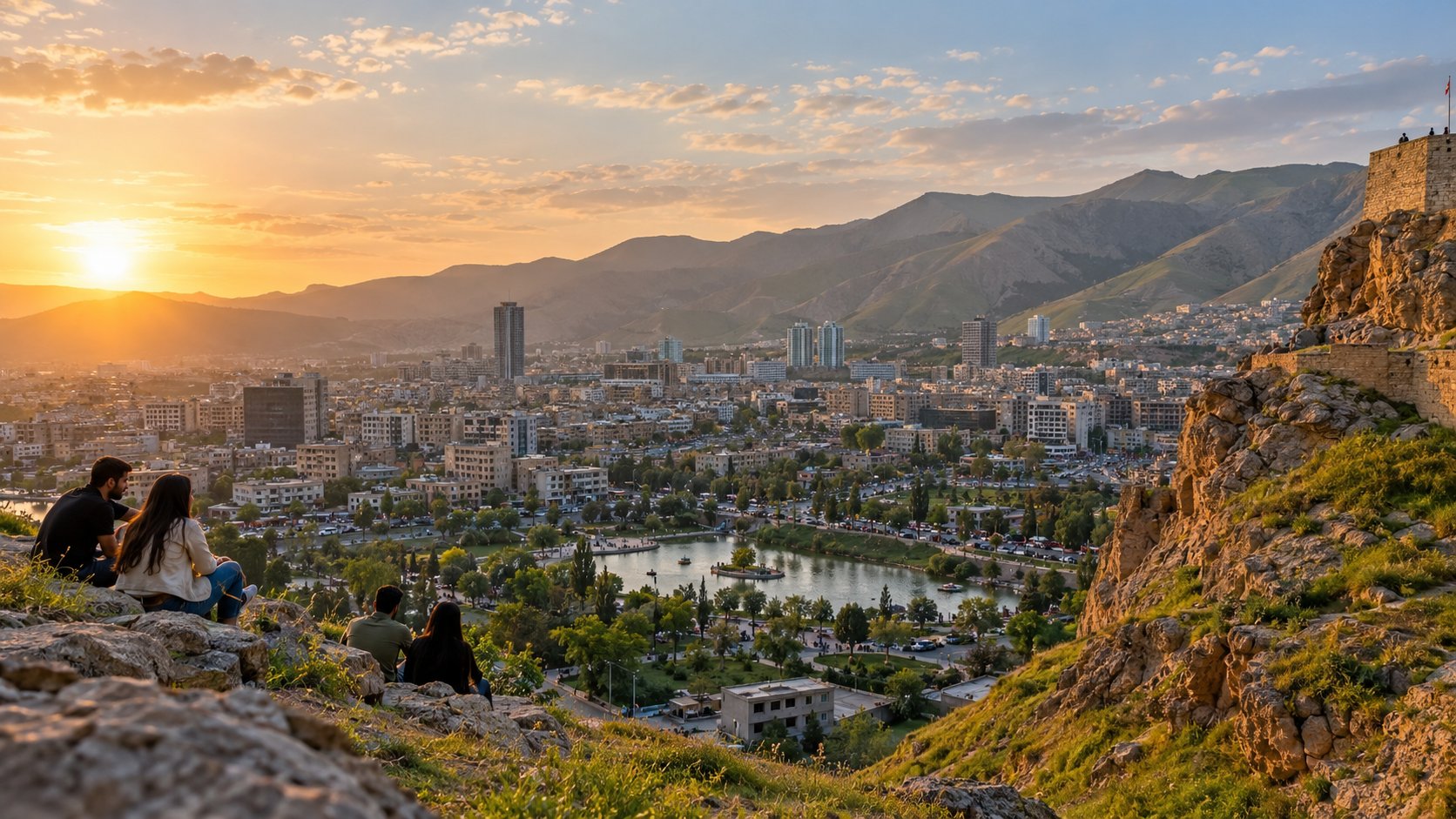
Day 1: Arrive in Erbil. Keep the first day light. Check in, meet your local contact, and confirm the next day's plan. If you feel well, walk around the Citadel and the bazaar below it. Check access and opening arrangements locally rather than assuming every building is open.
Day 2: Erbil. Spend the day in the city. Visit the Citadel at a relaxed pace, then leave time for the bazaar and nearby streets. Ask before photographing people, shops, or official buildings. Your guide can advise on current access and local customs.
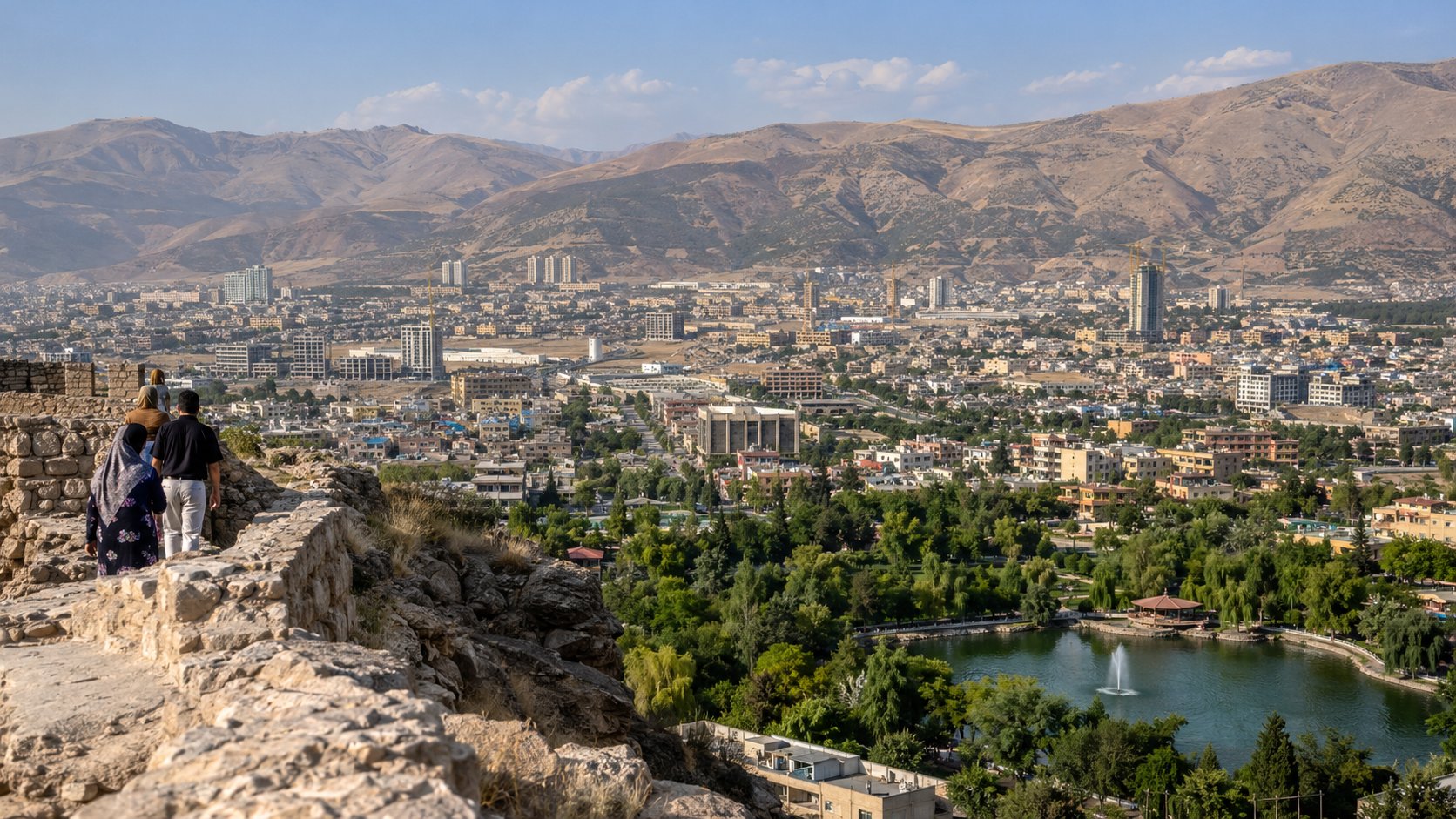
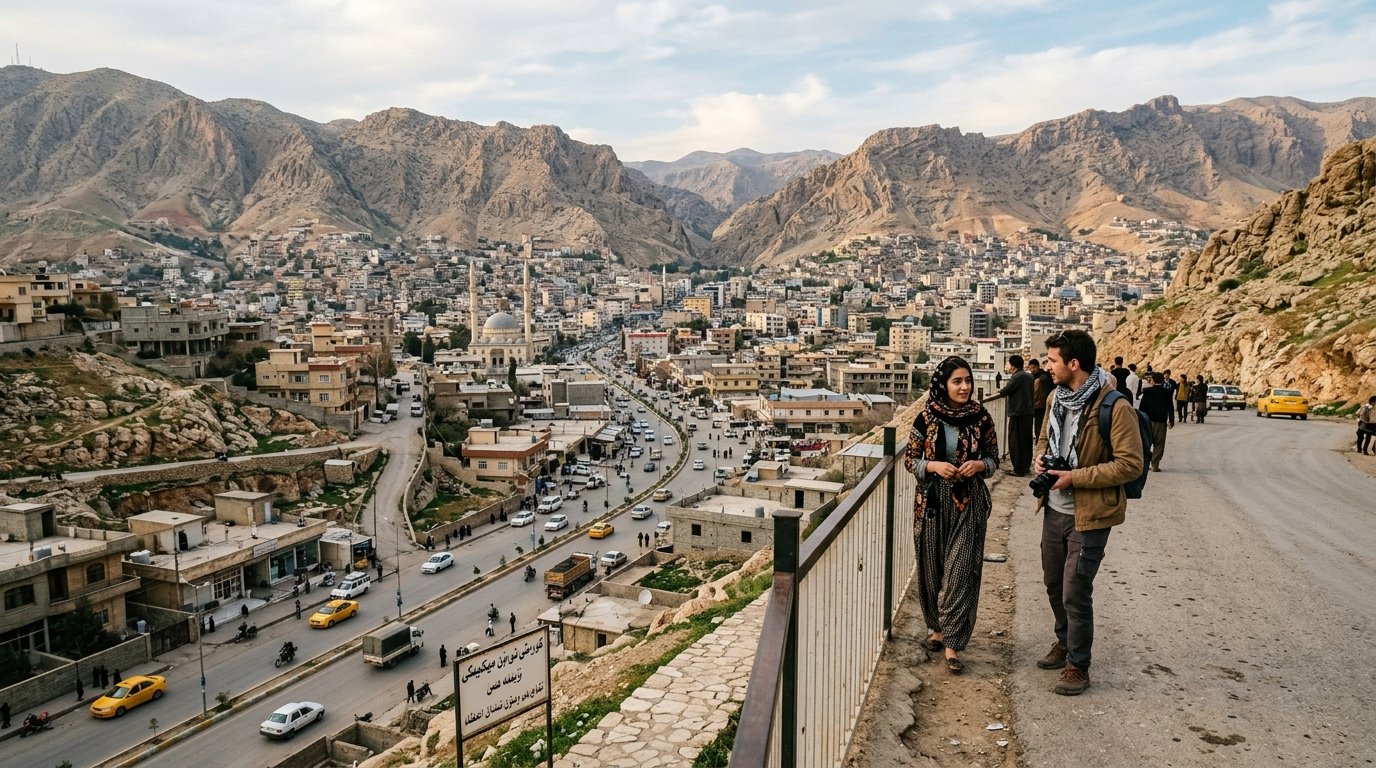
Day 3: Sulaymaniyah, only if conditions allow. Travel with a driver arranged by your operator. The road journey takes several hours, and checkpoints or traffic can add time. Visit the city and its museum if open, then stay overnight. If the road is not suitable, spend another day in Erbil instead.
Day 4: Sulaymaniyah and return to Erbil. Keep this day flexible. If you stayed in Erbil, use it for a second city day or a nearby excursion cleared by your guide. Return to Erbil early enough to prepare for the next leg. Do not add a remote detour just to fill the day.
Day 5: Fly to Baghdad
Take a direct flight from Erbil to Baghdad only if it is operating and your security contact approves the plan. Confirm the flight again on the day. If no suitable flight is available, do not assume the road is a safe substitute. Rework the itinerary or postpone the crossing.
After arrival, use prearranged transport to your hotel. Keep your passport accessible and follow instructions at checkpoints. Avoid discussing sensitive subjects with strangers, and do not photograph security personnel or installations.
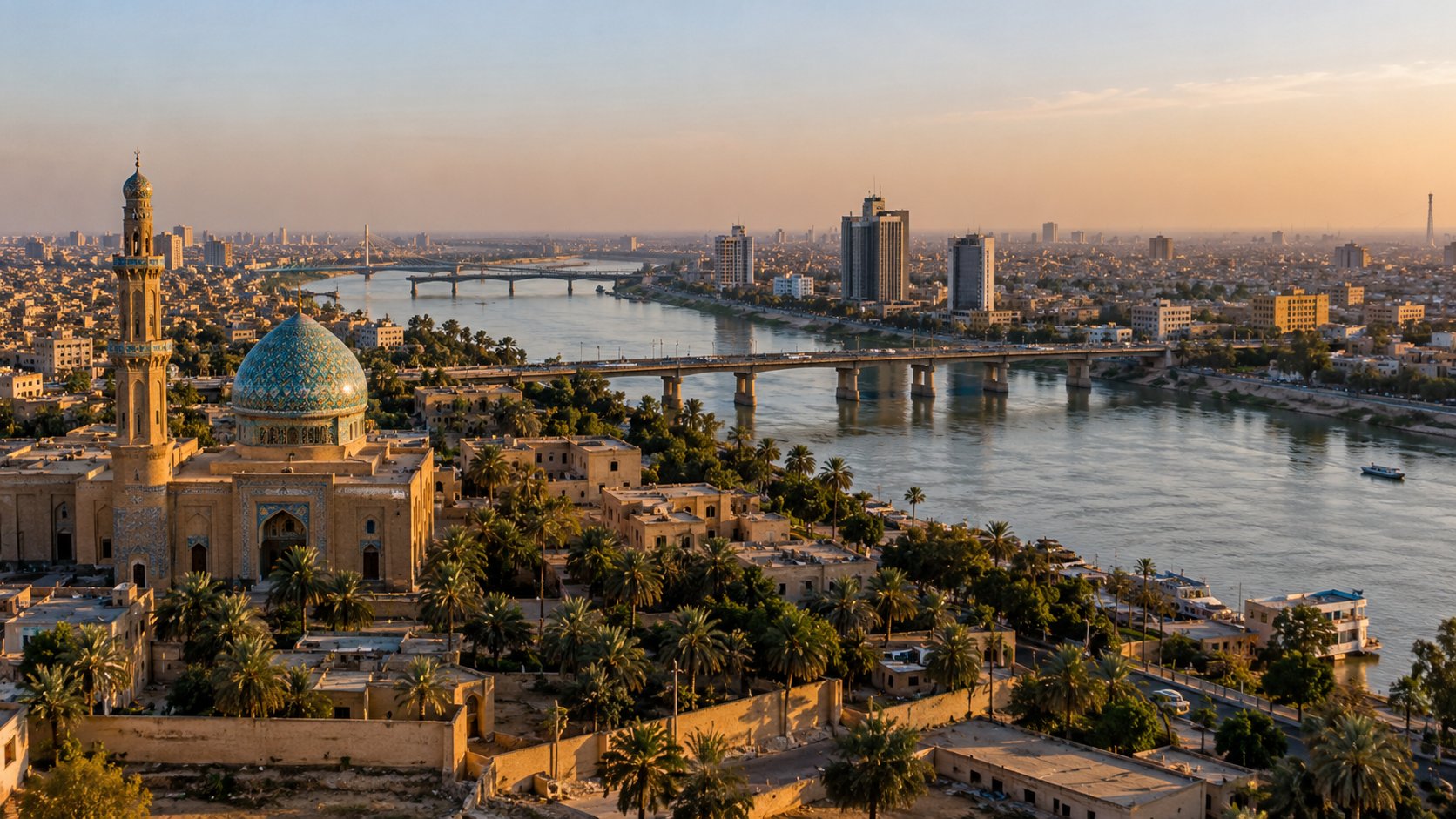
Days 6–7: Baghdad
Day 6: Old Baghdad. Walk through Mutanabbi Street and the book market, then explore the old city with a local guide. Give yourself time for tea and a meal rather than trying to cross the city repeatedly. Access to some areas can depend on security arrangements.
Day 7: Museums and landmarks. Visit the Iraq Museum if it is open, and choose one or two city landmarks your guide confirms are accessible. Museum schedules and site access can change. Make this a short list, not a race between distant stops.
Day 8: Babylon and Karbala
Travel from Baghdad to Babylon with a local driver, then continue to Karbala if your operator confirms the route is suitable. Babylon is an archaeological site near the modern city of Hillah. Allow time for site access and checks; do not rely on an unverified opening schedule. In Karbala, dress modestly and follow shrine rules. Non-Muslim visitor access and photography rules can vary, so ask before entering or taking pictures.
If officials or your operator advise against the road or a site visit, stay in Baghdad. Do not try to negotiate your way through a checkpoint.
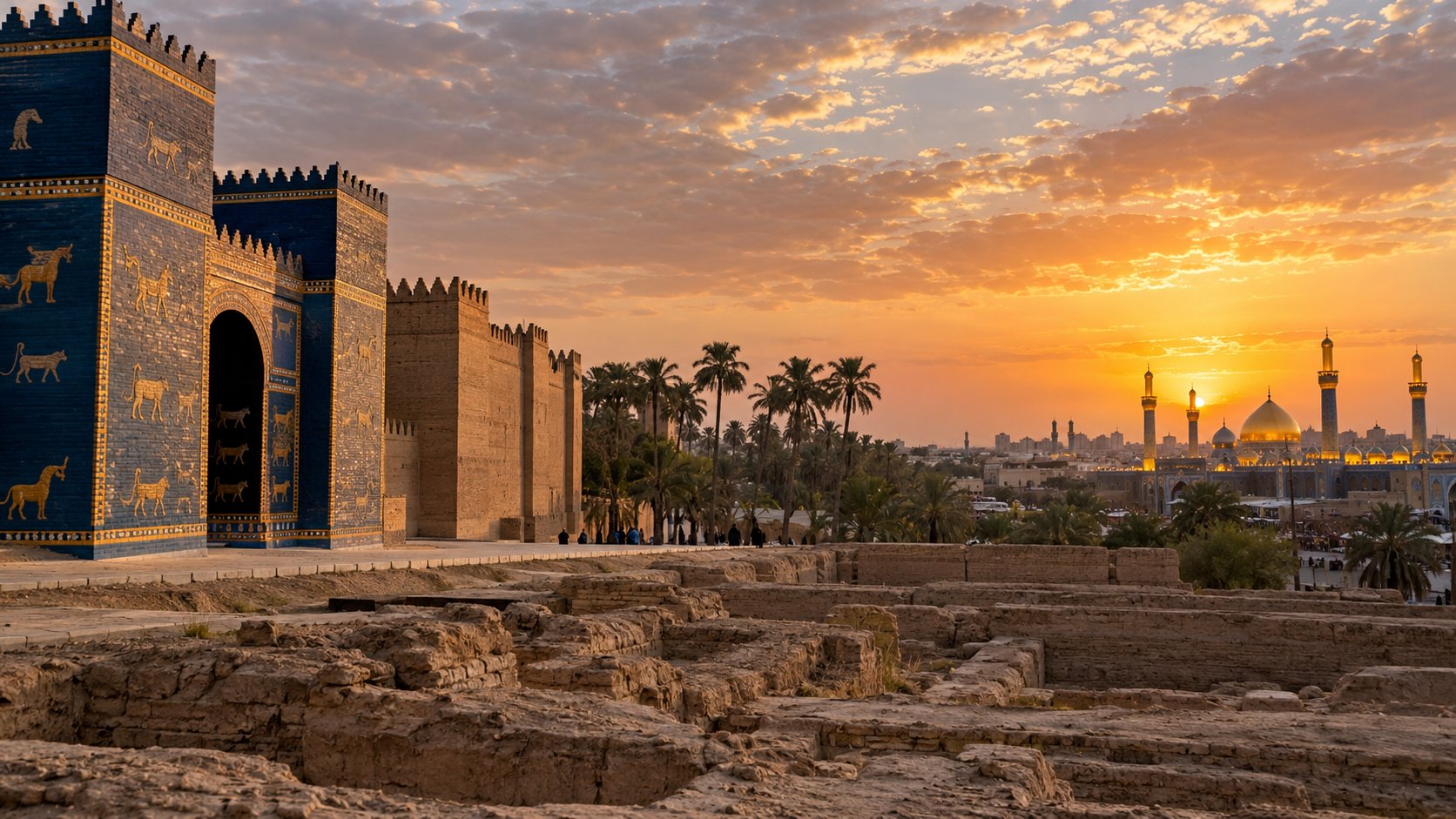
Day 9: Karbala to Najaf
Make the short transfer to Najaf with your driver. Visit the old city and the area around the Imam Ali Shrine only in line with current local rules. Religious sites can be crowded, particularly during major observances. Keep valuables secure and agree on a meeting point with your guide before entering busy areas.
Days 10–11: Ur and Nasiriyah
Day 10: Najaf to Nasiriyah. This is a long road day. Start early, use the route approved by your driver, and make no unscheduled stops. If the journey is not advisable, stay in Najaf and remove the southern leg rather than pressing on.
Day 11: Ur. Visit the archaeological site of Ur with a guide, subject to access and security. The ziggurat is the best-known landmark, but site conditions and opening arrangements can change. Return to Nasiriyah for the night.
Days 12–13: Basra
Day 12: Travel to Basra. Continue by road only after your operator checks current conditions and confirms the route. Keep the day for the transfer. Do not add a marsh excursion on arrival.
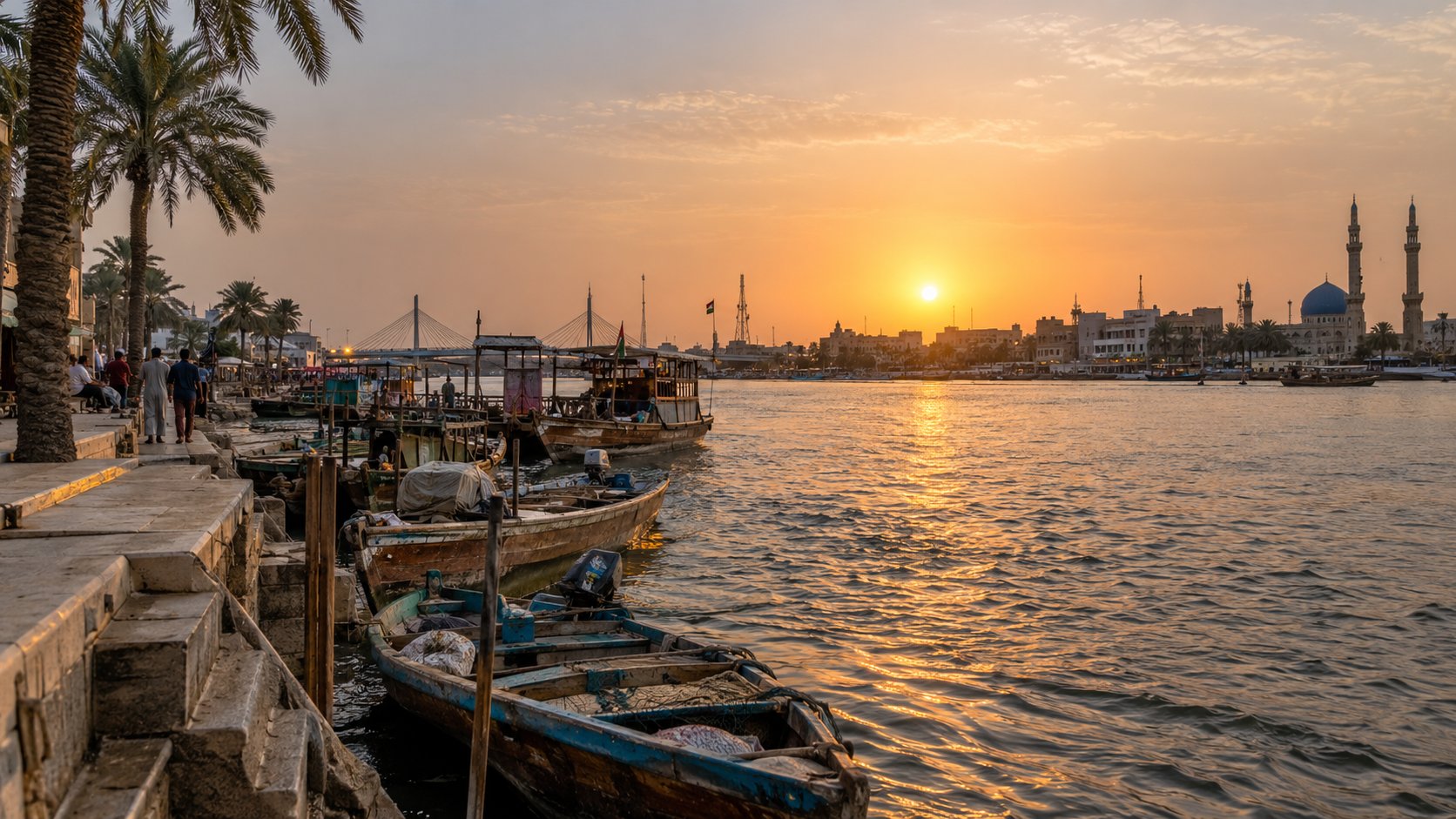
Day 13: Basra. Explore the city with your guide. Ask locally about suitable neighborhoods, boat trips, and any restrictions before setting out. If a proposed excursion requires a long drive or travel near sensitive infrastructure, skip it.
Day 14: Depart
Use a confirmed flight from Basra or return to Baghdad only if your operator and current advice support that plan. Leave enough time for delays and airport procedures. If the only workable departure requires a risky road transfer, change your flight or shorten the itinerary. Build your departure around safe transport, not the other way around.
Checkpoints and changes of plan
There is no shortcut for checkpoint procedures. Carry your passport, answer questions calmly, and let your driver handle local procedures. Do not photograph checkpoints, police, military sites, or other sensitive infrastructure. If an official asks to see or hold your passport, ask your driver to clarify the procedure. Do not offer unofficial payments.
Check the route with your operator again each morning. Leave room for a site to close, a flight to change, or a road journey to be cancelled. The itinerary is a sequence of options, not a promise that every leg will run. The FCDO advises travellers to keep up with local news, arrange secure transport and accommodation, and have contingency plans. Follow the travel advice issued by your own government, which may differ by nationality.
FAQs
Sources
- UK Foreign, Commonwealth & Development Office, Iraq travel advice, accessed 20 October 2026.
- UK Foreign, Commonwealth & Development Office, Safety and security: Iraq travel advice, accessed 20 October 2026.
- UK Foreign, Commonwealth & Development Office, Entry requirements: Iraq travel advice, accessed 20 October 2026.
- Untamed Borders, Iraq – Cradle of Civilisation route itinerary, accessed 20 October 2026.
❓Frequently Asked Questions
Here are answers to frequently asked questions about the content above
Yes, if you limit the route to Erbil, Sulaymaniyah, Baghdad, Babylon, Karbala, Najaf, Ur, Nasiriyah, and Basra. The schedule is tight and depends on safe transport and site access. Skip destinations when current advice or local conditions call for it.
Do not treat the road as a routine transfer. Check current official advice and have a local security contact assess the route. This itinerary suggests a flight only if a suitable service operates and the journey is approved. If not, postpone or change the route.
Visa requirements depend on your nationality and can change. The UK entry guidance describes separate processes for federal Iraq and the Kurdistan Region for British passport holders. Verify your own requirements through official portals before booking.
Carry your passport, cooperate with officials, and let your local driver manage the route and procedures. Do not photograph checkpoints or security sites. Check road conditions with your operator each day, and do not continue if the route is not approved.
No. It leaves those areas out to reduce long transfers and avoid adding more security-sensitive legs. Add them only after checking current travel advice, access, and transport with a reputable local operator.
Follow your operator's safety advice and current government travel guidance. Stay in a suitable location, remove the affected stop, or change your departure plan. Do not substitute an unapproved road journey just to keep the itinerary on schedule.