Iraq's alcohol regulations split sharply between Federal Iraq and the Kurdistan Region. While Erbil and Sulaymaniyah have open bars and licensed dining, central and southern provinces enforce strict bans on import and sale, with total prohibitions across holy shrine cities.
Alcohol Laws and Nightlife in Iraq: Hotel Bars, Dry Cities, and Social Etiquette
Excerpt: Iraq's alcohol regulations split sharply between Federal Iraq and the Kurdistan Region. While Erbil and Sulaymaniyah have open bars and licensed dining, central and southern provinces enforce strict bans on import and sale, with total prohibitions across holy shrine cities.
Meta Description: Iraq alcohol laws, nightlife in Erbil and Baghdad, dry holy cities, purchasing rules, and legal advice for international travelers.
Is alcohol legal in Iraq?
Alcohol law in Iraq splits into two distinct legal systems depending on whether you are in Federal Iraq or the Kurdistan Region of Iraq (KRI). In Federal Iraq, the law bans the import, manufacture, and commercial sale of alcoholic beverages. In the Kurdistan Region, alcohol remains legal, regulated, and sold openly in shops, hotels, and restaurants.
The federal prohibition stems from Article 14 of Municipal Revenues Law No. 1 of 2023. Parliament originally passed the text in October 2016, but left it dormant until publishing it in the Iraqi Gazette on February 20, 2023, as documented by Al-Monitor. The statute levies fines between 10 million and 25 million Iraqi dinars (roughly $7,600 to $19,000 USD) on anyone who imports, produces, or sells alcoholic beverages.
Christian and Yazidi lawmakers filed thirteen constitutional challenges to protect minority business owners and civil liberties, but Iraq's Federal Supreme Court dismissed every appeal on August 27, 2023, making the statute final. In November 2024, federal authorities expanded enforcement to tourist hotels and private social clubs across Baghdad and federal provinces, according to legal summaries from Iraq Tourism Guide and reporting by Shafaq News.
The Kurdistan Regional Government (KRG) did not adopt the federal prohibition. Because the KRG controls its own borders with Turkey and Iran and exercises separate legislative power, Erbil, Sulaymaniyah, and Duhok maintain an open market with licensed distributors, supermarkets, liquor shops, and hospitality venues.
How does the Kurdistan Region differ from Federal Iraq?
The Kurdistan Region operates an open, licensed market for alcoholic drinks, standing in sharp contrast to the restrictions across federal provinces. Moving between the two jurisdictions brings an immediate shift in availability, policing, and social norms.
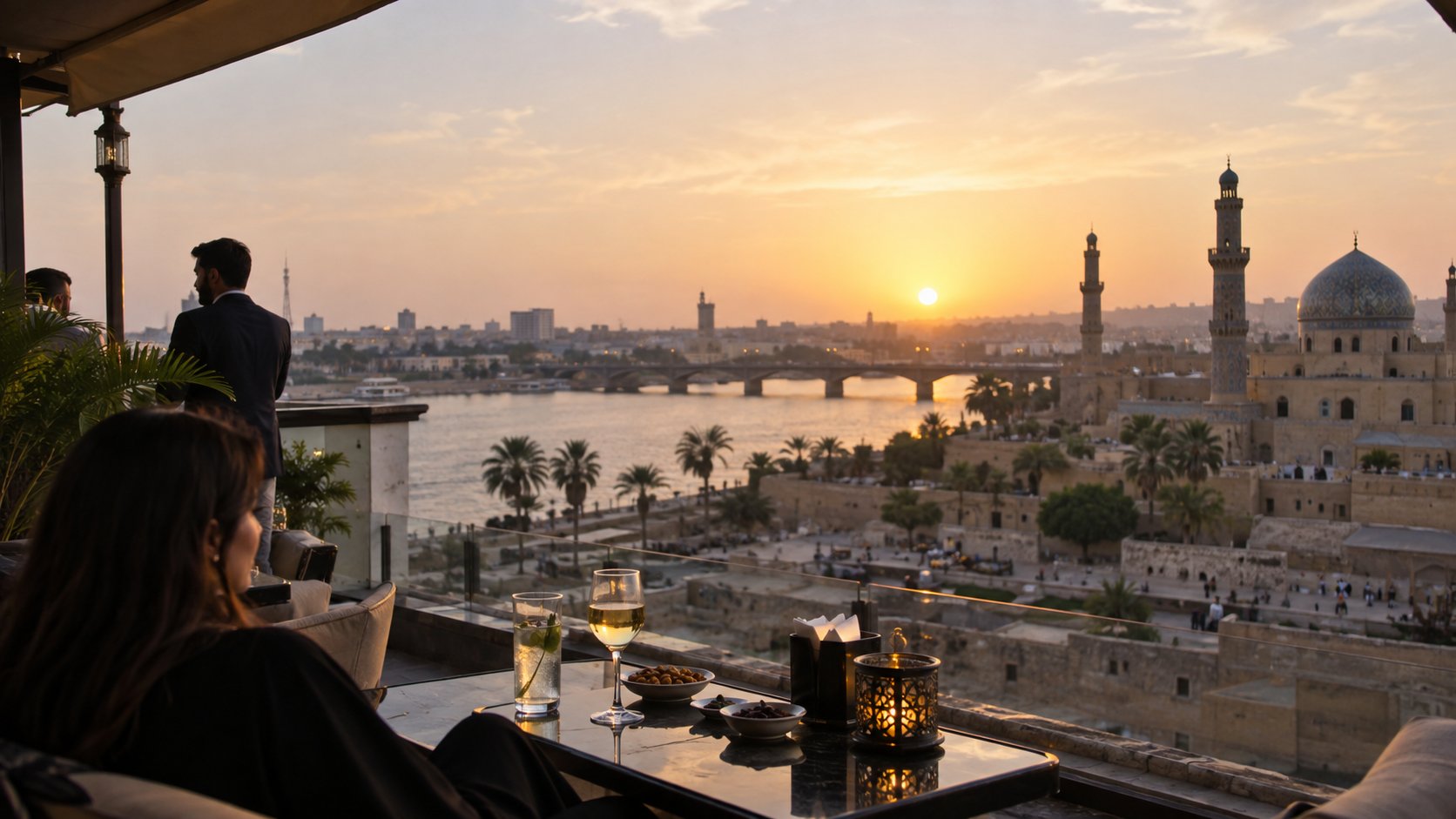
In Erbil, the Christian quarter of Ankawa serves as the primary entertainment hub in the country, as detailed by What's On in Erbil. Dozens of licensed bars, rooftop lounges, garden restaurants, and international hotels operate openly across the neighborhood. Venues like the Erbil Rotana lobby lounge and local rooftop spots host locals, foreign workers, and travelers. Operating hours stretch late, with dining rooms filling by 8:00 PM and bars staying active until 2:00 AM or 3:00 AM on Thursday and Friday nights.
Sulaymaniyah maintains an active evening culture with neighborhood cafes, casual pubs, and live music spots concentrated along Salim Street and nearby commercial streets, as noted in the Open Travel Guide. Duhok similarly allows licensed bottle shops and restaurant drinks.
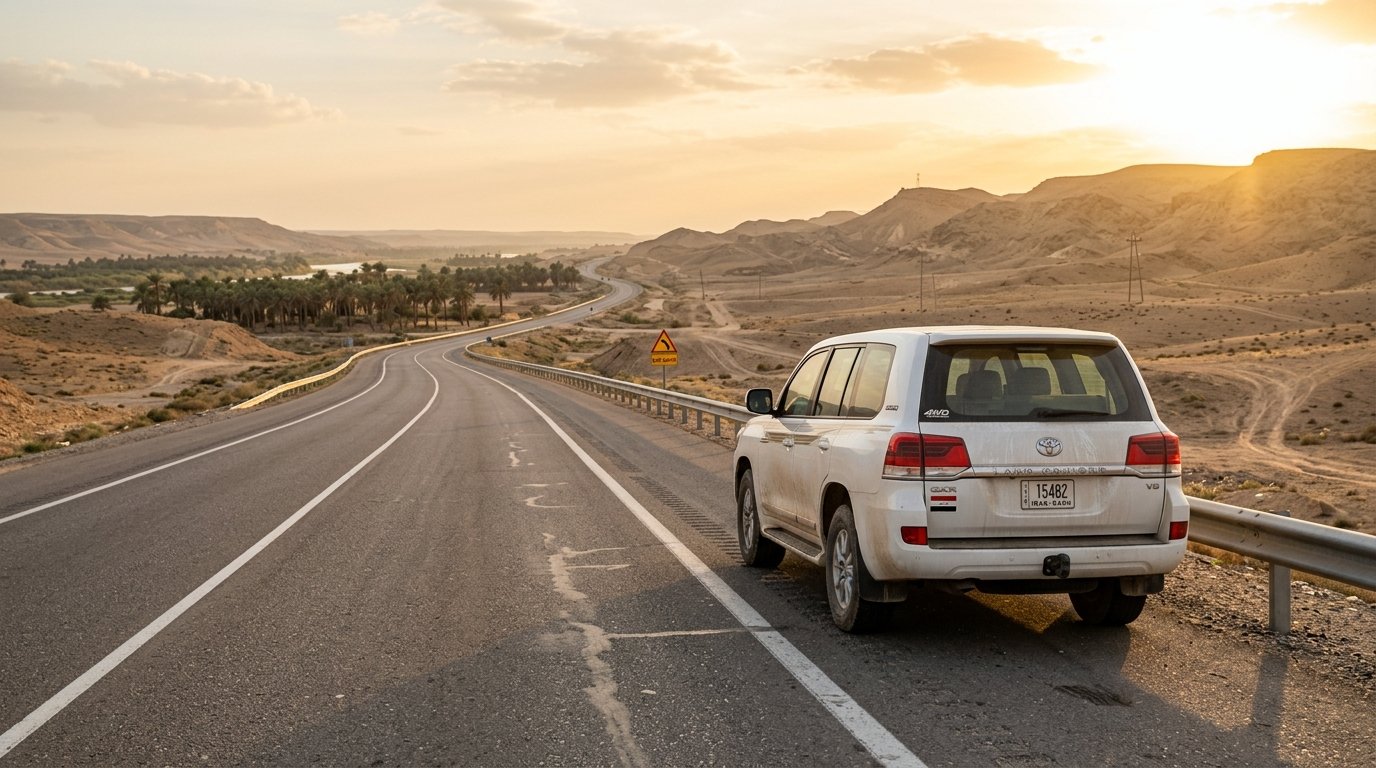
Carrying alcohol from the Kurdistan Region into Federal Iraq is strictly illegal under federal customs rules. Security forces at checkpoints along the federal boundary, including stops south of Kirkuk and near Darman, inspect trucks and private cars for smuggled drinks, as reported by Iraq Tourism Guide. Never carry alcohol across internal administrative checkpoints into federal territory.
What is the nightlife and alcohol scene in Baghdad?
Nightlife in Baghdad centers on late-night dining, riverside walks, and traditional tea and shisha cafes rather than conventional bars or clubs. Social life in the capital is communal and family-oriented, running past midnight along the Tigris River.
The heart of evening social life in Baghdad is Abu Nuwas Street. Families and friends gather at open-air riverside spots for masgouf, Iraq's national dish of wood-fired river carp seasoned with turmeric and tamarind, as described by Things To Do in Iraq. The river promenade stays lively until the early morning hours, with vendors pouring hot spiced black tea from samovars into small hourglass glasses (istikan).
Commercial districts like Karrada Street and Arasat al-Hindiya stay busy past 11:00 PM. People crowd ice cream parlors, sweet shops, and street-side cafes to smoke arguileh and play dominoes, as observed by ArrivalGuides.
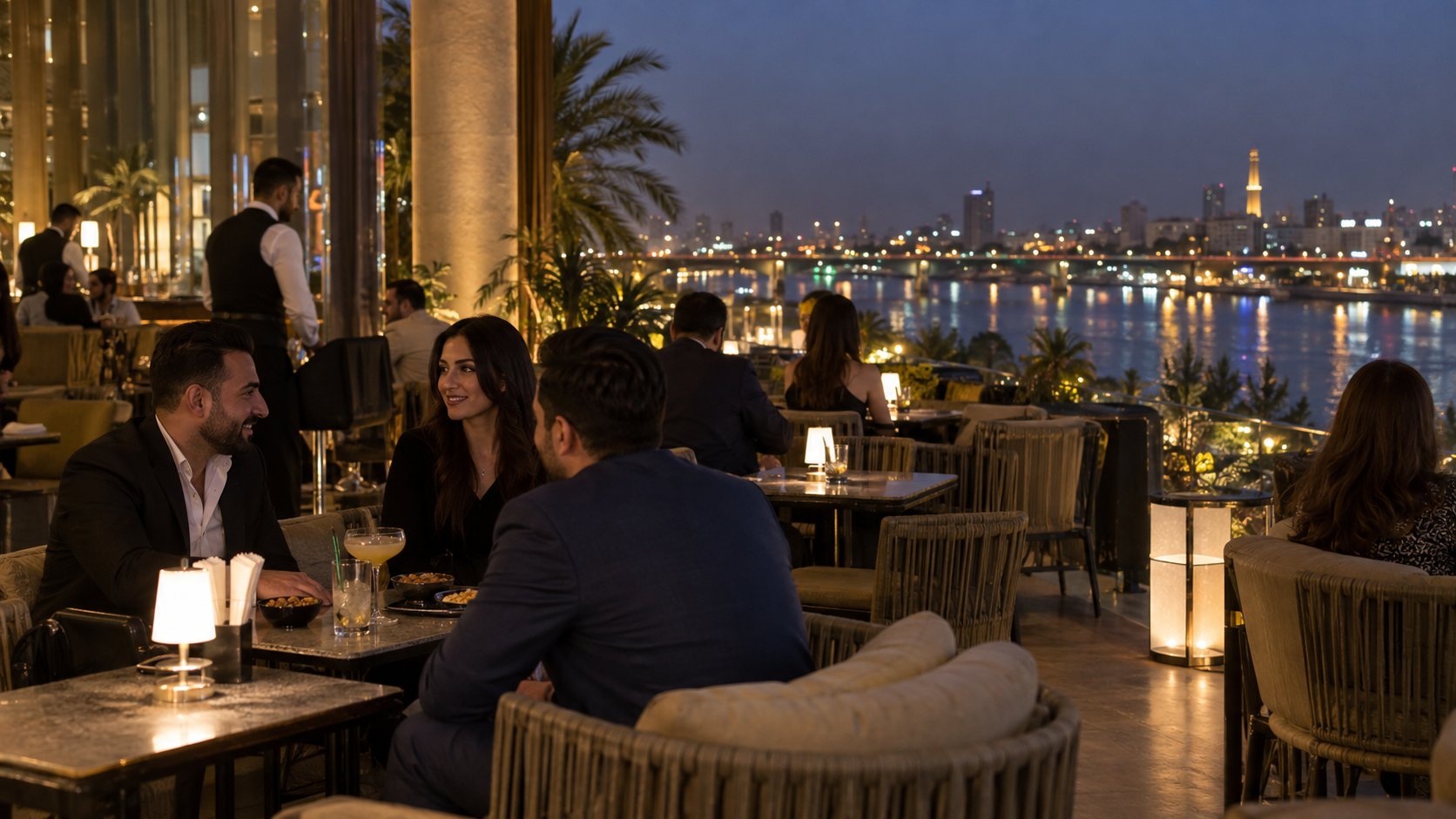
Physical liquor shops run by non-Muslim merchants once operated openly in neighborhoods like Karrada, Sadoun Street, and Bataween. Following enforcement sweeps in 2024 and 2025, municipal police shuttered almost all street-level bottle shops. While high-end international properties like the Babylon Rotana historically had licensed lounges, federal restrictions now tightly restrict formal service. Where alcohol still circulates informally, prices run up to three times higher than before the ban, with transactions moving into private delivery networks, according to Shafaq News.
Which cities in Iraq are strictly dry?
Several governorates and religious municipalities in Iraq enforce total alcohol bans through local sanctity ordinances. In these areas, alcohol is nonexistent on commercial shelves, illegal to possess, and deeply offensive to residents.
The Shia holy cities of Najaf and Karbala operate strict zero-tolerance policies. Najaf banned all alcohol sales and distribution in 2009 under provincial sanctity legislation. Karbala enforces municipal sanctity codes that outlaw alcohol, loud public music, and revealing clothing near shrines, as outlined by Iraq Tourism Guide and Saiga Tours. The holy districts of Kadhimiya in northern Baghdad, Kufa near Najaf, and Samarra in Salah al-Din governorate follow the same religious sanctity rules.
Provincial councils in other regions have passed local prohibitions as well. Salah al-Din governorate introduced a total ban in 2018 with police sweeps in Tikrit, while Anbar and Diwaniyah provincial councils passed municipal bans between 2024 and 2025.
Carrying alcohol into any holy city or near religious shrines leads to immediate confiscation, intense questioning, and detention by security forces.
What are the rules and etiquette for buying and drinking alcohol?
For travelers visiting licensed venues in the Kurdistan Region or navigating private settings in federal territory, local etiquette helps avoid friction and legal trouble:
- Avoid public consumption entirely. Drinking on streets, in public parks, on town squares, or along riverbanks is socially unacceptable and illegal across Iraq. In the Kurdistan Region, keep drinking inside licensed bars, hotel lounges, or private residences. In Federal Iraq, any consumption must stay inside private hotel rooms or homes.
- Handle purchases discreetly. When buying beer, spirits, or regional wines from licensed shops in Erbil or Sulaymaniyah, clerks wrap bottles in opaque black plastic bags. Keep bottles concealed in bags until you return to your room.
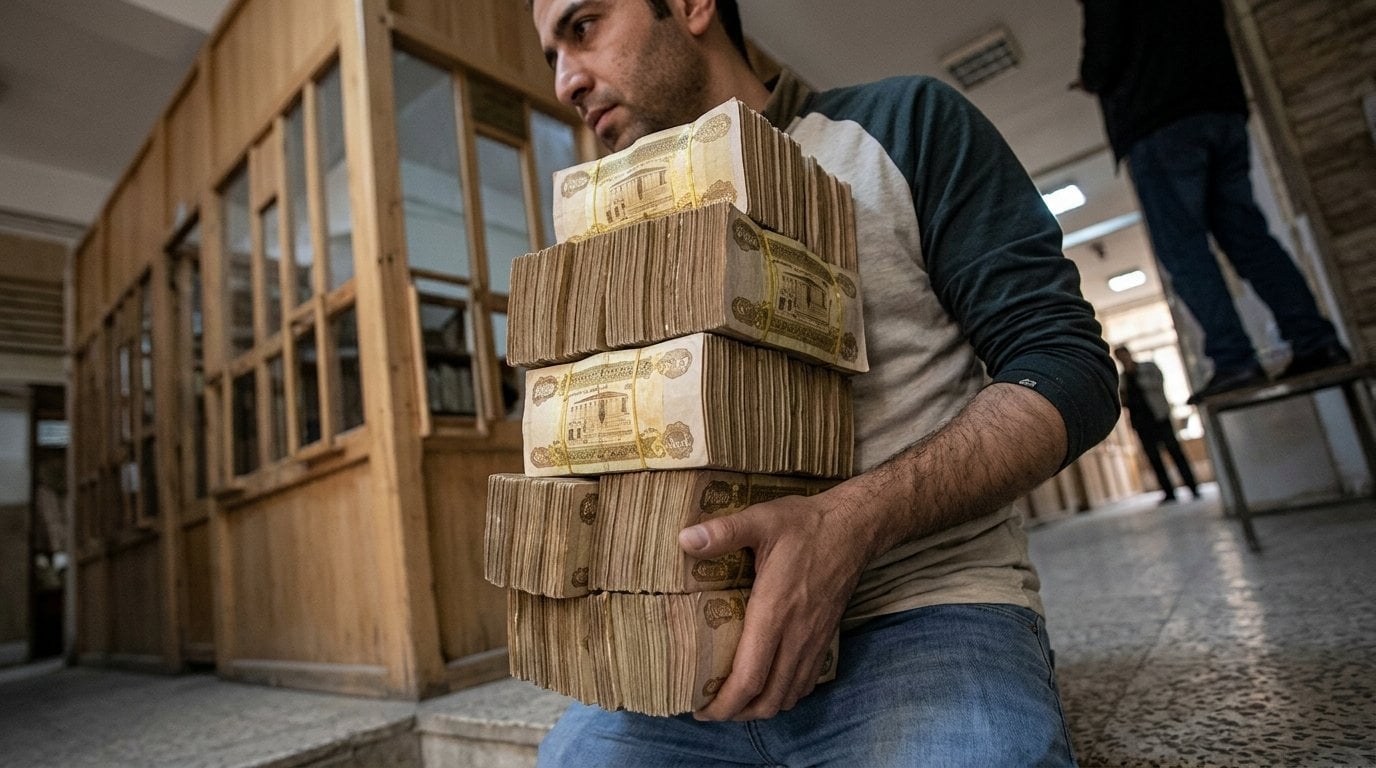
- Carry cash for all transactions. Credit card terminals remain rare outside five-star chain hotels. Liquor shops, neighborhood cafes, and dining spots deal in cash using Iraqi dinars (IQD), as highlighted in Things To Do in Iraq.
- Respect religious holidays and mourning seasons. During Ramadan, retail alcohol sales stop across the country, and bars close. Eating, drinking, or smoking in public during daytime fasting hours violates social norms and local police rules. Strict restrictions also apply across federal Iraq during Shia mourning periods, including the first ten days of Muharram (Ashura) and the pilgrimage of Arbaeen, as explained in the Iraqi Culture Guide.
- Never bring alcohol as an unprompted gift. Iraqi hospitality is warm and generous, but handing a bottle of liquor to a Muslim host or carrying it into a traditional home causes deep embarrassment. Bring sweets, dates, or pastries instead.
Can travelers bring alcohol into Iraq through international airports?
Under federal customs regulations enforced since March 2023, importing alcoholic beverages through federal border crossings and international airports is prohibited, as confirmed by Airlo Customs Checker and GlobalRules.
Older travel guides mention personal duty-free allowances of 1 liter of spirits or 2 liters of wine, but customs officials at Baghdad International Airport and Basra International Airport ended those personal exemptions under the 2023 directive. While transit duty-free retail exists airside in Baghdad, incoming passengers cannot carry purchased bottles through customs into the country.
Travelers flying into Erbil International Airport (EBL) or Sulaymaniyah International Airport (ISU) land under KRG customs jurisdiction, where personal duty-free allowances remain in place. Arriving passengers must not take these goods south into Federal Iraq by road or on domestic flights.
Sources
- Al-Monitor — "Iraq customs ordered to start enforcing alcohol import ban" — https://www.al-monitor.com/originals/2023/03/iraq-customs-ordered-start-enforcing-alcohol-import-ban — Accessed March 2026
- Shafaq News — "Iraq's alcohol ban, one year on: How enforcement outpaced social policy" — https://shafaq.com/en/Report/Iraq-s-alcohol-ban-one-year-on-How-enforcement-outpaced-social-policy — Accessed March 2026
- What's On in Erbil — "Ankawa, Erbil — Bars, Restaurants & Nightlife Guide 2026" — https://whatsoninerbil.com/ankawa-erbil — Accessed March 2026
- Open Travel Guide — "Iraq Nightlife Guide 2026: Bars & Clubs" — https://opentravelguide.com/iraq/nightlife/ — Accessed March 2026
- Things To Do in Iraq — "Nightlife in Iraq (2026) - Bars, Clubs & Local Spots" — https://thingstodoiniraq.com/nightlife/ — Accessed March 2026
- Iraq Tourism Guide — "Iraq Laws for Tourists: Rules, Customs & Emergencies" — https://www.iraqtourism.org/iraq-laws-for-tourists/ — Accessed March 2026
- Iraq Tourism Guide — "Iraqi Culture & Etiquette: A Traveler's Guide" — https://www.iraqtourism.org/iraq-culture/ — Accessed March 2026
- Saiga Tours — "Alcohol in Iraq" — https://www.saigatours.com/article/Alcohol-in-Iraq — Accessed March 2026
- Airlo — "Iraq duty-free allowance — alcohol, tobacco, gifts & cash limits" — https://airlo.org/tools/duty-free/iraq — Accessed March 2026
- GlobalRules — "Iraq Alcohol Sales Hours & Rules" — https://globalrules.org/iq/alcohol-sales-hours — Accessed March 2026
❓Frequently Asked Questions
Here are answers to frequently asked questions about the content above
No. The federal ban applies only to Federal Iraq. The Kurdistan Region of Iraq (including Erbil, Sulaymaniyah, and Duhok) does not enforce the ban and permits open, licensed sales in shops, restaurants, and bars.
Article 14 of Municipal Revenues Law No. 1 of 2023 sets fines between 10 million and 25 million Iraqi dinars ($7,600 to $19,000 USD) for importing, manufacturing, or commercially selling alcoholic beverages.
Historically, large international hotels served drinks to guests, but late 2024 directives from the Ministry of Interior and Tourism Board heavily restricted service inside hotel bars and social clubs in Baghdad.
No. Transporting alcohol across the regional boundary from the Kurdistan Region into Federal Iraq is treated as illegal smuggling, and internal security checkpoints actively inspect vehicles.
No. Najaf and Karbala are strictly dry shrine cities protected by local sanctity laws. Alcohol is completely absent, banned from sale or possession, and highly offensive to the local culture.
Iraqi evening social life centers on family gatherings, tea houses, shisha cafes, late-night sweet shops, and riverside masgouf fish restaurants along the Tigris Corniche in Baghdad.