Discover the rich Iraqi tea culture, from traditional cafés to elaborate hospitality rituals, and learn how to appropriately behave as a guest in an Iraqi cultural setting.
What is the significance of tea in Iraqi culture?
Tea is more than just a beverage in Iraq; it is an integral part of culture and traditions. Tea was introduced to Iraq during the British occupation period around 1914 and quickly became an essential part of hospitality traditions. Iraqis consume tea several times a day, often accompanying meals and social gatherings.
How is traditional Iraqi tea prepared and served?
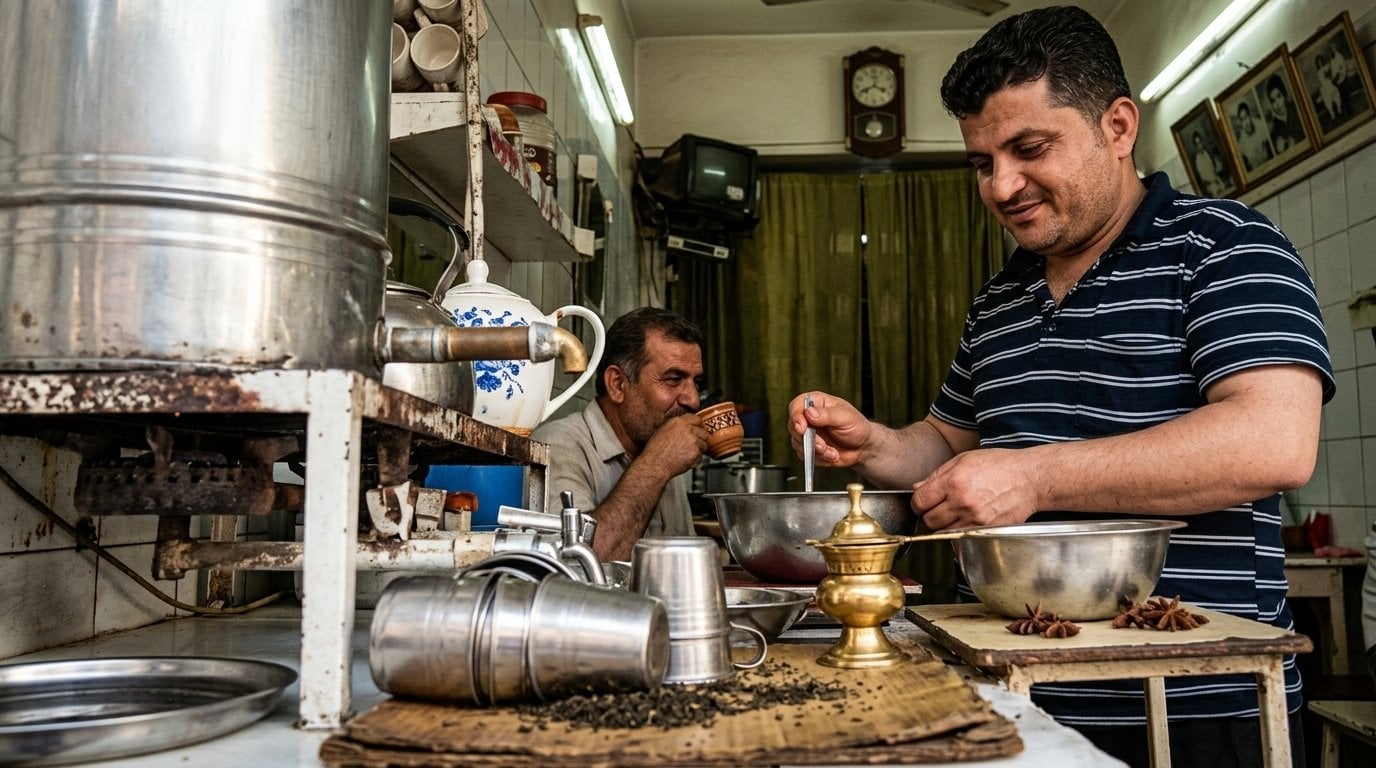
Traditional Iraqi tea is prepared using a method known as "takhdir," where water is boiled well in a kettle called "Quri," then two or three spoonfuls of dry tea leaves are added, and it is left to boil gently for a few minutes until it becomes aromatic. Tea is served in small cups called "Istikan," which are curved glass cups that retain heat and show the dark crimson color of the tea.
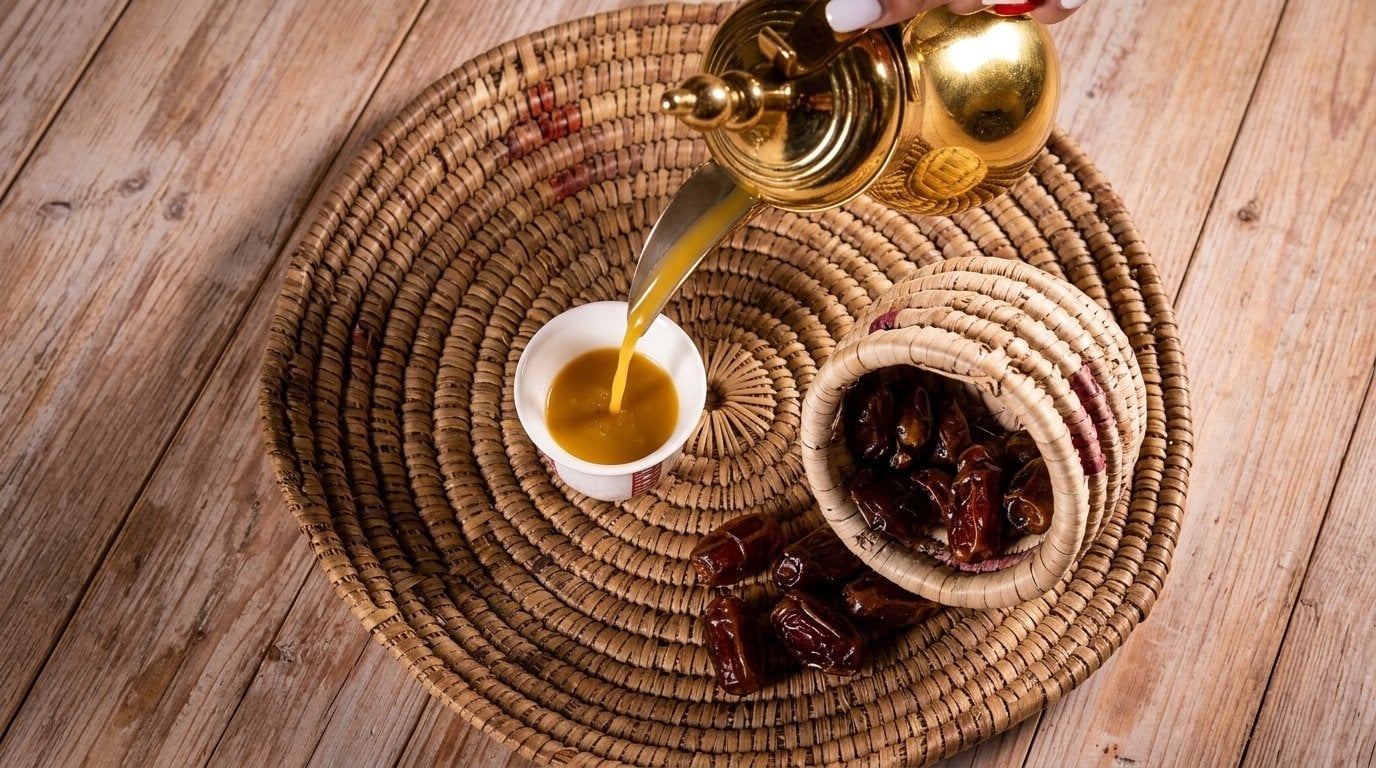
Iraqis also use a device of Russian origin called "Samovar" in some traditional cafes. Iraqis prefer strong and sweet tea (unlike neighbors who consume lighter tea with little or no sugar). Black tea is characterized by being thick without dilution with hot water, and cardamom is often added to improve the flavor.
What are the hospitality rituals associated with Iraqi tea?
Serving tea to guests is one of the fundamental rituals of welcoming them. Not serving tea to guests is considered a sign of disrespect. When someone visits an Iraqi home, tea is likely the "first thing they will be offered." Tea represents warmth, friendship, and social relationships - it is not just a drink but part of the country's culture.
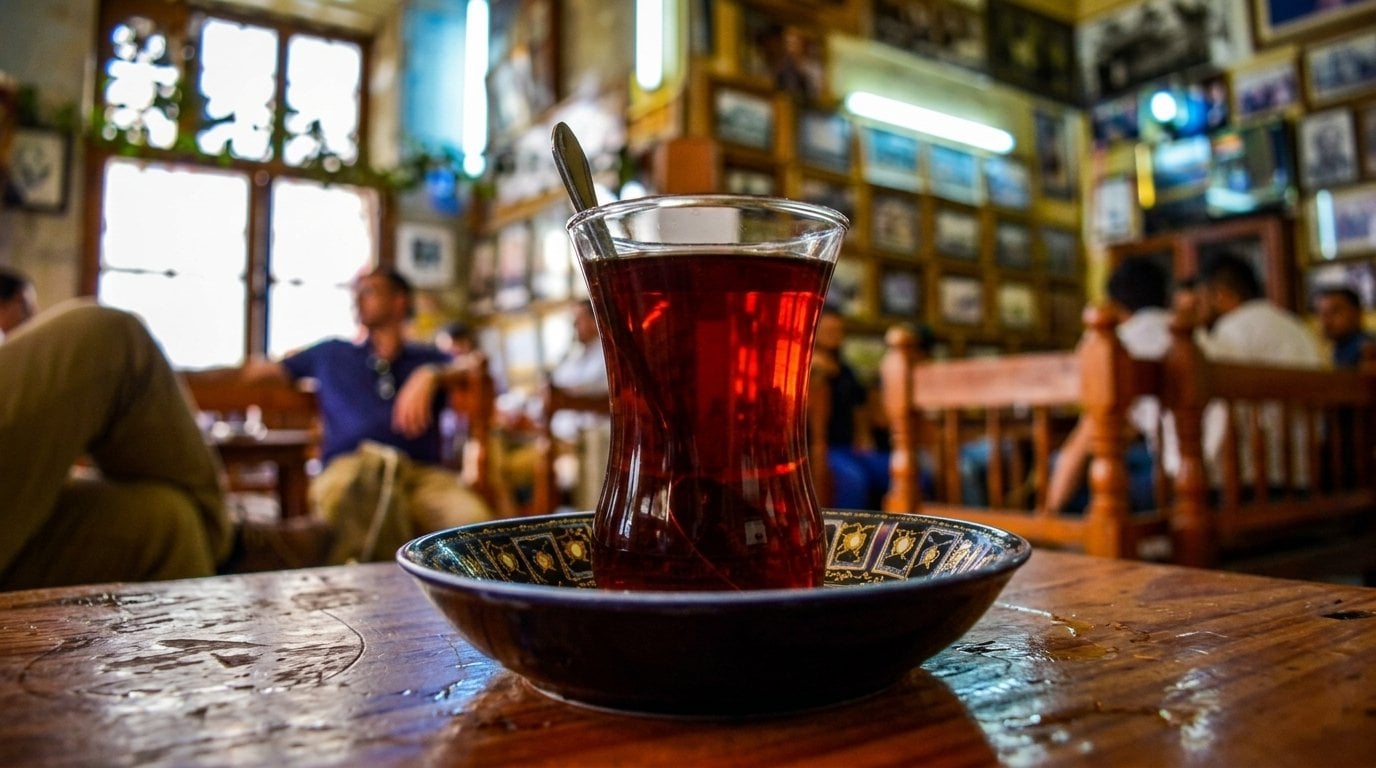
In traditional gatherings, tea trays must start being served from the oldest person or highest ranking, then move to the right until all guests receive their cups. Tea cups must be filled completely in gatherings, otherwise it is disrespectful to the person. The spoon has special importance when serving tea - it must be placed on the saucer, not inside the tea cup, otherwise it is a grave offense to the guest that might lead to major disputes.
What are the common types of tea in Iraq?
Black tea is the preferred type due to its strong flavor and unique taste, and is consumed after meals to aid digestion. Green tea has gained popularity in recent years as a healthy option, especially among women, and is usually served with diet sugar. There is also "Ceylon tea" which is among the favorites of Iraqis.
What are the traditions of Iraqi cafes?
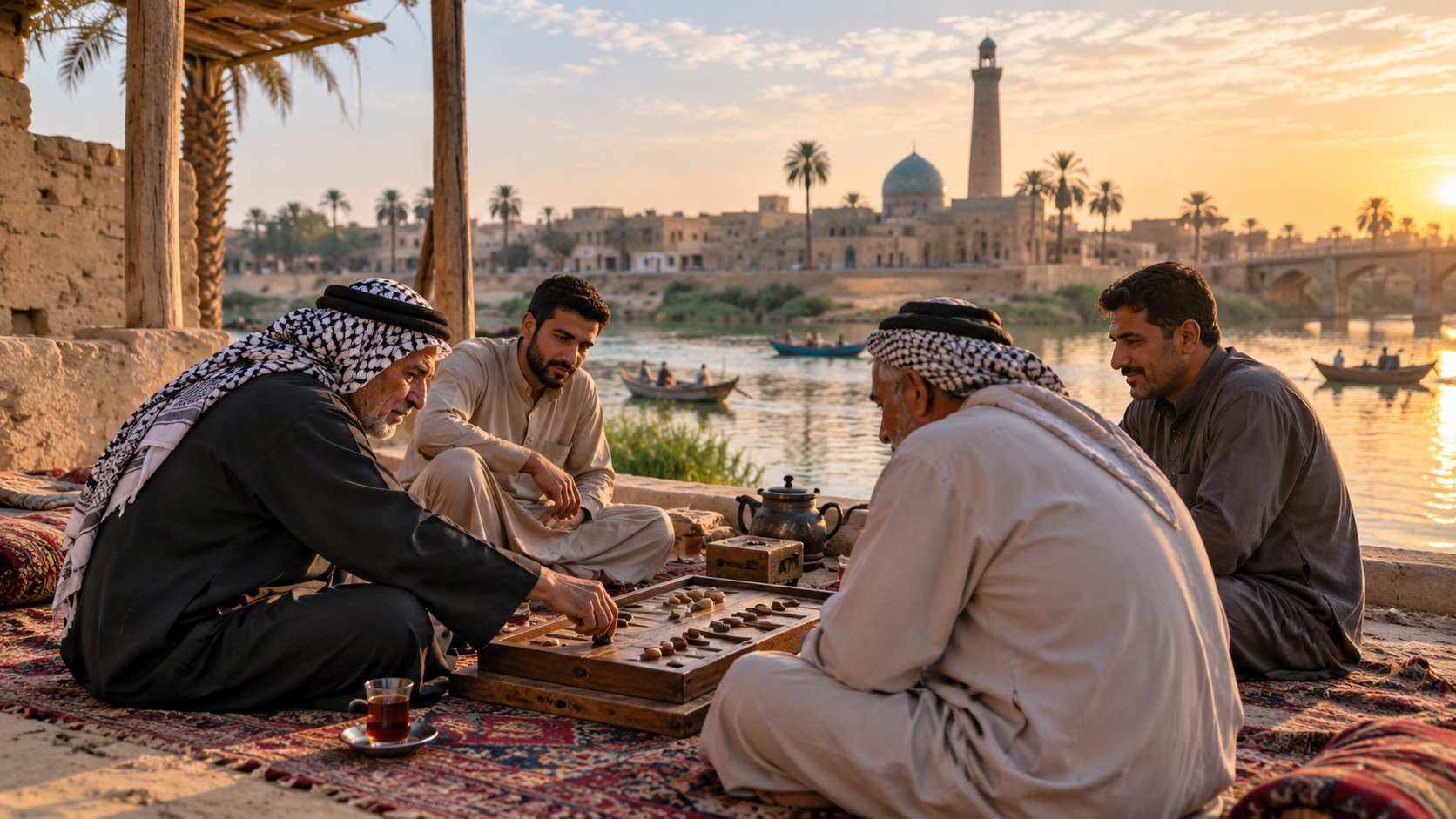
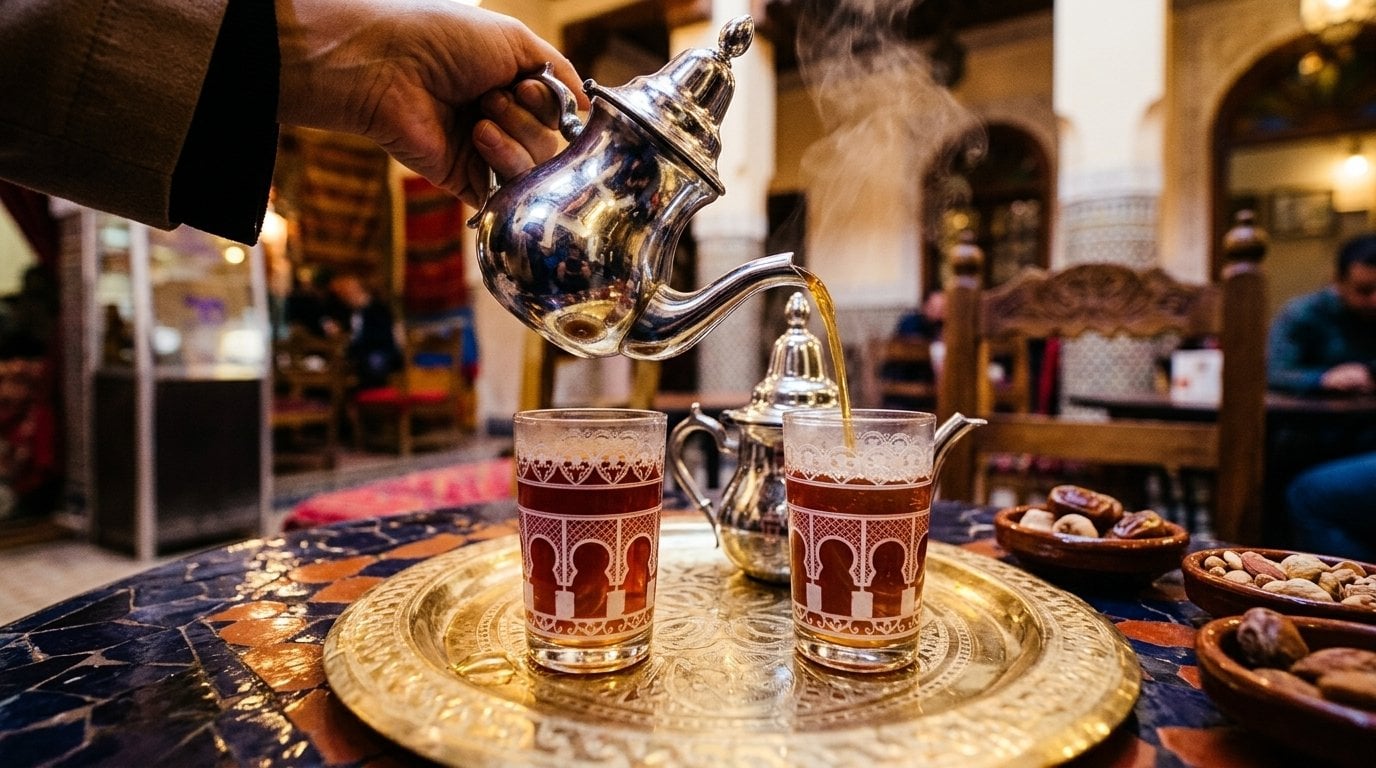
Traditional cafes, known as "Chai Khana," are important centers for social gatherings. These are places where men gather to discuss political matters, play backgammon, and exchange stories. Among the most famous of these cafes is Shabandar Café in Baghdad, which is one of the oldest cafes, located on Mutanabbi Street in the literary district of Baghdad.
The eighties witnessed the "Glass" phenomenon, where tea started being drunk in large glasses instead of small "Istikan," which was brought by Egyptian workers who worked in Iraq. Some people prefer large glasses to satisfy their desire to drink strong tea.
How does a person behave appropriately as a guest in an Iraqi cultural setting?
It is unacceptable to refuse a cup of tea when offered, as it is considered impolite. The guest is expected to feel comfortable and cared for throughout the tea session. The guest should sit quietly and organize the session before tea is served, avoiding haste. In formal cases, such as someone visiting to ask for a favor from a person in authority, everyone refrains from drinking tea until they receive a commitment from the concerned person to accept and grant their request.
When visiting an Iraqi home, it is important to respect hospitality traditions. Tea is often served with dates, kleicha, or nuts. In formal gatherings, it is important to respect the order of serving tea and follow traditional protocols.
Sources
- Iraqi Tea Culture - Gil Gamesh Tourism — https://gilgameshtourism.com/the-history-and-rituals-of-chai-in-iraq/
- Tea, Hospitality, and Togetherness: The Heart of Iraqi Culture — shakomakoiaa.org — https://shakomakoiaa.org/tea-hospitality-and-togetherness-the-heart-of-iraqi-culture/
- Iraqi Tea Abu Al-Heel - Al-Sharq Paper — https://www.alsharqpaper.com/
- Tea in Iraq - Al-Hoda Online — https://al-hodaonline.com/article/58744/
❓Frequently Asked Questions
Here are answers to frequently asked questions about the content above
Tea was introduced to Iraq during the British occupation period around 1914.
Iraqi tea is served in small cups called "Istikan".
No, it is unacceptable to refuse a cup of tea when offered, as it is considered impolite.
Traditional Iraqi tea is prepared using a method known as "takhdir," where water is boiled well in a kettle called "Quri," then dry tea leaves are added and left to boil gently.
Serving tea to guests is one of the fundamental rituals of welcoming them, and not serving tea to guests is considered a sign of disrespect.
Among the most famous traditional cafes in [Baghdad](/places/baghdad) is Shabandar Café, one of the oldest cafes, located on Mutanabbi Street in the literary district.