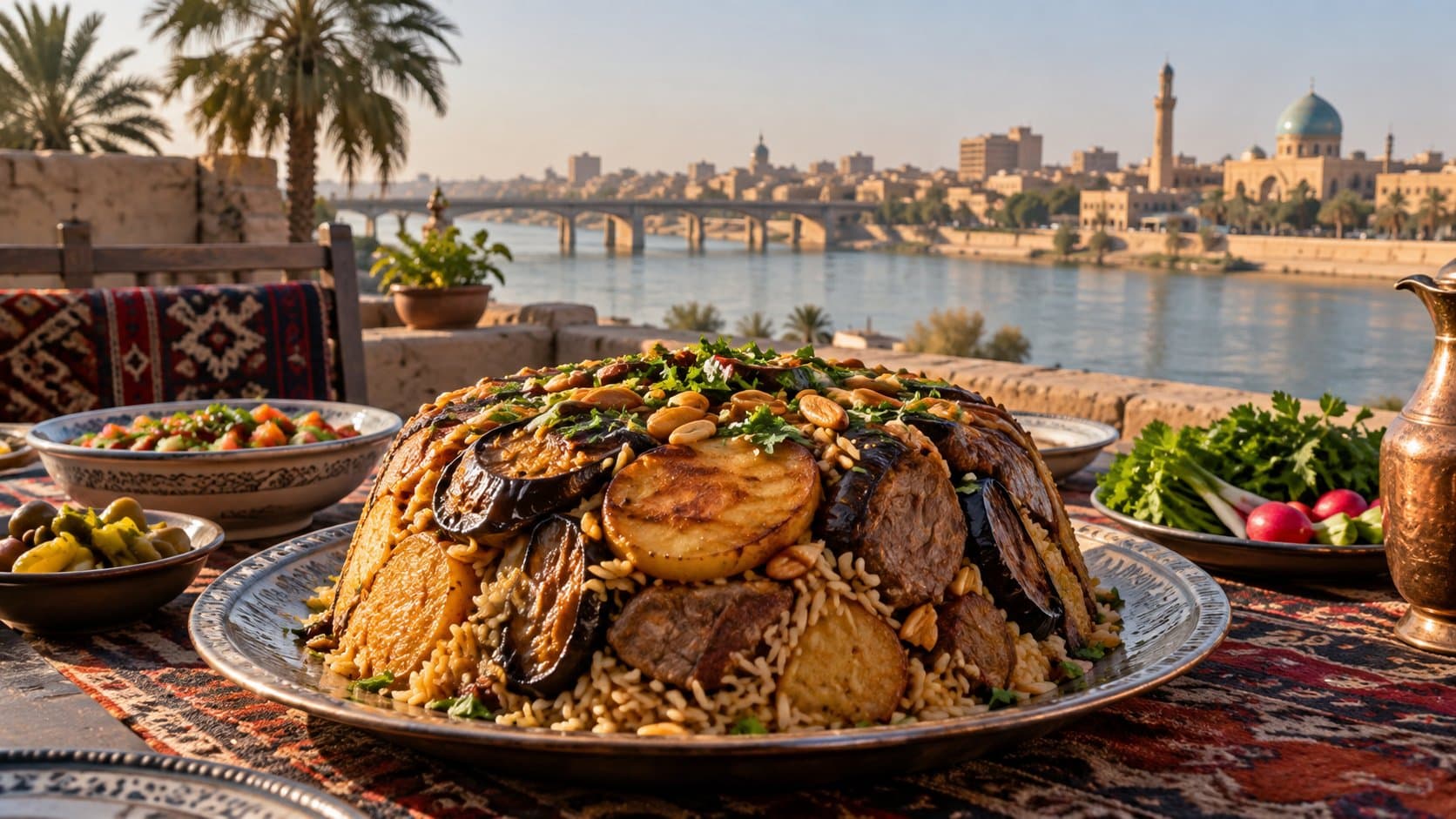
Iraqi Maqluba
traditional dishesBaghdad
About
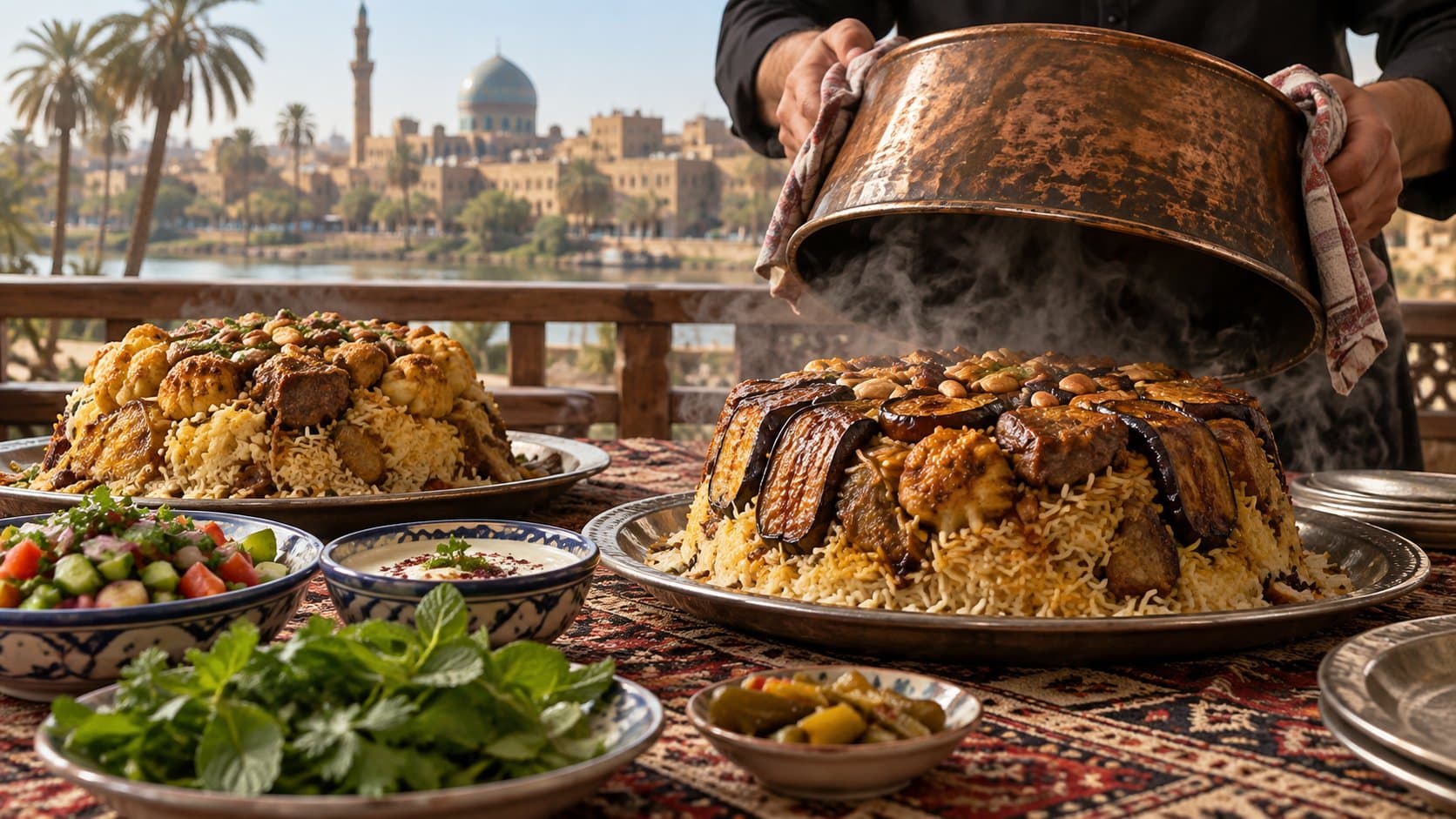
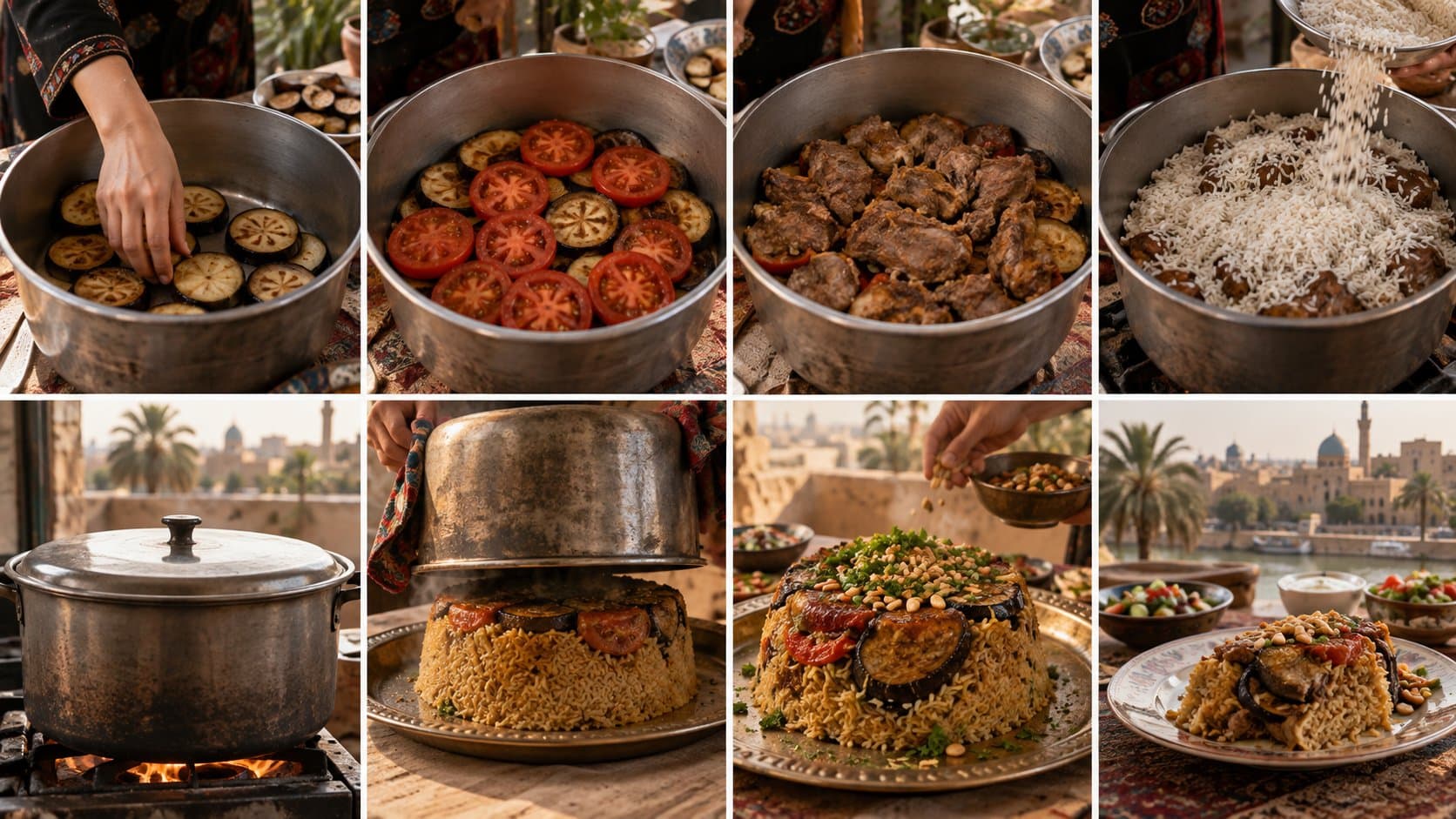
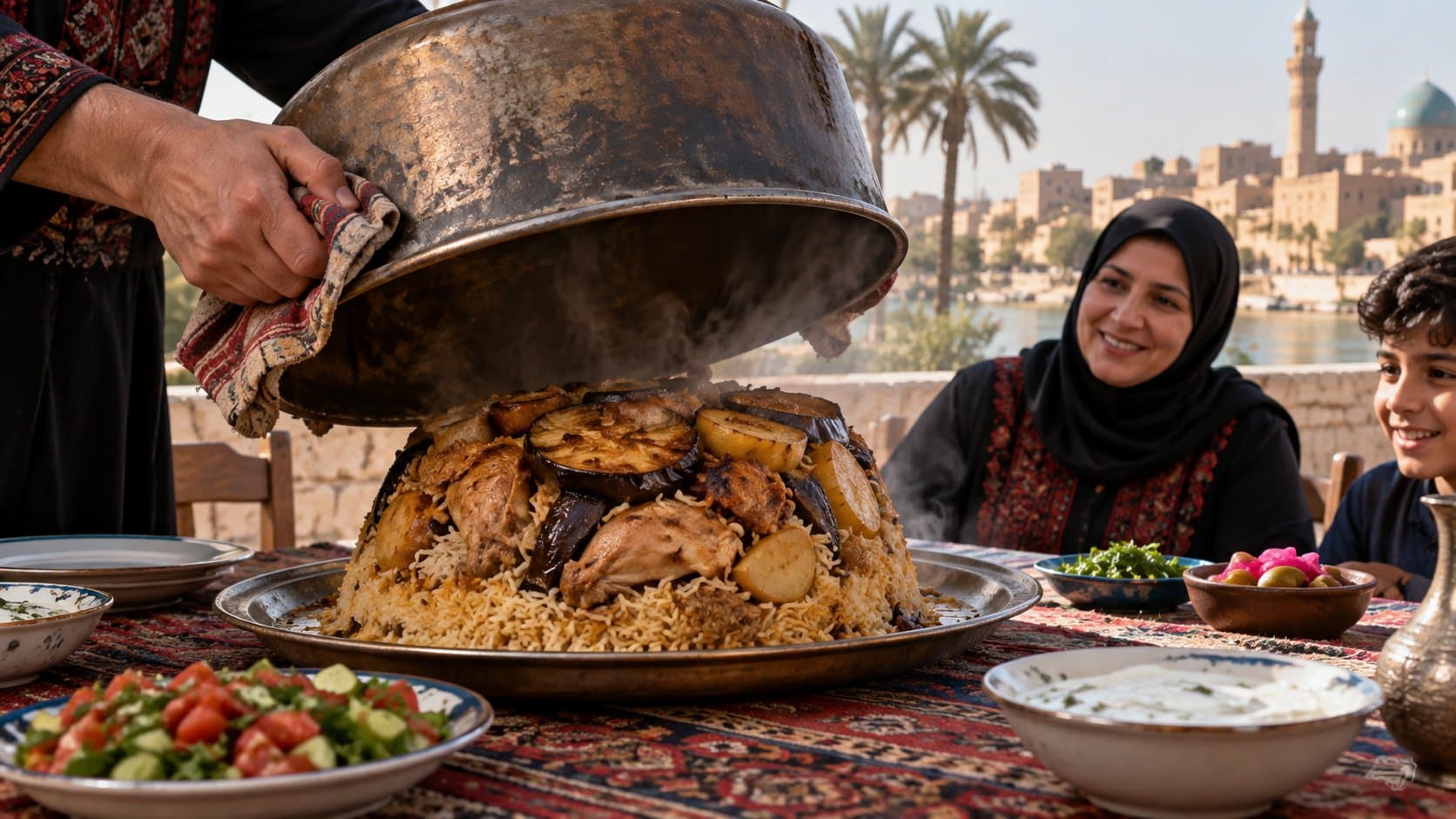
An iconic centerpiece dish of seasoned rice, tender meat, and caramelized vegetables layered tightly in a pot and dramatically flipped upside down onto a communal platter before serving.
Key Ingredients
Lamb or chicken, basmati or anbar rice, fried eggplant, cauliflower, sliced tomatoes, onions, Iraqi baharat, turmeric, cardamom, cinnamon, dried black lime (noomi basra), toasted pine nuts and almonds
Cultural Significance
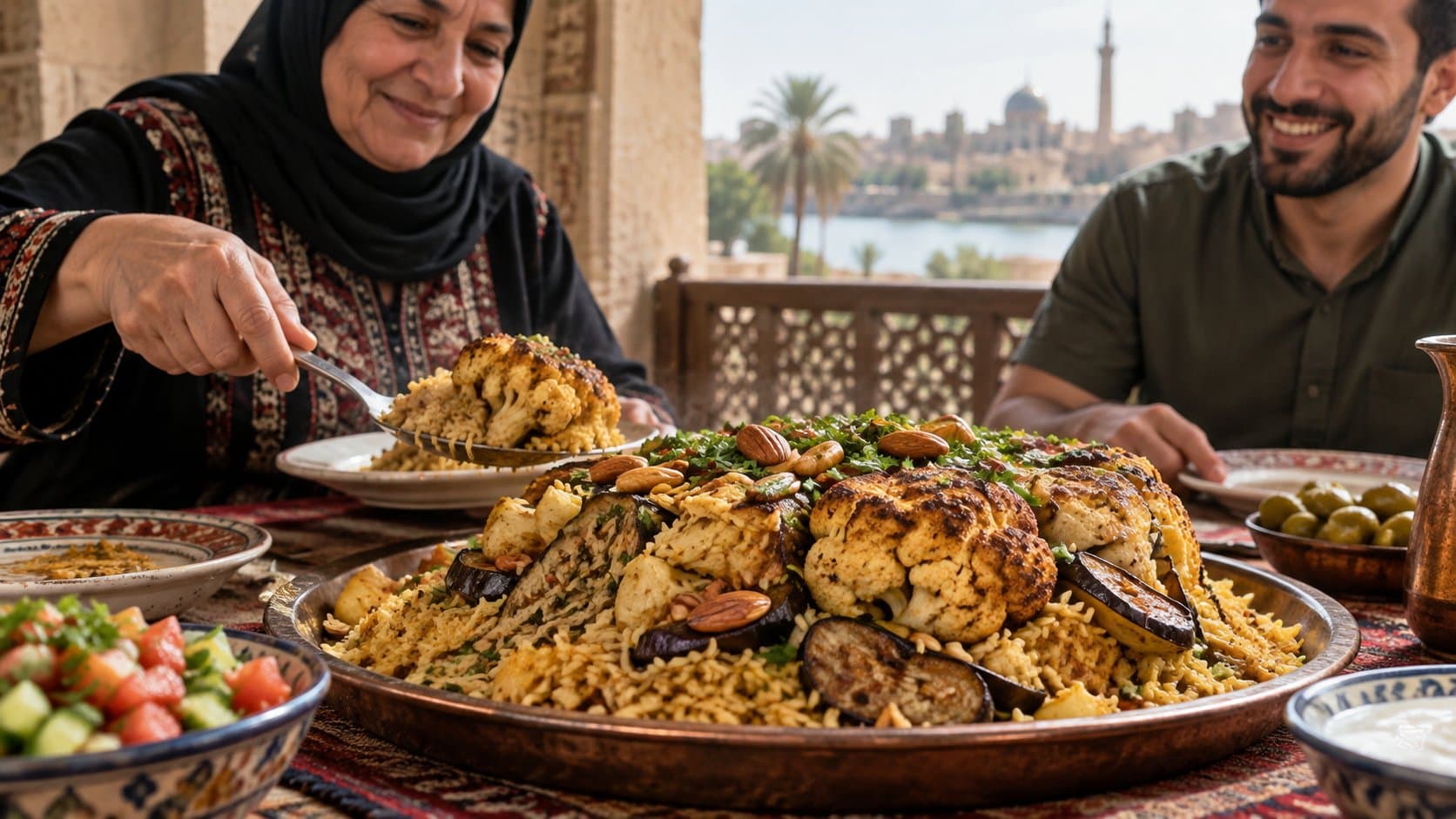
Maqluba embodies Iraqi family hospitality and weekend gatherings, particularly for Friday lunches. The table-side unveiling is a communal ritual showcasing the cook's skill, while the coveted crunchy scorched rice crust (hikakeh) is shared among guests as a prized treat.
Where to Find
Best experienced in home kitchens during family gatherings, as well as heritage restaurants across Baghdad, Mosul, and southern Iraq serving traditional communal feasts.
Recommended Places
- •Traditional Iraqi homes
- •Al-Baghdadi Restaurant, Baghdad
- •Local heritage restaurants in Baghdad and Mosul
Fun Facts
The Arabic word "maqluba" literally translates to "upside-down." Roots of layered and inverted meat dishes appear in the 13th-century Baghdad cookbook Kitāb al-Ṭabīkh. The crisp, browned rice crust at the base, called hikakeh, is considered the most delicious prize of the entire pot.