Mann al-Sama
dessertsVegetarian
About
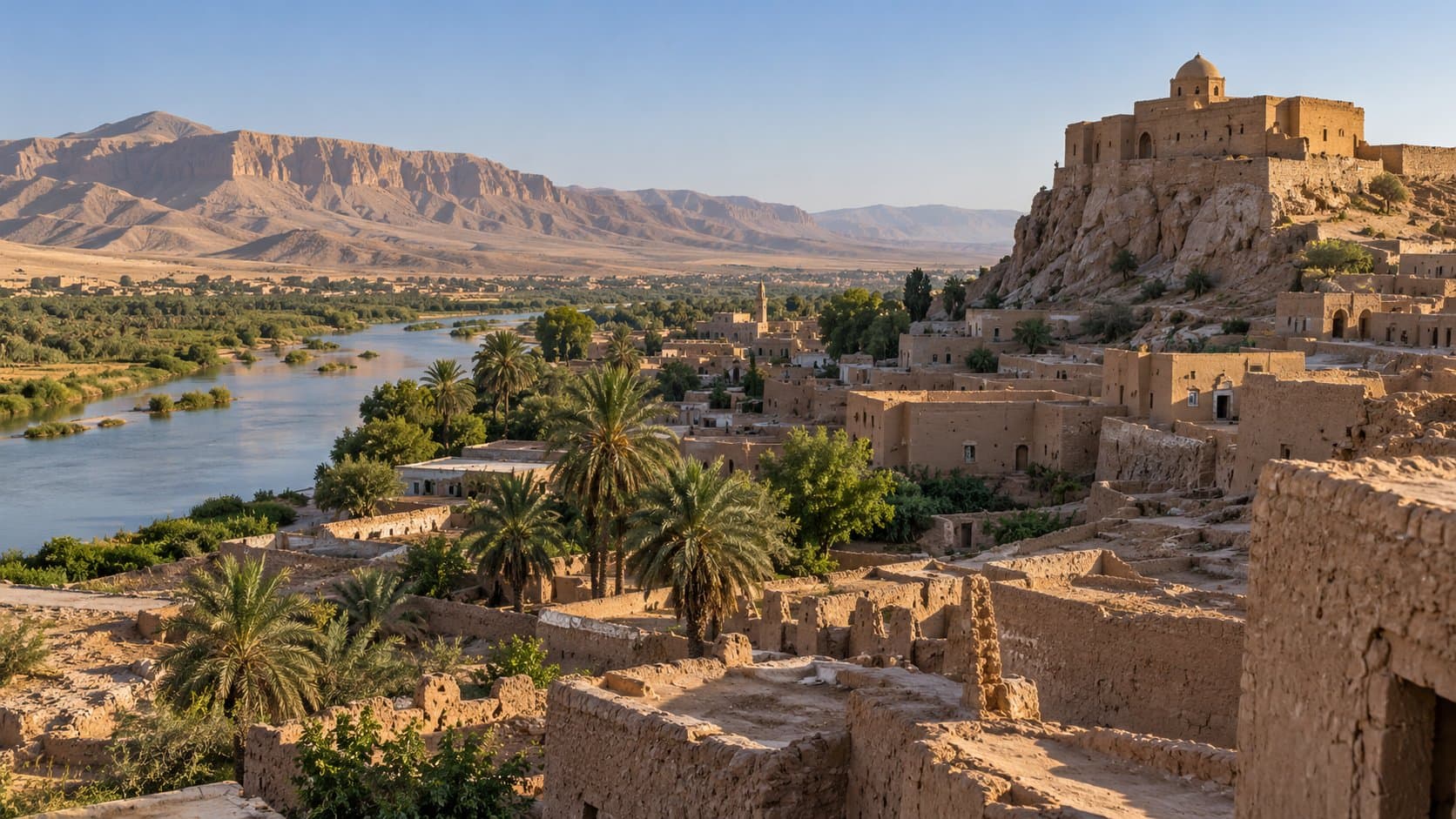
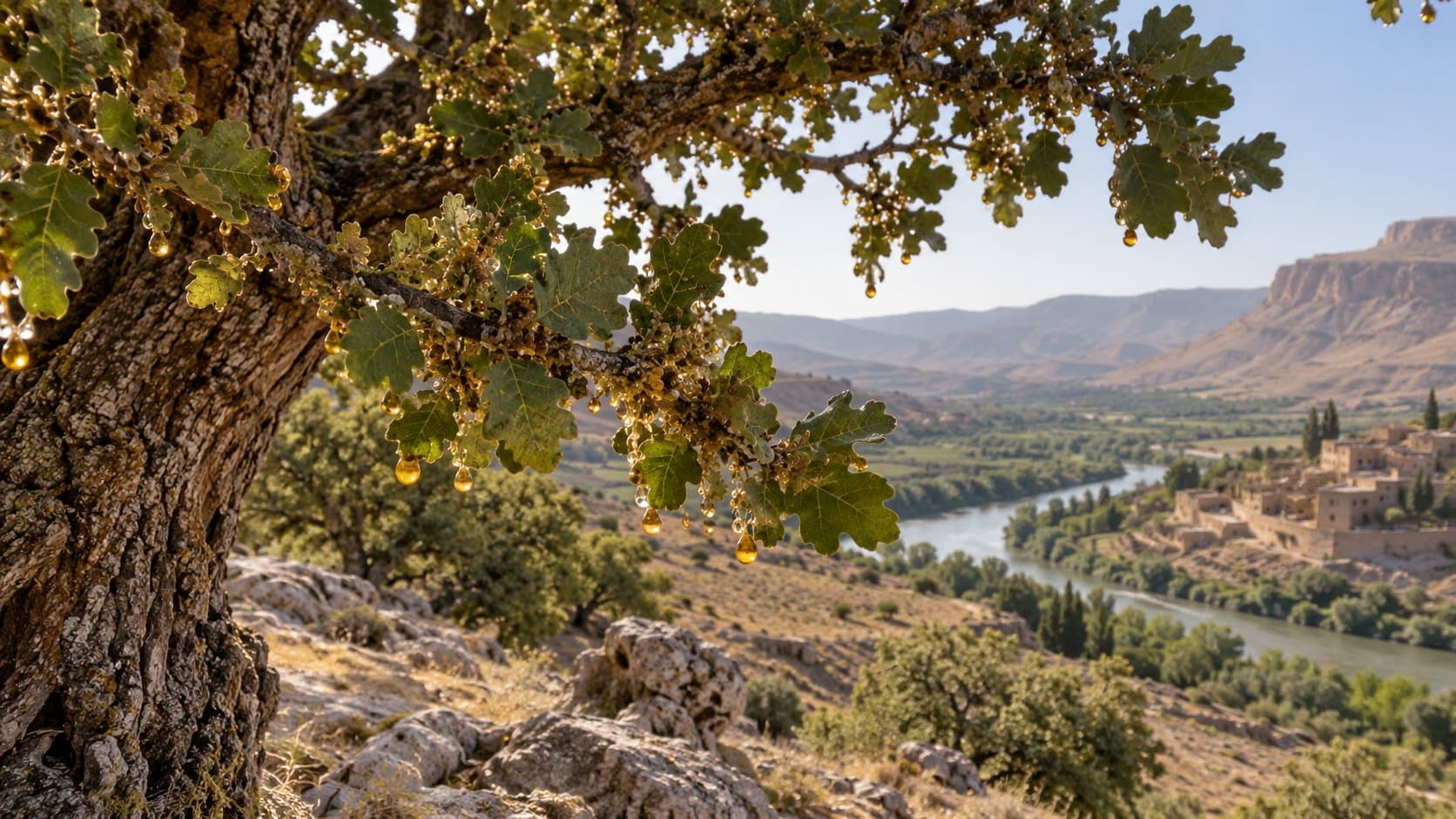
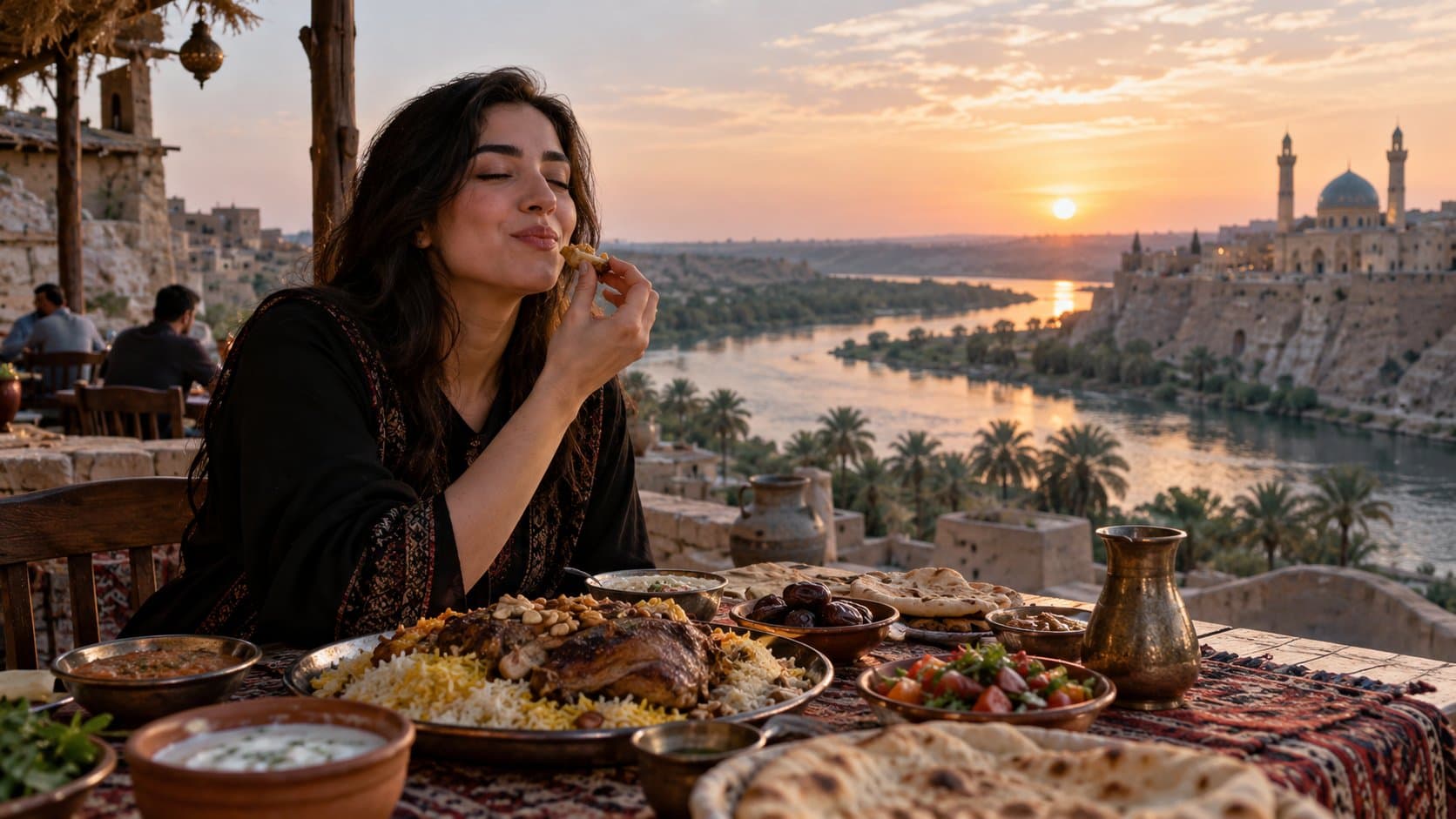
# Mann al-Sama Open a tin of Mann al-Sama, and you find pale, pillowy squares buried under a bed of white flour. Bite into a piece, and the soft chew yields to the snap of green pistachios or walnuts, followed by crushed cardamom and rose water. In Arabic, the name translates to "manna from heaven," recalling the miraculous food described in religious texts. Yet the confection itself comes from hard seasonal harvesting in the Zagros mountains and long hours over boiling copper kettles. For visitors traveling through Iraq, Mann al-Sama is one of the most distinctive sweets you can buy. It is also frequently misunderstood. Knowing how foragers gather the raw material, how confectioners prepare it, and how to evaluate a box makes tasting it far more interesting. {{image}} ## A sweet tied to Sulaymaniyah Mann al-Sama is a staple across Iraq and Iraqi Kurdistan, with its production centered in Sulaymaniyah. Regional spellings include Man al-Sama and Min al-Sama. In Kurdish, locals call it Gazin, while the raw resin is known as Balgazu. In a [report on Sulaymaniyah's manna trade](https://shafaq.com/en/Report/Manna-of-heaven-al-Sulaymaniyah-s-hallmark-and-Kurdistan-s-Natural-candy), Shafaq News details how rural gatherers harvest the sticky material from the mountains around Penjwin, near the Iranian border. The craft runs in families. Twana Abala, a veteran confectioner interviewed by Shafaq News, inherited his workshop and techniques from his father and grandfather. Harvesters bring the raw mountain crop to city sweetmakers in late summer and autumn, delivering dense blocks straight to workshop doors. That connection between Kurdish oak forests and urban sweetshops grounds the candy in real geography and seasonal work. ## Oak honeydew, not tamarisk sap Travelers often hear Mann al-Sama described as "tamarisk sap candy." That description is incorrect on two counts. First, Iraqi manna comes from oak trees, not tamarisks. Shafaq's reporting records that gatherers collect the raw crop from oak branches in the mountains around Penjwin. The broader [overview of manna](https://en.wikipedia.org/wiki/Manna) distinguishes Kurdish oak manna from the tamarisk manna found in desert regions like the Sinai Peninsula. Second, manna is honeydew rather than tree sap. Tree sap flows inside wood and requires tapping through the bark. Manna is a sweet substance excreted by insects, mainly aphids, feeding on the leaves of oak trees. During hot, dry late-summer days, the honeydew crystalizes into pale, sugary beads on the leaves and twigs. Villagers lay large cloths beneath the trees, beat the boughs with long wooden poles, and collect the fallen granules. The distinction explains why the sweet tastes the way it does. Real mountain honeydew carries a delicate, herbal sweetness with an earthy finish that white cane sugar lacks. Because annual yields depend entirely on rainfall and insect cycles, genuine mountain manna remains scarce and expensive. {{image}} ## From mountain resin to copper cauldron Raw balgazu looks unappetizing when it reaches the workshop. It arrives as dark, sticky clumps embedded with bark chips, dried leaves, and soil. Confectioners spend days cleaning and refining it. In [Abala's account to Shafaq News](https://shafaq.com/en/Report/Manna-of-heaven-al-Sulaymaniyah-s-hallmark-and-Kurdistan-s-Natural-candy), the first task is soaking. Workers dissolve the hard blocks in water for 24 hours, then strain the syrup through fine cloth multiple times to remove forest sediment. Next comes the reduction. Abala boils the strained liquid in broad copper cauldrons for roughly eight hours, reducing the volume by half until it forms a thick, fragrant syrup. In traditional workshops, this reduction requires no added table sugar because the wild honeydew provides plenty of natural sweetness. Whipped egg whites turn the dark syrup into nougat. Confectioners beat the whites into stiff peaks and fold them into the bubbling kettle over low heat, aerating the mixture until it turns pale and fluffy. The maker stirs in toasted pistachios or walnuts alongside crushed cardamom or rose water. After pouring the warm confection into shallow wooden trays, workers let it cure for one or two days. Finally, they cut the slab into bite-sized squares and bury them in wheat flour to keep the edges dry and separate. ## What to expect when you taste it Mann al-Sama has the soft, pillowy chew of fresh nougat without the rubbery stiffness of factory candy. The flour coating keeps your fingers clean. When you take a bite, the sweet base gives way to a clean nut crunch, followed by a warm, fragrant wave of cardamom. The confection shares roots with Iranian gaz. As noted in the [overview of gaz](https://en.wikipedia.org/wiki/Gaz_(candy)), traditional Persian gaz historically used honeydew collected from wild tamarisk plants, though commercial makers today often substitute corn syrup and refined sugar. Iraqi Mann al-Sama retains its own identity through its Kurdish oak honeydew, which lends a softer, earthier sweetness when made from wild harvest. Because the confection is rich and sweet, it pairs naturally with strong drinks. A glass of unsweetened Iraqi black tea, poured hot with crushed cardamom, cuts through the sweetness and cleanses the palate. {{image}} ## Buying Mann al-Sama in Iraq Sulaymaniyah is the prime place to buy Mann al-Sama. Sweetshops throughout the Grand Bazaar and along Mawlawi Street stack decorative tins high behind glass counters. You can also buy fresh tins in the markets of Erbil, Kirkuk, and Baghdad, where boxes from Sulaymaniyah are sold as prized gifts. Demand peaks during Ramadan, when families buy sweets for evening meals, and during Nowruz, the Kurdish New Year, when hosts set out full confectionery trays for guests. When shopping, use these practical checks: - Ask about the sweetening base. Pure mountain manna is rare, so many modern makers blend wild manna with glucose or produce ordinary batches with sugar alone. Tins made with pure or high-ratio mountain manna cost considerably more, and reliable confectioners will tell you what is in the pot. - Check the nut variety and amount. Pistachio is the traditional standard, chosen for its bright color and clean snap. Walnut versions give a deeper, more rustic taste. Higher-grade tins state their nut percentage, which can reach 30 to 40 percent of the total weight. - Note dietary limits. Mann al-Sama is not vegan because it relies on egg whites. It contains tree nuts and is coated in wheat flour, making it unsafe for anyone with nut allergies, celiac disease, or wheat sensitivities. - Pack for travel. Confectioners pack the tins with loose flour to cushion the pieces and keep them from melting together in warm weather. Store the tin at room temperature away from direct sunlight. It will stay fresh for several months, making it one of the easiest edible souvenirs to bring home. ## Frequently asked questions ```json {"faqs":[{"id":"faq-1","question":"What is Mann al-Sama?","answer":"Mann al-Sama is a traditional Iraqi confection rooted in Sulaymaniyah in Iraqi Kurdistan. Makers prepare it by beating whipped egg whites into boiled mountain manna or sugar syrup, then folding in pistachios or walnuts with cardamom or rose water."},{"id":"faq-2","question":"Is Mann al-Sama made from tamarisk sap?","answer":"No. In Iraqi Kurdistan, gathered manna comes from oak trees in the Zagros mountains around Penjwin, not tamarisks. It is insect-secreted honeydew that hardens on oak foliage, rather than tree sap tapped from a trunk."},{"id":"faq-3","question":"Which nuts and flavorings are in Mann al-Sama?","answer":"Pistachios and walnuts are the standard nuts. Confectioners perfume the sweet base with ground cardamom, rose water, or sometimes both, depending on the shop."},{"id":"faq-4","question":"Why is Mann al-Sama coated in flour?","answer":"Confectioners dredge the cut pieces in wheat flour so the chewy nougat does not stick together in the tin. The flour dusting also makes the pieces easy to handle without sticky residue."},{"id":"faq-5","question":"Where is the best place to buy Mann al-Sama in Iraq?","answer":"Sulaymaniyah is the main center of production, particularly the sweetshops in the Grand Bazaar and along Mawlawi Street. Confectionery shops in Erbil and Baghdad also stock it year-round, with demand peaking during Ramadan and Nowruz."},{"id":"faq-6","question":"Is Mann al-Sama vegan or gluten-free?","answer":"No. The confection relies on whipped egg whites for its light texture, contains tree nuts, and uses wheat flour as a dusting agent to prevent sticking. People with celiac disease, wheat sensitivities, or nut allergies should avoid it."}]} ``` ## Sources - Shafaq News. "Manna of heaven: al-Sulaymaniyah's hallmark and Kurdistan's Natural candy." Published December 6, 2021. https://shafaq.com/en/Report/Manna-of-heaven-al-Sulaymaniyah-s-hallmark-and-Kurdistan-s-Natural-candy. Accessed October 25, 2026. - Wikipedia. "Manna." https://en.wikipedia.org/wiki/Manna. Accessed October 25, 2026. Used for the distinction between Kurdish oak manna and tamarisk-associated honeydew. - Wikipedia. "Gaz (candy)." https://en.wikipedia.org/wiki/Gaz_(candy). Accessed October 25, 2026. Used for regional confectionery context and differences between traditional and modern ingredients.