Explore how Christmas is celebrated across Iraq, from festive bazaars in Ankawa and illuminations in Baghdad to courtyard bonfires and midnight masses in Qaraqosh.
Christmas in Iraq: Celebrations in Ankawa, Baghdad, and Qaraqosh
Christmas in Iraq reflects an ancient, living chapter of Mesopotamian life. Home to some of the world's earliest Christian communities—Chaldeans, Assyrians, Syriacs, and Armenians—the country marks the nativity with liturgies in Sureth (neo-Aramaic) and Arabic, street bazaars, illuminated thoroughfares, and communal visits that cross religious lines.
From the Christian district of Ankawa in Erbil to the market streets of Karrada in Baghdad and the historic towns of the Nineveh Plains such as Qaraqosh (Baghdeda), holiday traditions highlight deep community roots and hospitality. Here is what Christmas looks like across Iraq, where to experience midnight mass, and what visitors should know before attending services.
Ankawa (Erbil): Festive Streets and Northern Iraqi Traditions
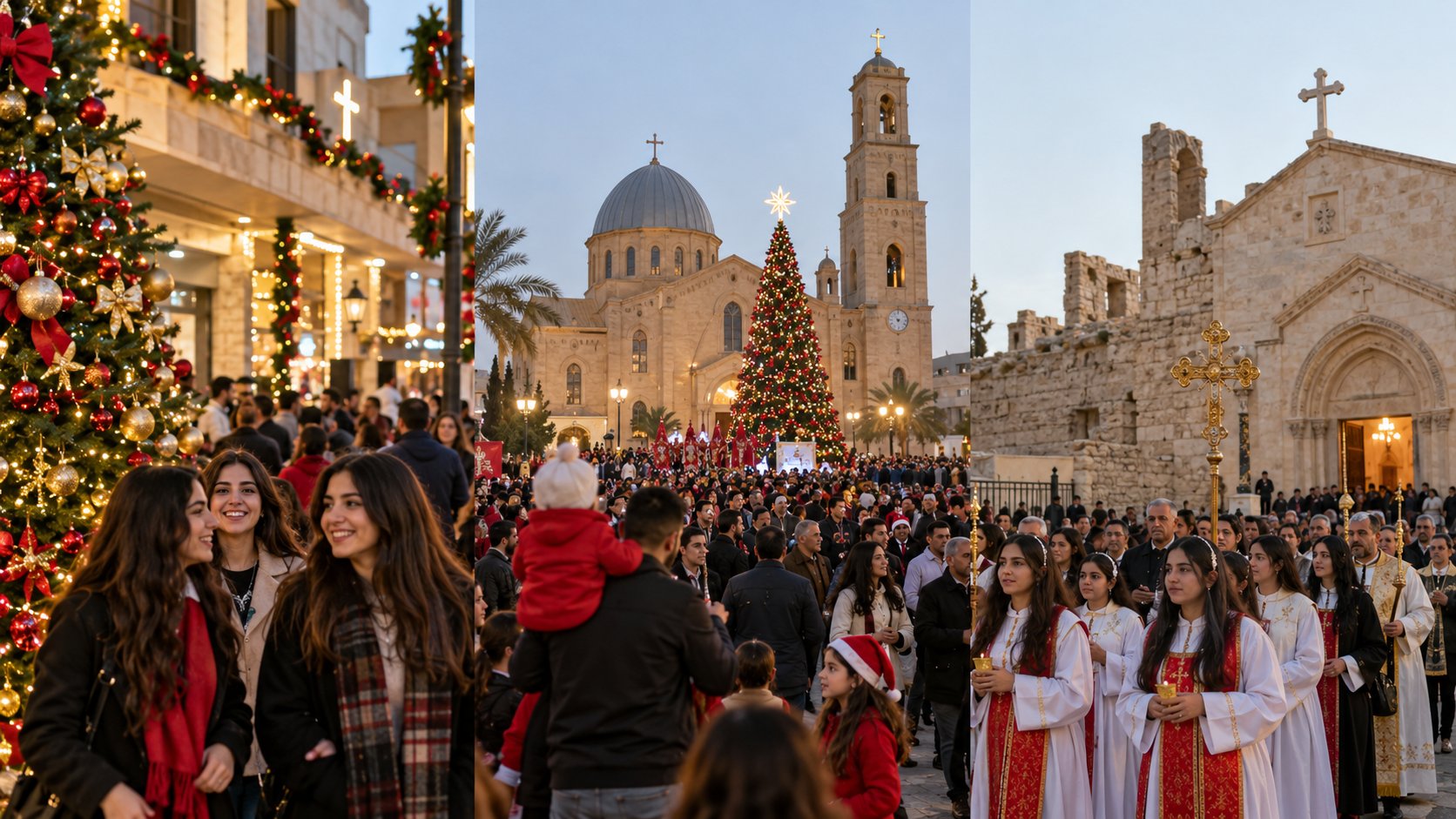
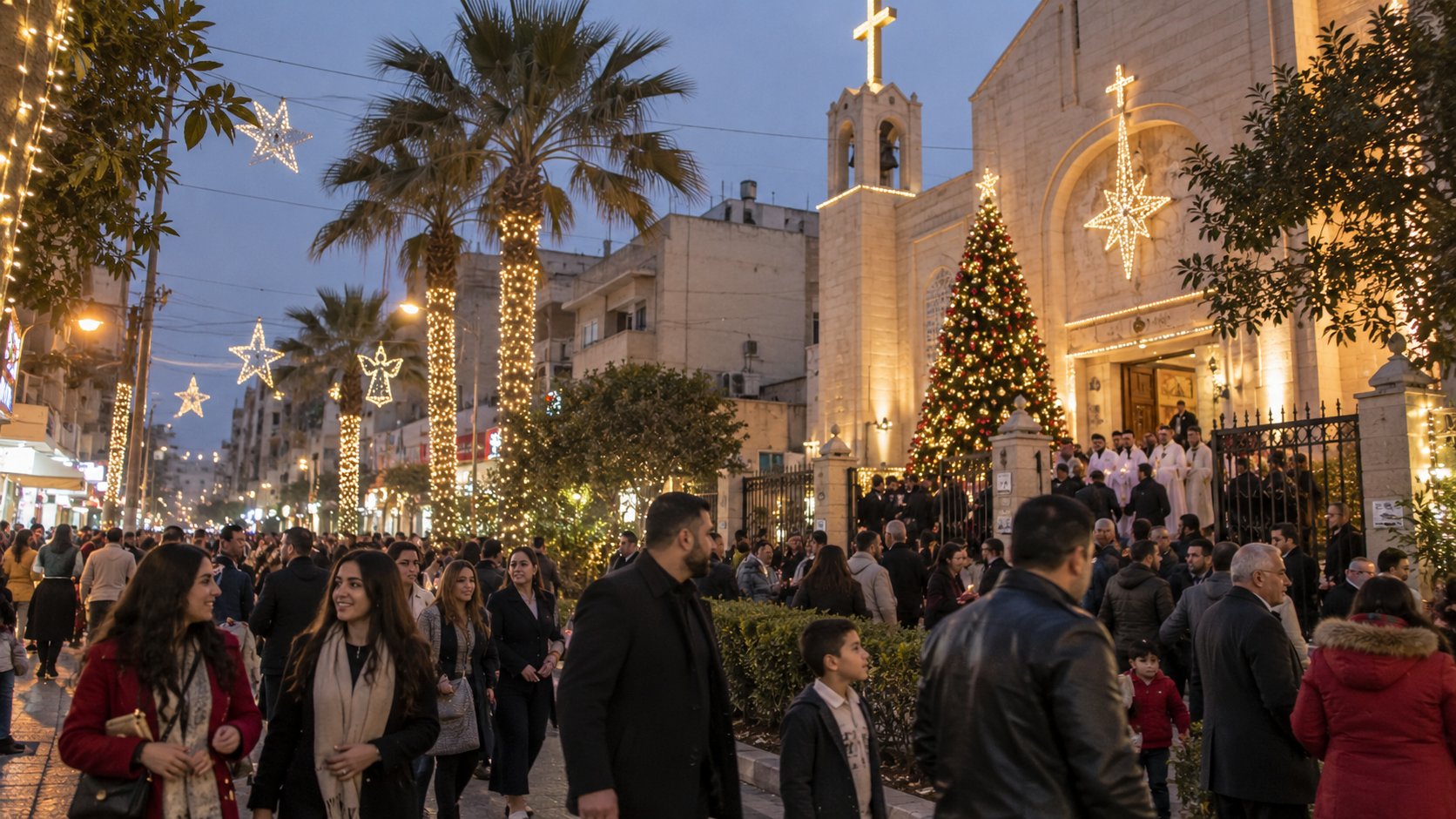
Located just north of central Erbil in the Kurdistan Region of Iraq, Ankawa is one of the largest Christian enclaves in the Middle East. Each December, Ankawa sets up street lights, open-air markets, and choral performances across its main public squares.
As documented by the Kurdish Globe, Ankawa hosts an annual Christmas and New Year festival where families walk decorated streets, children collect sweets, and choirs sing hymns in public squares. Evening gatherings bring together residents and visitors from across the region.
Worship centers on parishes like Mar Shimoni Church and Mar Yousif (Saint Joseph) Cathedral. According to Shafaqna English, congregations fill these sanctuaries on Christmas Eve for midnight liturgies celebrated in Eastern Syriac and Arabic. Bakeries, sweet shops, and cafes stay open late, making Ankawa a straightforward and hospitable base for travelers during the holidays.
Baghdad: Illuminations and Masses in Karrada
Baghdad has long been home to diverse religious communities. The Karrada commercial and residential district serves as the main center for public holiday displays. Storefronts hang colored string lights, florists and vendors set out decorated evergreen trees, and sweet shops sell seasonal pastries to customers of all backgrounds.
As noted by Iraqi Guide, the season in Baghdad brings public Christmas displays, family dinners, and seasonal gatherings across Karrada and nearby neighborhoods like Zayouna. Major churches conduct Christmas Eve masses:
- St. Joseph Cathedral (Karrada): The Chaldean Catholic cathedral hosts evening and midnight services attended by parishioners, community figures, and interfaith visitors.
- Cathedral of Our Lady of Salvation (Sayidat al-Najat, Karrada): A Syriac Catholic cathedral known for its distinctive concrete arch roof and dedicated community, holding a candlelit Christmas Eve mass.
- Church of the Virgin Mary (Zayouna) and St. George Church: Active community parishes hosting choir concerts and holiday charitable drives.
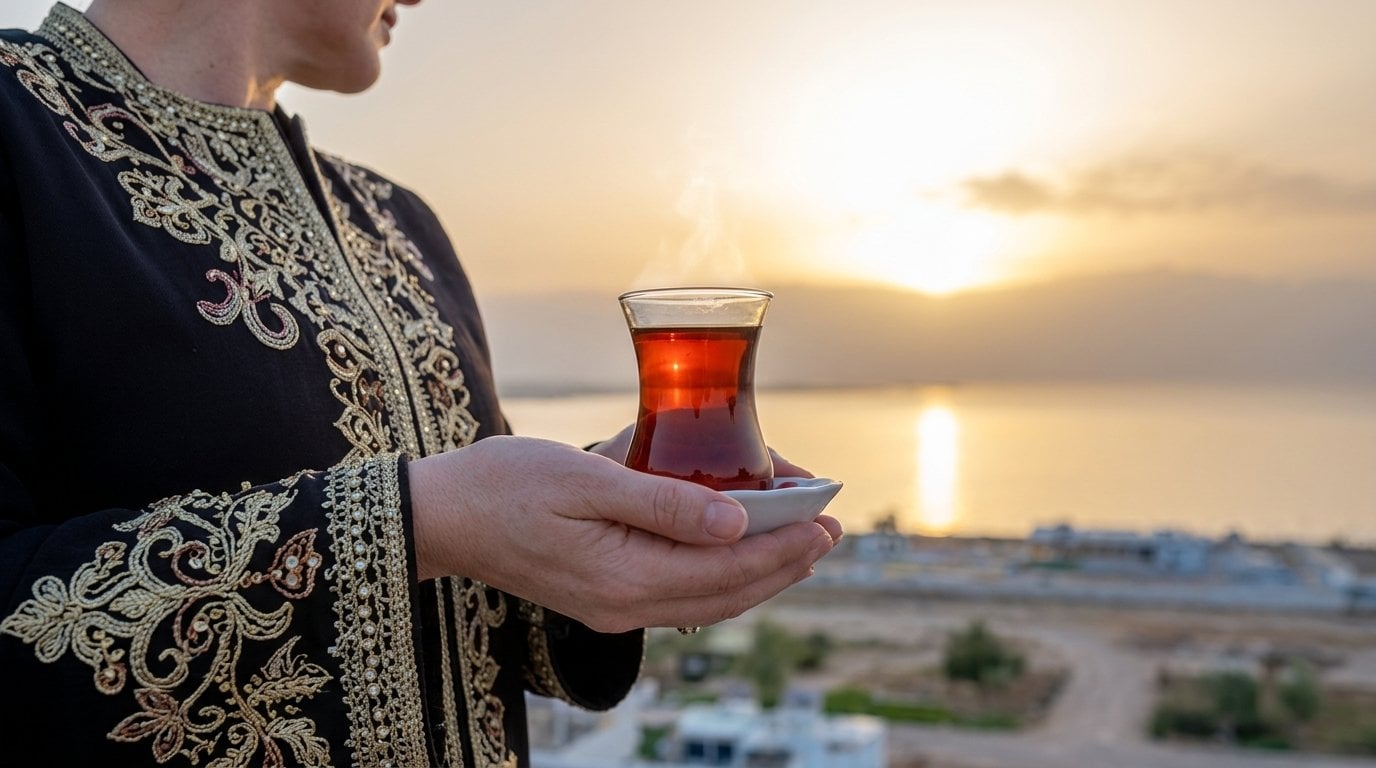
On Christmas Eve and Christmas Day, neighbors exchange the traditional greeting "Milad Majeed" (Merry Christmas) over small cups of spiced Iraqi tea and warm pastries.
Qaraqosh (Baghdeda): Heart of the Nineveh Plains
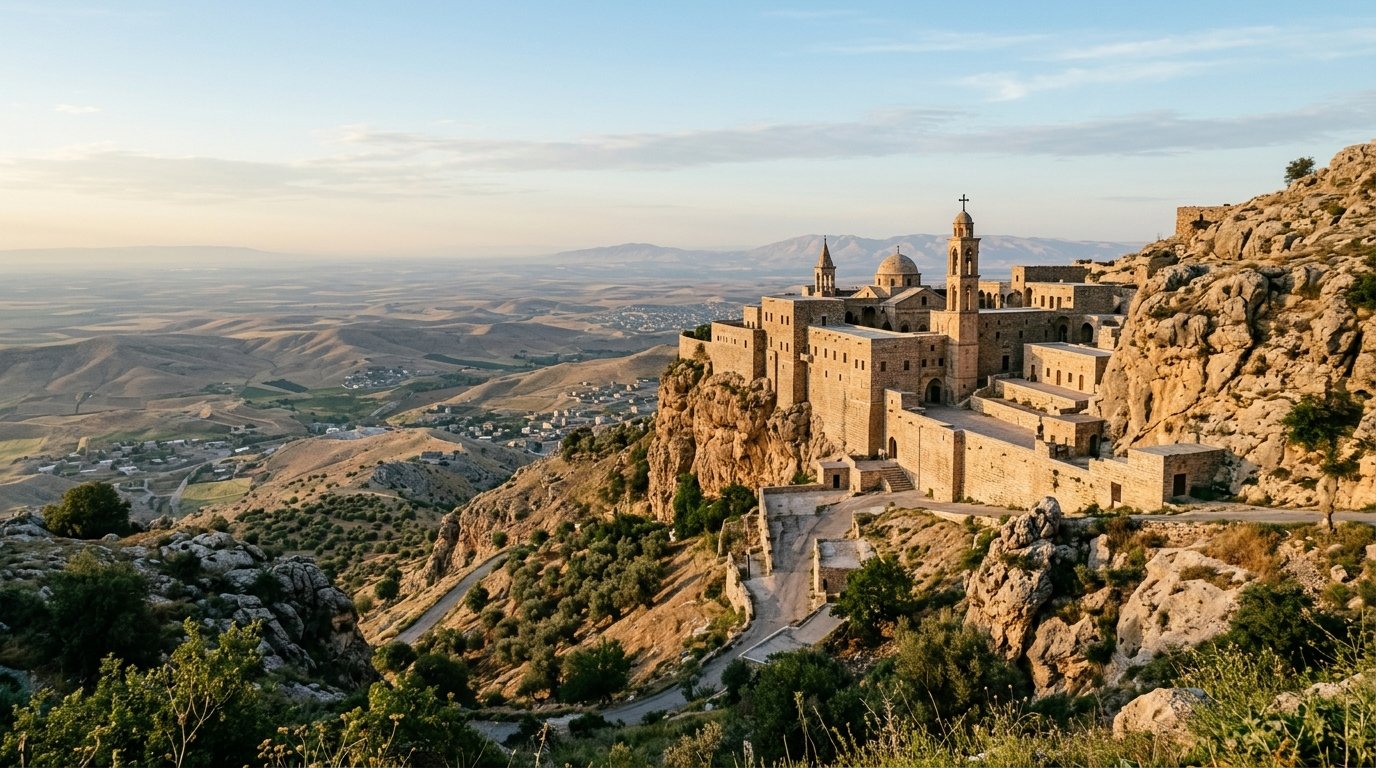
Located about 30 kilometers southeast of Mosul, Qaraqosh—known historically in Syriac as Baghdeda—is the largest predominantly Christian town in the Nineveh Plains.
As reported by the National Catholic Register, returning families have rebuilt community life and restored their churches. Holiday gatherings center on the Great Church of the Immaculate Conception (Al-Tahira al-Kubra), one of the largest Syriac Catholic churches in the region.
The Courtyard Bonfire and Liturgy
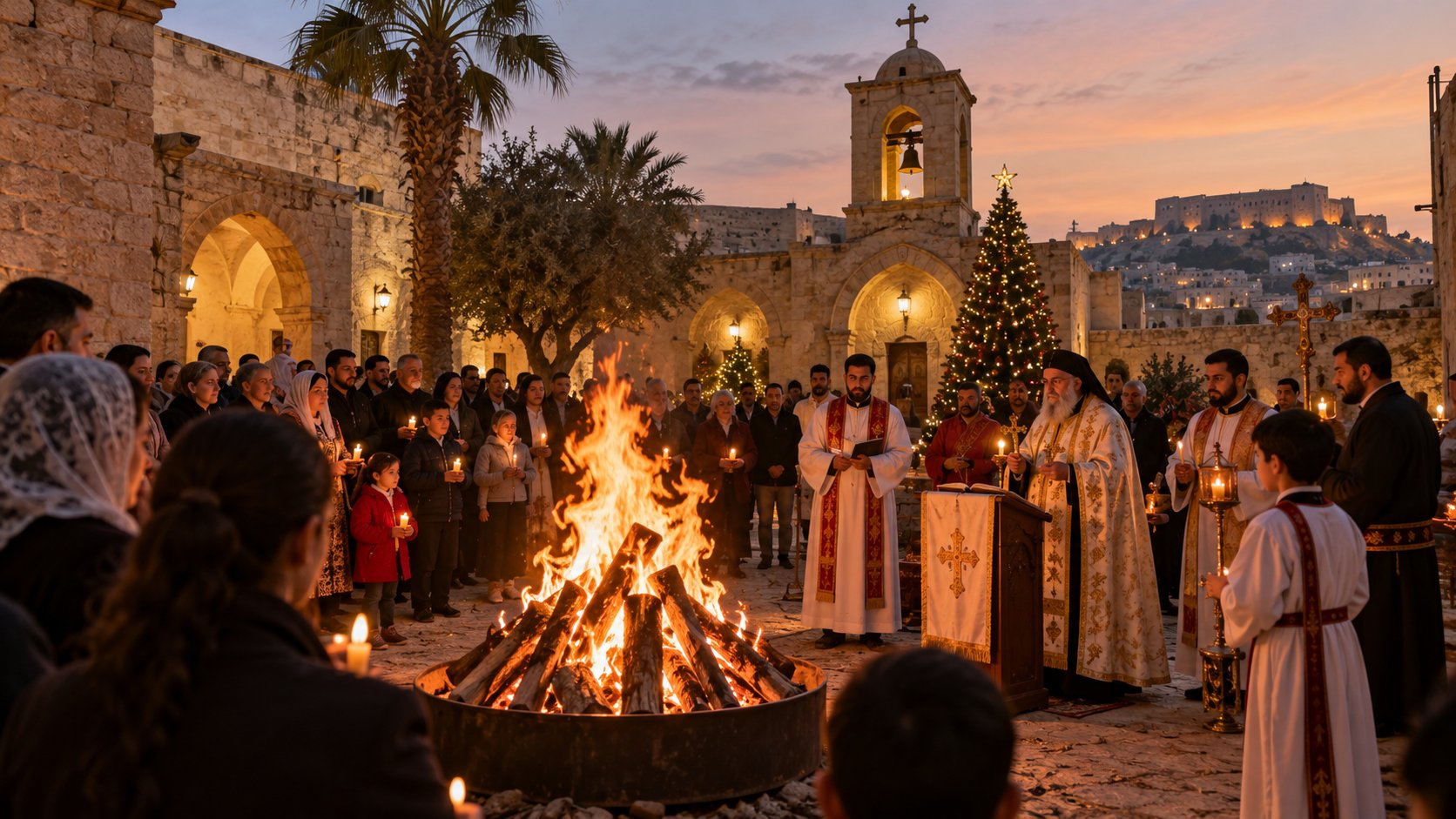
A core tradition in Qaraqosh is the Christmas Eve courtyard bonfire. Before or after the Divine Liturgy, priests and parishioners gather outside in the church courtyard to light a fire of dried branches. The fire commemorates the biblical shepherds who built fires in the fields on the night of Jesus's birth. Choirs chant liturgical hymns in Sureth, while families gather with candles in the cold night air.
Iraqi Christmas Customs and Festive Foods
Christmas in Iraq intertwines religious devotion with celebrated culinary traditions:
- The Nativity Fast: Many Chaldean and Syriac households observe a fast before Christmas, skipping meat and dairy products until Christmas Day.
- Kleicha: A holiday staple across Iraq, kleicha is stamped pastry flavored with cardamom and fennel, stuffed with spiced date paste, crushed walnuts, or sweetened coconut.
- Pacha and Dolma: Christmas Day lunches center on large communal meals, commonly pacha (slow-boiled sheep parts with spiced broth and bread) or large platters of dolma (vegetables stuffed with spiced rice and minced lamb).
- Interfaith Visits (Mu’ayada): Friends, Muslim neighbors, and community members frequently visit Christian households to extend holiday greetings and share tea.
Visitor Etiquette and Practical Travel Tips
Travelers planning to experience Christmas celebrations in Ankawa, Baghdad, or the Nineveh Plains should keep practical customs and respectful etiquette in mind:
- Dress Conservatively and Neatly: Churchgoers dress up for Christmas services. Wear clean, modest clothing covering your shoulders and knees.
- Arrive Early for Services: Seating fills up fast for midnight mass. Arrive 45 to 60 minutes ahead of scheduled start times to clear security and find a seat without disrupting the service.
- Respect Church Protocols and Photography: You may photograph public decorations and street markets freely, but always ask before taking portraits of individuals. Inside churches, turn off flash photography and put your phone away during the consecration and communion.
- Cooperate at Security Checkpoints: Churches in Baghdad, Erbil, and the Nineveh Plains operate entrance checkpoints. Cooperate patiently with security personnel and avoid bringing large backpacks or suitcases.
- Accept Hospitality: If a host or shopkeeper offers you tea, coffee, or sweets, accept with thanks. Greet people with "Milad Majeed" or "Kull 'am wa antum bi-khair" (May every year find you well).
Sources
- Kurdish Globe: "Christmas Festival fills Ankawa with joy and togetherness" (Published December 22, 2025; Accessed April 2026). URL: https://kurdishglobe.krd/christmas-festival-fills-ankawa-with-joy-and-togetherness/
- National Catholic Register: "Christians Ready for Christmas After the Caliphate’s Collapse" by Peter Jesserer Smith (Published December 22, 2017; Accessed April 2026). URL: https://www.ncregister.com/news/christians-ready-for-christmas-after-the-caliphate-s-collapse
- Shafaqna English: "Christmas celebrations in Iraq's Kurdistan [photos]" (Published December 25, 2025; Accessed April 2026). URL: https://en.shafaqna.com/435747/iraq-christians-celebrate-christmas-in-kurdistan-region/
- Iraqi Guide: "Christian New Year in Baghdad – Christmas & New Year's Eve Celebration Tour" (Accessed April 2026). URL: https://iraqiguide.com/event/christian-new-year-in-iraq
❓Frequently Asked Questions
Here are answers to frequently asked questions about the content above
Yes, Christmas (December 25) is recognized as a national public holiday across Iraq, celebrated by both Christian communities and acknowledged widely across civic society.
The most prominent celebrations in Erbil take place in the Christian district of Ankawa, featuring decorated avenues, public Christmas bazaars, choral concerts, and midnight liturgies at Mar Shimoni Church and Mar Yousif Cathedral.
Baghdad churches hold evening and midnight masses on Christmas Eve, with notable services taking place at St. Joseph Cathedral and the Syriac Catholic Cathedral of Our Lady of Salvation in the Karrada neighborhood.
In Qaraqosh (Baghdeda), worshippers gather outside the Great Church of the Immaculate Conception (Al-Tahira) for a traditional Christmas Eve courtyard bonfire, accompanied by candlelight processions and liturgical hymns chanted in Aramaic.
Yes, visitors from all backgrounds are welcome to observe Christmas services, provided they dress modestly in semi-formal clothing, follow church decorum, and respect ongoing security protocols at entrances.
Families enjoy freshly baked kleicha (spiced cardamom date pastries), festive teas, and celebratory shared dishes such as pacha (slow-cooked meat stew) and spiced dolma.