Every autumn, Halabja hosts the Kurdistan Region's largest agricultural festival, drawing hundreds of thousands of visitors to taste fresh ruby pomegranates, homemade molasses, and Kurdish mountain foods. Here is everything you need to know about festival dates, local food stalls, transport routes, and day trips into the surrounding Hawraman mountains.
What is the Halabja Pomegranate and Autumn Festival?
The Halabja Pomegranate and Autumn Festival is a three-day harvest fair held every year in late October or early November at Halabja Amusement Park in Halabja, Iraqi Kurdistan. Established in 2013 as a grassroots initiative by local farmers and community organizers, the gathering has grown into one of the largest agritourism events in Iraq, according to Hanary Halabja.
During the festival, local authorities declare Thursday an official regional holiday, kicking off a long weekend of trade, folk music, and food tasting. Daily festival hours run from 8:00 AM to 6:00 PM. In recent years, attendance has surged past 400,000 visitors over three days, generating more than 1.7 billion Iraqi dinars for regional farmers, cooks, and craftspeople, as reported by Rudaw.
For the people of Halabja, the event carries deep cultural weight. Decades after surviving wartime chemical weapon attacks, the province has turned its fertile soils into a symbol of economic renewal and agricultural pride, documented by the Kurdistan Chronicle.
Why Halabja Pomegranates are Famous Across the Region
The plains and terraced foothills around Halabja sit at the base of the Zagros and Hawraman mountain ranges. Natural mountain springs, mineral-rich mountain soil, and sharp shifts between warm sunny days and cool autumn nights create ideal conditions for growing pomegranates with thin skins, deep crimson seeds, and high juice content.
Government agricultural records show that the Kurdistan Region produces more than 80,000 tons of pomegranates each year, with nearly 30,000 tons coming directly from Halabja orchards, according to Rudaw. Most orchards in the valley continue to rely on traditional, low-chemical farming techniques passed down through generations.
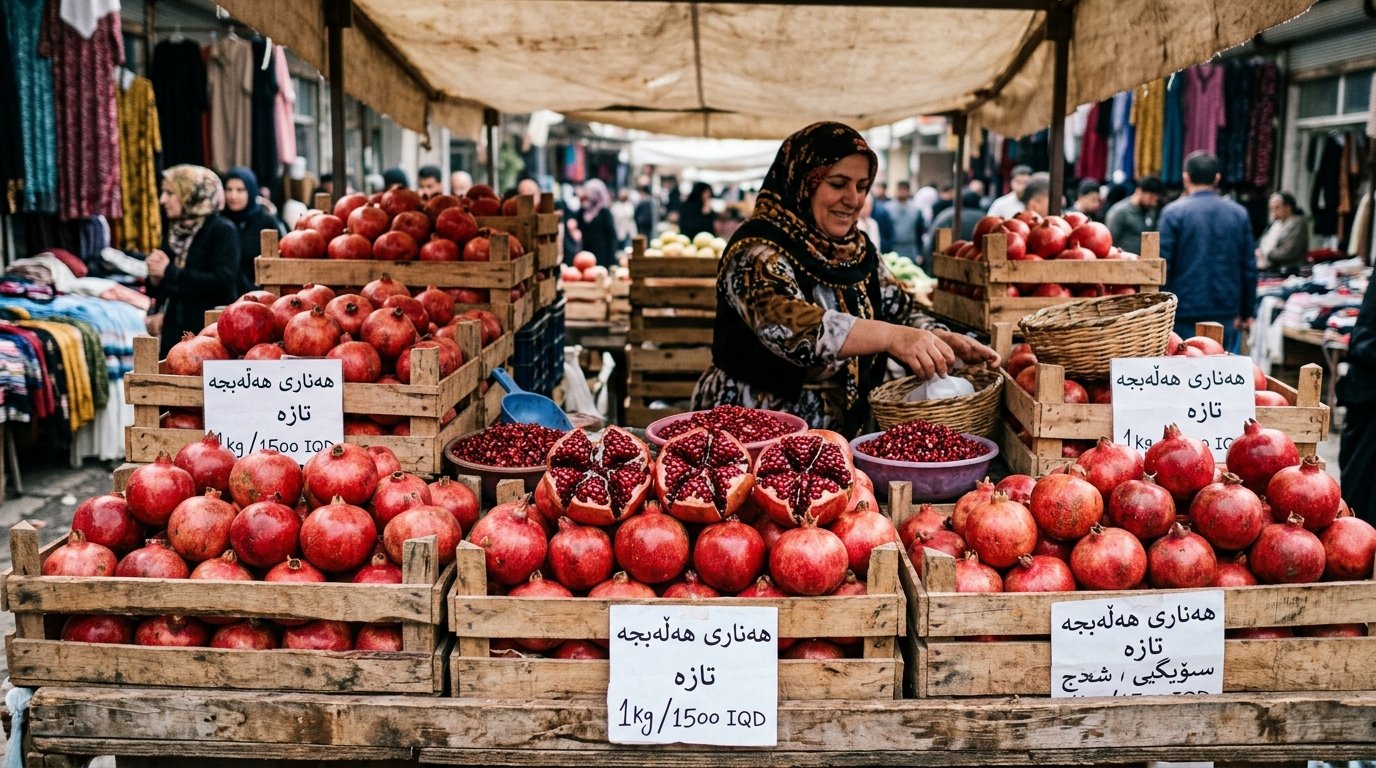
The reputation of Halabja pomegranates extends well beyond domestic markets. In late 2022, Halabja pomegranates became the Kurdistan Regional Government's first non-oil agricultural export delivered to supermarket shelves in the United Arab Emirates and other Gulf nations, as covered by Rudaw. At the festival, farmers line their crates along the aisles and slice open fresh fruit for passersby to inspect and sample on the spot.
What to Eat and Buy at the Festival
The festival layout includes over 650 organized booths split into three dedicated zones: fresh agricultural produce, women's handicrafts, and traditional Kurdish cuisine, as reported by Rudaw.
Fresh Produce and Pantry Staples
Roughly 250 stalls focus strictly on fresh autumn crops. Visitors can purchase:
- Freshly picked pomegranates by the kilogram or crate.
- Raw mountain wildflower honey harvested from Hawraman beehives.
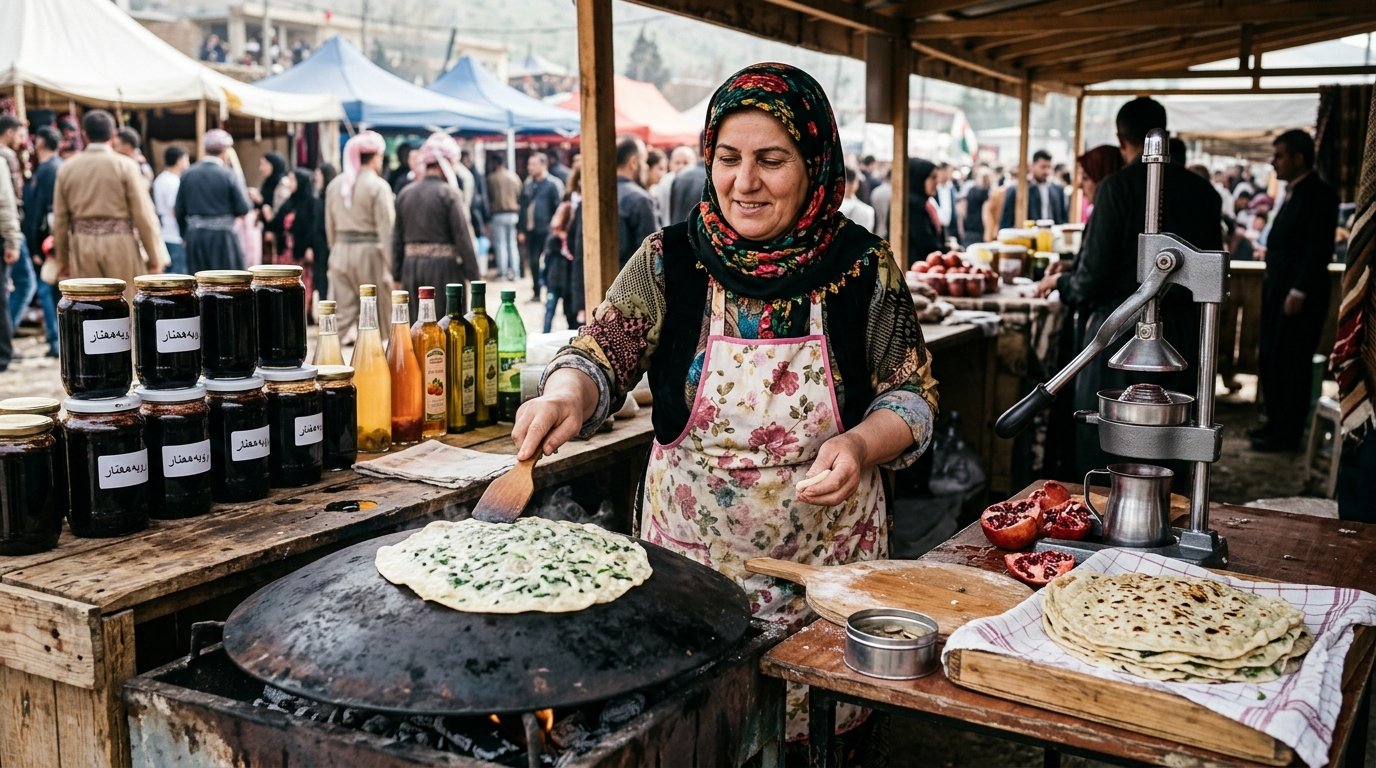
- Homemade pomegranate molasses (roba hanar or rub al-rumman), simmered in wide copper kettles until thick, tart, and glossy.
- Cold-pressed pomegranate vinegar and natural fruit syrups, as documented by Kurdistan 24.
- Dried walnuts, mountain almonds, sun-dried figs, golden raisins, and wild sumac.
- Traditional sweets such as basoogh, a firm confectionery made from cooked grape juice and starch wrapped around walnut halves.
Hot Kurdish Street Food
Food stands operate continuously throughout the day, serving hot regional specialties:
- Kelane (Kalane): A Kurdish flatbread rolled paper-thin, stuffed with chopped wild scallions or mountain greens, baked on a convex iron saj griddle, and brushed with melted animal fat or ghee.
- Charcoal-Grilled Kebabs and Tikka: Skewered spiced lamb and beef cooked over open charcoal fires, served with fresh flatbread, raw onions, and sumac.
- Dolma: Grape leaves, onions, baby eggplants, and zucchini stuffed with spiced rice, minced meat, herbs, and tart pomegranate juice.
- Fresh Pomegranate Juice: Vendors press thousands of pomegranate halves continuously using manual lever presses, pouring cups of pure, unstrained juice with no added sugar.
Live Cultural Performances and Traditional Music
Beyond commerce, the festival grounds host continuous cultural activities organized by local arts committees and civic groups.
Traditional Kurdish folk singers perform ancient regional vocal styles native to the Hawraman mountains, including Siachamana, a pitch-shifting mountain vocal style sung without instruments, and rhythmic Hora songs, according to Hanary Halabja.
Visitors and vendors frequently gather in open pathways to dance the halparke, the traditional Kurdish circle dance. Many attendees wear Kurdish traditional clothing, including loose sharwal trousers with fitted waistbands for men and sequined dresses with velvet jackets for women, as covered by Kurdistan 24.
Mountain Road Trips Around Halabja and Hawraman
Roughly 35 to 40 percent of festival visitors combine their trip to the fairgrounds with scenic drives through the surrounding countryside, according to the Halabja Tourism Directorate. If you have a car, several major stops sit within an hour of the city.
1. The Hawraman Valley (Byara and Tawella)
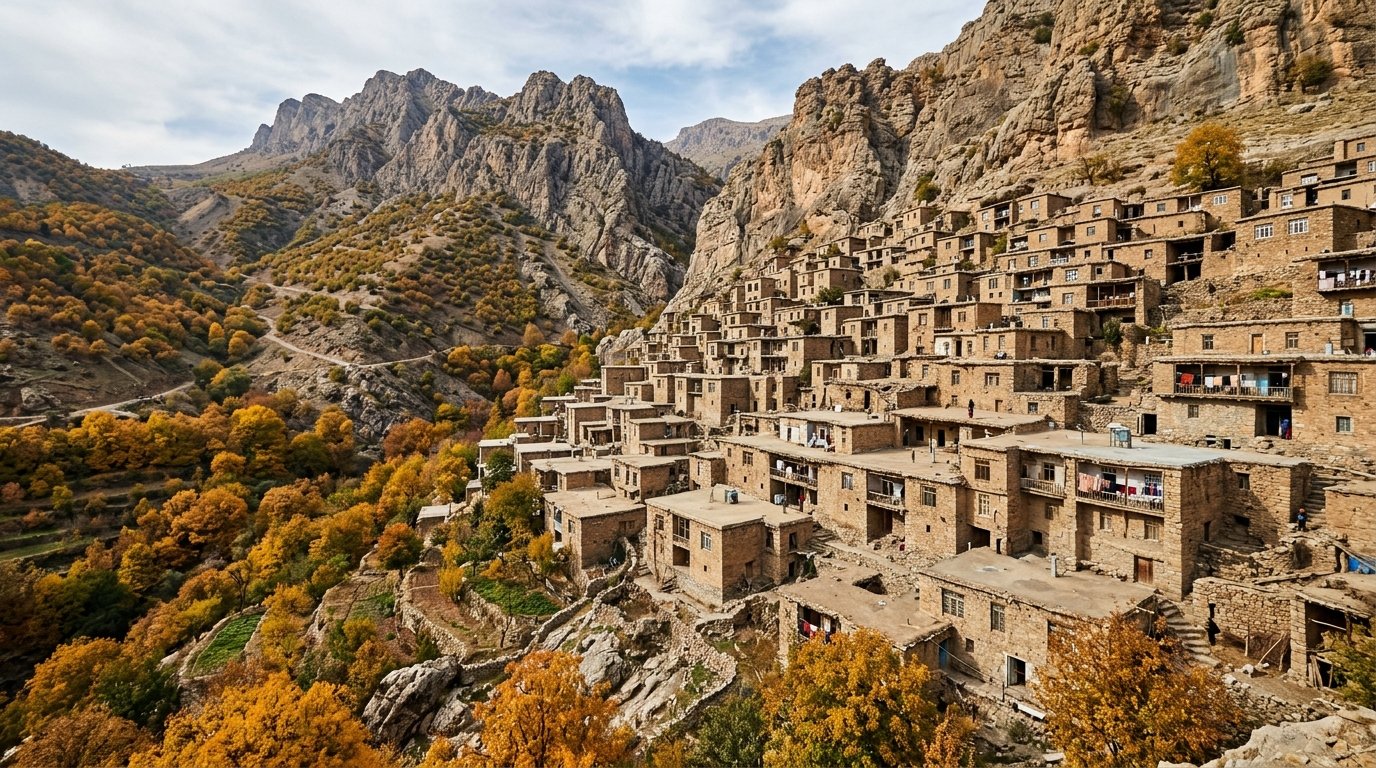
Driving northeast from Halabja takes you into the steep Hawraman mountain valley along the Iranian border. Villages like Byara and Tawella have stone houses built directly into cliff faces, where the roof of one home forms the courtyard of the house above it. The road winds past terraced walnut groves, cold natural springs, and artisan workshops producing traditional woven Kurdish shoes (klash).
2. Ahmad Awa Waterfall and Springs
Located near Khurmal, roughly 20 kilometers north of Halabja, Ahmad Awa is one of the most visited natural springs in Sulaymaniyah Governorate. A paved path follows a rushing mountain stream up to a cascading waterfall flanked by walnut trees, riverside picnic platforms, and small open-air tea stalls.
3. Halabja Monument and Peace Memorial
Located near the entrance to Halabja, the memorial museum commemorates the victims of the March 16, 1988 chemical attack. Visiting the museum provides critical historical understanding before exploring the city's modern cultural revival.
4. Darbandikhan Lake and Mountain Passes
The highway connecting Sulaymaniyah and Halabja passes near Darbandikhan Lake and through mountain tunnels cut into limestone ridges. Several roadside viewpoints offer panoramic views of the water reservoir and autumn orchards lining the Sirwan River basin.
Practical Visitor Guide
How to Get There
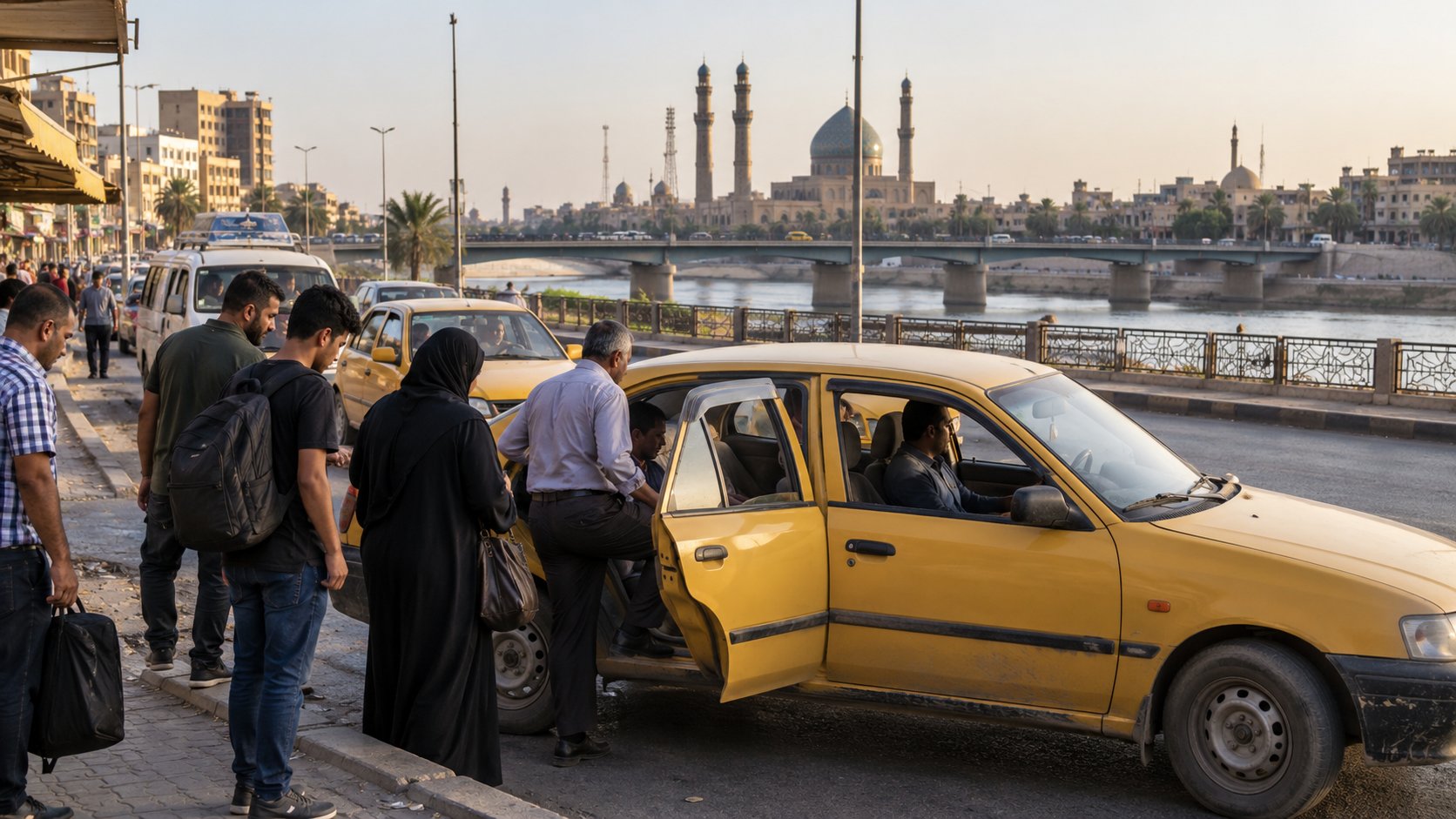
- From Sulaymaniyah: Halabja is located approximately 75 to 80 kilometers southeast of Sulaymaniyah. The drive takes around 1.5 to 2 hours via the Sayed Sadiq highway. Shared taxis and minibuses run regularly from Sulaymaniyah's Baghdad Garage or Halabja Terminal.
- From Erbil: The journey covers about 175 kilometers via Koya and Sulaymaniyah, taking roughly 3.5 to 4 hours by car.
- Checkpoints: Travel across the Kurdistan Region requires passing internal security checkpoints. Keep your passport and valid Kurdistan Region entry visa or federal Iraqi visa accessible in the vehicle.
Opening Hours and Timing
- Festival Timing: Late October to early November annually (exact dates are confirmed each October by the Halabja Governorate).
- Daily Hours: 8:00 AM to 6:00 PM.
- Best Time to Arrive: Arrive between 8:30 AM and 10:00 AM to avoid heavy midday traffic and find parking close to Halabja Central Park.
Cash and Practical Details
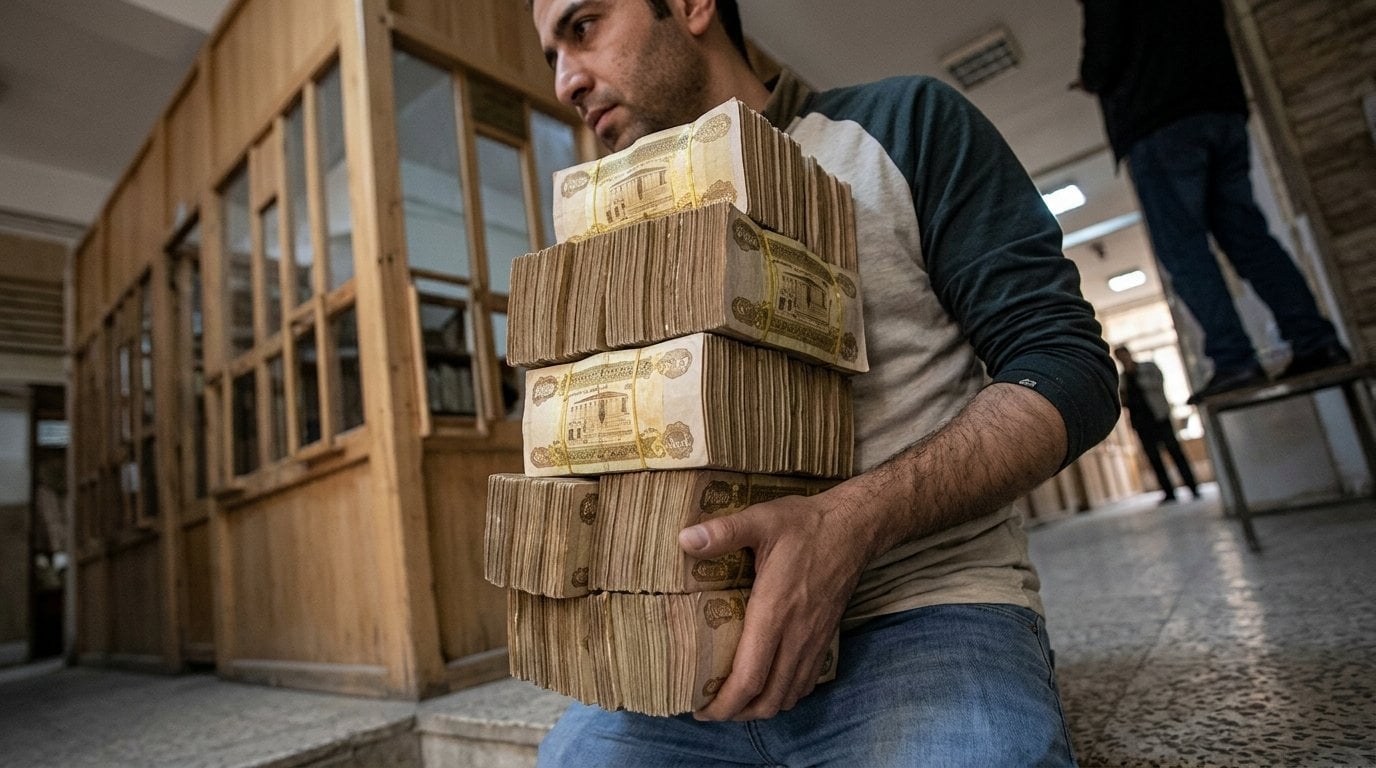
- Currency: Vendors operate strictly in cash using Iraqi Dinars (IQD). Bank cards are not accepted at stalls.
- Packing Purchases: If you plan to buy crates of pomegranates, honey jars, or bottles of molasses, bring sturdy tote bags or arrange vehicle access near the loading areas.
- Where to Stay: Hotels inside Halabja fill up weeks before opening day, as noted by Rudaw. Most travelers book accommodations in Sulaymaniyah and visit Halabja as a day trip.
Sources
- Hanary Halabja — "Hanary Halabja - Cultural & Community Organization | Kurdistan Iraq" — https://www.hanaryhalabja.org/ (Accessed March 2025)
- Rudaw — "Halabja’s pomegranate festival attracts over 400,000 visitors" — https://www.rudaw.net/english/categories/kurdistan/909141 (Accessed March 2025)
- Rudaw — "Halabja pomegranate festival kicks off, 300k visitors expected" — https://www.rudaw.net/english/categories/kurdistan/908500 (Accessed March 2025)
- Rudaw — "Halabja annual Pomegranates Festival draws thousands" — https://www.rudaw.net/english/categories/kurdistan/831199 (Accessed March 2025)
- Kurdistan Chronicle — "Halabja’s Pomegranate Revival" — https://kurdistanchronicle.com/babat/3583 (Accessed March 2025)
- Kurdistan 24 — "Halabja bursts with color as Pomegranate and Autumn Festival opens" — https://www.kurdistan24.net/en/story/872449 (Accessed March 2025)
- Kurdistan 24 — "Photo story: Halabja’s interesting pomegranate festival" — https://www.kurdistan24.net/en/story/808775 (Accessed March 2025)
❓Frequently Asked Questions
Here are answers to frequently asked questions about the content above
The festival takes place annually over three days in late October or early November, running from 8:00 AM to 6:00 PM daily. Local authorities typically declare the opening Thursday an official holiday.
The festival is held at Halabja Amusement Park (Halabja Central Park / Games' City) in the city of Halabja, located in the Kurdistan Region of Iraq.
Entry to the festival grounds is free. Transactions at produce booths and food stalls are cash only, using Iraqi Dinars (IQD).
Halabja is about 75 to 80 kilometers southeast of Sulaymaniyah. The drive takes 1.5 to 2 hours by car or shared taxi along the highway through Sayed Sadiq.
Visitors can purchase fresh pomegranates, homemade pomegranate molasses (roba hanar), fruit vinegars, Hawraman mountain honey, walnuts, dried figs, and basoogh sweets, alongside hot foods like kelane flatbreads and kebabs.
Accommodations inside Halabja are limited and frequently book out completely during festival week. Most visitors stay at hotels in Sulaymaniyah and make Halabja a convenient day trip.